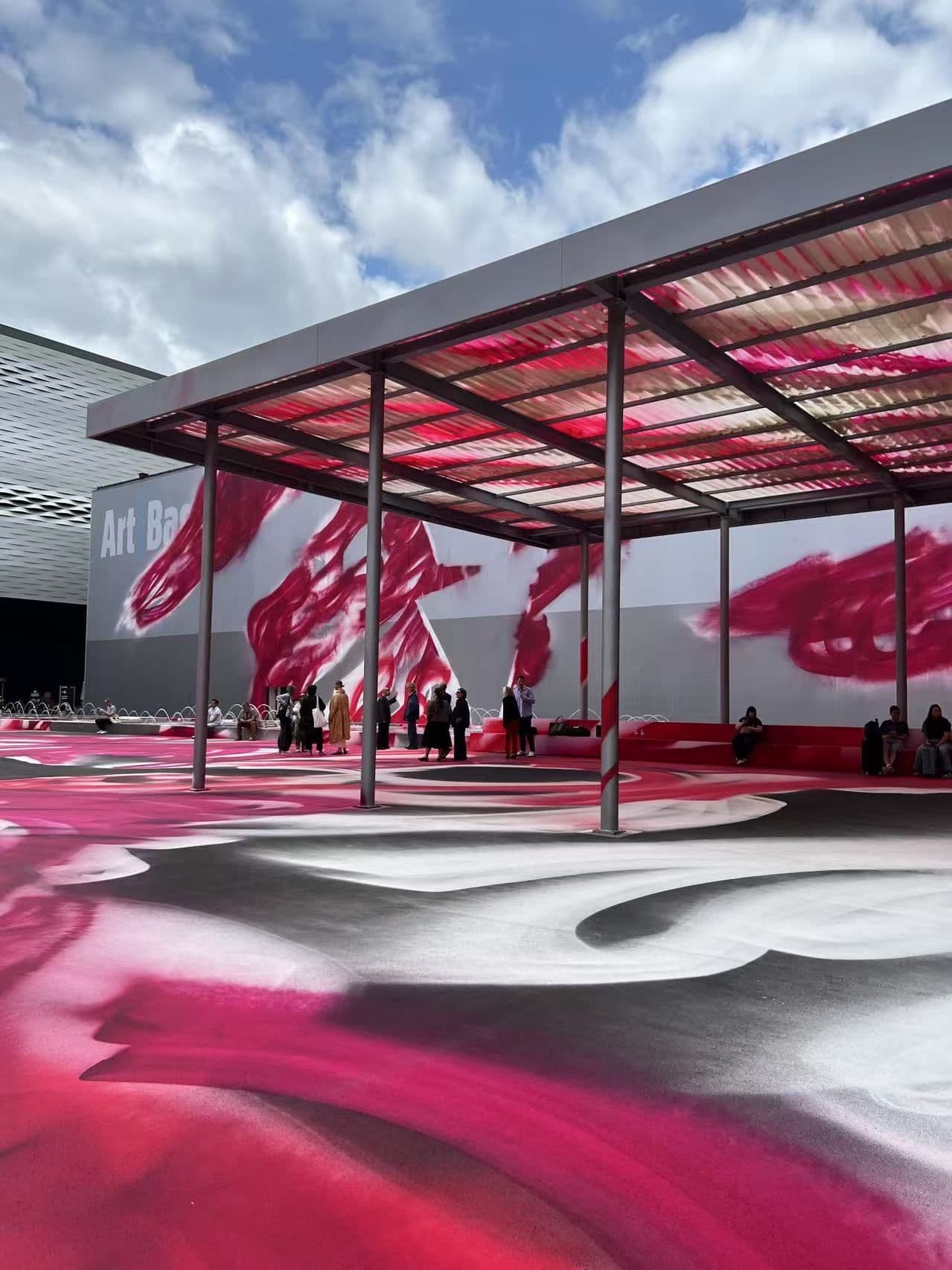
Art Basel: What the Market Is Watching and How to Read It
Swiss Art Basel reveals cautious collector behavior and adjusted strategies after years of market inflation. Collectors are focusing on works priced roughly USD 20,000–500,000 and diversifying media interest. Price expectations need realignment across tiers. Chinese collector interests are shifting toward local artists, yet Western and postwar works remain significant due to deeper market infrastructure and historical stability.
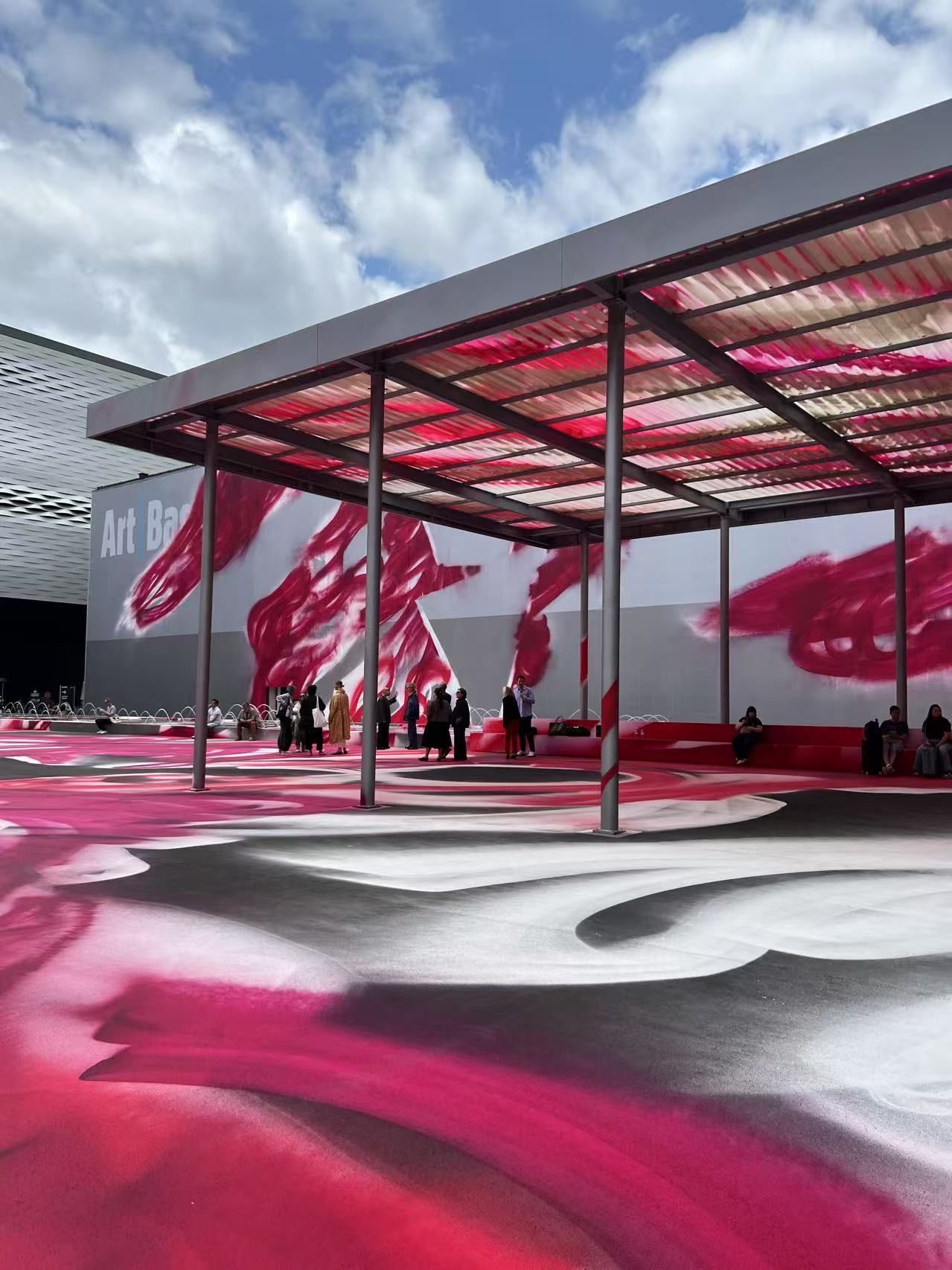
The two‑day VIP preview of Art Basel in Switzerland has just concluded. Many galleries’ sales results are already available in other reports, so I won’t repeat them here. What I want to share instead are conversations and insights that emerged from dialogues with collectors and gallery friends about the fair and the broader art market.
1. Collectors Slow Down, Adjust Their Strategies
After the art‑market bubble from 2018 to 2023, many collectors who have remained active and continue to buy works are now approaching collecting more cautiously. Although transaction volumes in both the primary and secondary markets have shown some recovery this year, based on conversations with clients and colleagues, we see that collectors’ purchasing power remains, but their understanding of the art market is deeper and their tastes broader. Most collectors (especially those active in the primary market) have become more level‑headed about allocation and gallery sales strategies; if a work is not available, they accept it without insisting on short‑term liquidity (which is difficult to achieve). They are also thinking more deeply about their own collecting systems and long‑term strategies.
Our clients — some from Europe, some from Asia — said their purpose this trip was to learn about more artists and that they would decide whether to buy only after seeing works in person. Although each collector’s taste varies, together we observed that interest primarily centered on works priced between USD 20,000 and 500,000, and interest in installations and sculpture is growing alongside painting.
From conversations with galleries, the overall pace of sales is slower than in past years. Large galleries often pre‑sell works through private placements or first‑choice events, leaving fewer immediate sales opportunities at the fair. Smaller and mid‑sized galleries we work with mostly report breaking even or making small profits. Galleries with a strong regional focus see sales tied closely to the economic performance of their collector base; for example, some local California galleries reported weaker sales, as their primary collectors — mainly from California and Miami — are currently more hesitant to spend under current macroeconomic and political conditions.
Chinese galleries like Vitamin and ShanghART are mainly oriented toward Chinese artists and Chinese collectors. We have indeed felt that since last year, interest among Chinese collectors in Western contemporary art has declined, shifting toward support for local artists. Meanwhile, because we work with many international galleries, we have seen an increase in clients asking us to negotiate on behalf of Chinese artists represented by Western galleries. This shift and fragmentation of collecting interests deserves further discussion.
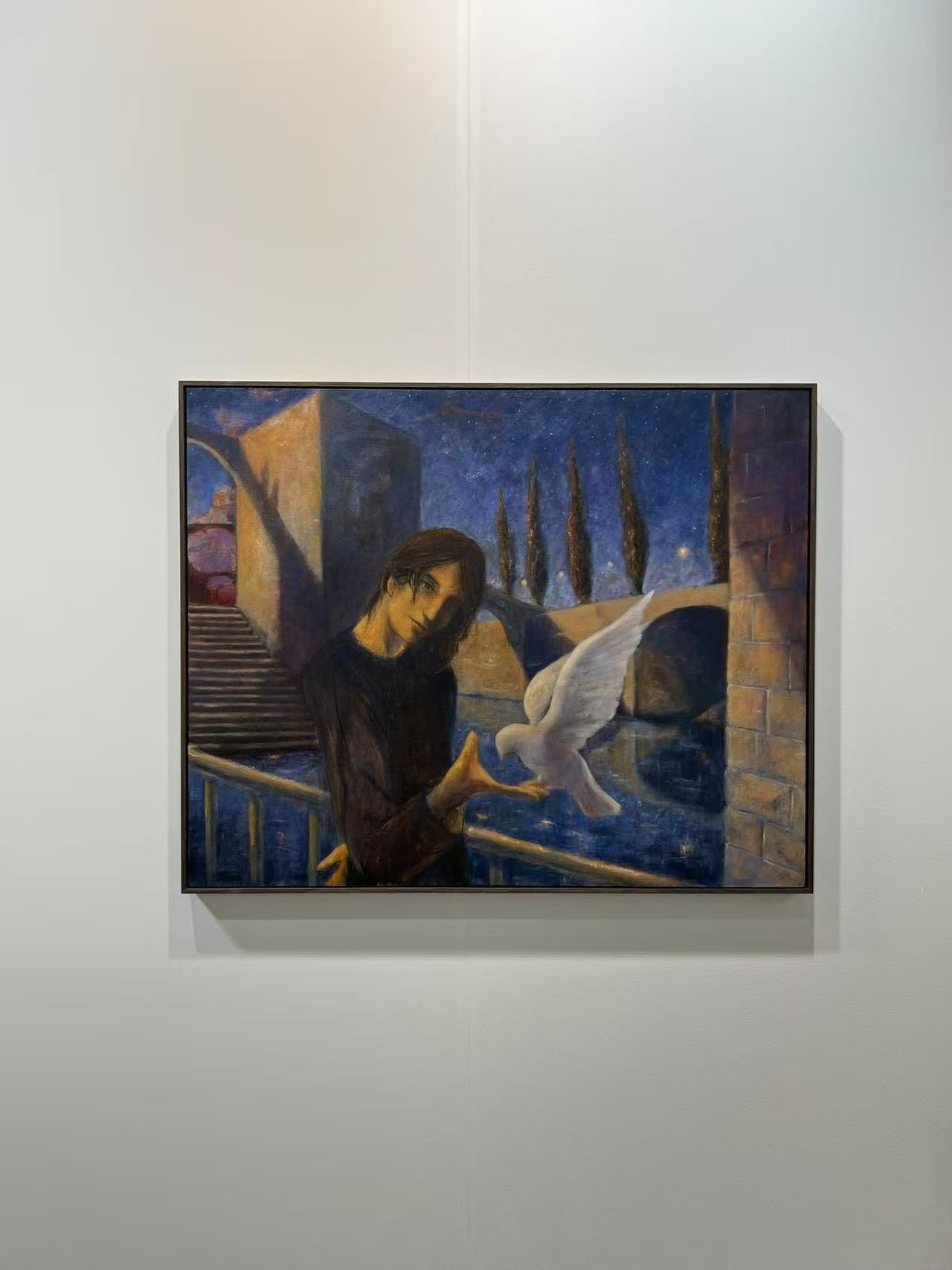
At Art Basel, Artist: Ernst Yohji Jaeger
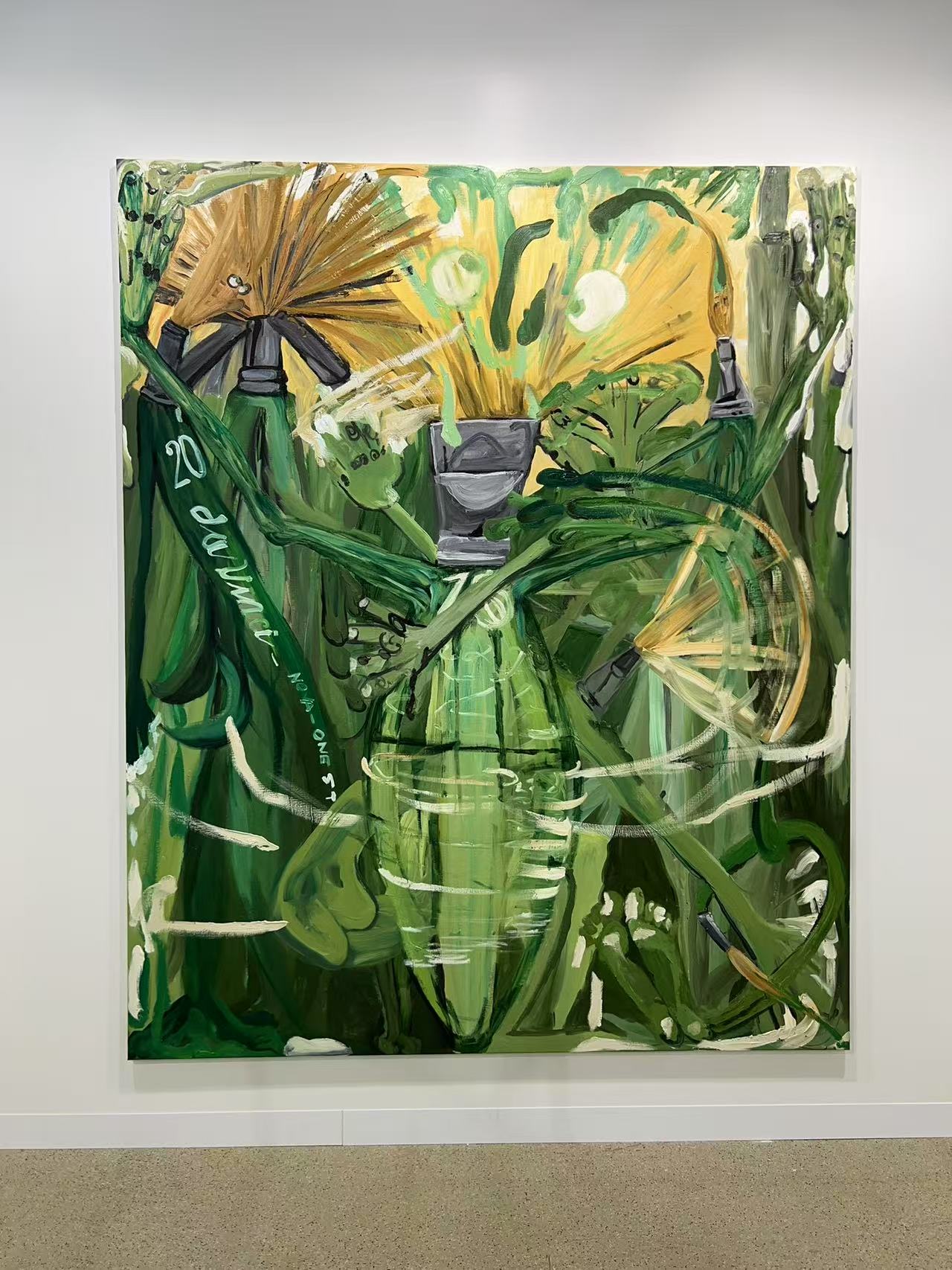
At Art Basel, Artist: Jana Euler At Art Basel
2. Market Perceptions of Price Need Adjustment
Artnet has also seriously discussed this issue. Based on our experience of prices at this year’s Art Basel, we share our view and suggest how collectors might think about different price tiers.
My personal impression is that works represented by major galleries are indeed priced high, and even at top galleries like Gagosian or Hauser & Wirth, there’s no guarantee that buying a work won’t lead to a long‑term decline. For instance, a Roy Lichtenstein sculpture bought in 2015 for USD 750,000 was worth USD 550,000 by 2024 — and such examples are numerous. Galleries tend to raise prices each cycle: if a show sold well last time or had a big exhibition, prices might go up 20%; if they didn’t sell well, prices might stagnate — yet prices cannot stay flat forever, so they gradually creep upward, often followed by gallery‑offered discounts. This is especially true for works priced between USD 150,000–800,000. Many collectors think purchases in this range are stable long‑term investments, but for many artists at this level prices have little upside left. The logic driving this is not simply that a gallery represents the artist or that the price is high, but that the gallery needs the price at that level to cover costs and make a profit.
It can only be said that artists with stable markets may also be represented by major galleries, and their prices are often high. Frankly, many such works might feel more comfortable for the market if their prices were 30–40% lower — but then galleries might not stay in business.
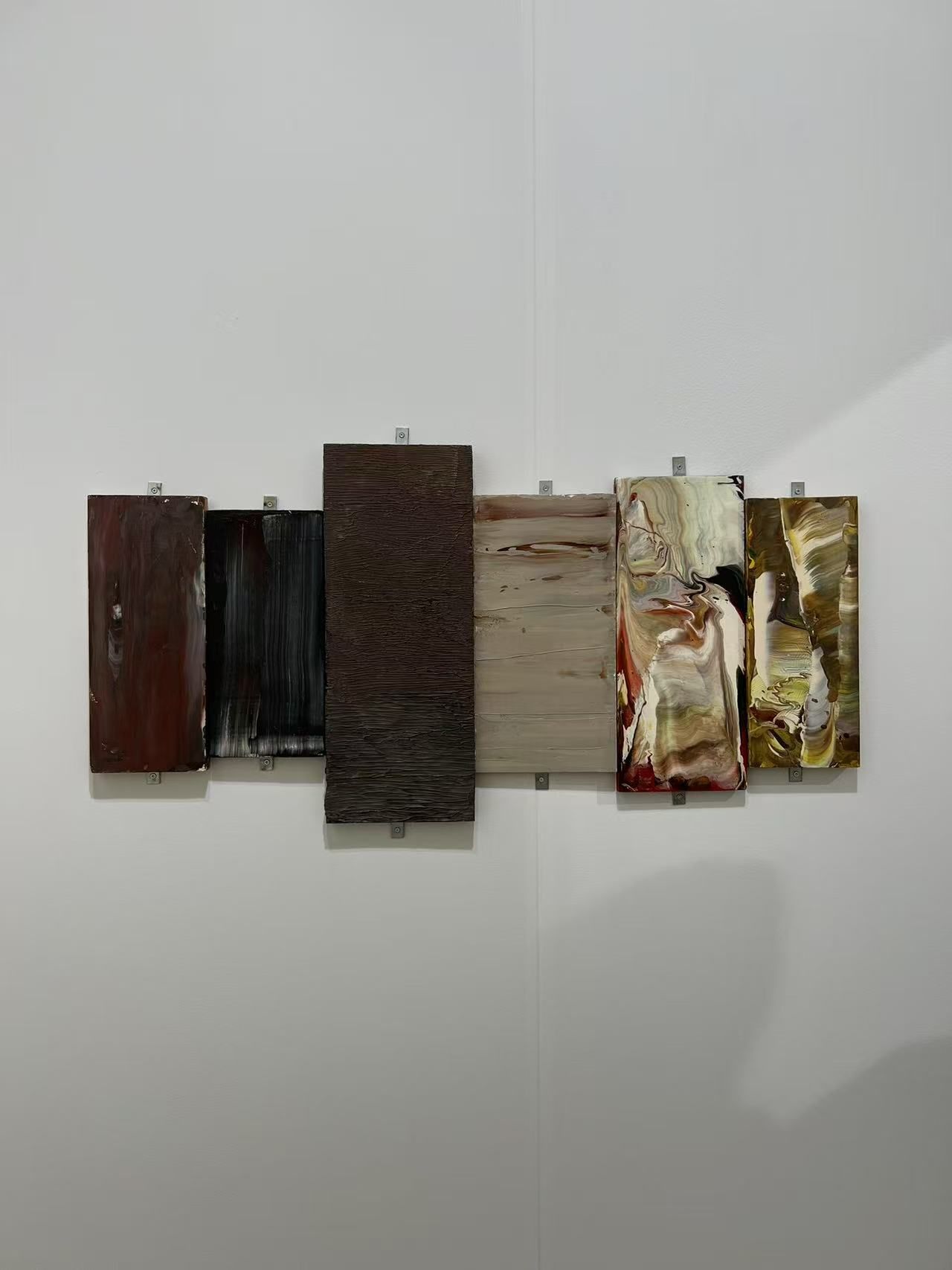
Artist: Ull Hohn
So collectors often ask: If that’s the case, how should I choose?
We think the following reference points apply:
- Emerging Artists:
For example, Justin de Verteuil, who showed in the Kabinett sector with 4–5 works all sold, the largest around 2 meters, priced under EUR 30,000. In Basel’s context, this is very good value. This price tier is easier for many collectors to enter, but because prices are low and demand is high for quality work, competition is intense. For works at this level, don’t ask whether they’ll enter art history — for very young artists, unless truly exceptional, it’s hard to tell.
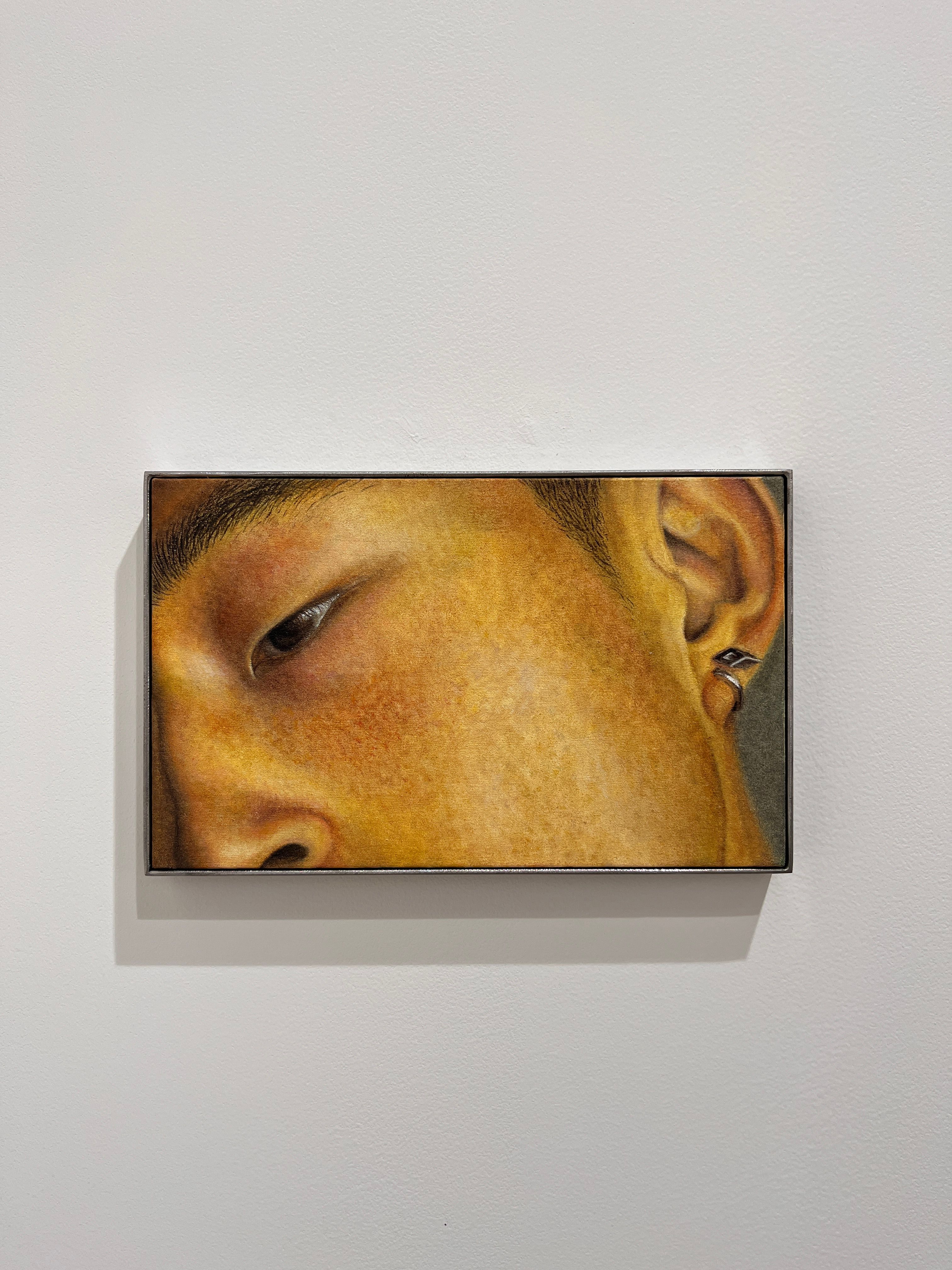
At Art Basel, Artist: Sang Woo Kim
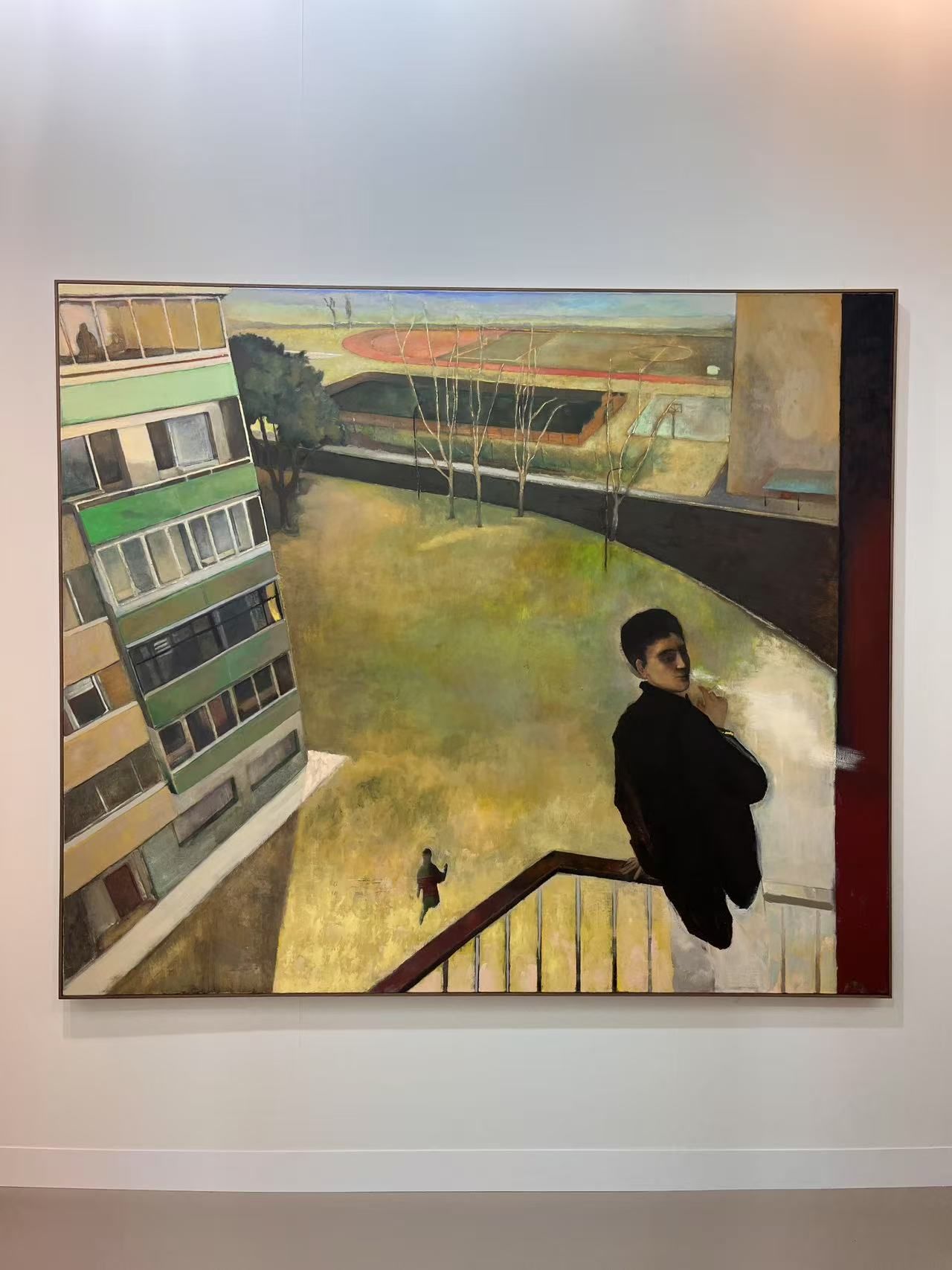
At Art Basel, Artist: Justin de Verteuil
- Mid‑Level / Regional Gallery Artists:
This tier is complex and diverse. For example, Igshaan Adams — a South African weaver represented at major exhibitions including Venice and São Paulo biennials and shown at MoMA — combines strong aesthetics with social depth across materials (rope, beads, metal, textile). For this tier, we advise looking at:
a. Conceptual Innovation (Creativity): e.g., Tishan Hsu, Wade Guyton, Jacqueline Humphries with forward‑looking ideas about human‑machine relations.
b. Execution: Given a good idea, how fully is it realized? Works by Robert Rauschenberg, for example, can feel unfinished due to their collage nature.
c. Practical Indicators: Price, institutional presence, exhibitions, publications.
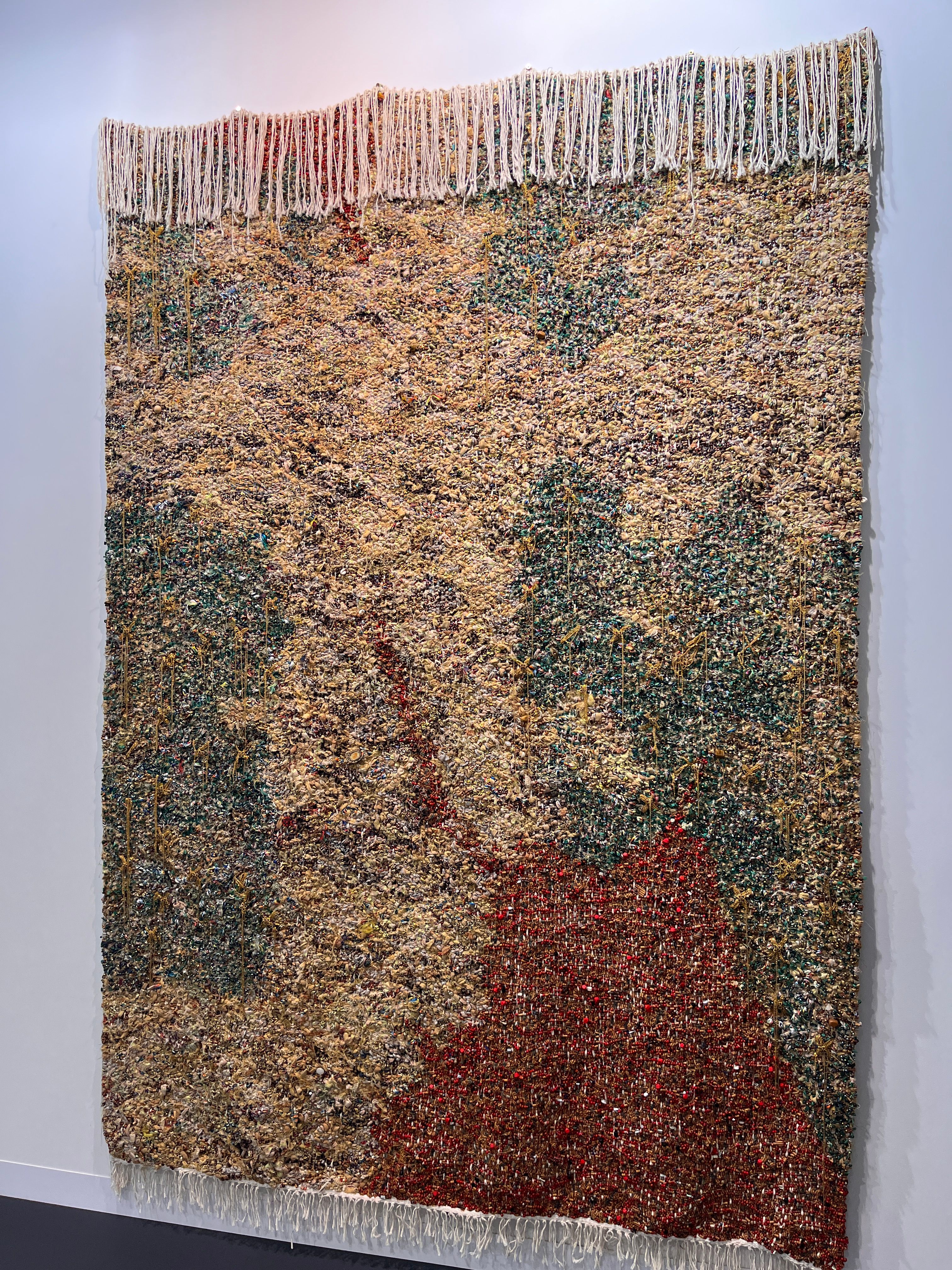
At Art Basel, Artist: Igshaan Adams
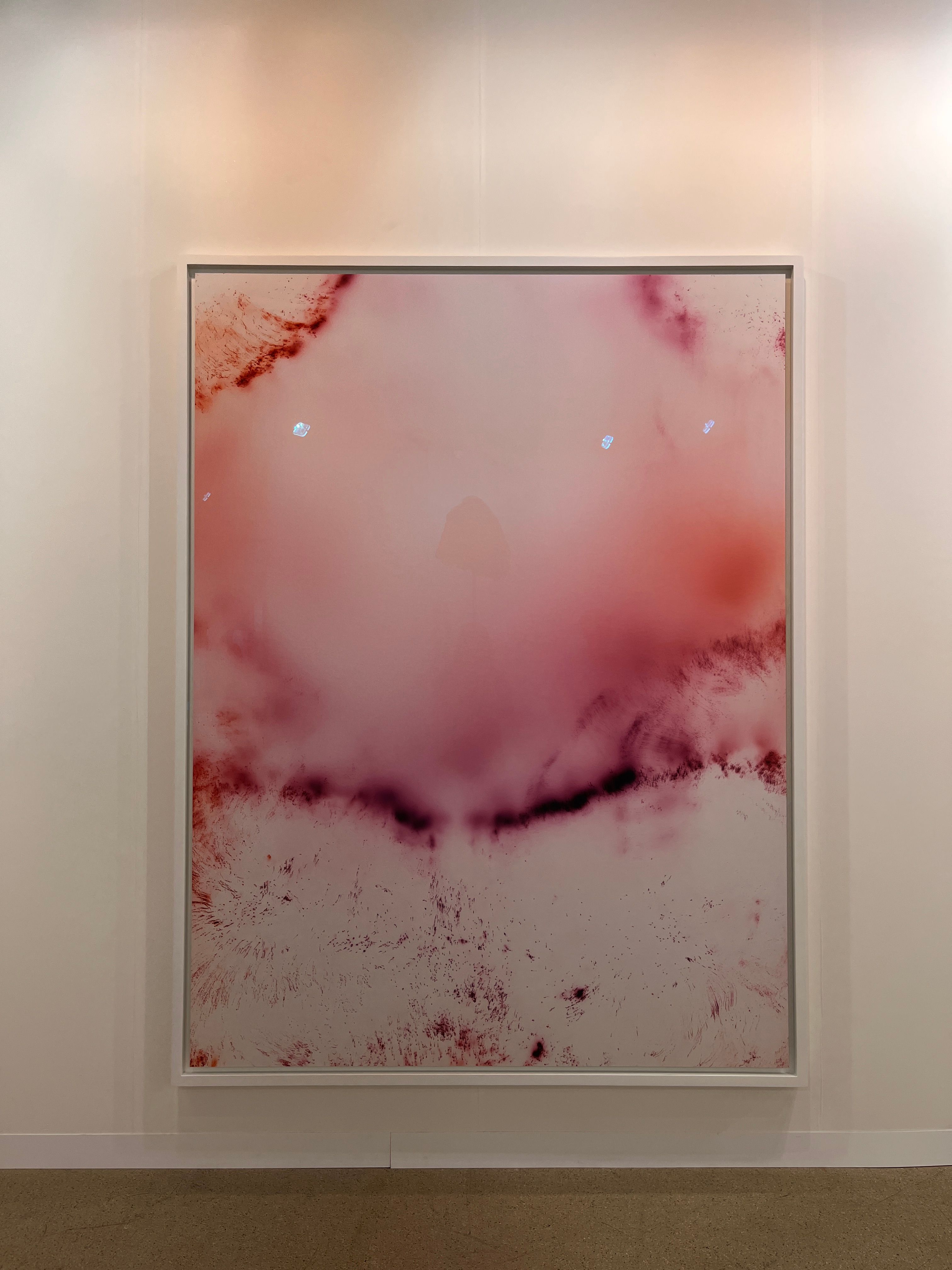
At Art Basel, Artist: Wolfgang Tillmans
- Blue‑Chip Artists:
Works over USD 1 million generally carry much lower risk. At this price, artists have often withstood multiple market cycles and can serve as anchors for major collectors. Major galleries consistently highlight blue‑chip artists with new work, maintaining freshness in market demand. Rudolf Stingel’s new London show, featured prominently at Gagosian’s booth, or frequent presentations of the late Fernando Botero’s estate are examples of blue‑chip strength.
In reality, the era when one could personally buy a Picasso painting for tens of thousands of dollars is long gone. Modern gallery systems — from Leo Castelli to Gagosian, from Rudolf Zwirner to David Zwirner — have professionalized commercial infrastructure, with New York as the center of the contemporary art world. Standardized market metrics now exist: where works have gone institutionally (MET, MoMA, Pompidou), what galleries represent them (Hauser & Wirth, Gagosian, David Zwirner, Pace), and who participates in major fairs — all serve as quantitative benchmarks.
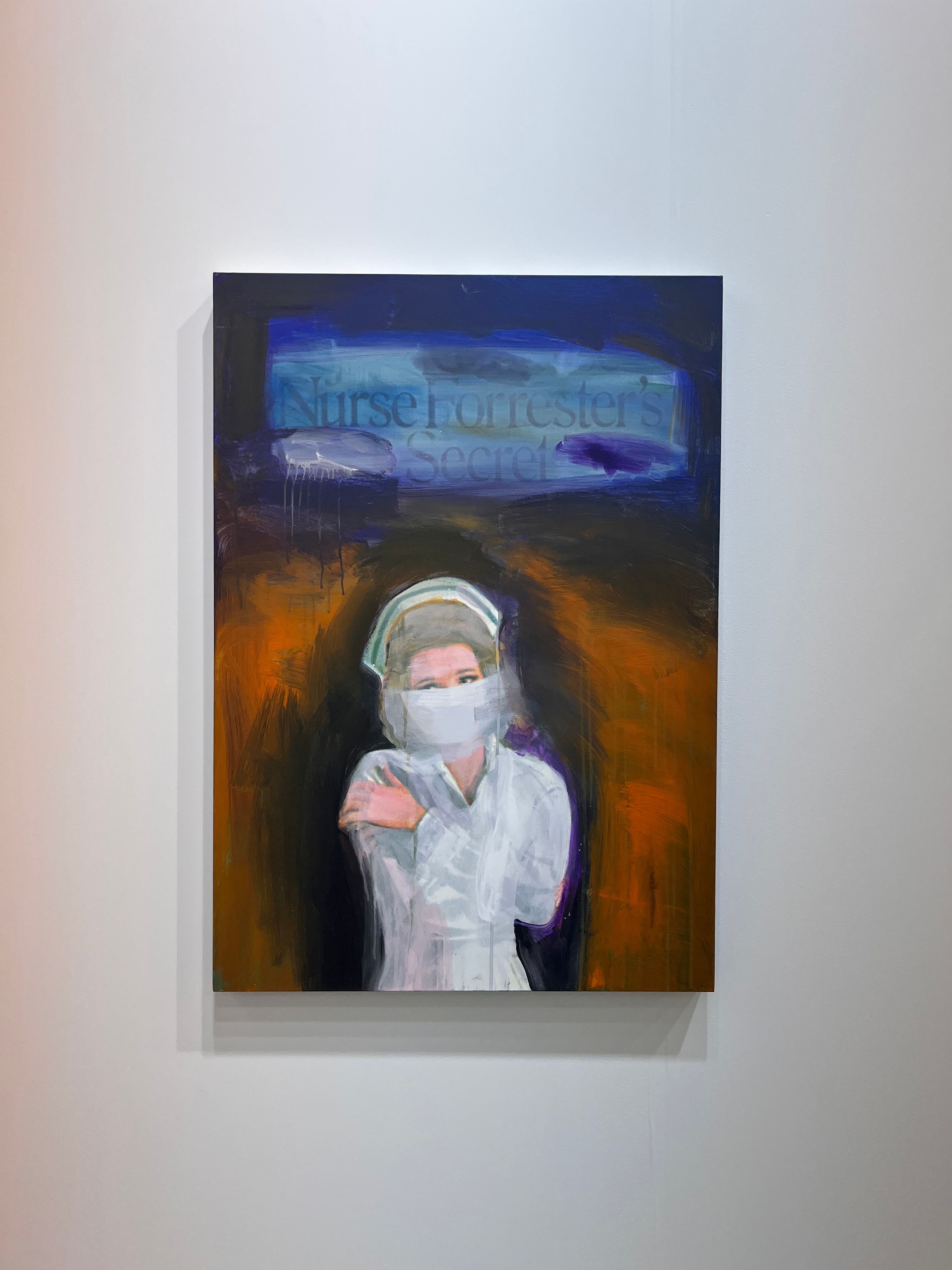
At Art Basel, Artist: Richard Prince
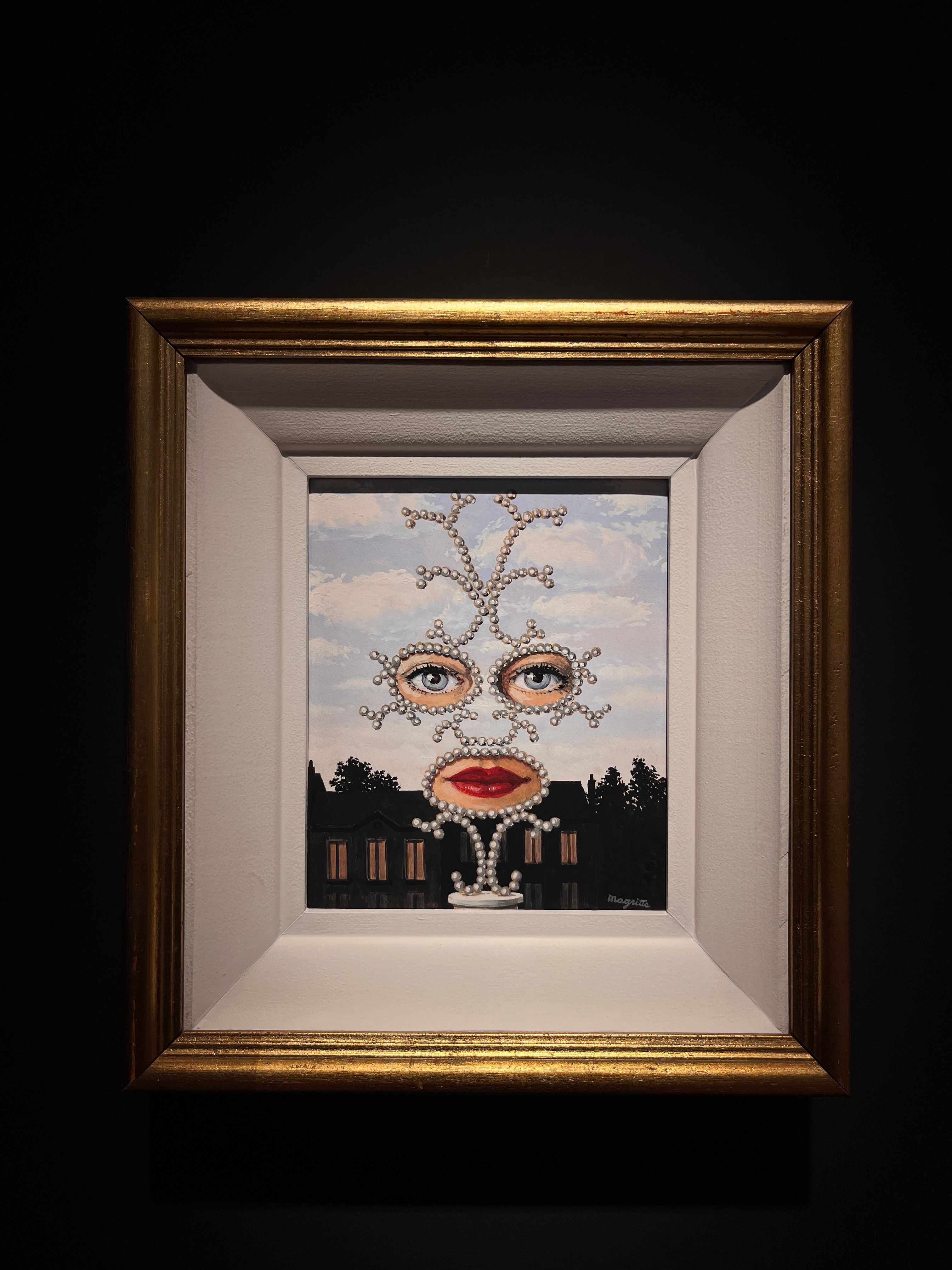
At Art Basel, Artist: René Magritte
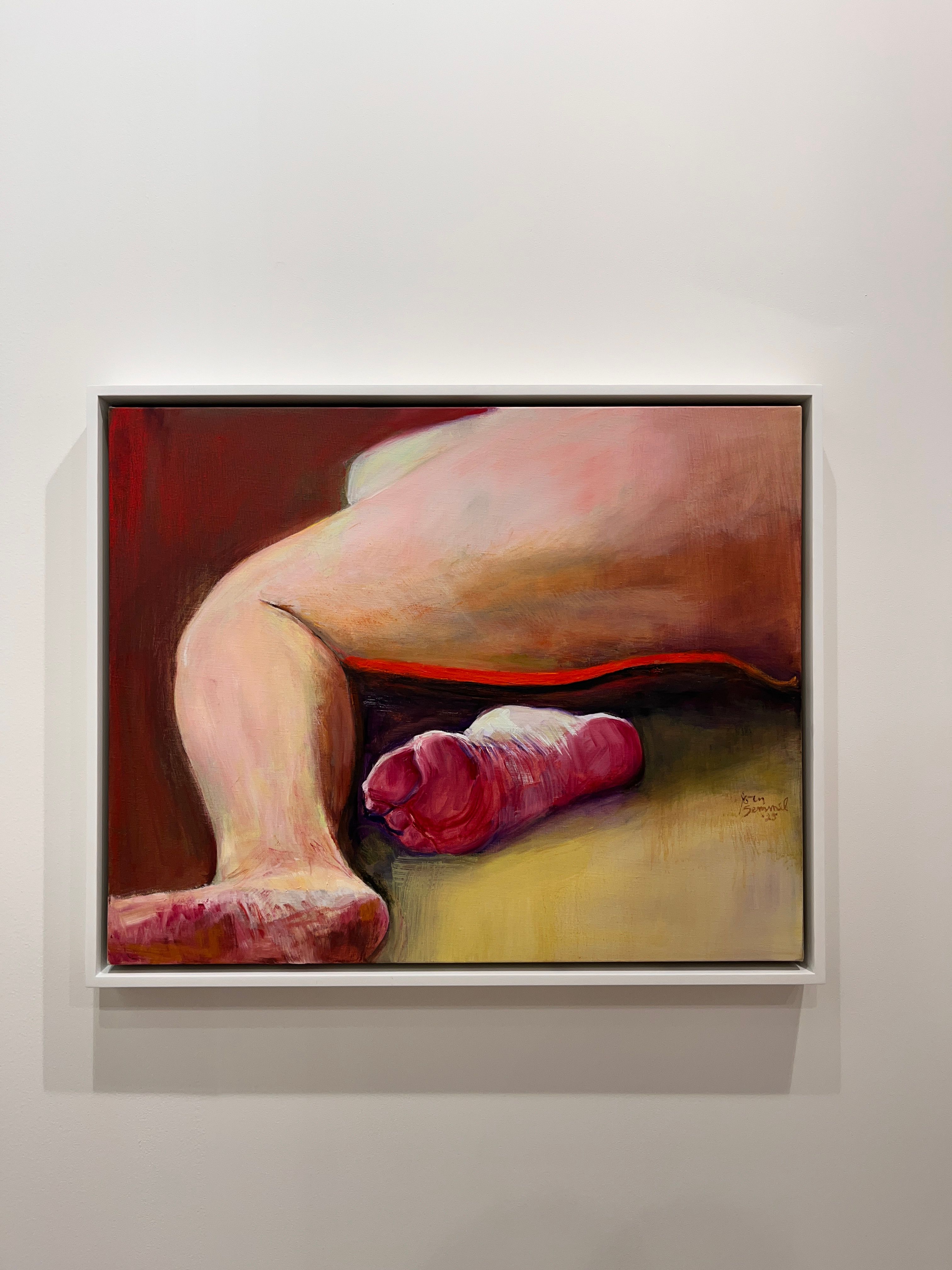
At Art Basel, Artist: Joan Semmel
3. East–West Collecting Divergence?
Over the past year we’ve observed that Chinese collectors’ attention and support for local artists has significantly increased, particularly for young, painterly artists such as Sun Yitian and Li Heidi; niche aesthetics like Li Ran and Chen Zuo; and artists with stronger Chinese stylistic influence like Ju Ting and Xue Ruo Zhe. These artists attract ongoing interest and some secondary demand. Mainland Chinese galleries at Basel include Magician Space, ShanghART, Beijing Commune, and Vitamin; galleries with extensive Chinese artist rosters, such as Urs Meile, also participate. Galleries from Greater China include Empty Gallery (Hong Kong), Kiang Malingue (Hong Kong), Tina Keng Gallery and Geng Gallery (Taiwan).
However, apart from Kiang Malingue and Empty’s pan‑Asian focus, most of these galleries attract primarily Chinese and Chinese diaspora collectors.
The world today is fragmented, and the art world is no exception. Economic growth tends to drive artistic vitality. After World War II, the shift of the world center to the U.S. coincided with social unity, innovation, and avant‑garde energy that propelled figures like Pollock, de Kooning, Rothko, and Richter. Similarly, China’s contemporary art boom in the early 21st century produced Zhang Xiaogang, Yue Minjun, and Zhang Enli.
During the pandemic, Chinese collectors were extremely enthusiastic about Western contemporary art, resulting in a market bubble; this was driven by homebound consumption emotions, rapid growth of trend art with short‑term financial returns, and policy instability that made Western contemporary art seem like an asset preservative.
Only now, in the post-pandemic period, has the situation changed again.
If last year was a time when people were afraid to enter the market—unsure what to buy and whether they should buy at all—then this year the attitude has shifted to: if we buy, we buy Chinese artists.
We are not discussing nationalism here; instead, we return to the art market itself. The reasons for this phenomenon can be analyzed as follows:
- When competing with Western collectors for works from major galleries, Chinese collectors are often not given priority. In other words, collectors who are highly valued in China lose any special status when facing international galleries. As luxury consumers, this sense of psychological imbalance can strongly affect the willingness to purchase non-essential goods.
- The prices of Chinese artists are still relatively low. Compared with artists represented by Western galleries (especially in New York), the gap is clear. For example, a post-90s artist represented by a mid-size New York gallery may be priced at USD 30,000–100,000 (RMB 200,000–1,000,000), while an artist of a similar generation represented by a Chinese gallery may be priced at around USD 5,000–50,000 (RMB 30,000–400,000). In addition, international shipping, customs duties, and other extra costs make buying Western contemporary art extremely expensive.
- Art is a product with strong social attributes. For a Chinese artist, their market mainly consists of Chinese collectors, galleries, and investors. The chance of building connections with these people—or becoming part of this circle—is far higher than becoming an “insider” among gallery owners and collectors in New York or California. As a result, much insider information is difficult to access, making early positioning almost impossible. Buying art then relies purely on personal judgment—unless one has a reliable advisor to work with.
Despite the shifts, we still believe Western contemporary and postwar art deserves attention, simply because strong works are more likely there and the market structure remains more systematic and stable.
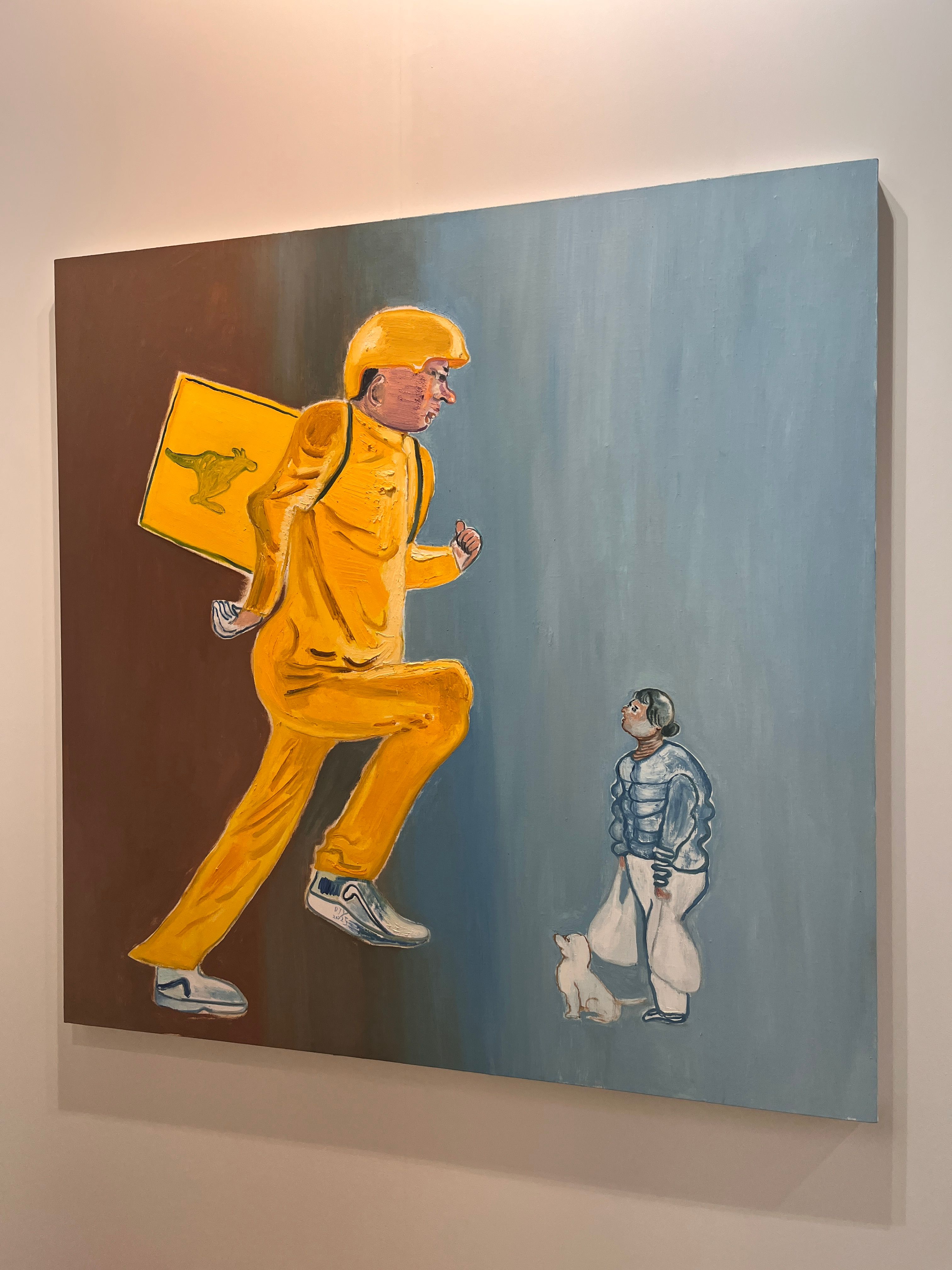
At Art Basel, Artist: Duan Jianyu
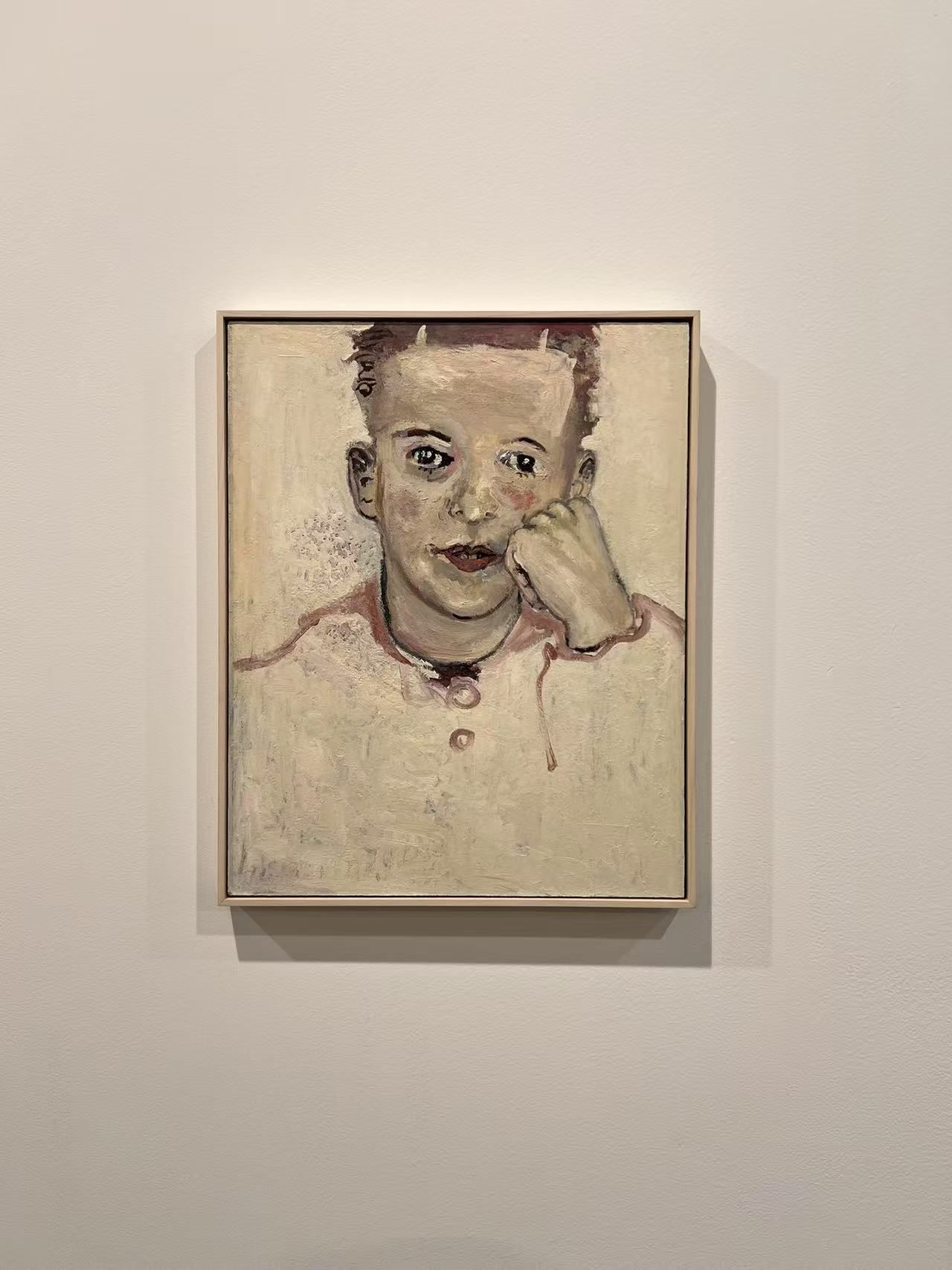
At Art Basel, Artist: Hannah van Bart
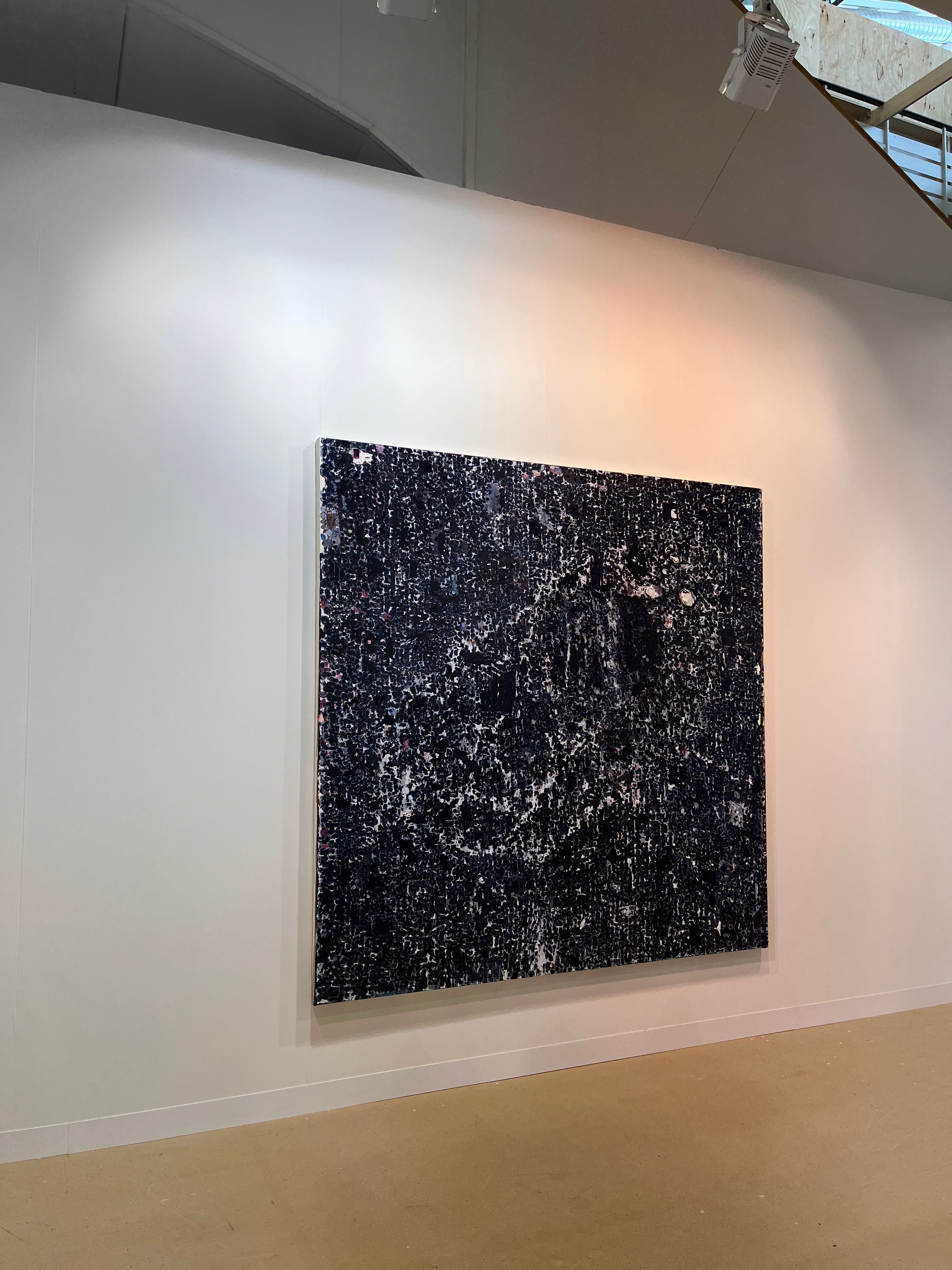
At Art Basel, Artist: Masanori Tomita
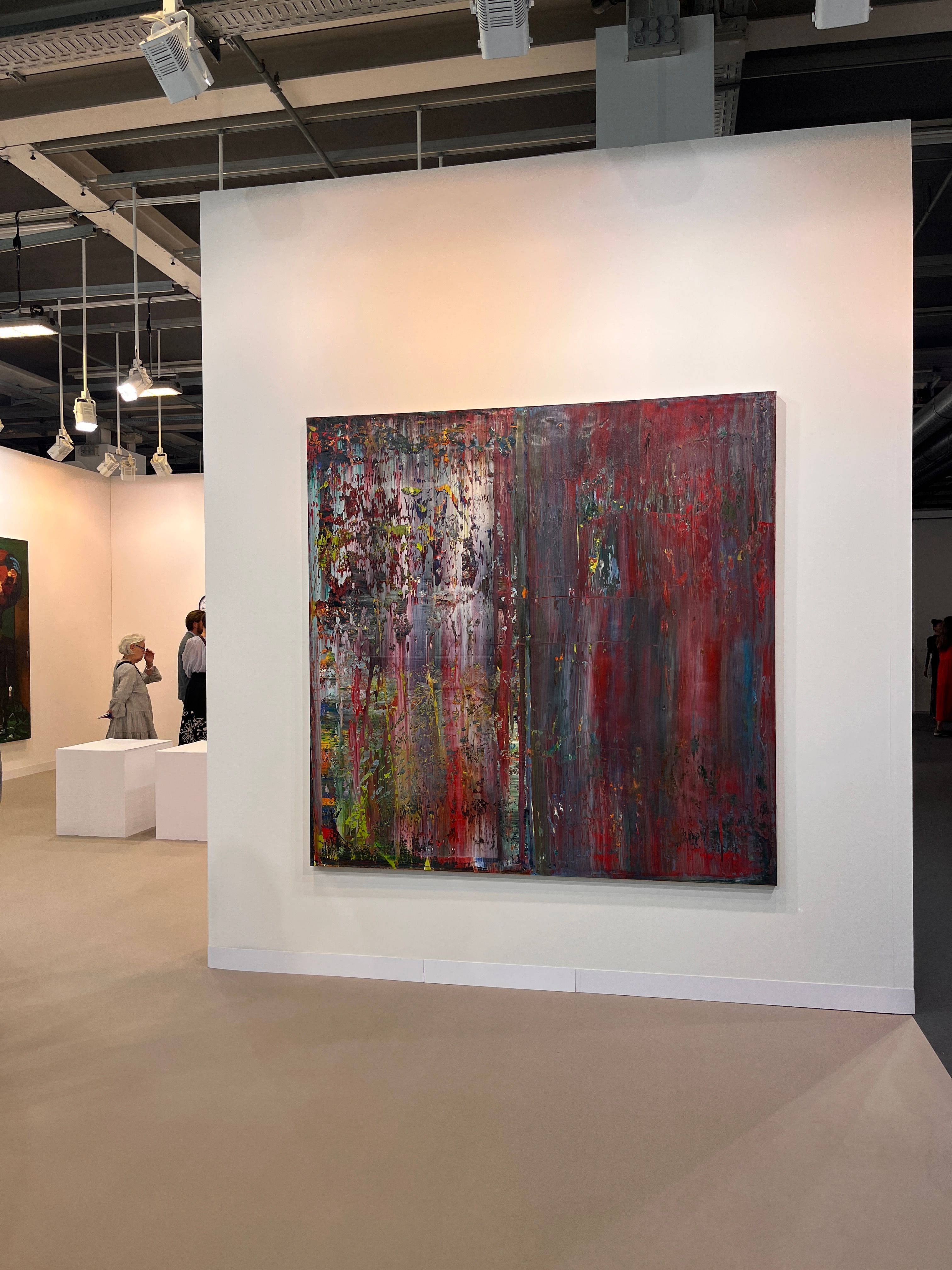
At Art Basel, Artist: Gerhard Richter
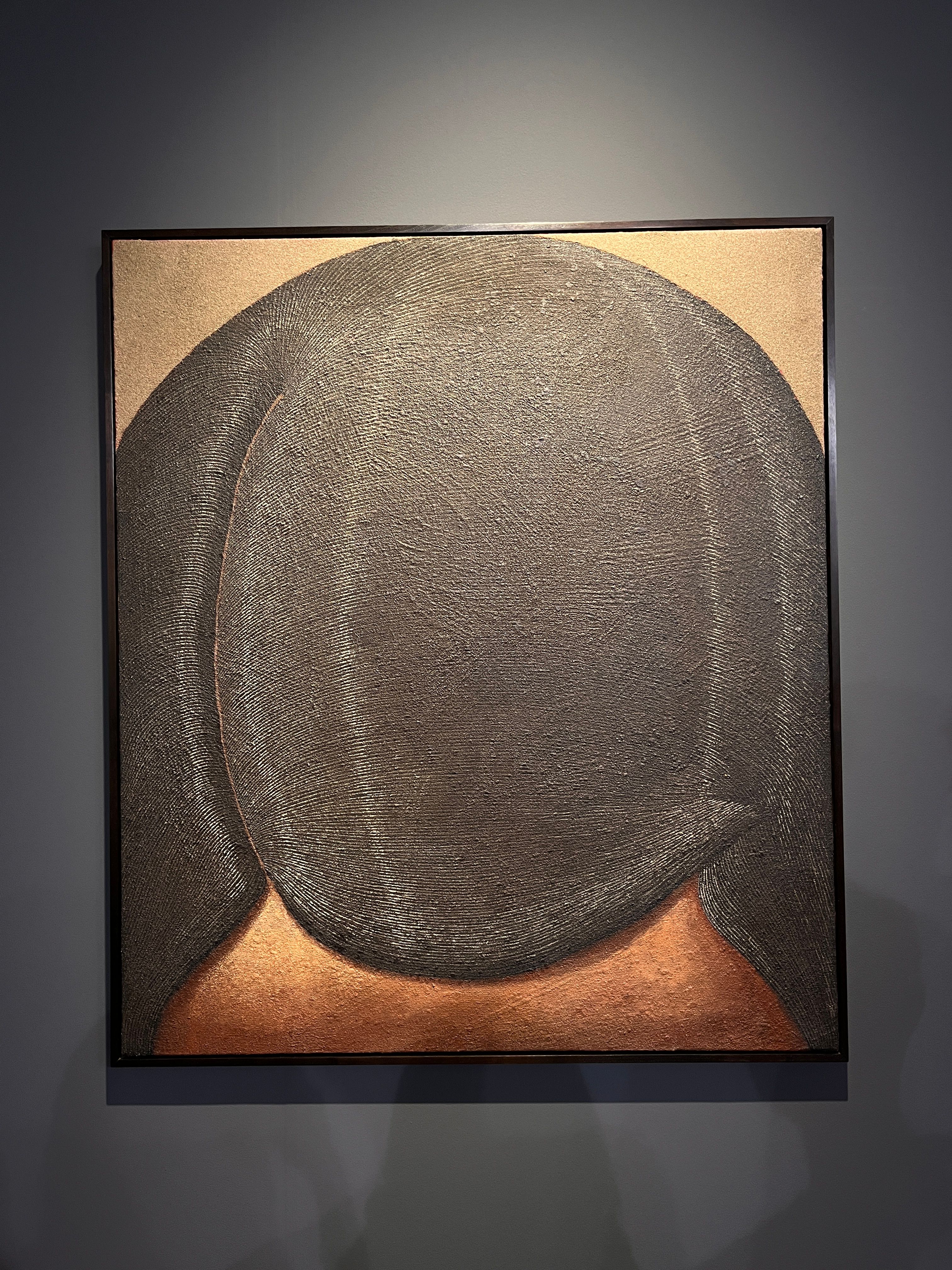
At Art Basel, Artist: Domenico Gnoli
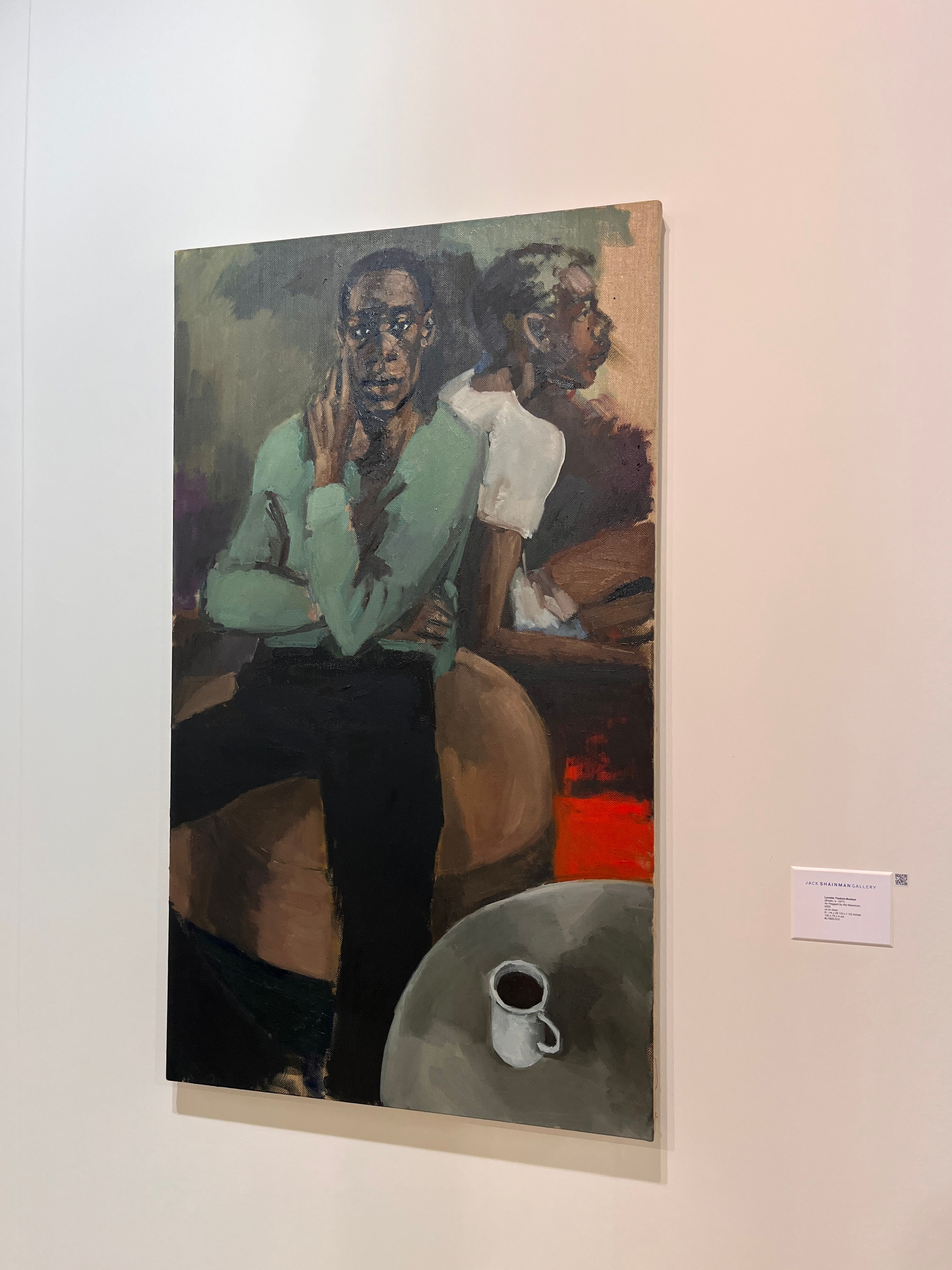
At Art Basel, Artist: Lynette Yiadom-Boakye