Buying at the Inflection Point:The Next Golden Phase of the Asian Artist Market
The success of Asian artists in the West stems from a deep understanding of tradition and a continuous exploration of innovation. Their creations are not mere imitations of history but the result of long contemplation, developing into a unique personal language. Their works engage in dialogue with art history while breaking from tradition, showcasing distinctive self-expression.
Despite the current lull in the global art market, the arrival of the London Autumn Sales and the European art fair season continues to draw collectors’ attention worldwide, all eager to encounter new works. Observing market dynamics over the past six months, we have noticed a clear shift: collectors are increasingly drawn to works that carry art-historical resonance—practices that “speak to the present through the past” are quietly gaining momentum.
In this context, we would like to introduce several artists who embody these qualities and are particularly worthy of close attention, with a focus on those working within Asian cultural frameworks.
Chinese and Asian diasporic artists often share a sense of cultural and historical affinity with Asian collectors, while simultaneously offering Western collectors and institutions an imaginative encounter with other geographies and lived experiences. This new wave of interest in Asian art is unfolding subtly yet decisively across the art world. If the Superflat movement of the early 2000s once made a forceful entry into Western art discourse, today’s moment resembles something closer to cultural convergence—an organic outcome of exchange rather than invasion.
Reina Sugihara
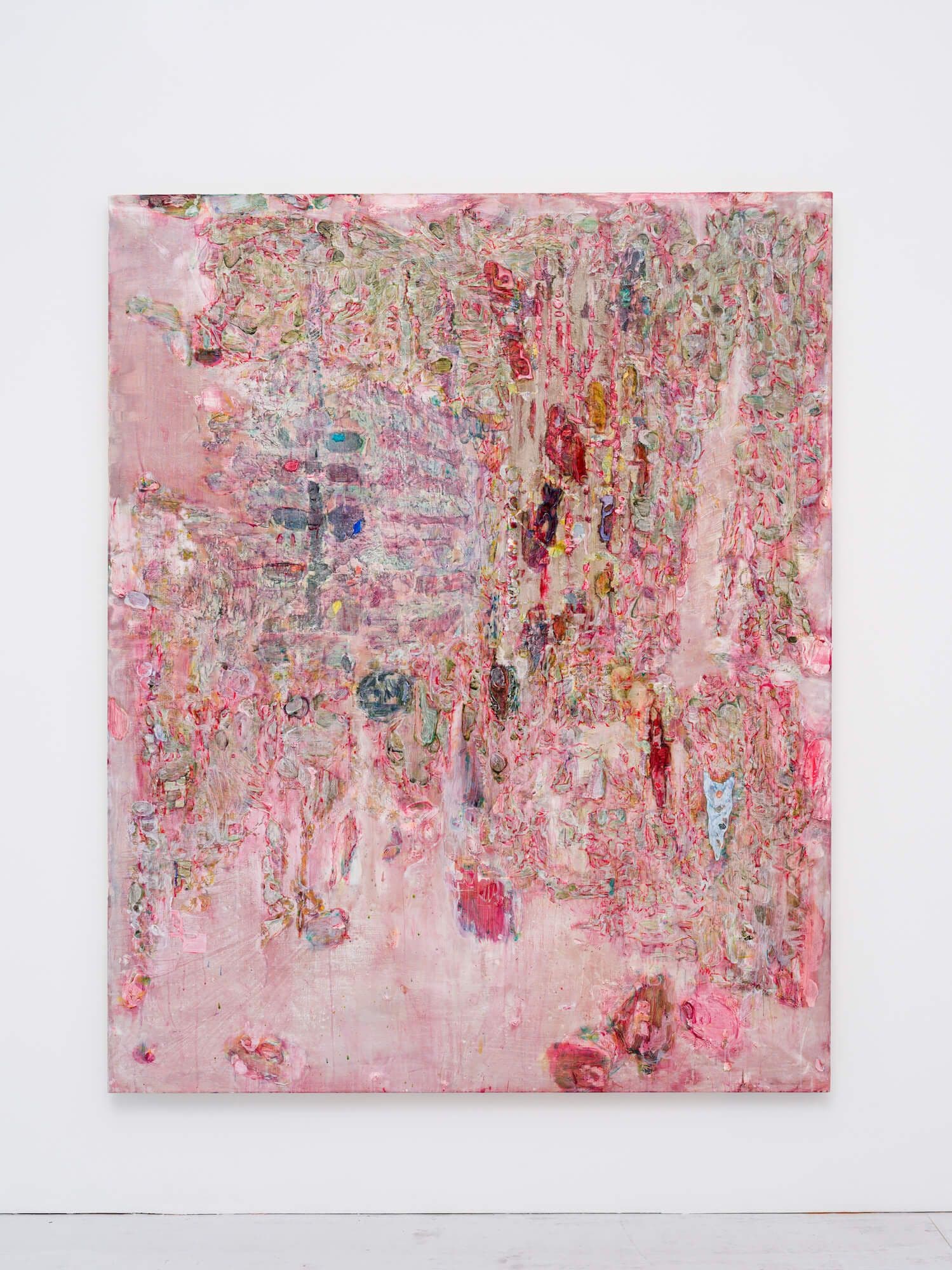
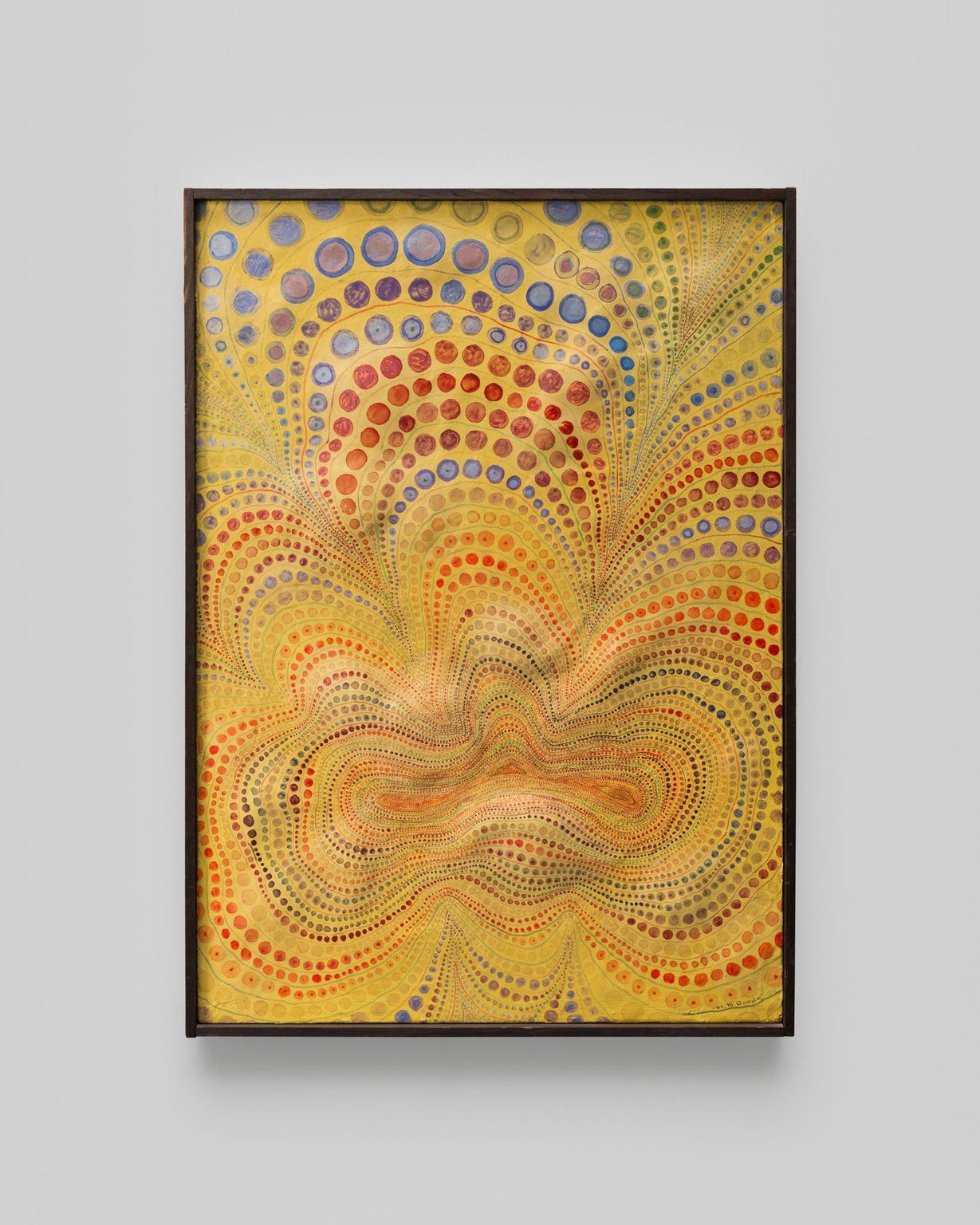
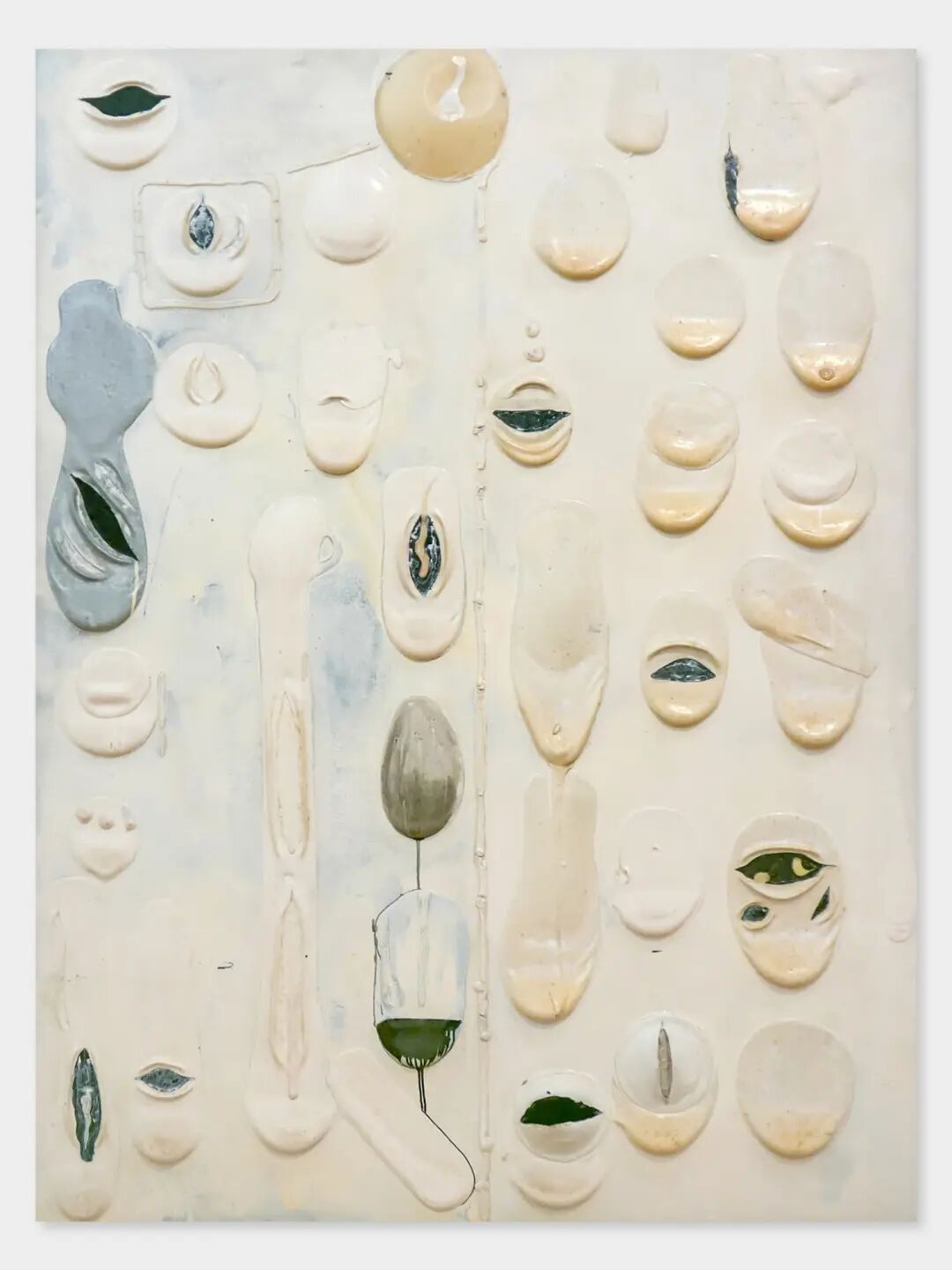
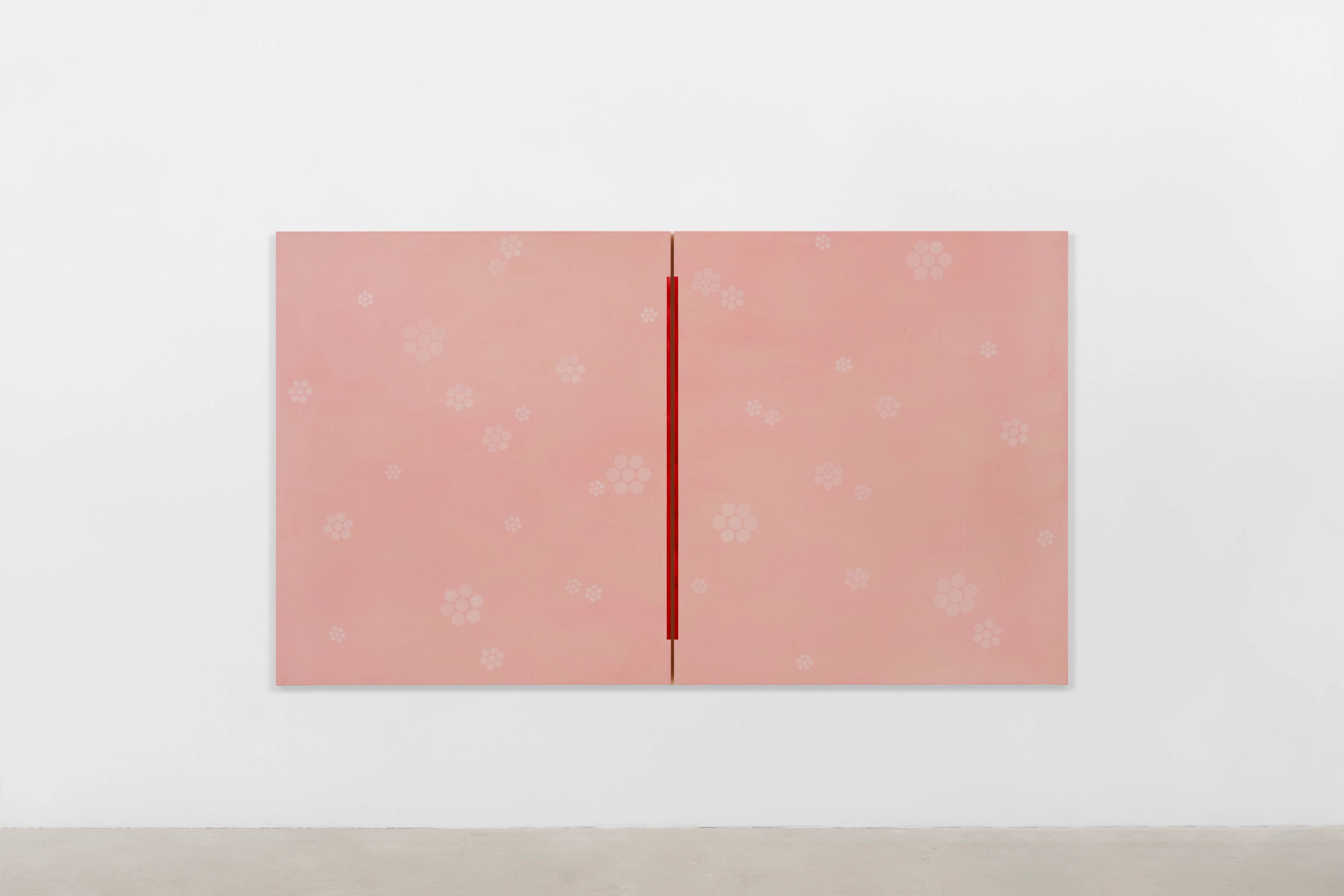
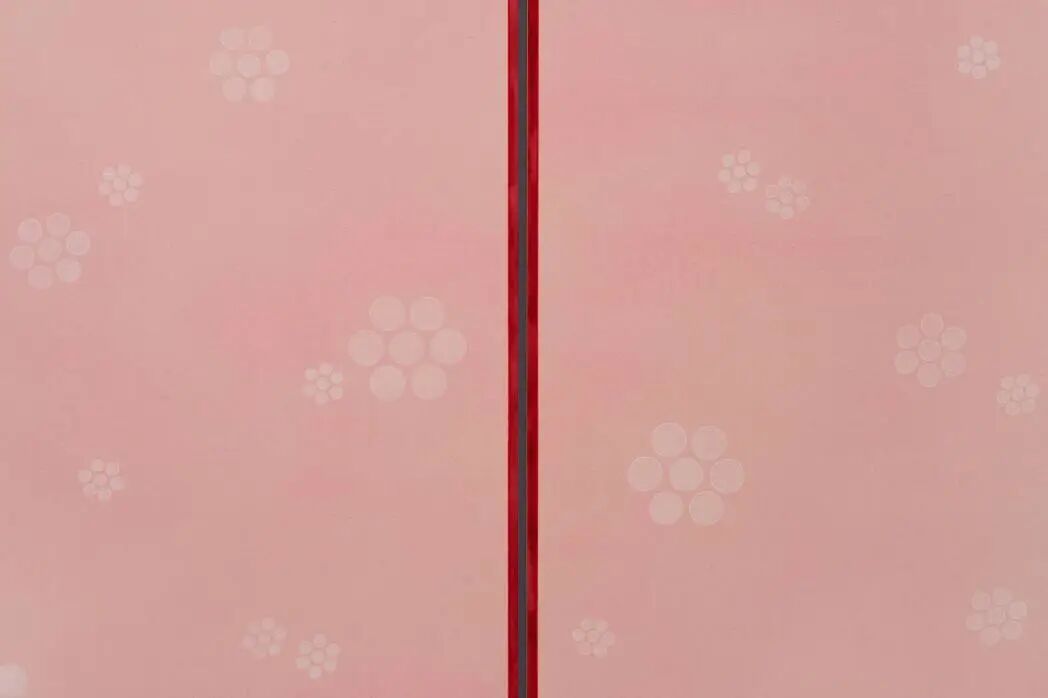
Reina Sugihara drew significant attention with her solo exhibition at Empty Gallery in Hong Kong late last year. Her works possess a viscous, suspended quality, evoking what might be described as a “tactile moment.” Working with a sculptural sensibility, she produces paintings that often take months or even years to complete, emerging through prolonged processes of layering and experimentation.
What particularly resonates is her nuanced engagement with Gutai—not a superficial stylistic resemblance, but a deeper commitment to material, process, and spirit. Rather than indulging in deliberate historic imitation, she conducts experimental painting through bodily gestures and dense materiality, employing traditional techniques as sites of inquiry. In interviews, she has also spoken about Mono-ha, noting: “Although my work looks very different from Mono-ha artists, I believe I am influenced by their attitude toward ‘things.’ Mono-ha sought to explore the relationship between materials and their environments, presenting materials in as unprocessed a state as possible.”
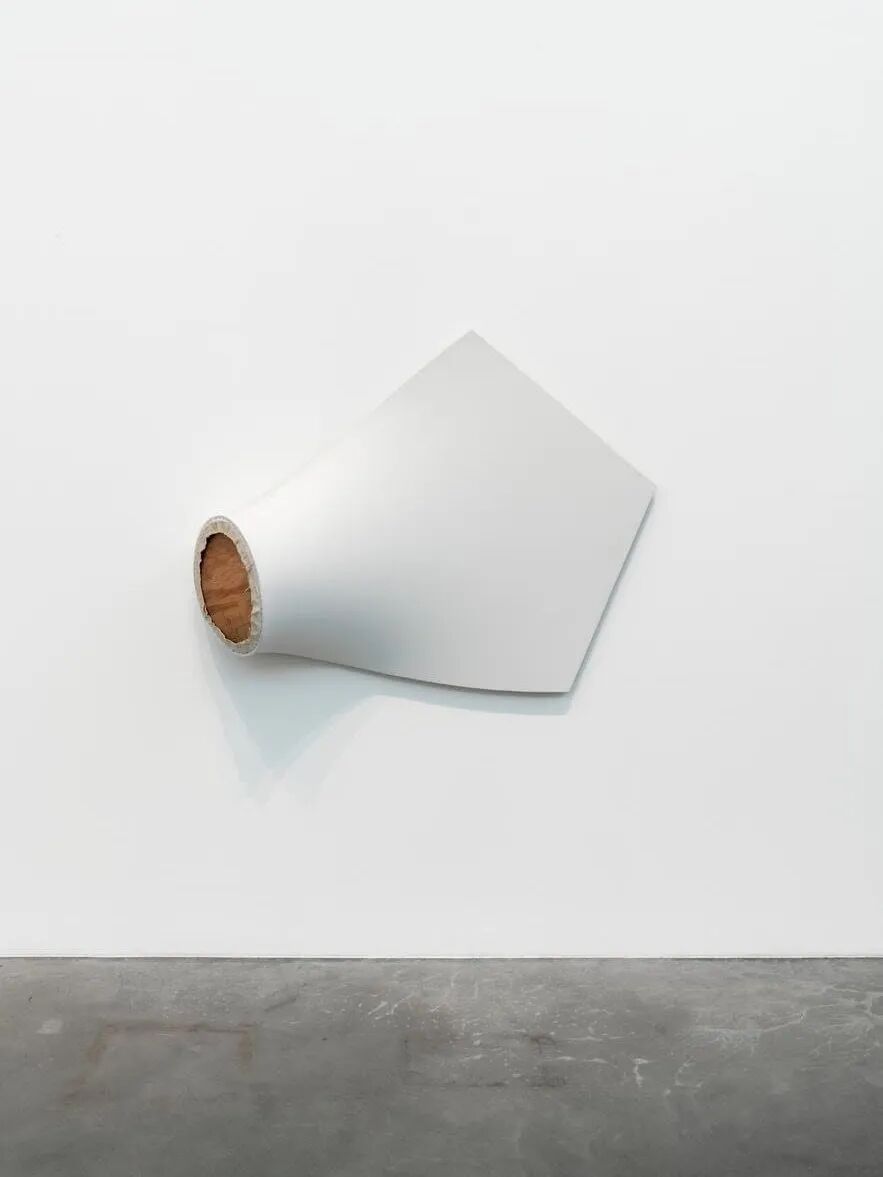
Her arcing lines recall Minoru Onoda’s semicircular relief paintings with polka-dot motifs, as well as Takesada Matsutani’s organic relief works made with vinyl adhesive in the 1960s. At first glance, Sugihara’s paintings could be mistaken for the rediscovered works of an overlooked Gutai artist. Her connection to Mono-ha also brings to mind Nobuo Sekine’s Airpipe C series from the late 1960s—both employing shallow relief to articulate the relationship between material and object through minimalist means.
From a market perspective, Sugihara has held solo and group exhibitions over the past two years across Asia (Hong Kong), Europe (Vienna), and the United States (New York), and is currently presenting a solo exhibition in London during Frieze. We have continued to assist clients in acquiring her works.
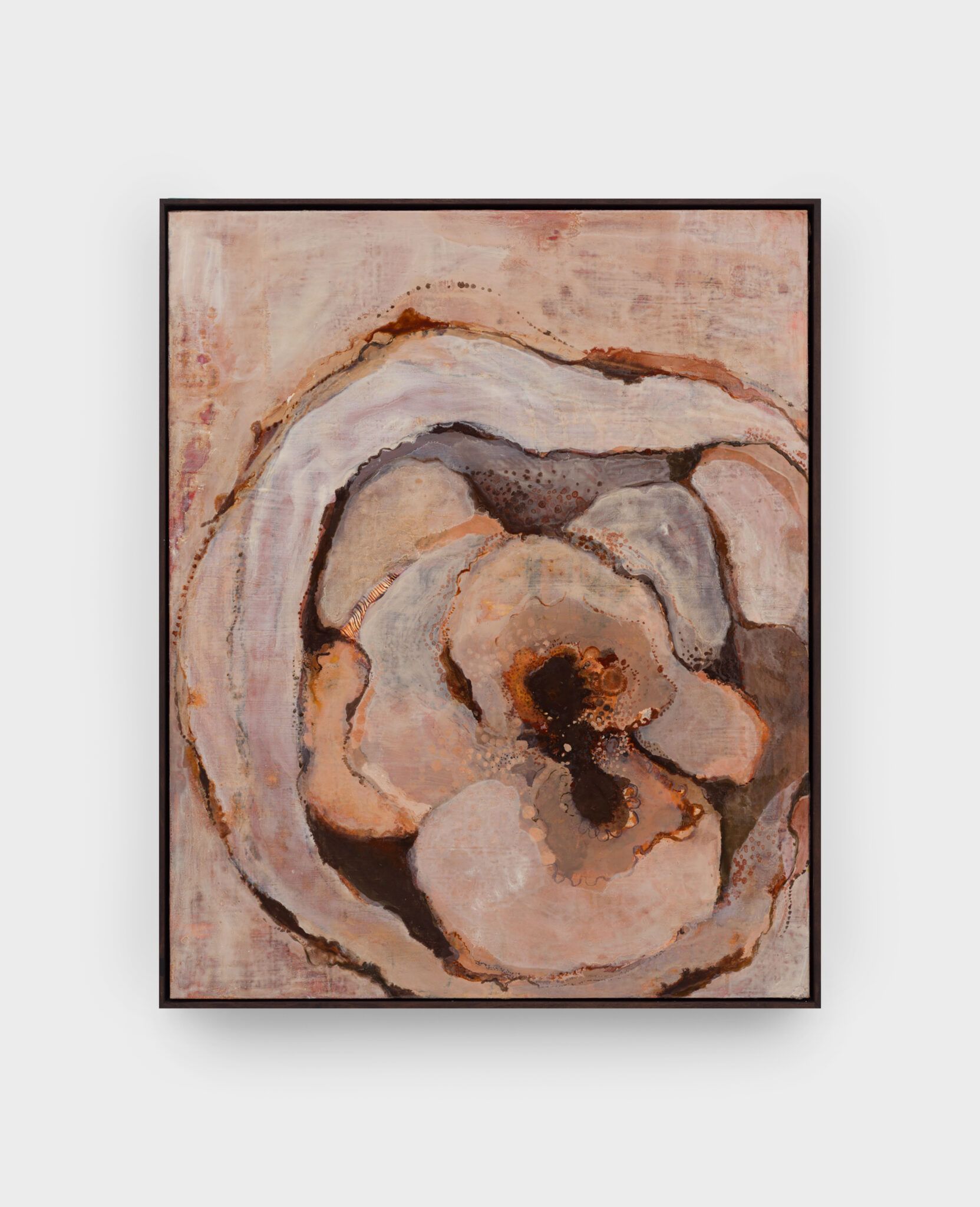
Reina Sugihara, Untitled, 2025
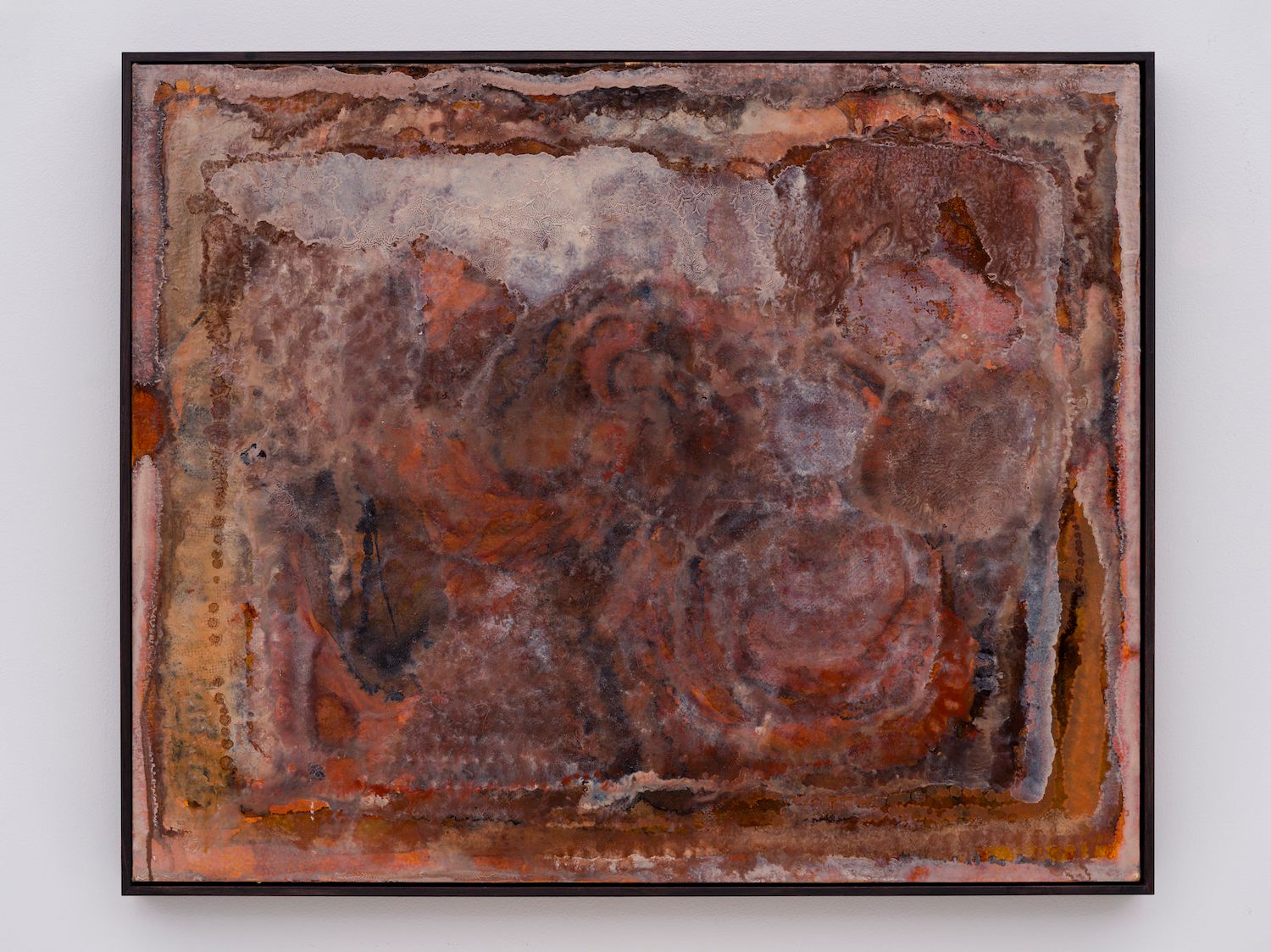
Reina Sugihara, Foggy, 2024
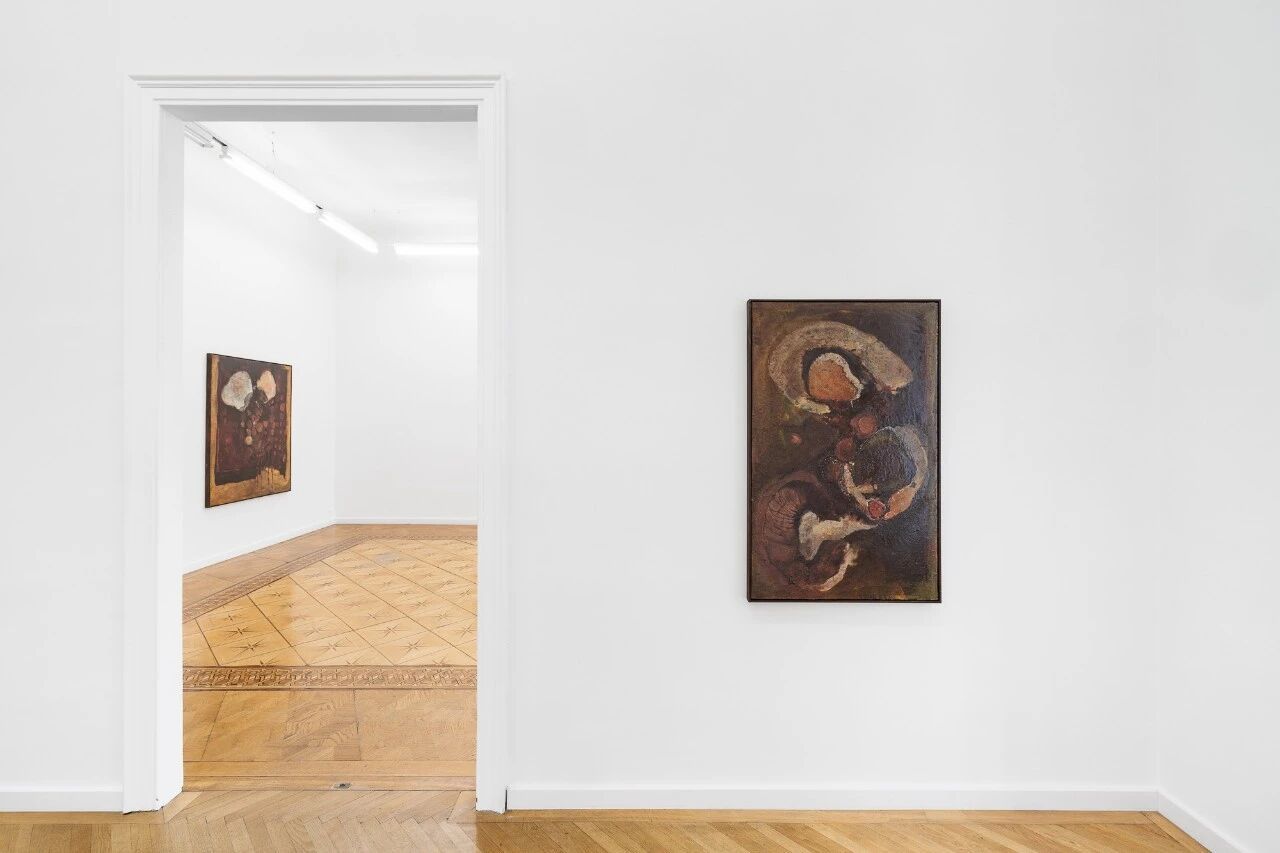
Reina Sugihara, Spring Room (solo exhibition), Arcadia Missa Gallery, Vienna, 2025
Hanna Hur
Hanna Hur is a Korean-American artist whose practice is built upon an intense, sustained engagement with time, vision, and tactility through highly meticulous painting. In earlier interviews, she has spoken of her affinity for long-term repetitive labor, a connection that often brings Agnes Martin to mind. Yet the relationship extends beyond visual similarity.
“If you look closely at my paintings, you can see the presence of my hand in every brushstroke,” Hur has said. “Although the surfaces appear precise, they are full of subtle irregularities.” Her aim is to create a new form of softened hard-edge painting. The repeated act of drawing grids becomes a meditative process—an effort to clear the mind through sustained, methodical action.
Beyond Agnes Martin, Hur has also cited On Kawara as a conceptual influence. Like Kawara, she understands artistic practice as a way of life. She is drawn to his repeated declarations of time, particularly the continuity embedded in his Date Paintings, which lends his work its profound intensity. This sense of sustained drive—this commitment to duration—connects both artists.
In October 2025, Hur will present a dedicated gallery space featuring a five-work series in Made in L.A. at the Hammer Museum in Los Angeles. Her works have already been actively acquired by MoMA, LACMA, and the Hammer Museum. Her first solo exhibition in Asia is expected to take place in Hong Kong next year.
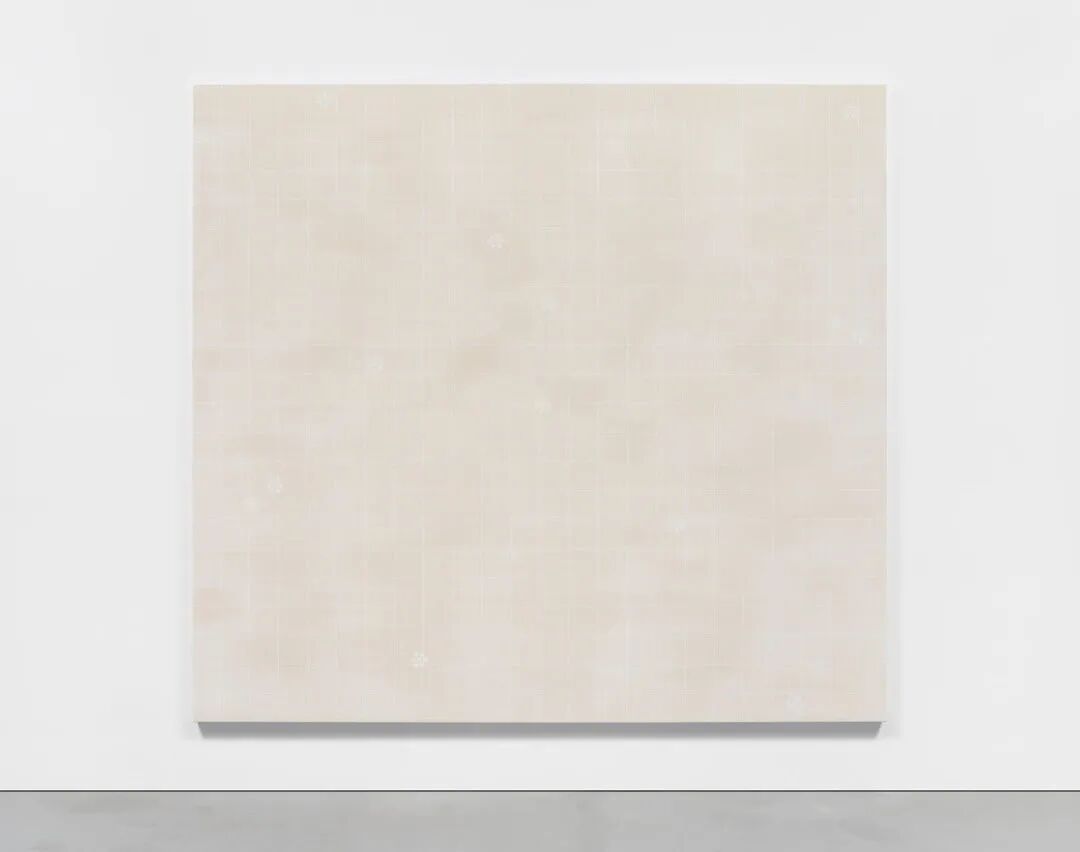
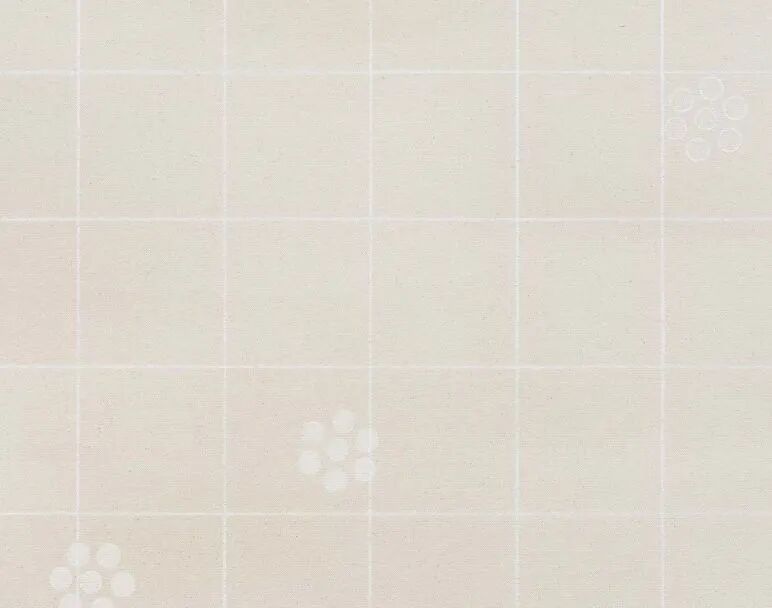
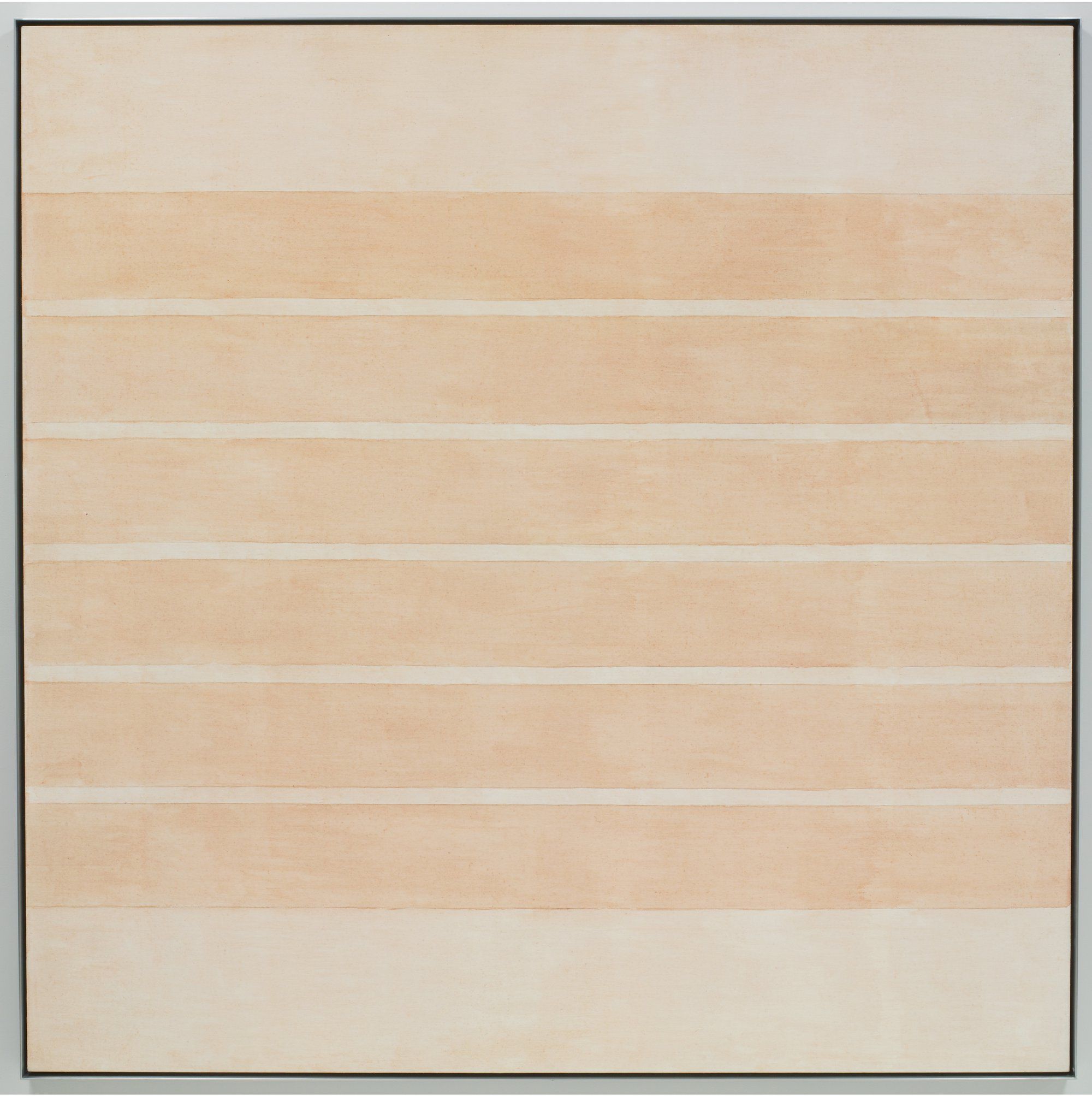
Agnes Martin, Untitled #10, 2002
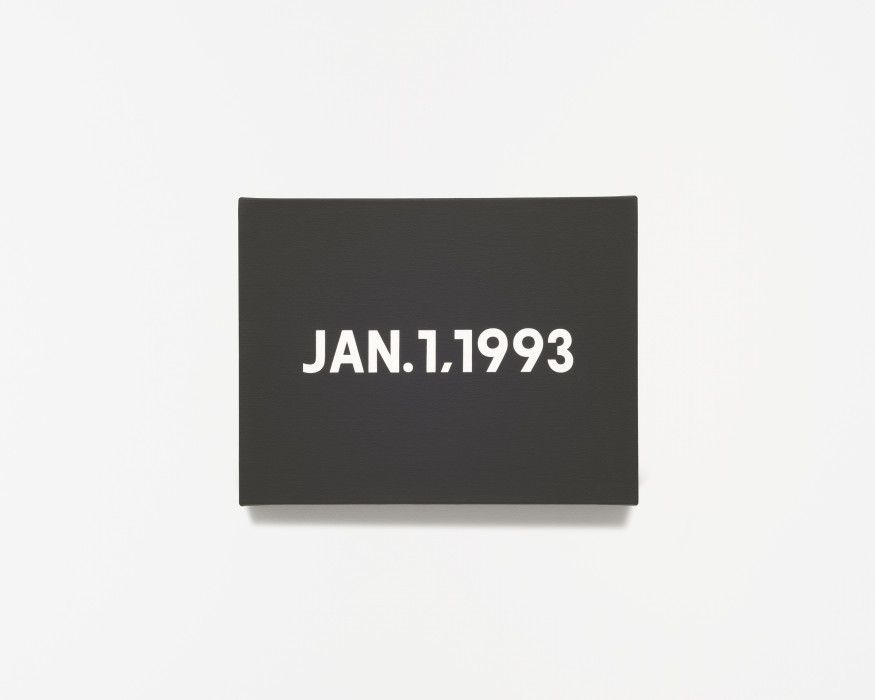
On Kawara, JAN. 1, 1993
Li Fangzhi
Li Fangzhi was the only female artist among the May Fifth Movement. She studied under Chu Teh-Chun and, upon his recommendation, traveled to Paris in 1959 to study at the École des Beaux-Arts. During this period, she met her future husband; they later married, raised a family, and eventually settled in Switzerland, where she remained until her passing.
Together with artists such as Liu Guosong, Li co-founded the May Fifth Society, which remains a pivotal chapter in postwar Asian abstract painting. In recent years, scholarly interest in postwar female abstraction has grown significantly. Laura Smith, then curator at Whitechapel Gallery (formerly of Tate), organized the exhibition Action, Gesture, Paint: Women Artists and Global Abstraction 1940–70, which included several early works by Li Fangzhi.
Hong Kong’s M+ museum, long attentive to postwar Asian art, has also begun acquiring her works. Compared with her male contemporaries from the May Fifth group—such as Chuang Che, Feng Zhongrui, and Yang Yingfeng—female artists historically received limited attention. However, as global institutions continue to reassess postwar women artists, figures such as Lynne Drexler, Martha Jungwirth, Emmi Whitehorse in the West, and Asian-descended artists like Bernice Bing and Kim Lim have been the subjects of major exhibitions at leading museums and galleries.
Notable examples include Martha Jungwirth’s 2024 exhibition at the Guggenheim Bilbao and Kim Lim’s forthcoming solo exhibition Pillow Water, Rinse Stone at UCCA Dune. Li Fangzhi is well positioned to receive similar recognition in the near future.
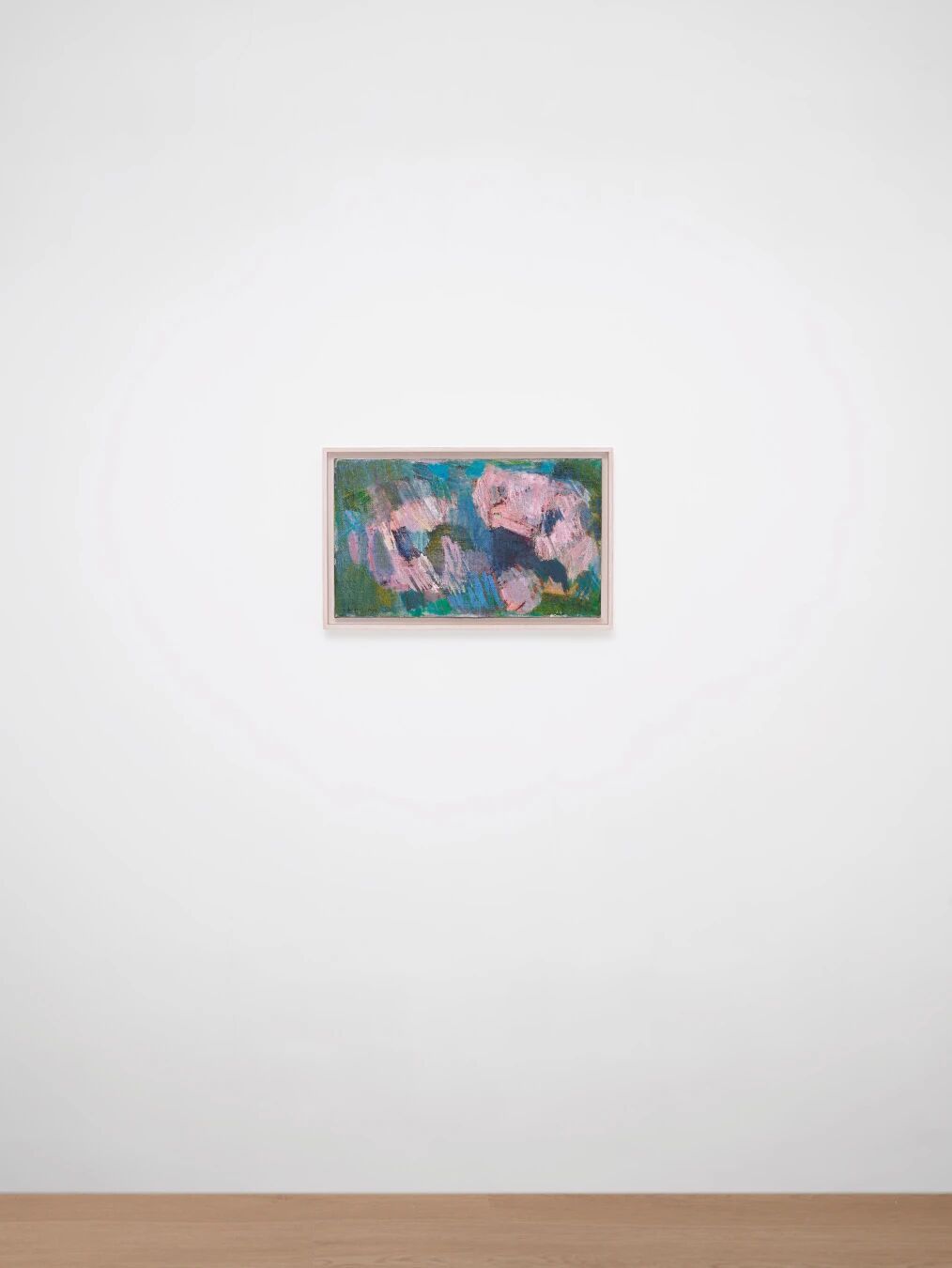
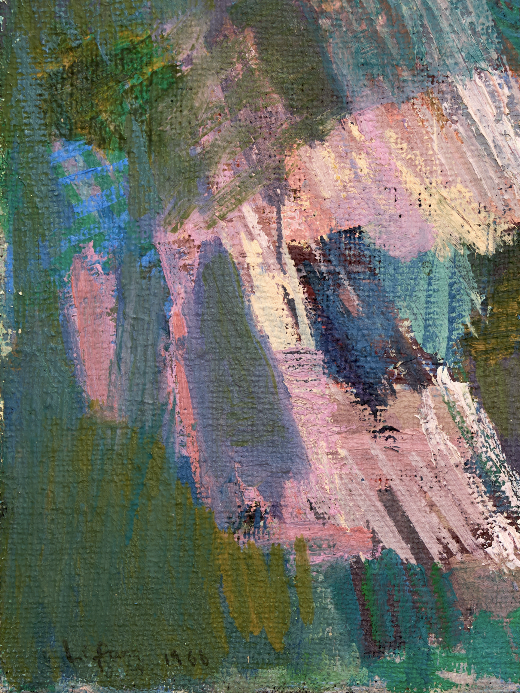
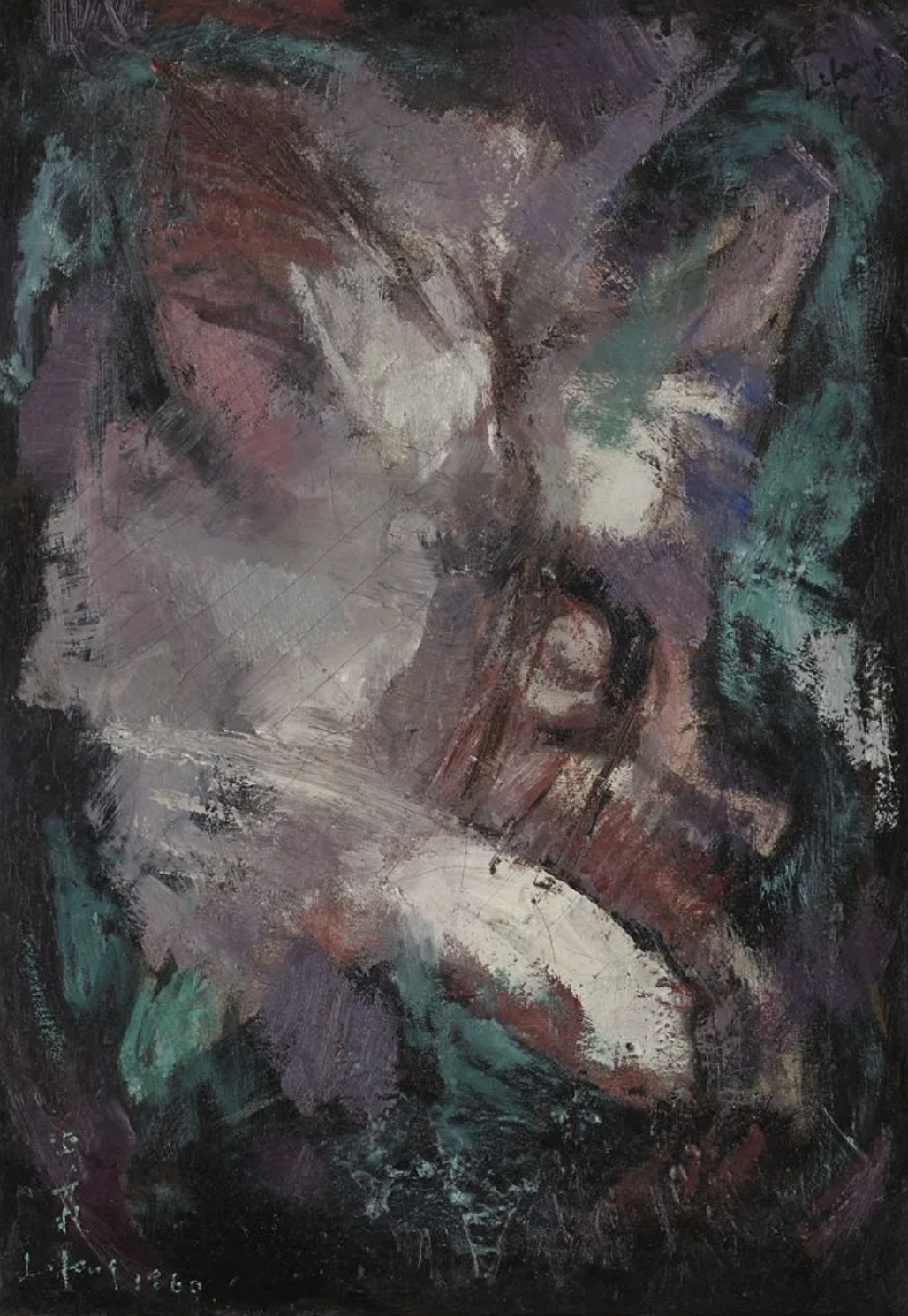
Li Fangzhi, Untitled (Three Kingdoms War), 1960, collection of M+, Hong Kong
Massanori Tomita
Massanori Tomita’s works are characterized by richly layered surfaces and complex, luminous imagery. His practice is deeply connected to postwar Japanese art’s intense engagement with materiality, while simultaneously opening new possibilities for contemporary abstraction. Using resin, oil paint, and ink, his layered materials lend the surfaces a jewel-like sheen.
I vividly recall his presentation at Art Basel Switzerland this year, where his entire booth consisted of floor-based installations. Their surfaces shimmered with a lacquer-like brilliance reminiscent of traditional Chinese lacquerware—rich in color yet never heavy, ornate yet restrained, achieving a balanced and composed aesthetic. The booth also included the artist’s sketches and notebooks, revealing that despite the abstract appearance of his work, his practice is grounded in an effort to merge the drawn world of his studies with abstraction.
Each time new works by Tomita are released, they sell out almost instantly. Even in a relatively subdued market, his work has demonstrated remarkable commercial momentum.
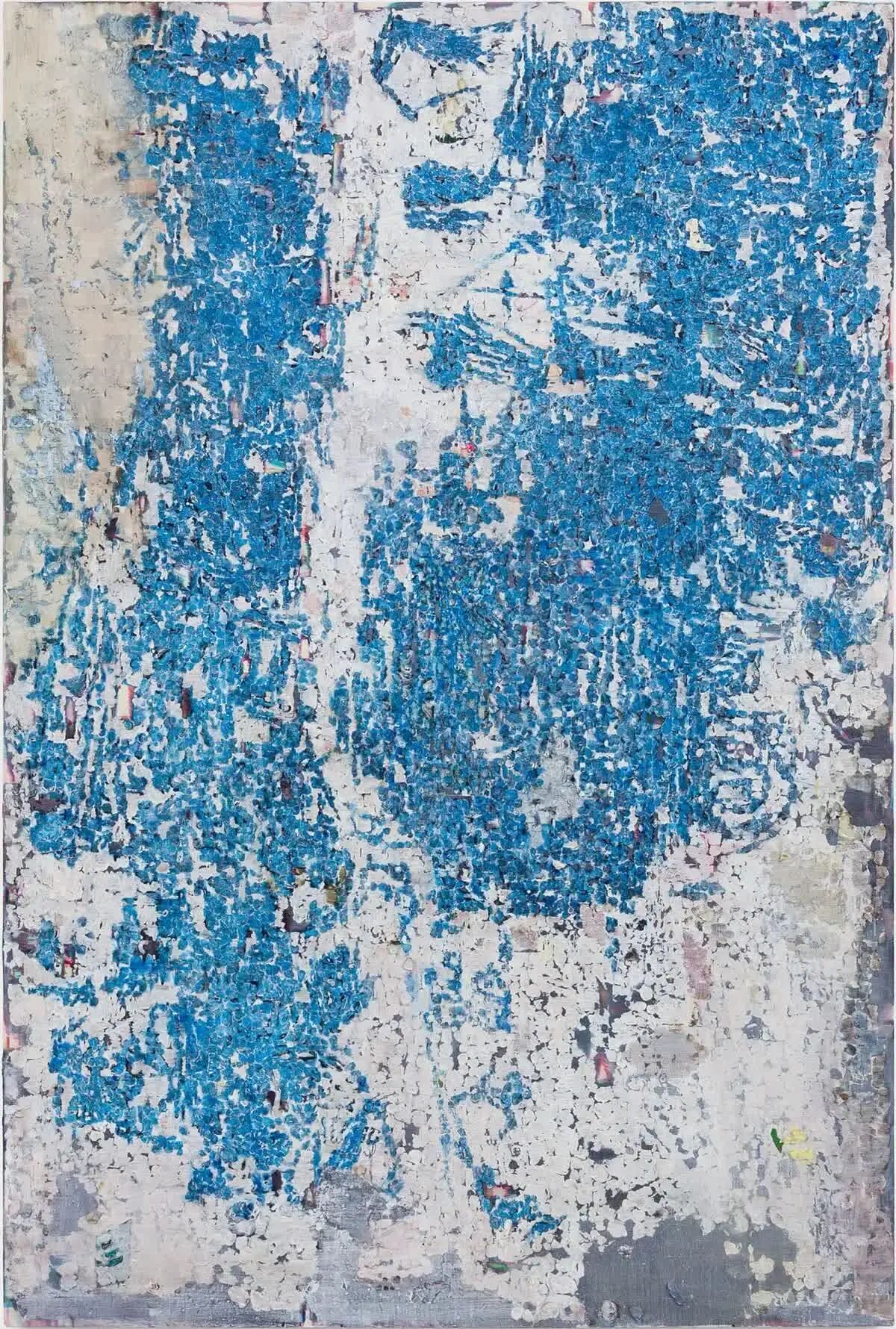
Massanori Tomita , Occupy, 2025
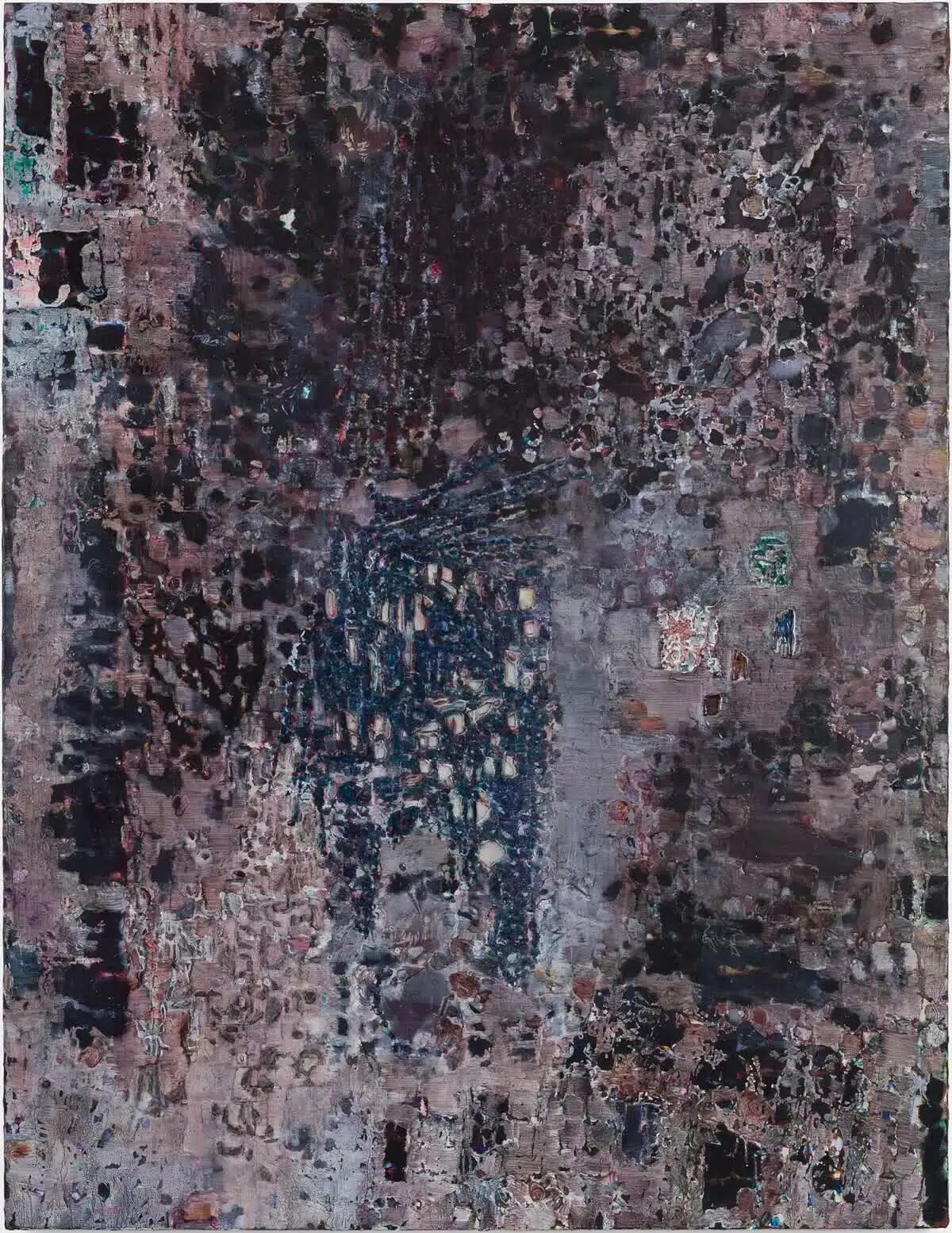
Massanori Tomita , Silver Paper, 2025
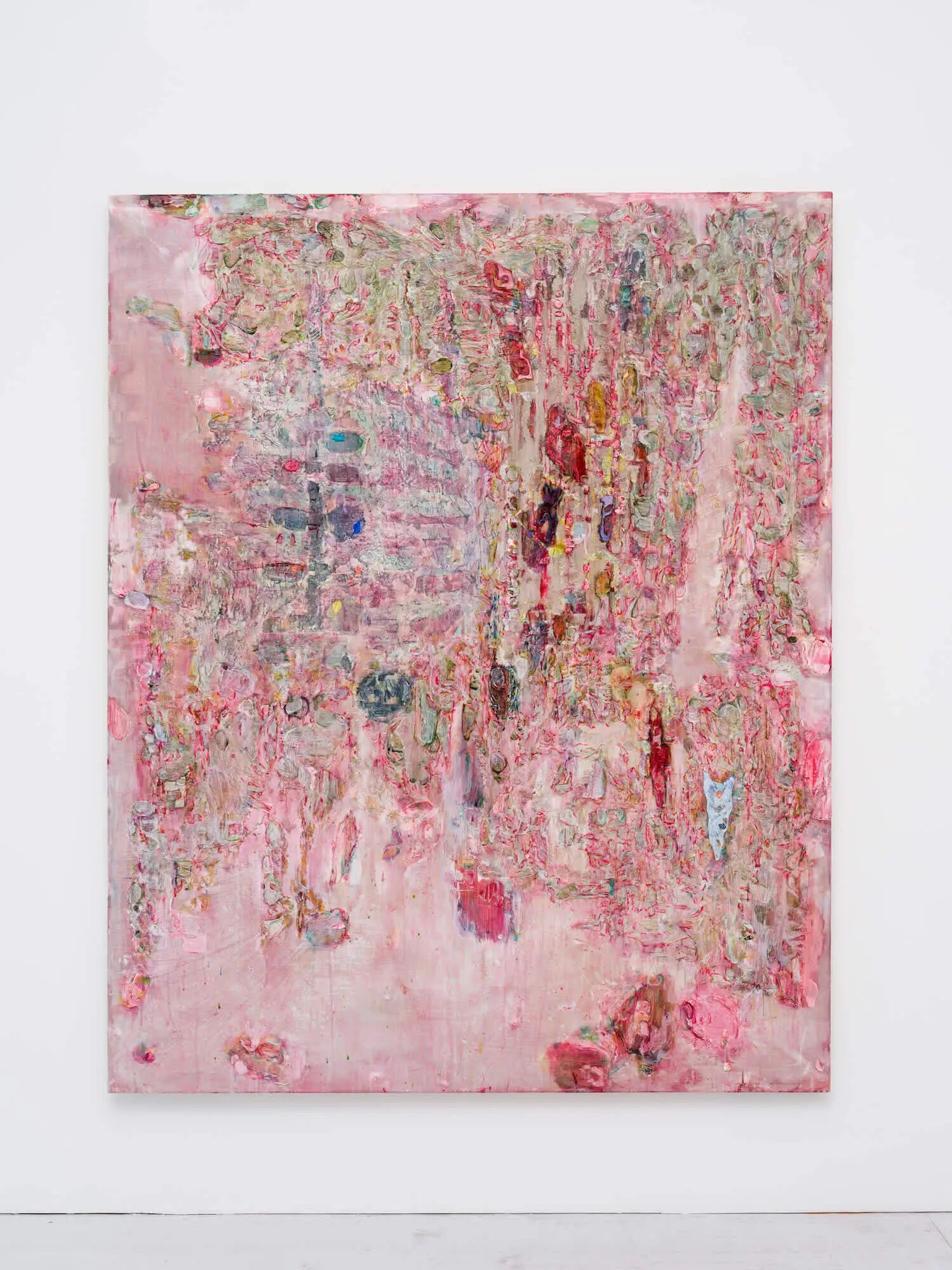
Massanori Tomita , Chesnut Head, 2023
For Asian artists to thrive within Western contexts today, a balance must be struck between historical insight and the development of a distinct contemporary language. Reina Sugihara’s paintings naturally recall the legacy of material experimentation in postwar Japanese art. Hanna Hur’s minimalist labor evokes Agnes Martin and On Kawara. These connections are never forced or derivative; they emerge through long processes of digestion and internalization. It is precisely this depth of engagement—rather than the direct borrowing of art-historical forms—that allows these artists to arrive at practices that are unmistakably their own.