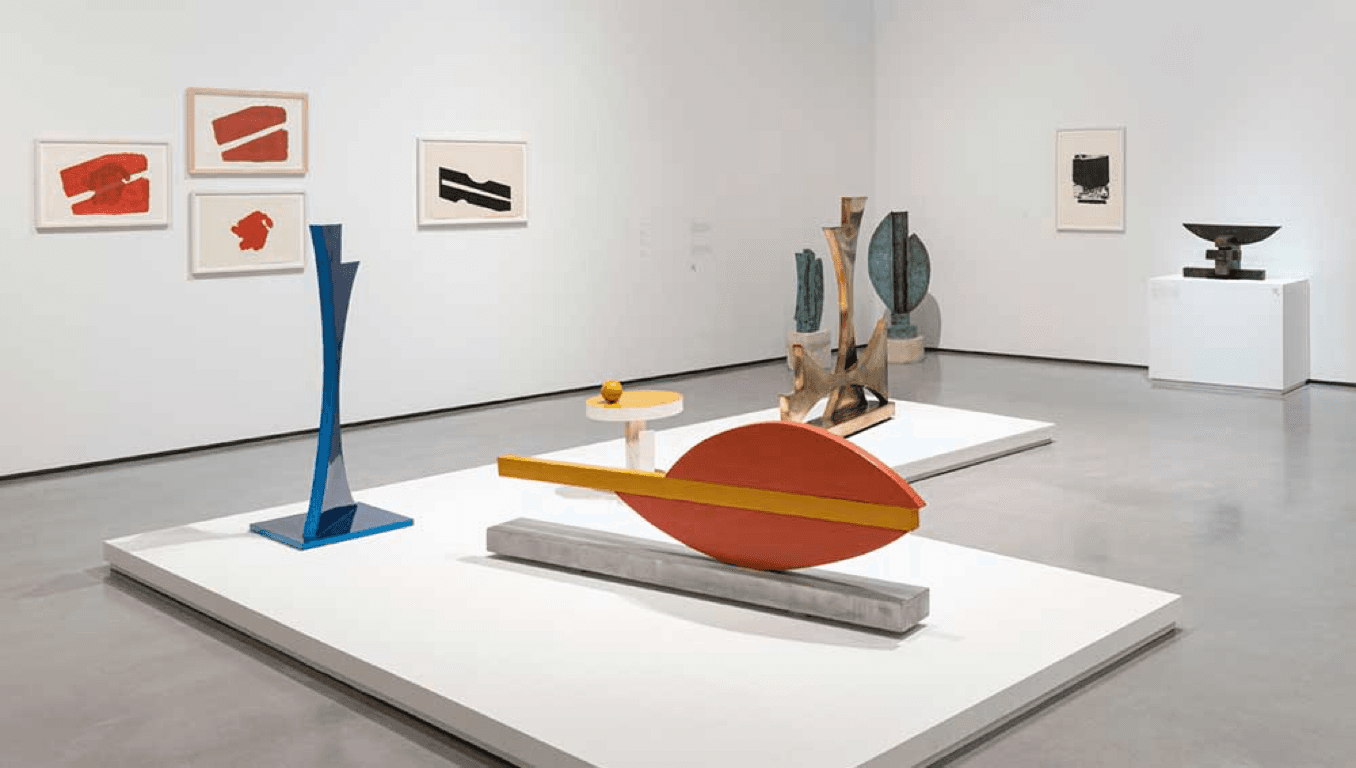
The Titan of Sculpture You Should Know: Kim Lim
Kim Lim is not merely being rediscovered but strategically repositioned within art history. Her practice embodies a cross-cultural negotiation that resonates with current debates on identity, diaspora, and the global canon.
The international art market is increasingly attentive to the historical significance and market potential of women and Asian diaspora artists. Among them, Kim Lim (1936–1997) emerges as both a profoundly representative and historically under-recognized figure. Born in Singapore and active primarily in the UK, Lim developed a practice that masterfully synthesized Eastern philosophical sensibilities with Western formalism, producing a sculptural vocabulary of refined balance and subtle resonance. Her dialogue with the organic abstraction of artists such as Barbara Hepworth and Isamu Noguchi is evident, yet her work articulates its own distinctive rhythm, formal clarity, and meditative cadence. Lim remains one of the very few Chinese female sculptors to enter the Western canon—a lineage that scarcely extends beyond figures such as Ruth Asawa and Yayoi Kusama.
Her works are represented in leading institutional collections, including Tate, the Hayward Gallery, the Victoria and Albert Museum, M+ Hong Kong, and the UK Government Art Collection. This breadth of institutional endorsement not only affirms the aesthetic and scholarly value of her practice but also consolidates her inclusion within the narrative of Western art history.
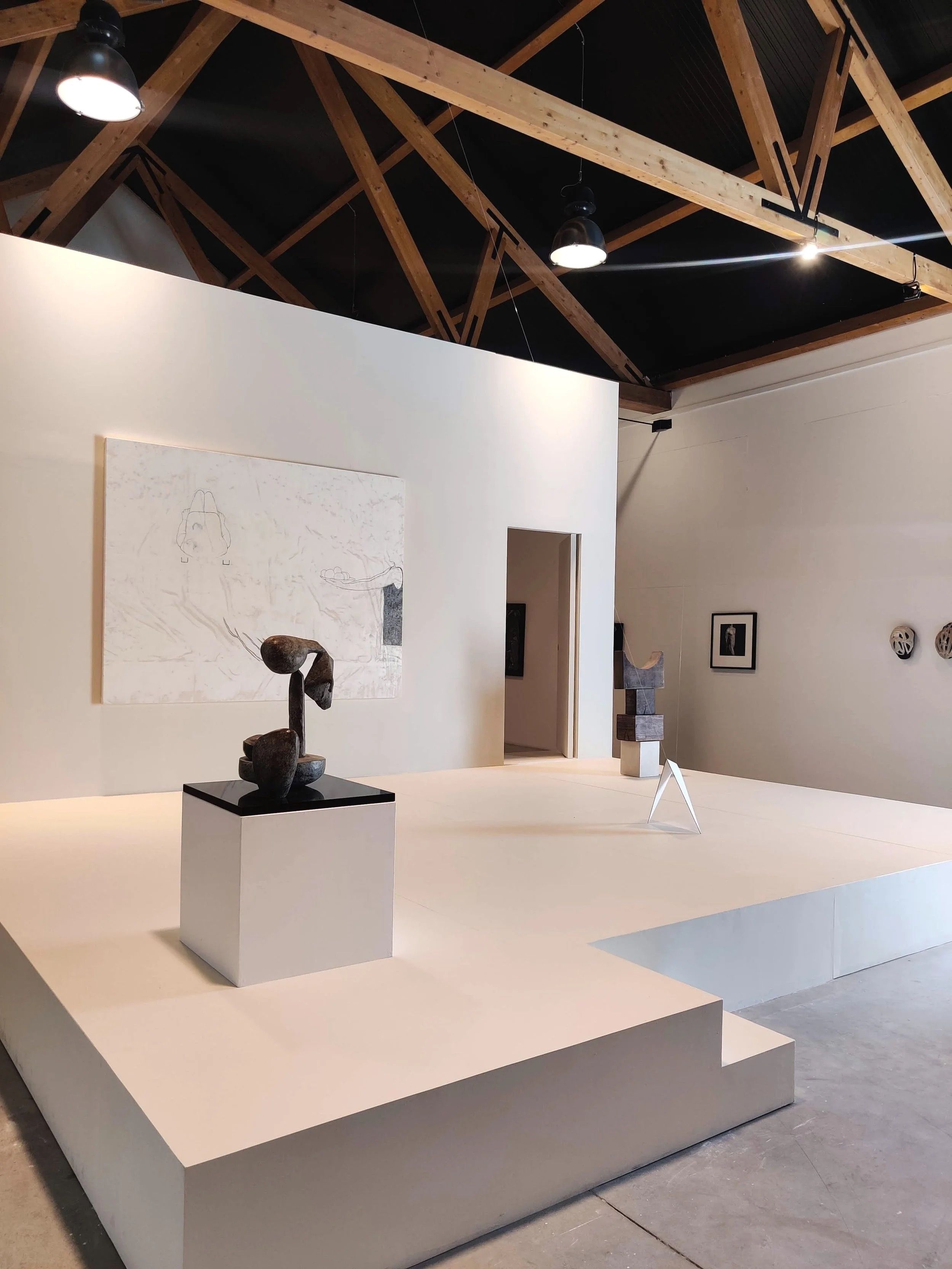
Lim's work on-site at the 14th Gwangju Biennale
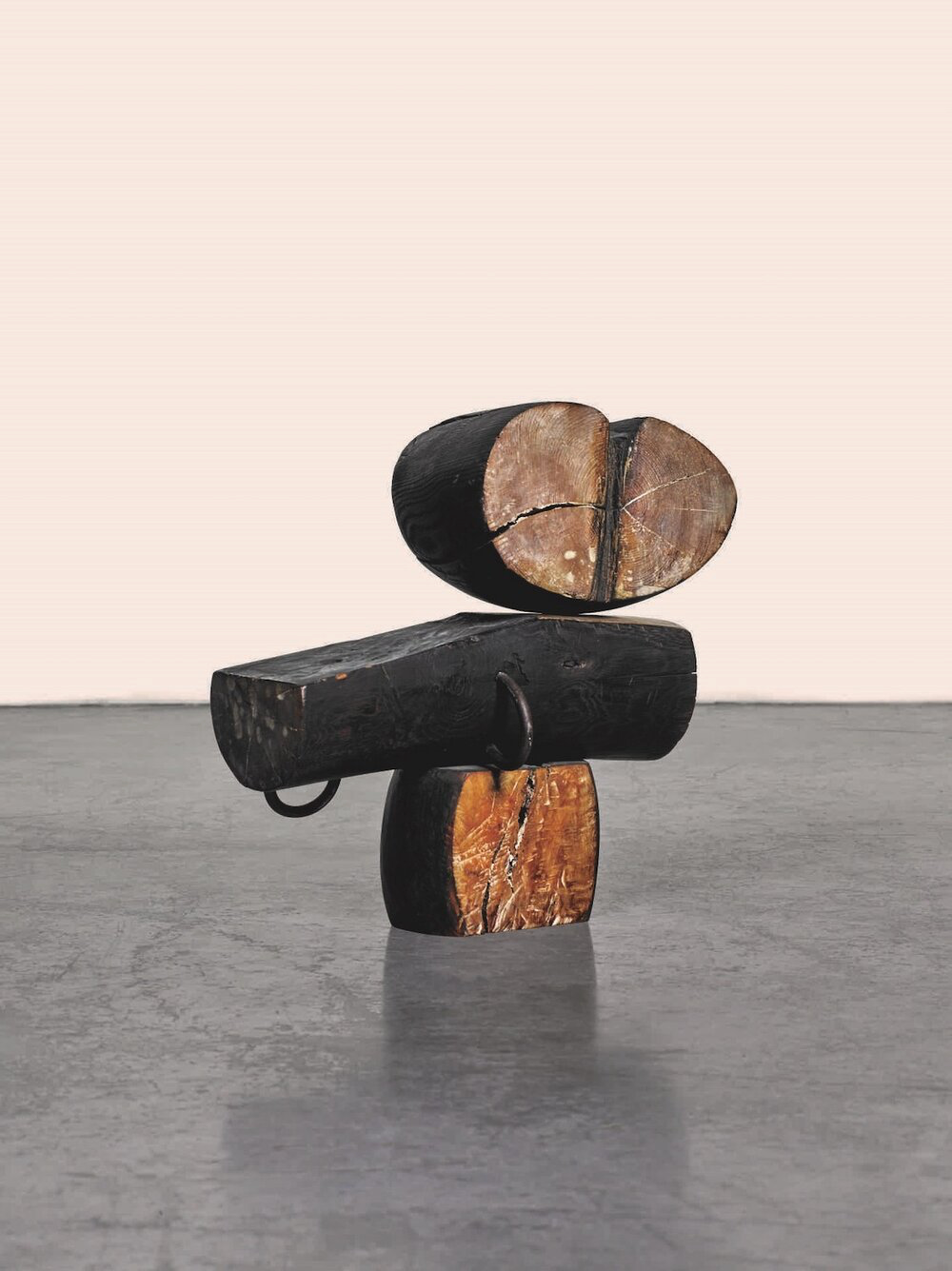
Kim Lim, Sphinx, 1959, Tate collection
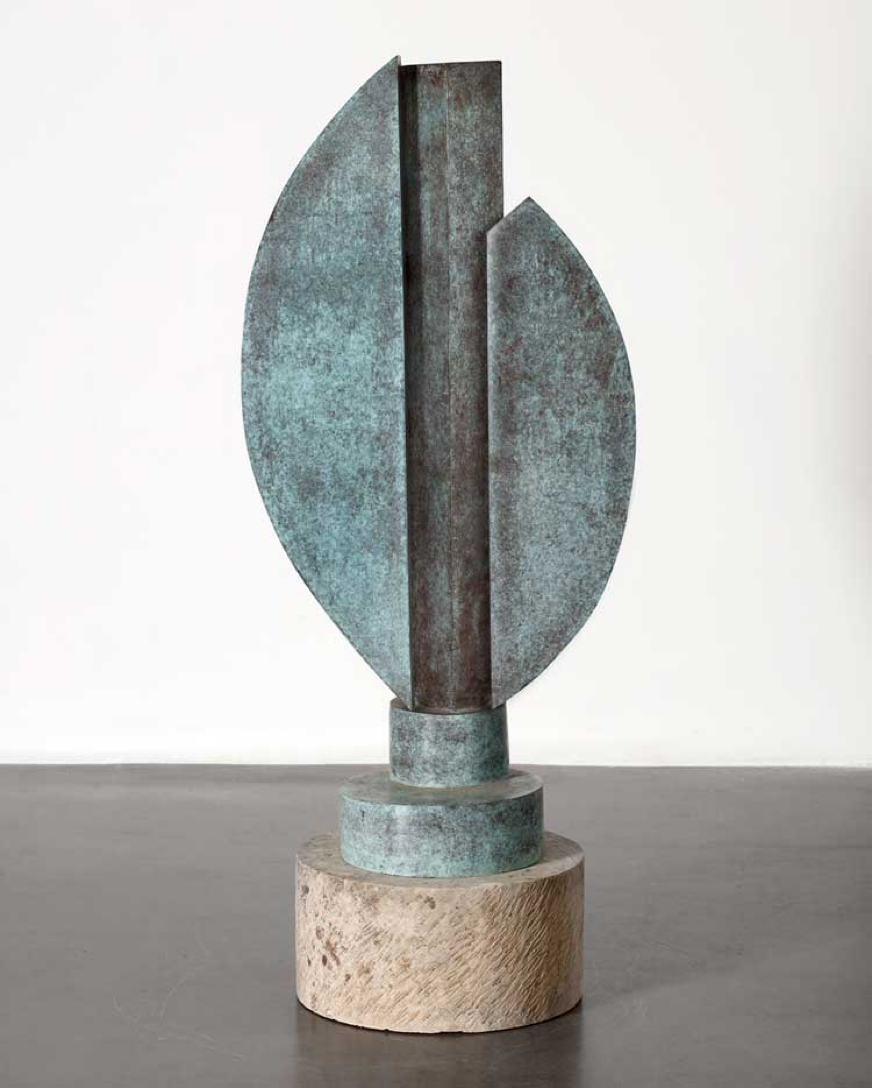
kim Lim, Pegasus, 1962
Market attention toward female sculptors is intensifying. In June 2025, the UK government placed an export bar on a sculpture by Barbara Hepworth—sold at Christie’s for £3.8 million in March 2024—granting domestic institutions the opportunity to match the price to retain the work within the country. This policy underscores both institutional and public commitment to reassessing the contributions of women sculptors and advancing gender equity in the canon. Within this reappraisal, Kim Lim is increasingly positioned as a critical figure whose practice speaks directly to contemporary scholarly and collecting concerns.
Lim’s biography further reflects her embeddedness within British cultural life. Coming from a prominent British-Chinese family, she was married to the Scottish sculptor William Turnbull, with whom she had two sons, Alex and Johnny Turnbull—later co-founders of the experimental music group 23 Skidoo. The Turnbull family’s cultural networks, which extended across British artistic and social circles, provided fertile ground for Lim’s reception in the UK. Today, her estate, actively overseen by the Kim Lim and William Turnbull Foundation, has articulated a clear ambition to elevate her stature to a level commensurate with artists such as Louise Bourgeois. With this confluence of artistic merit, cultural hybridity, and institutional support, Kim Lim is increasingly poised to occupy a defining position in the history of modern sculpture.
In recent years, her work has been the subject of renewed curatorial scrutiny. In 2025, the National Gallery Singapore will stage the retrospective Kim Lim: The Space Between. Earlier, the Hepworth Wakefield presented Kim Lim: Space, Rhythm & Light (2022), one of the most comprehensive exhibitions of her oeuvre to date, offering a systematic view of her sculptural and graphic practices. Tate Britain’s Carving and Printing (2020) highlighted her unique fusion of Asian sensibility with Western modernist form. Collectively, these exhibitions have substantially reinforced her historical positioning and scholarly relevance.
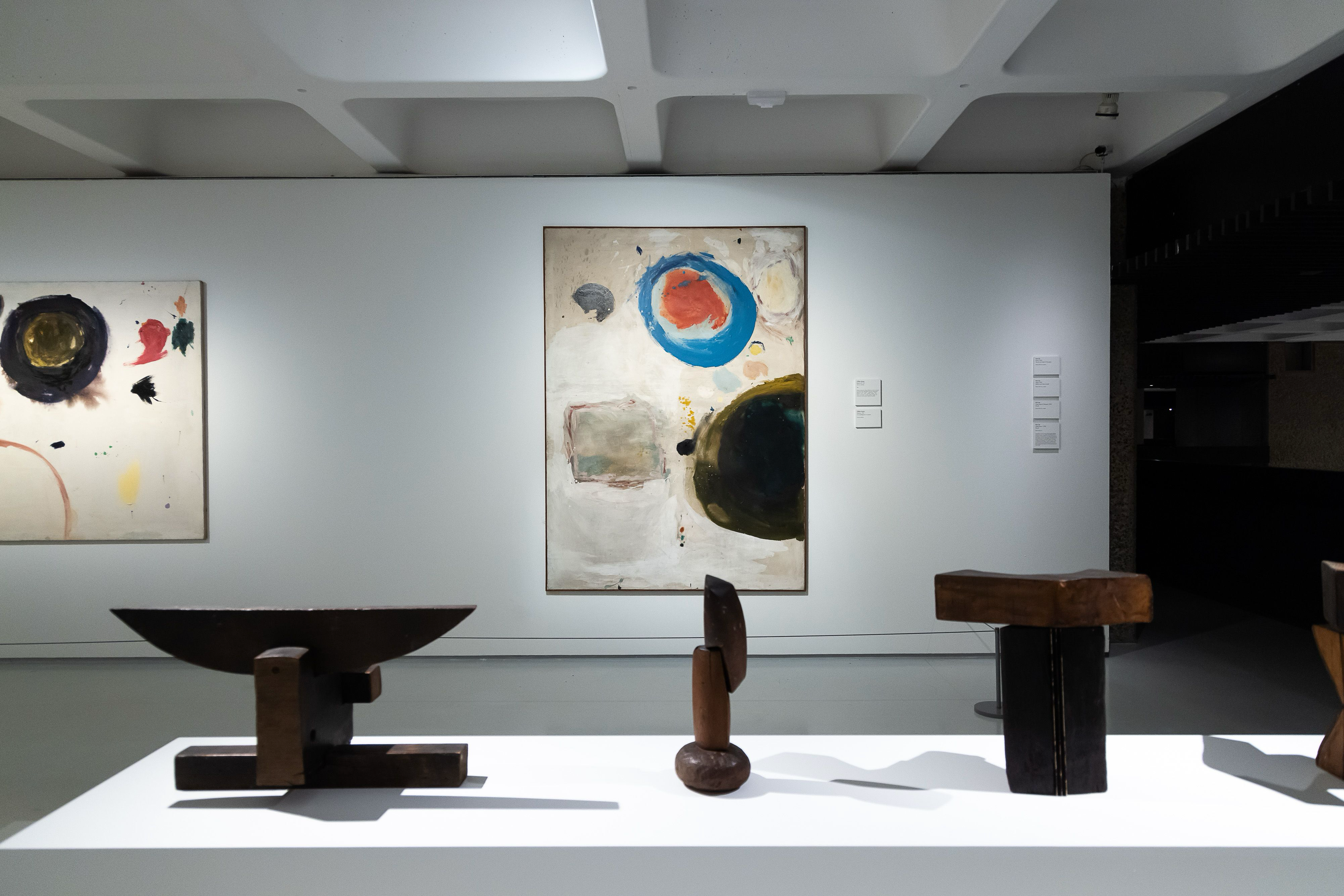
Postwar Modern: New Art in Britain 1945-1965, Barbican Centre, the United Kingdom
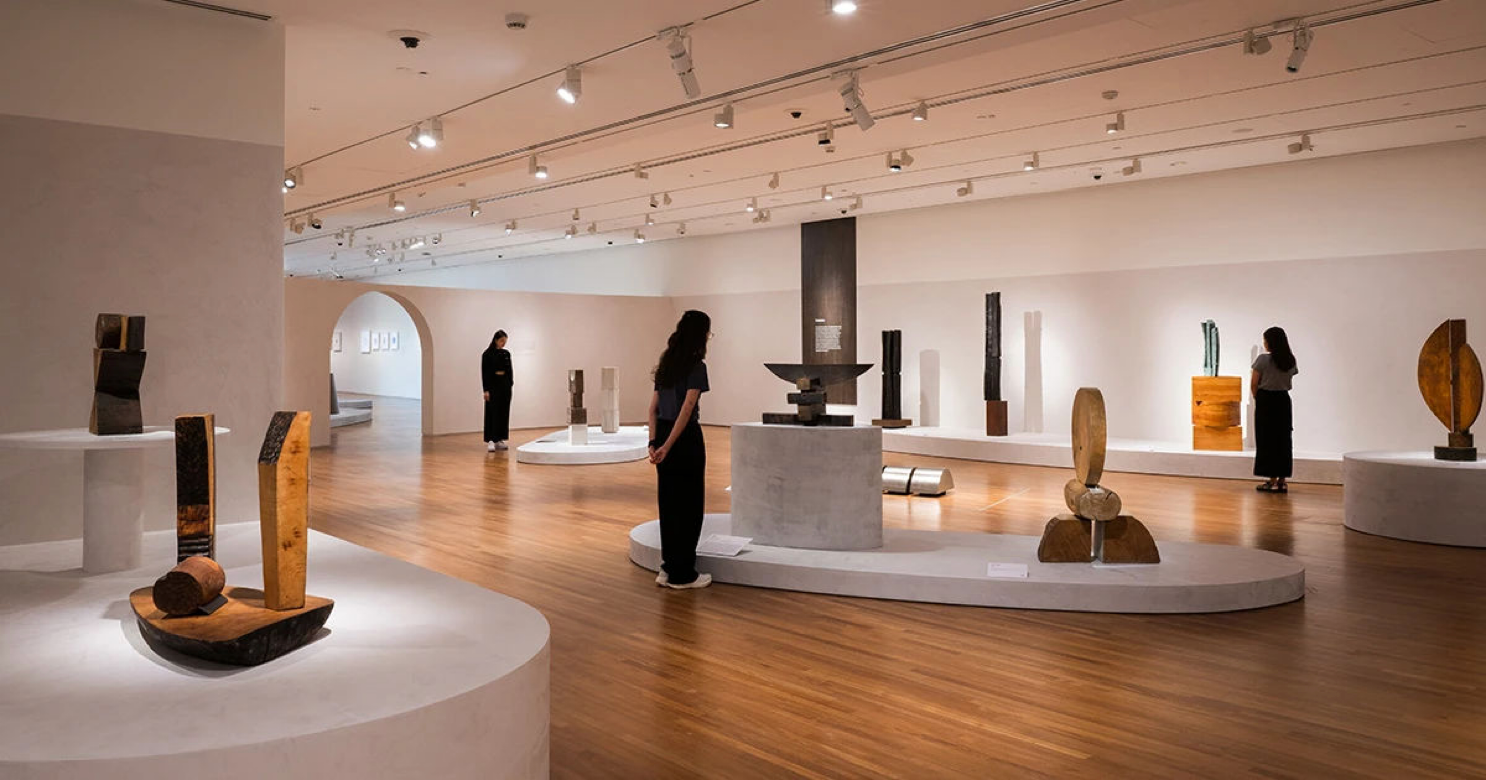
Kim Lim: The Space Between, National Gallery Singapore, Singapore
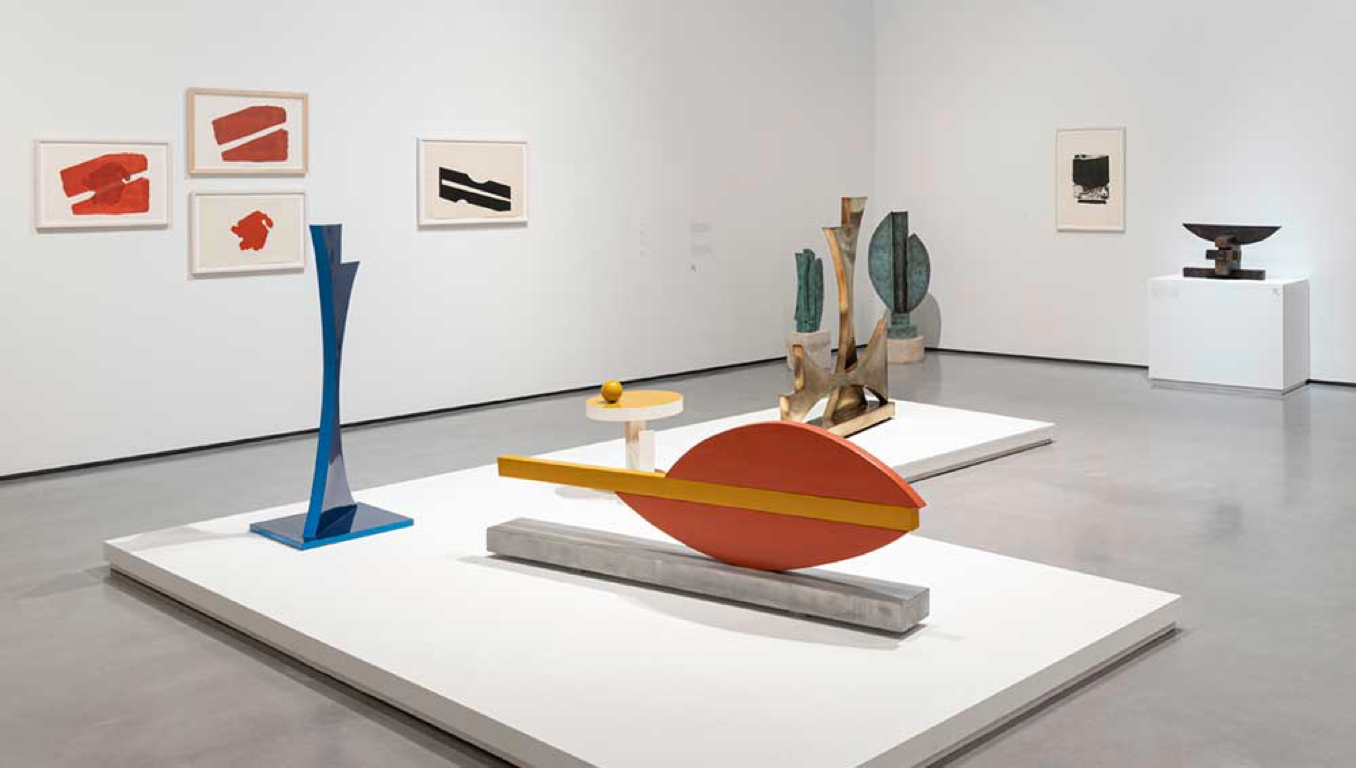
Kim Lim: Space, Rhythm & Light, The Hepworth Wakefield, the United Kingdom
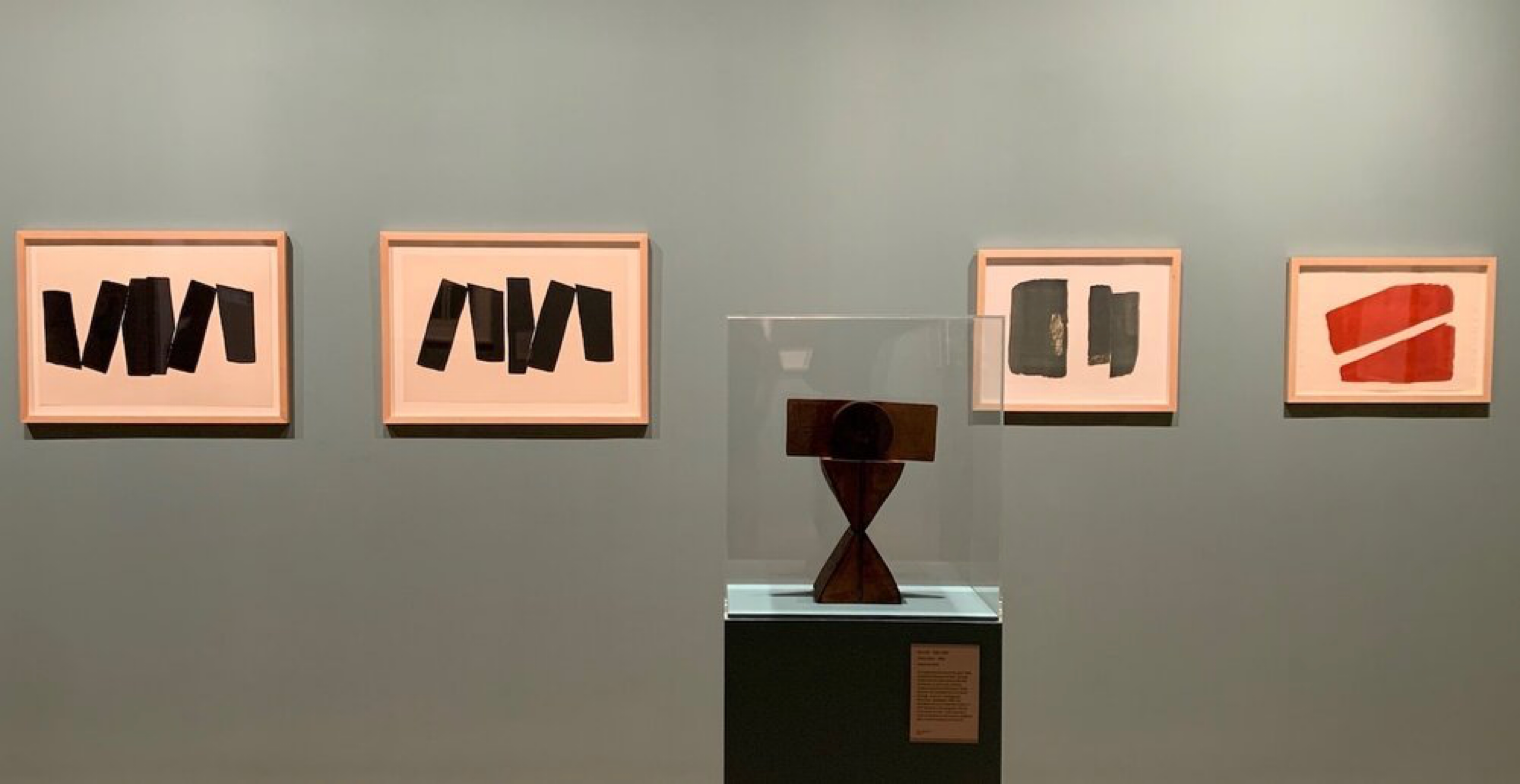
Carving and Printing, Tate Britain, the United Kingdom
From a market perspective, availability remains tightly constrained. The majority of significant works are retained by the family or in institutional collections. M+ has recently acquired 34 works, while Tate holds at least 65. This scarcity, coupled with rising curatorial and academic interest in gender and diaspora narratives, places Kim Lim at the nexus of institutional and private collecting trajectories.
In sum, Kim Lim is not merely being rediscovered but strategically repositioned within art history. Her practice embodies a cross-cultural negotiation that resonates with current debates on identity, diaspora, and the global canon. At the same time, her market remains underdeveloped relative to her artistic importance. Against the backdrop of increasing institutional recognition and the broader reappraisal of women sculptors, her works—particularly sculptures and large-scale prints—represent a rare opportunity for collectors seeking both cultural gravitas and long-term value appreciation.
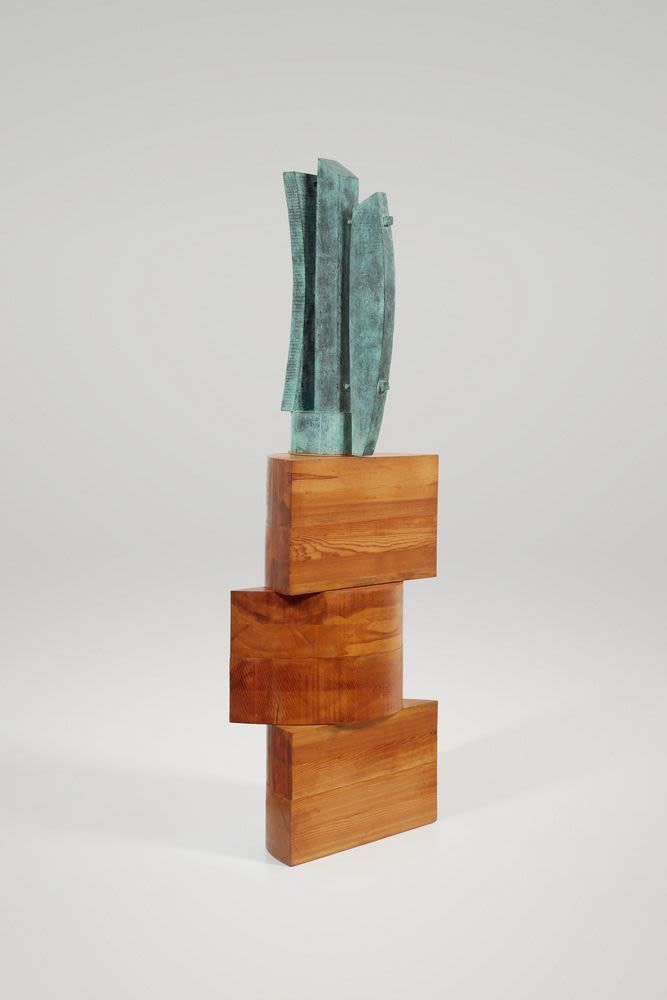
Kim Lim, Centaur II, 1963, M+ collection
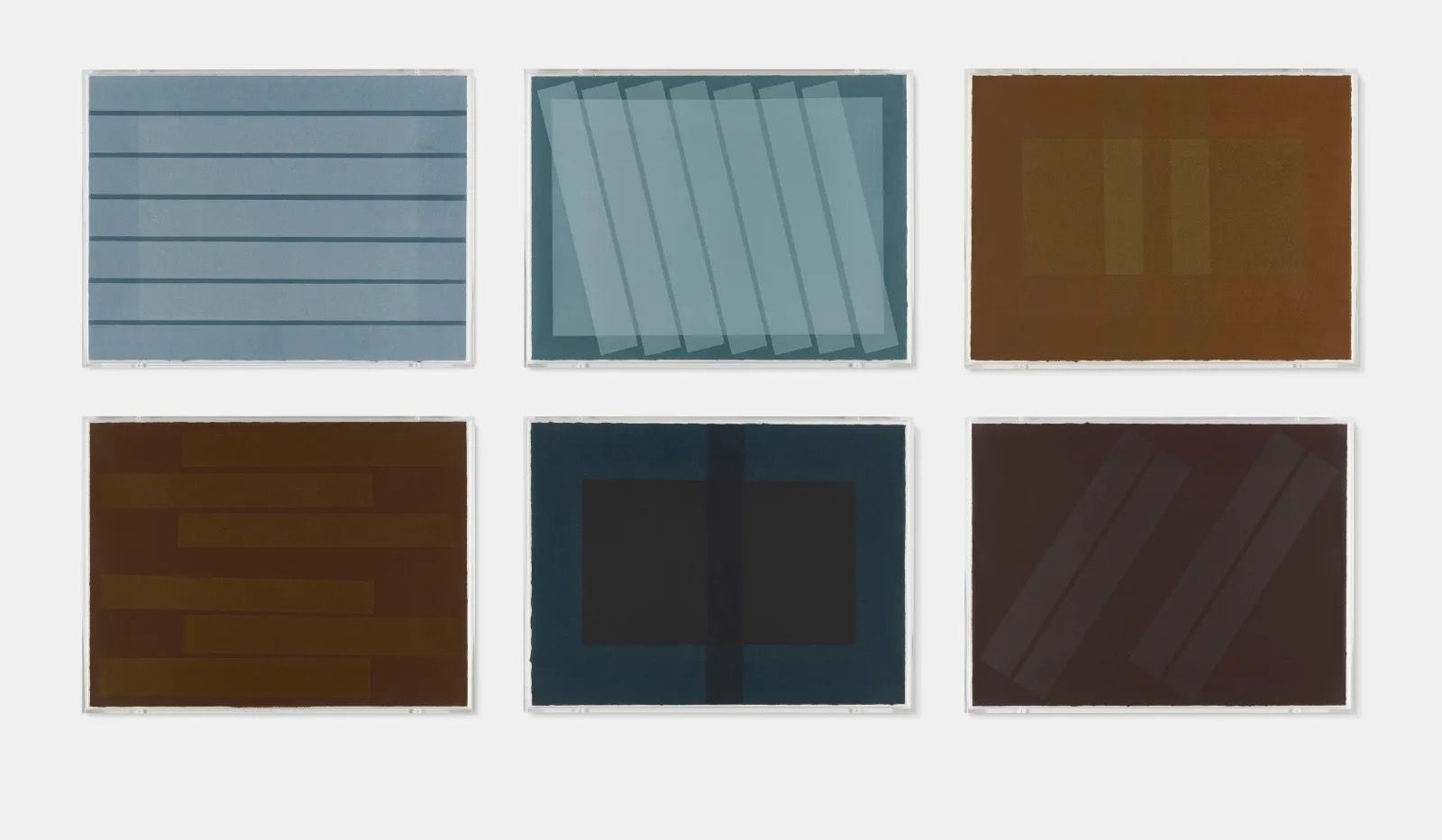
Kim Lim, Time Shift A-E, 1993, Collection of British Museum (London), Art Gallery of New South Wales (Sydney), M+ (Hong Kong), National Gallery Singapore
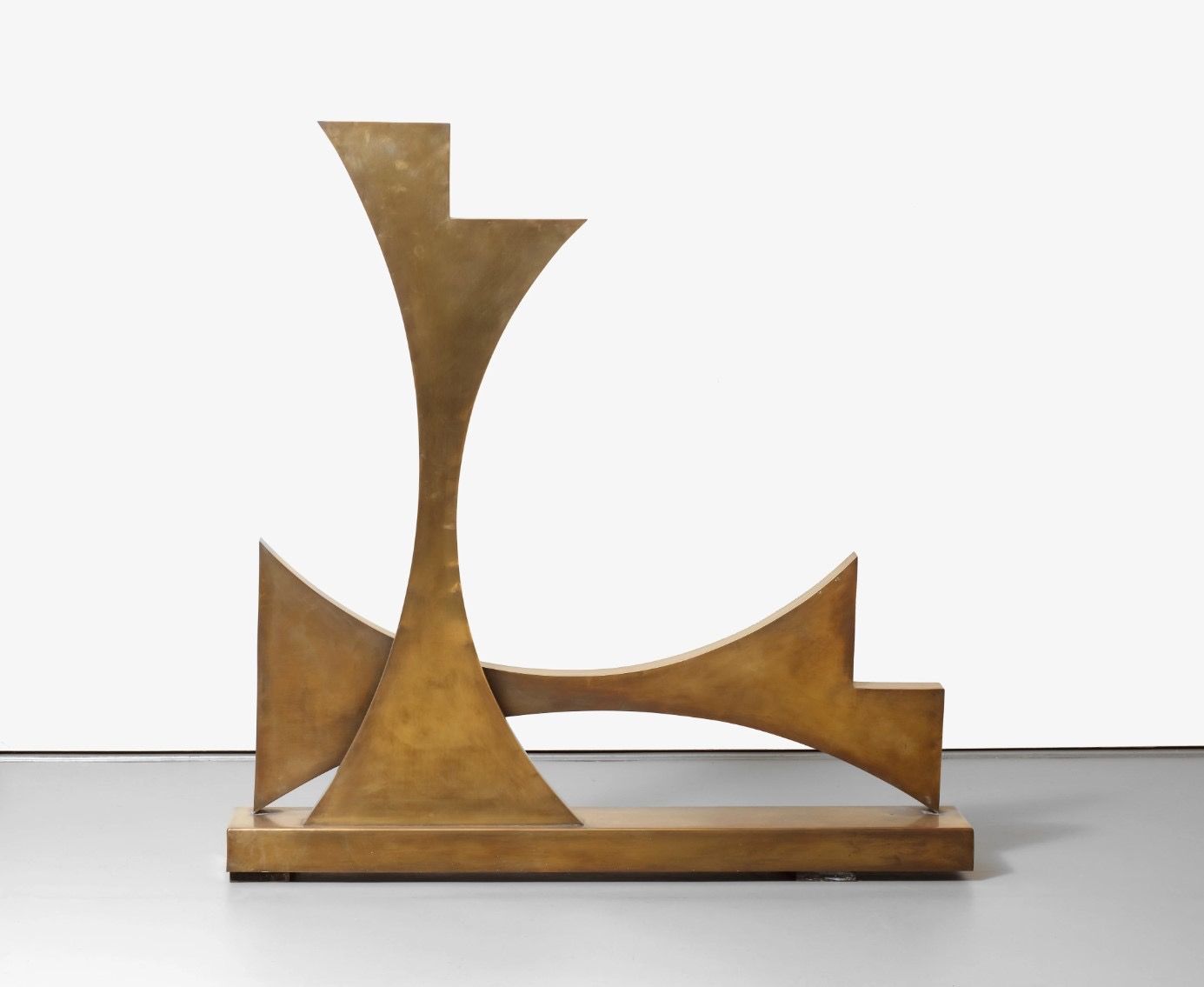
Kim Lim, Twice, 1966