Kunstsammlung NRW K20: Private Collecting Trajectories in the Spotlight of a Public Museum
A recent visit to Düsseldorf’s K20 reveals more than 20th-century masterpieces; it showcases Germany’s profound postwar cultural reconciliation. Beyond its history, K20 mirrors the precise curatorial ethos we champion—demonstrating how visionary private collections seamlessly dialogue with world-class public institutions to build enduring artistic legacies.
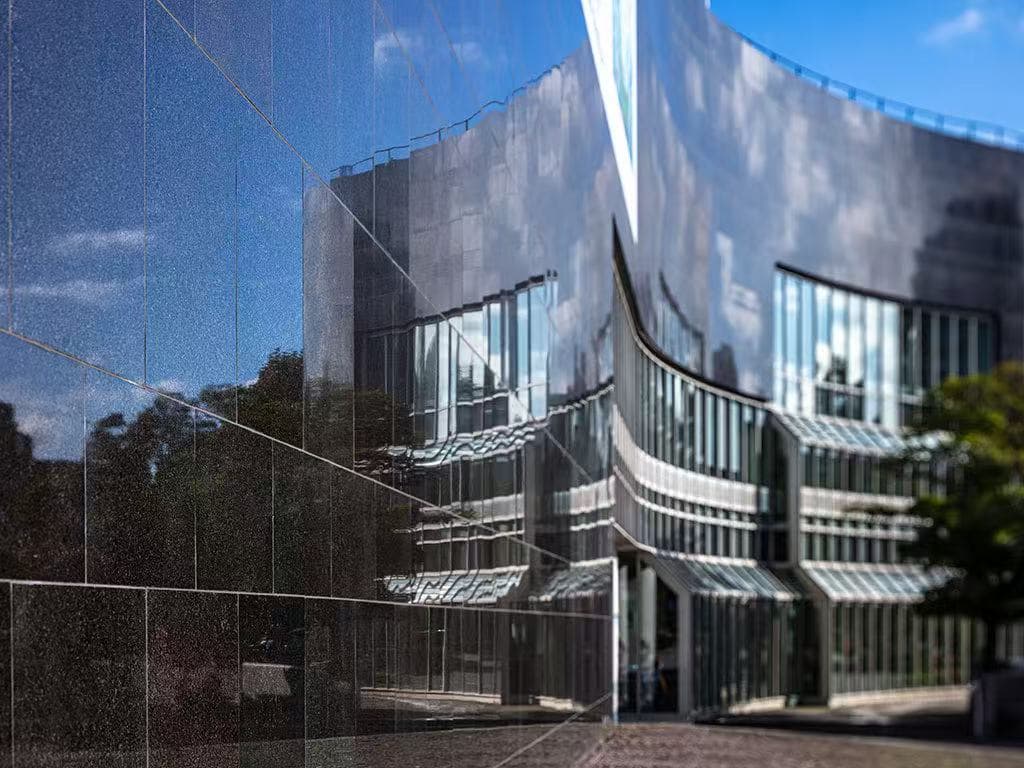
I visited Düsseldorf last week; my previous trip here was back in the depths of winter. As we strolled across Grabbeplatz, our eyes were naturally drawn to a sleek, dark-toned wall of polished black granite. K20 (Kunstsammlung Nordrhein-Westfalen), standing with a quiet yet unmistakable presence, anchors this square. As travelers who spent years moving between global museums, art fairs, private foundations, and state institutions converted from royal heritage, we encountered a entirely distinct resonance at K20—a cultural momentum uniquely characteristic of postwar Germany, where rationality and deep self-reflection coexist.
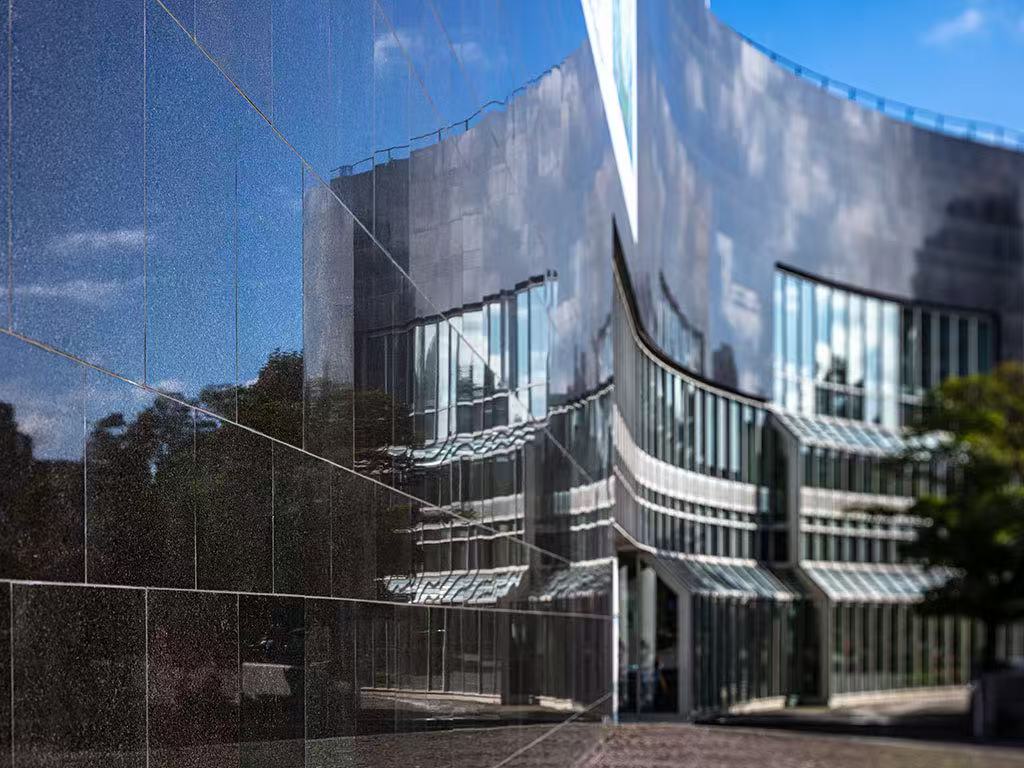
Exterior view of K20
To understand the spirit of K20, one must trace back to 1960. The museum's inception began with a visionary and historically symbolic acquisition: the State of North Rhine-Westphalia purchased a collection of 88 works by Paul Klee from the American collector G. David Thompson. This was far more than a monumental transaction in the art market; it marked a profound act of postwar "cultural reparation" (Wiedergutmachung) and spiritual reconstruction for Germany.
In 1931, Klee taught at the Kunstakademie Düsseldorf, only to be dismissed by the Nazi regime in 1933, with his works subsequently confiscated and vilified as "Degenerate Art" (Entartete Kunst). In the postwar era, Germany chose Düsseldorf—the very city where Klee had been wronged—to house a new museum that restored his oeuvre to its rightful core. K20's identity was not built to display wealth, but rather to mend historical fractures and embrace a once-shattered Modernism.
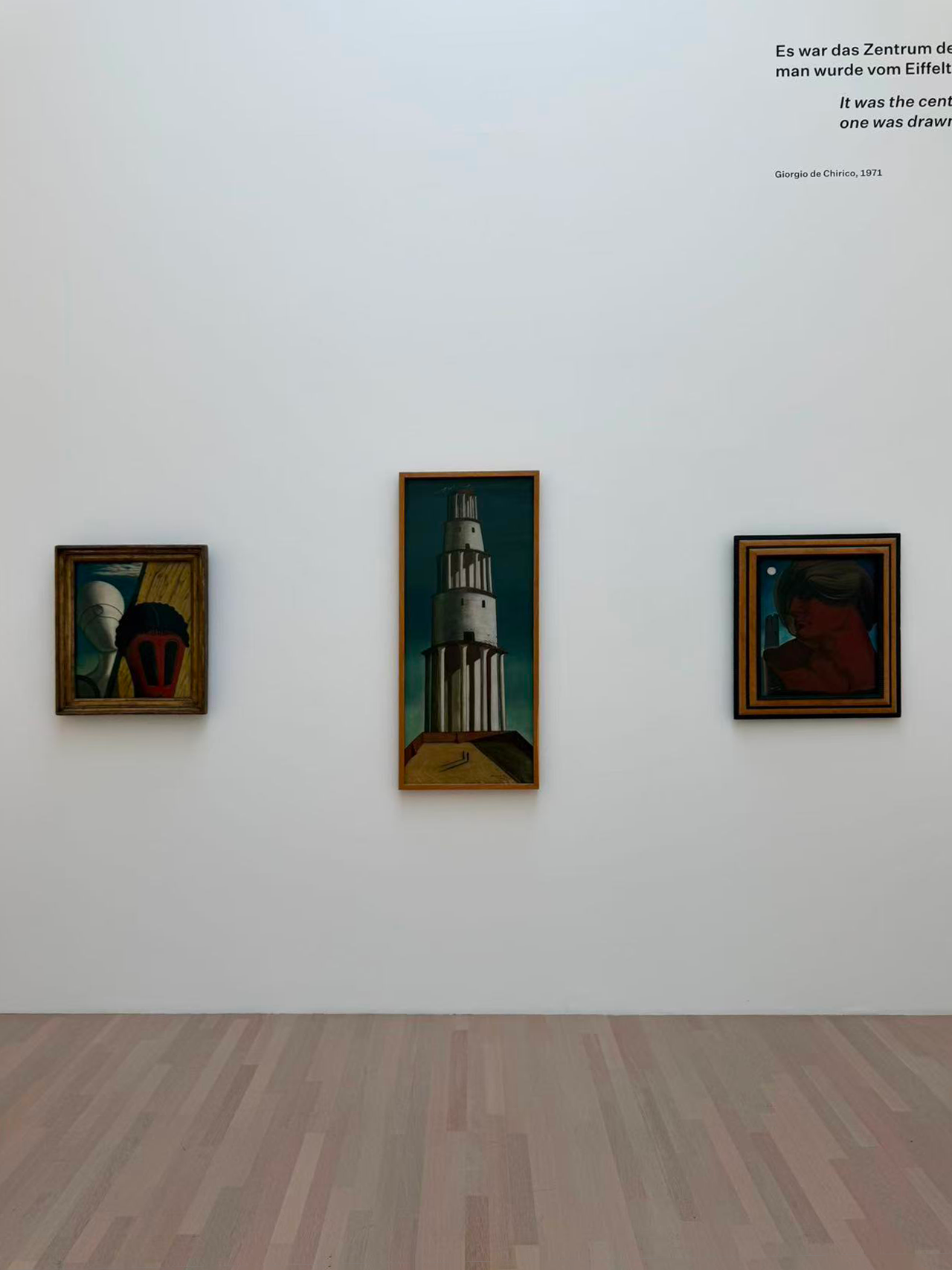
Installation view at K20, Kunstsammlung Nordrhein-Westfalen (Left) Giorgio de Chirico, Les deux sœurs (L'ange juif), 1915 (Middle) Giorgio de Chirico, La grande tour, 1913 (Right) Man Ray, Le poète. Le roi David, 1938
Germany operates under a federal cultural structure (Kulturföderalismus). This system decentralizes cultural governance and resources across federal states and municipalities. As a result, Germany lacks a single cultural capital, yet flourishes with dozens of top-tier art hubs. Düsseldorf’s K20 is a remarkable product of this system, methodically built from the ground up by the state government. Its curatorial strategy is exceptionally precise, focusing on 20th-century Classical Modernism and postwar avant-garde art. This public collecting philosophy—prioritizing depth and historic relevance over exhaustive breadth—mirrors precisely what we aim to achieve when building collections for our clients.
Wandering deeper into the galleries, a subtle sense of familiarity washed over me as we encountered "sister works" by artists we had previously acquired for our collectors. First came On Kawara’s iconic "Date Paintings," followed by abstract and surrealist compositions by Helen Frankenthaler and Yves Tanguy. Nearby, classic works by Jannis Kounellis—bearing the raw, unyielding materiality of Italian Arte Povera—firmly anchored the dense industrial reality of postwar Europe. Seeing these familiar names and gestures presented under the spotlight of a world-class public institution was not only a seamless convergence between private collections and academic canons, but also a validation that the collecting trajectories we construct align directly with the historical lens of Germany’s premier museum.
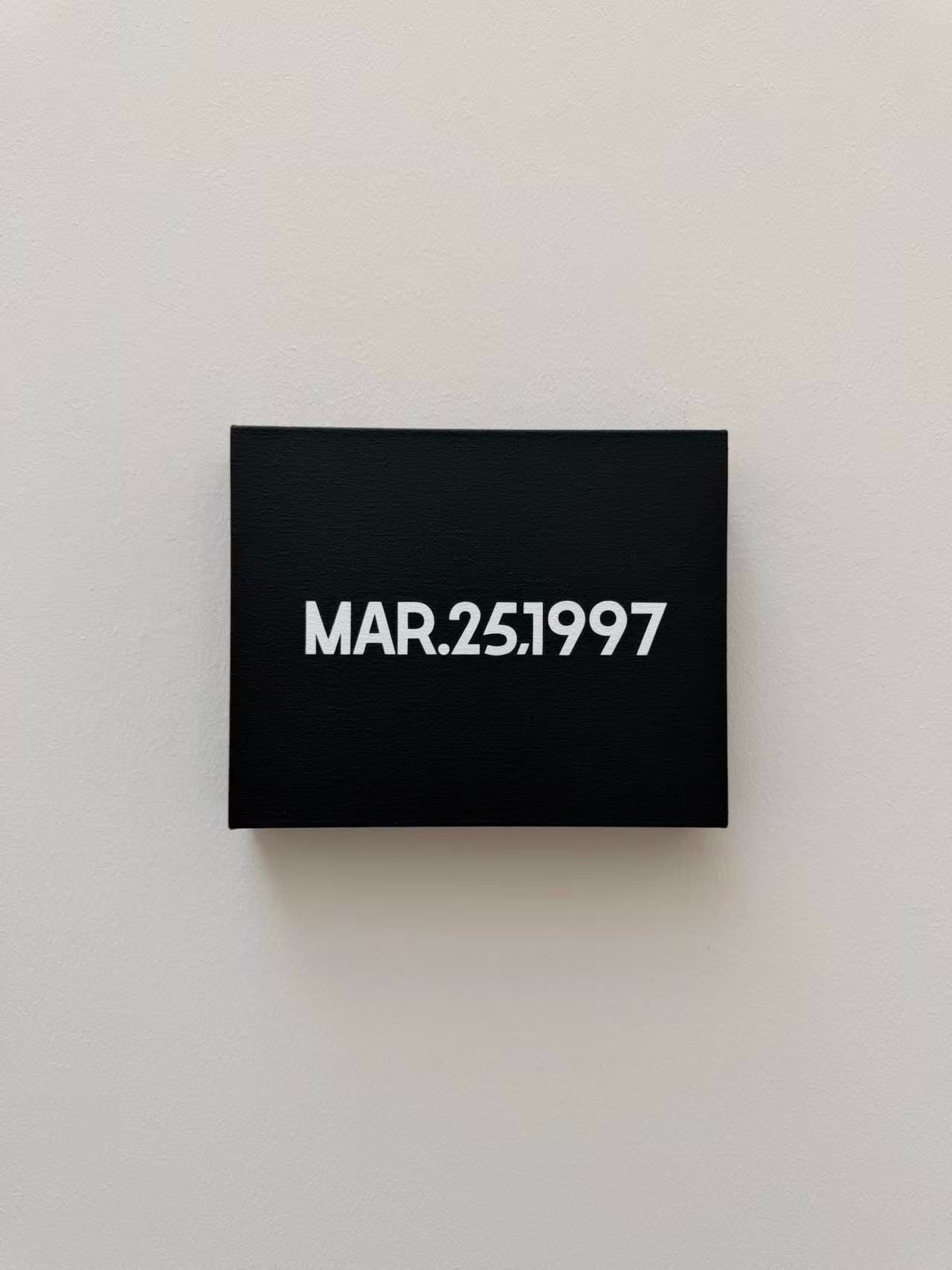
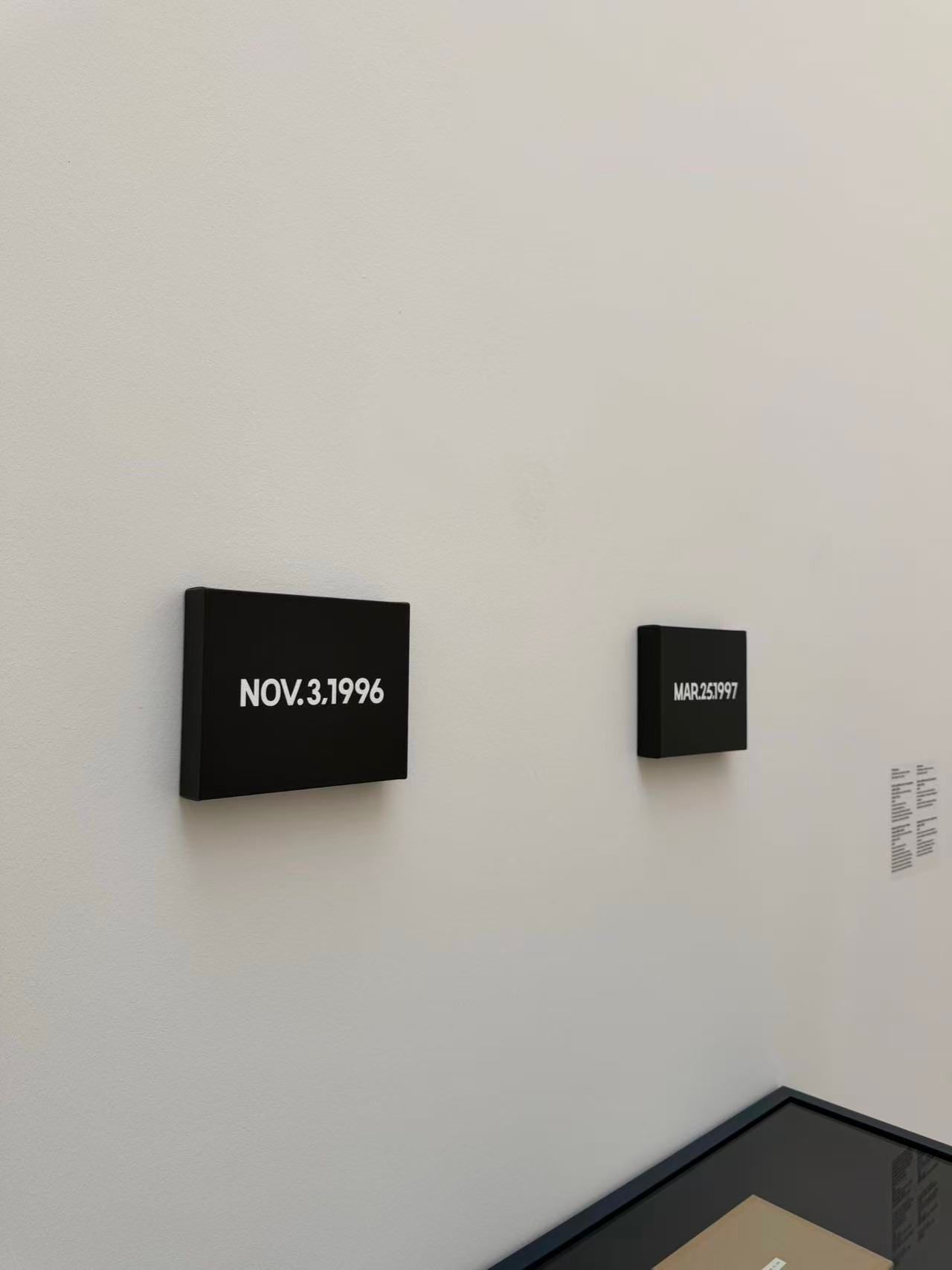
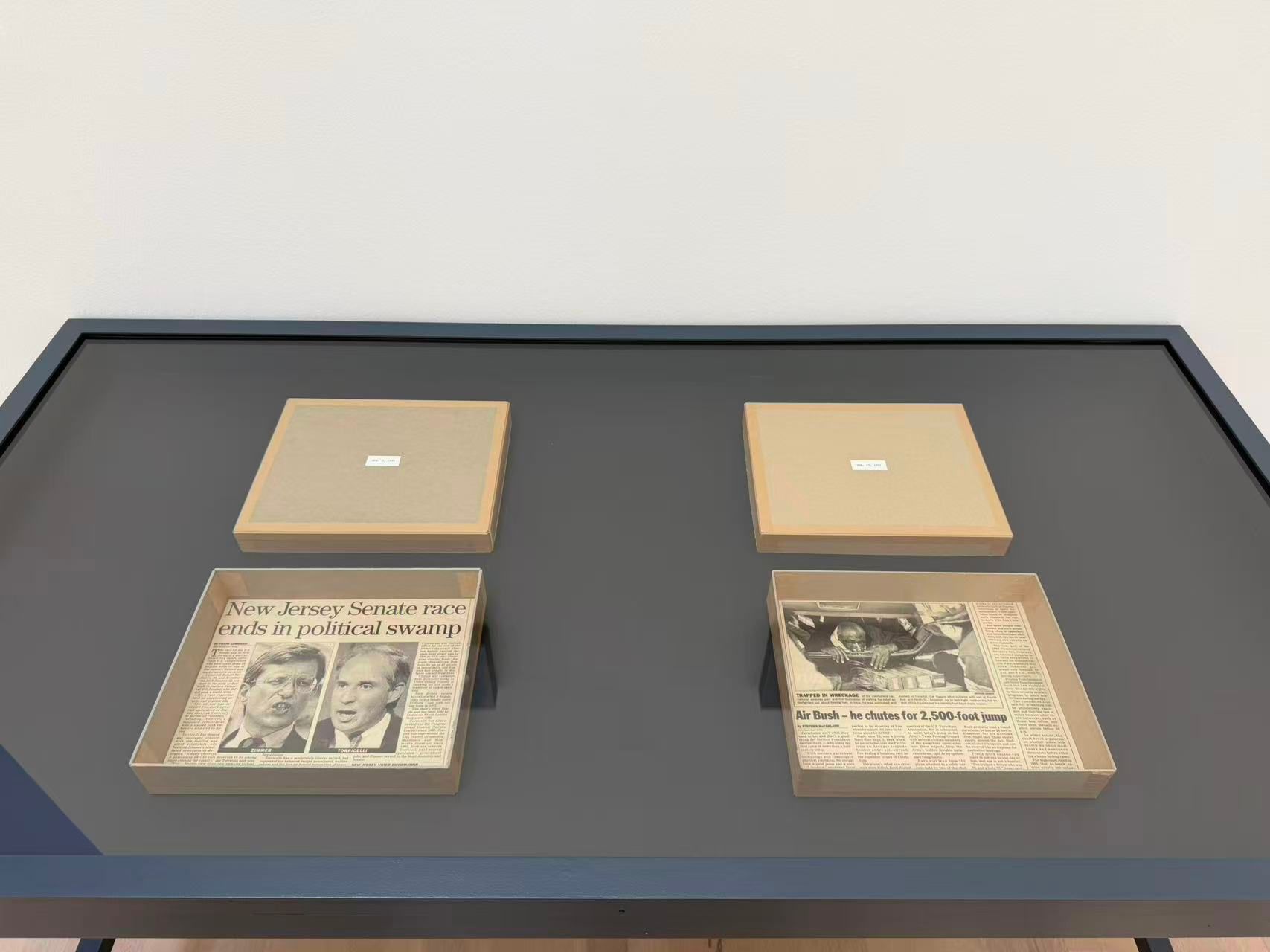
Installation view: On Kawara at K20, Düsseldorf
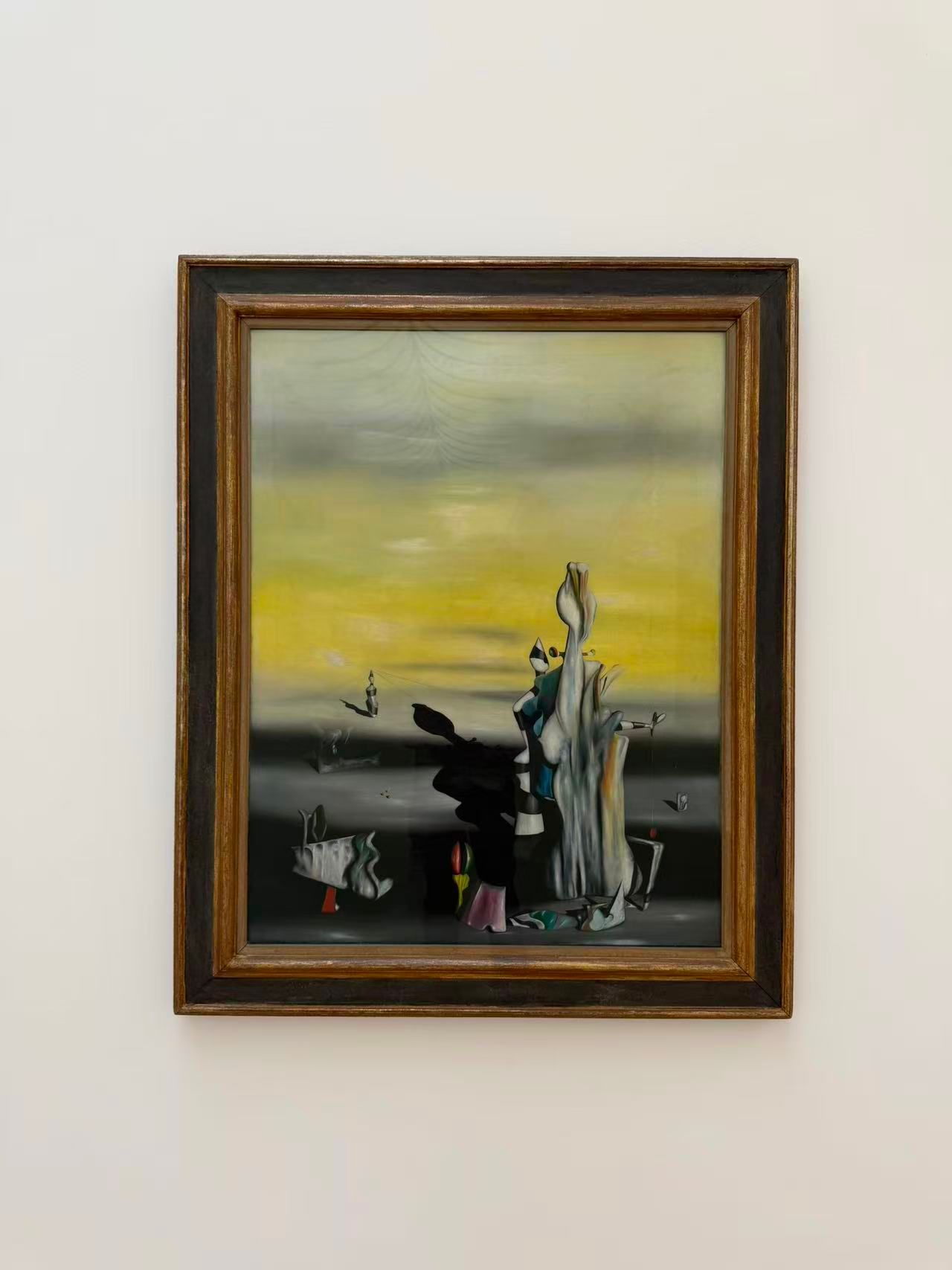
Yves Tanguy, Dame a L'Absence, 1999
Throughout the museum's galleries, many more artists we had recommended to collectors came into view, spanning Minimal Art to American Abstract Expressionism, prompting us to contemplate the nuanced synergy between private collecting and public institutions. The essence of an art advisor’s role is to distill a coherent, enduring narrative for collectors amidst the overwhelming vastness of the art world. When artists we advocated for and helped acquire occupy central positions within an institution as academically rigorous as K20, it serves as the ultimate implicit validation of our collectors' vision and our professional judgment.
This validation far transcends the fluctuations of market figures. It demonstrates that when private collectors construct their holdings with reverence for art history, a private collection ceases to be an isolated island of personal taste. Instead, it becomes a living cultural asset capable of entering into a meaningful dialogue with the historical narratives of public museums. Wrapped in black granite yet housing a vibrant modern soul, K20 not only illuminates art's power to heal historical wounds, but also offers art world professionals a cultural home to affirm their vision and reflect deeply on their practice.
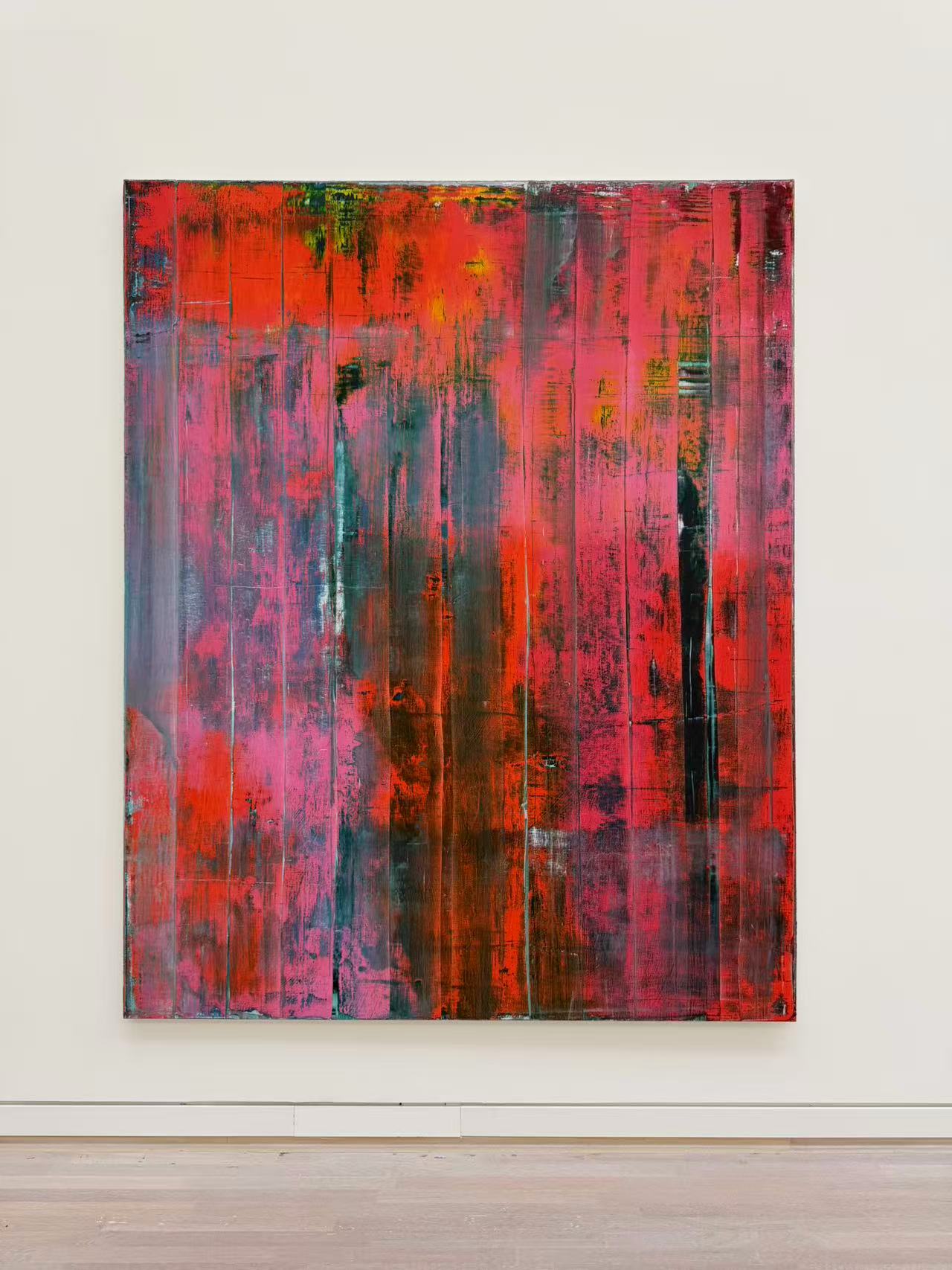
Gerhard Richter, Mauer, 1994
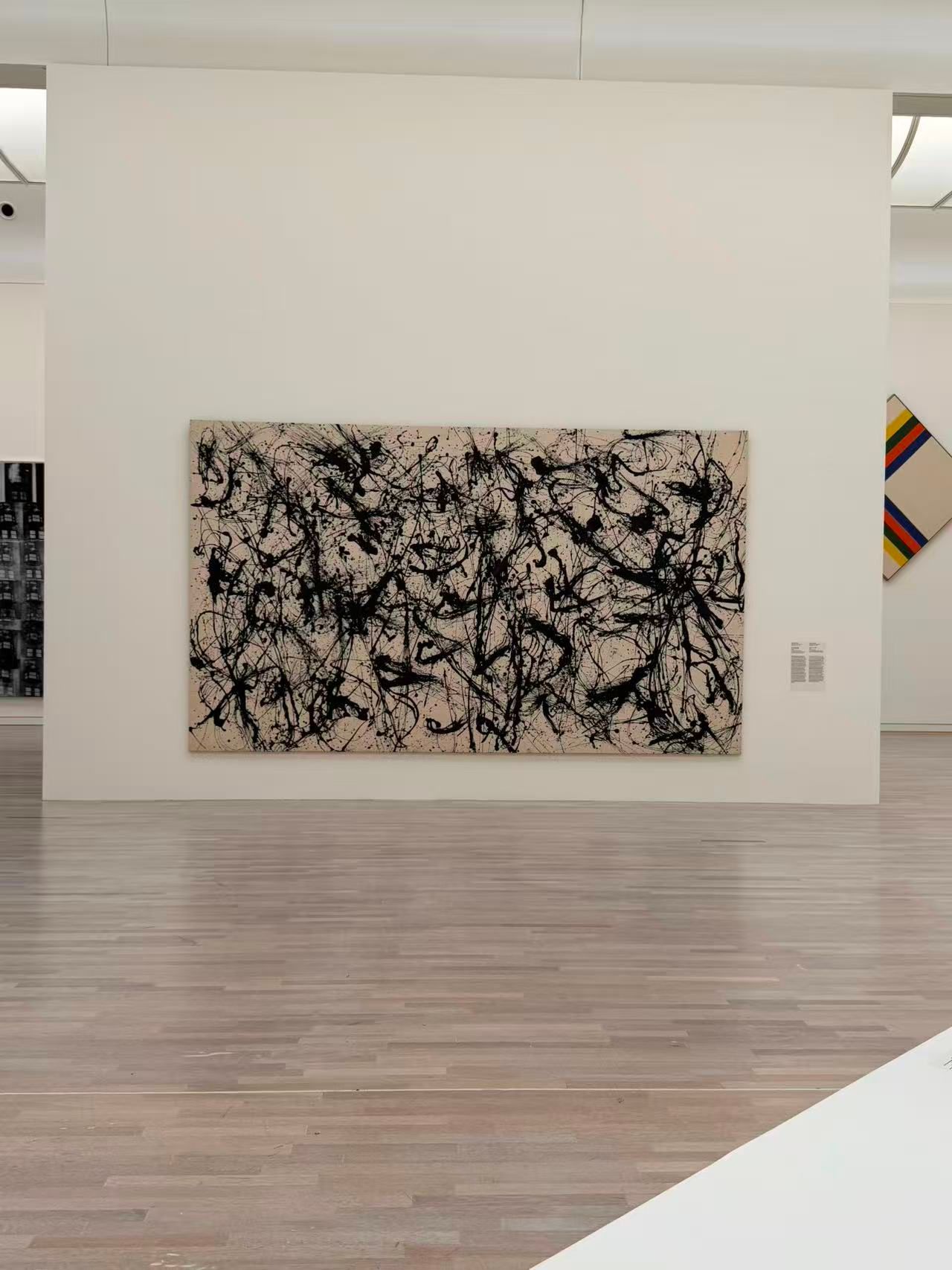
Jackson Pollock, Number 32, 1950
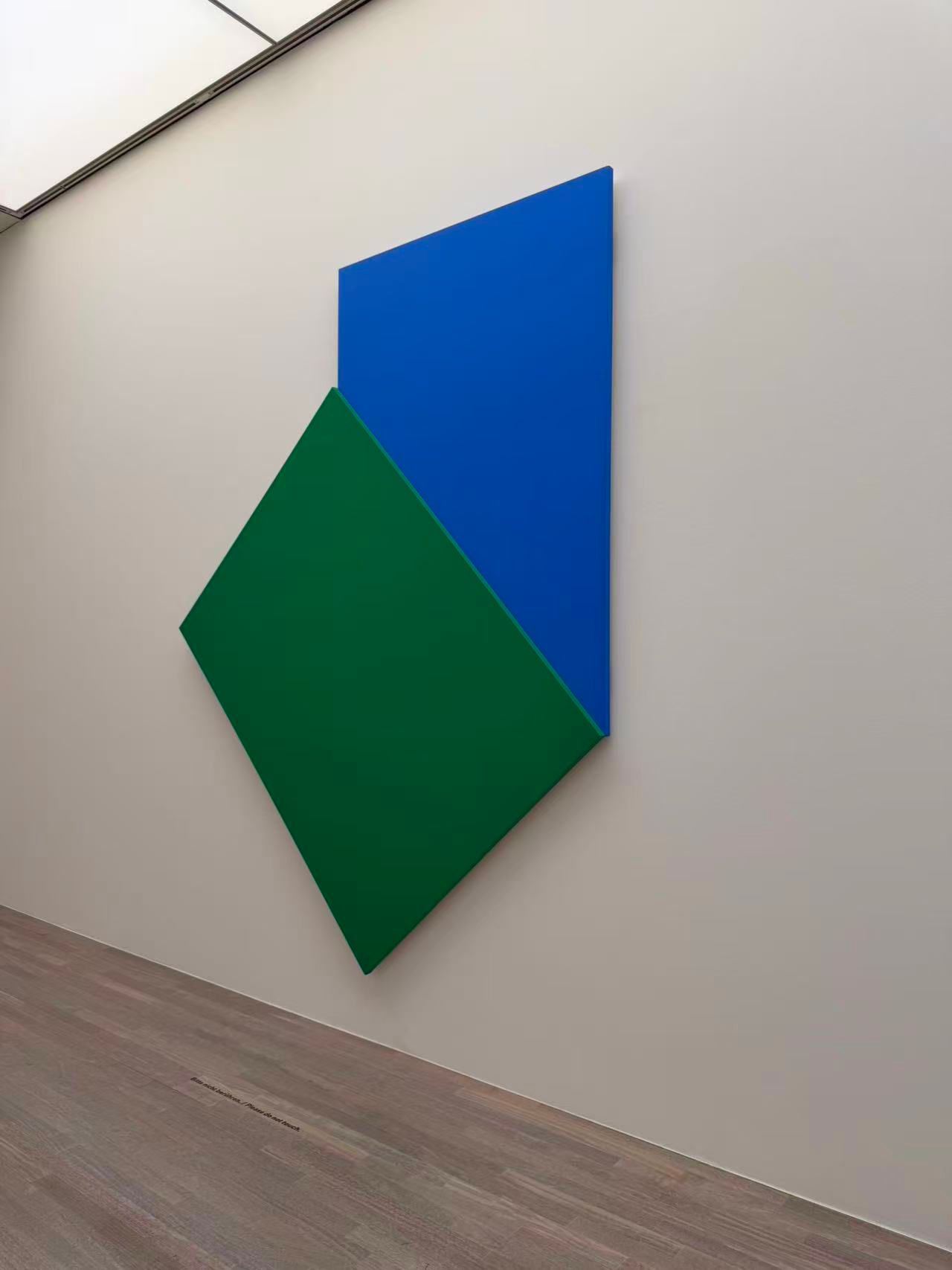
Ellsworth Kelly, Green Relief with Blue, 1993
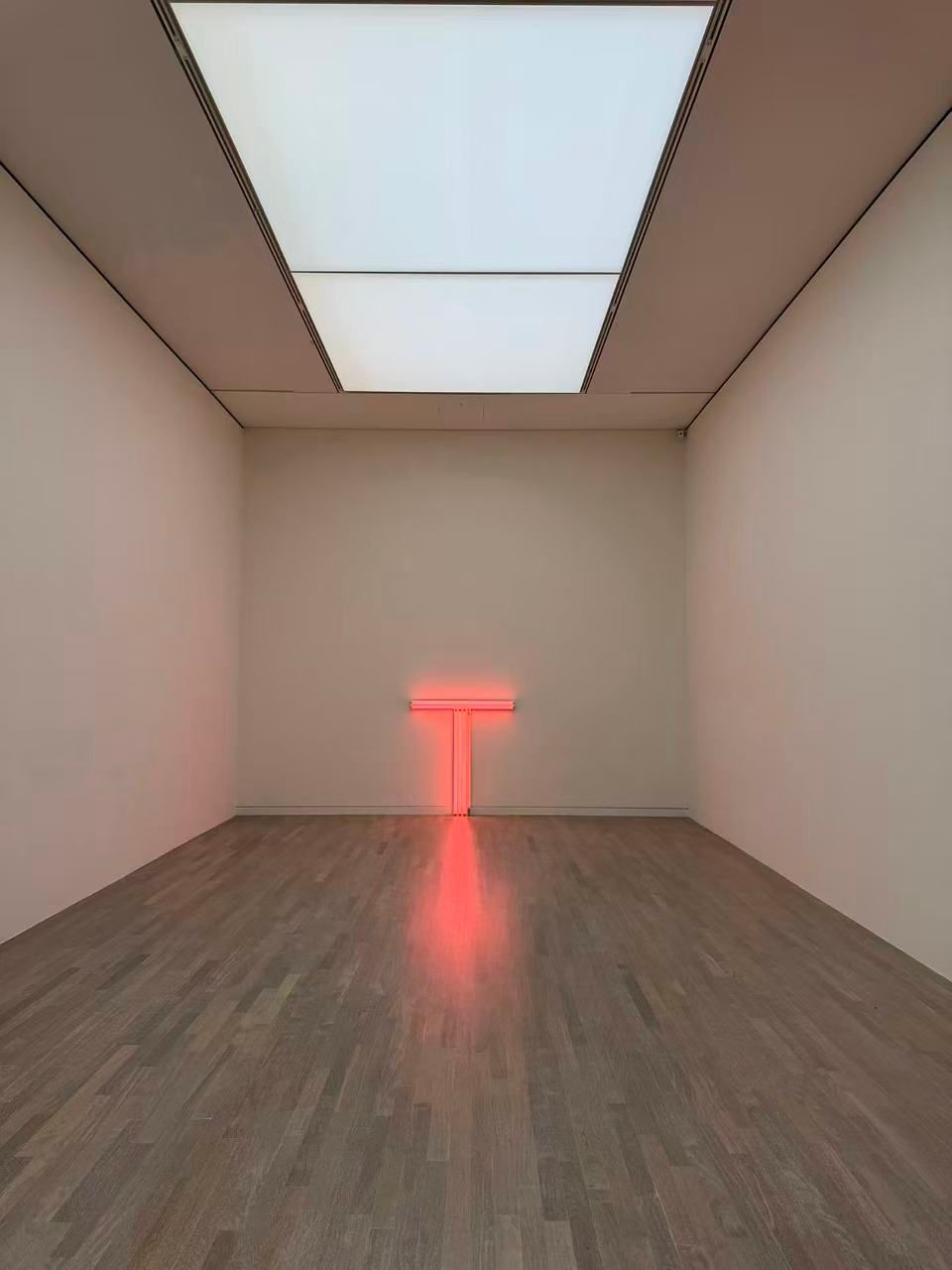
Dan Flavin, untitled (to Don Judd, colorist) 2, 1987
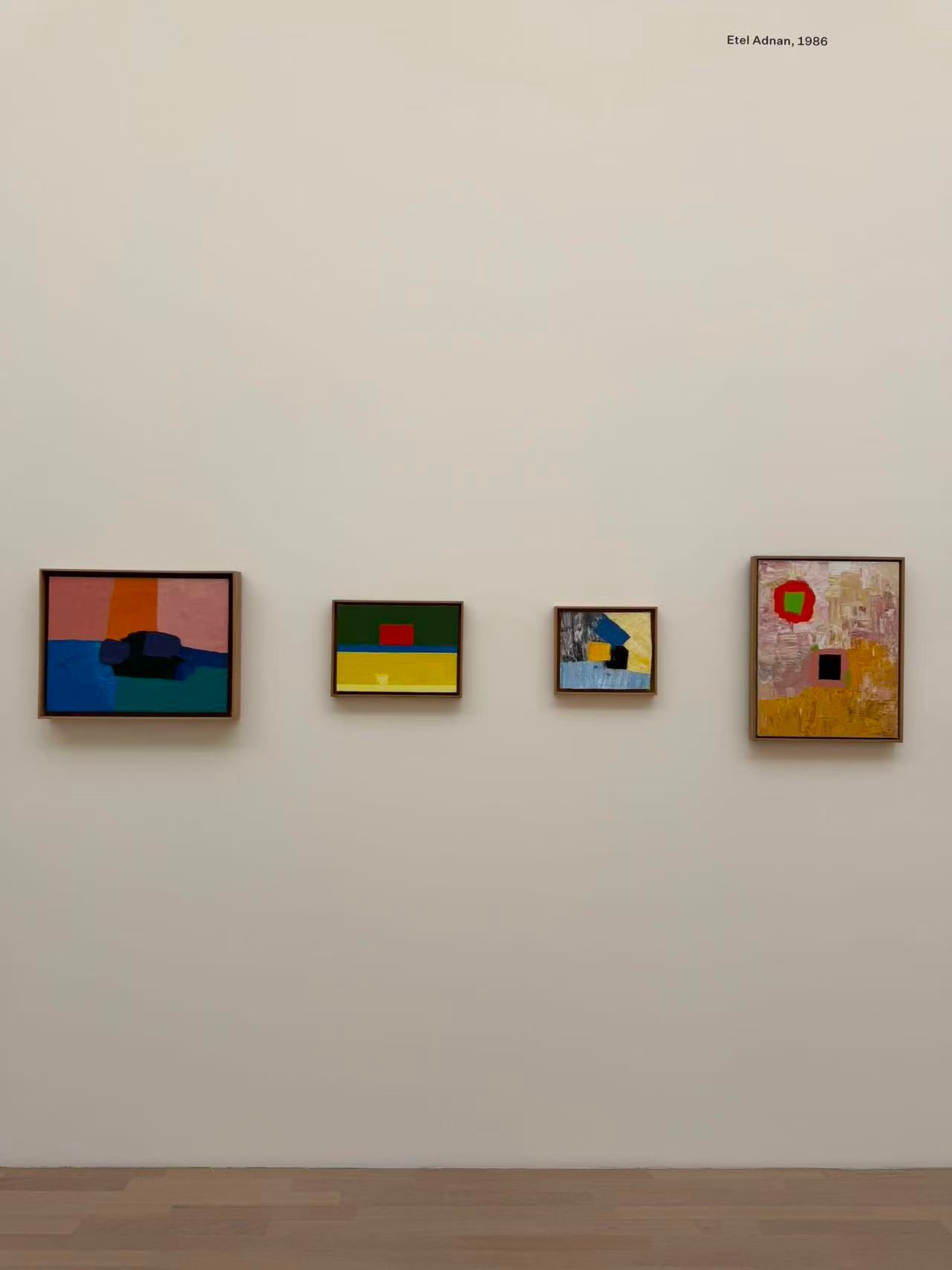
Etel Adnan (Left to right) Persian, 1963–1964; Untitled, 2010/2011; Untitled, c. 1965–1966; Hot, c. 1960.