Counting Days, Living Time | The Date Paintings of On Kawara
On Kawara transformed the simple act of recording a date into a lifelong meditation on time and existence. Through his Today series, he turned each day into a disciplined act of presence, synchronizing art with lived duration. Like Tehching Hsieh’s endurance performances, Kawara treated time as material itself, dissolving the boundary between art and life and pursuing permanence within impermanence.
At the end of last year, solo exhibitions of On Kawara in Paris and London brought him back into public view. These marked his first shows with David Zwirner in a decade. The Paris space presented early works created in Tokyo between 1955 and 1956, while the London space focused on his iconic Date Paintings. At the end of last month (May), Tai Kwun also presented On Kawara: Rules of Freedom, Freedom of Rules, highlighting the artist’s unique systematic method and fundamentally reshaping viewers’ understanding of time and existence.
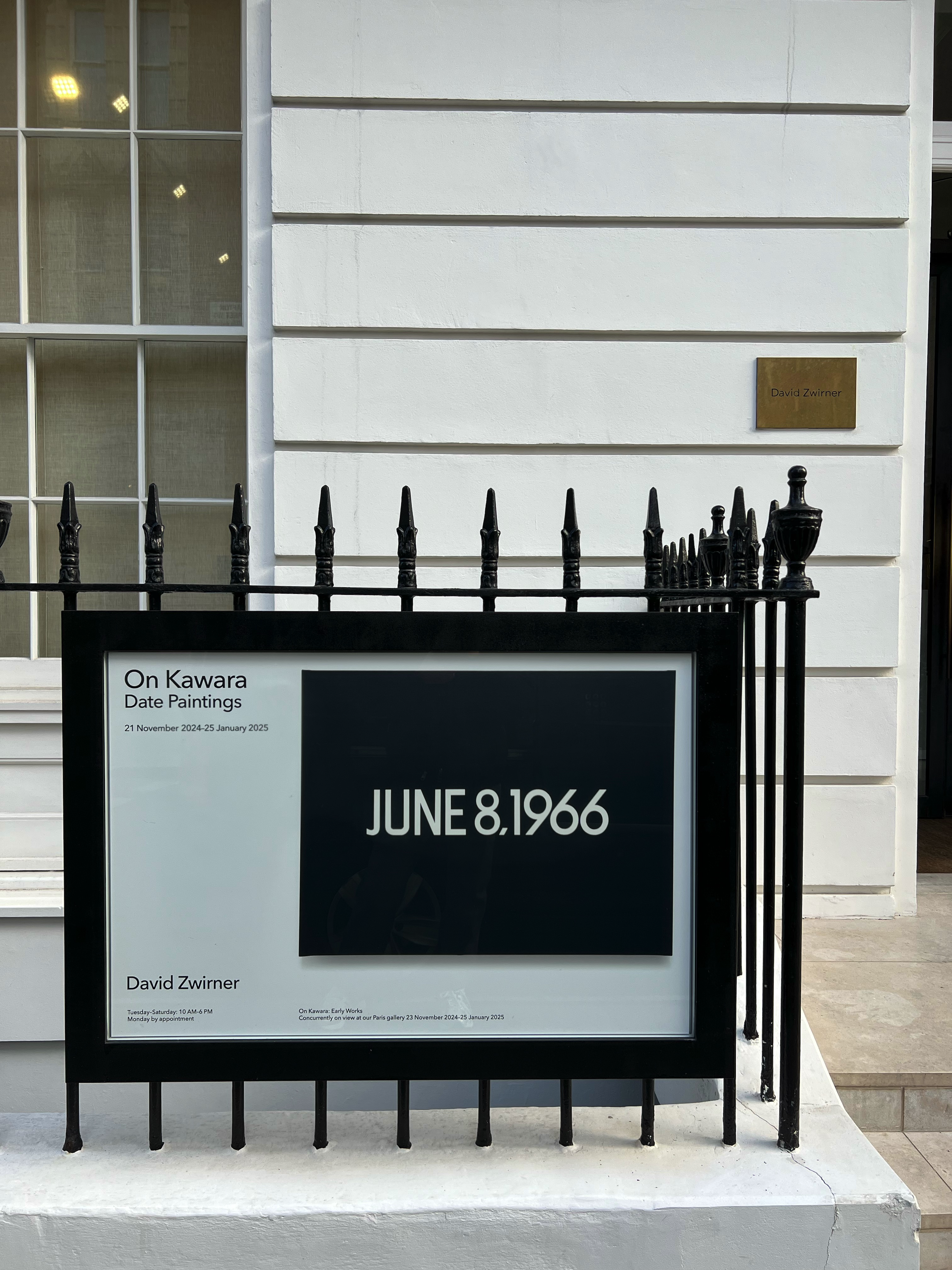
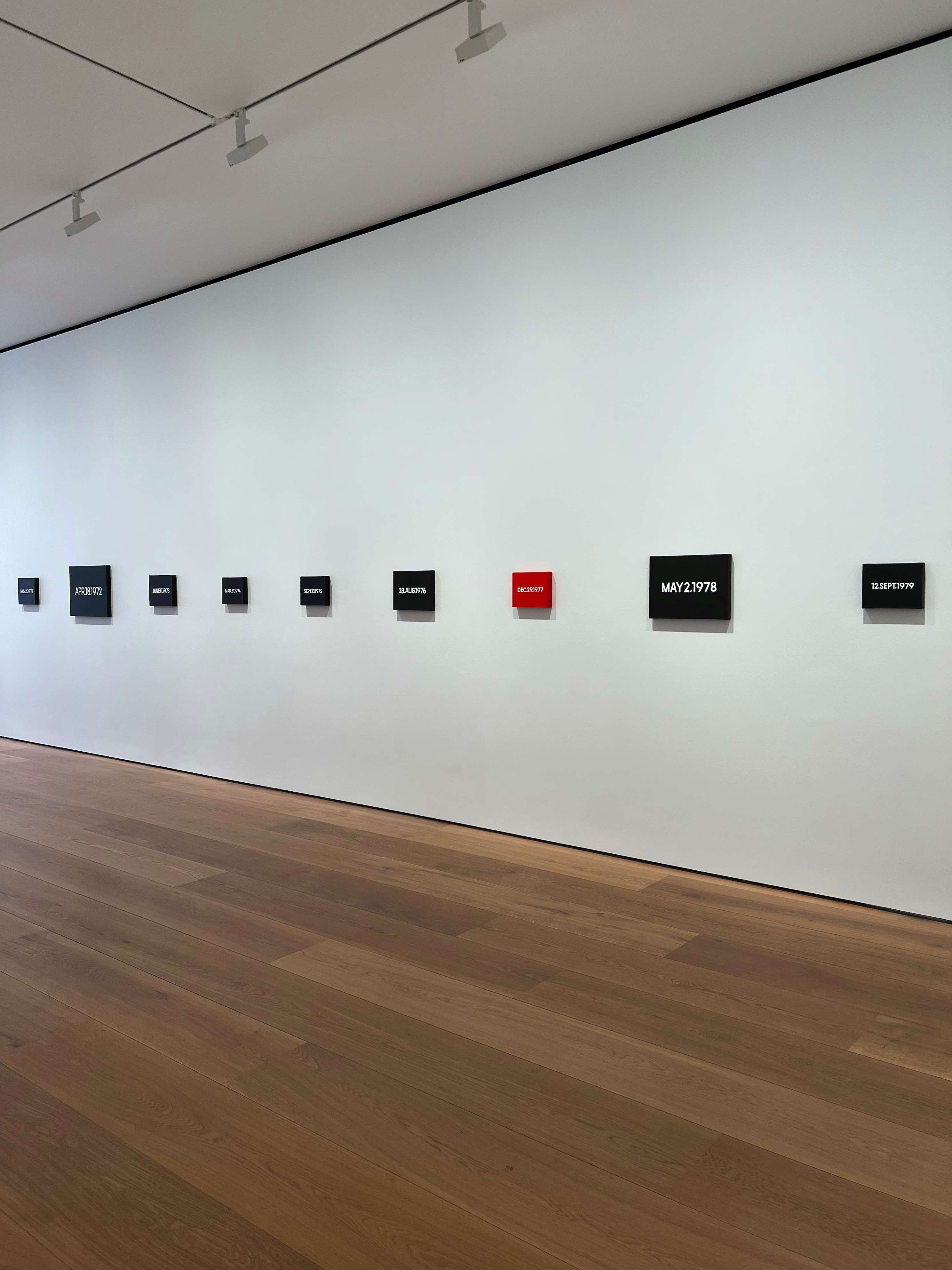
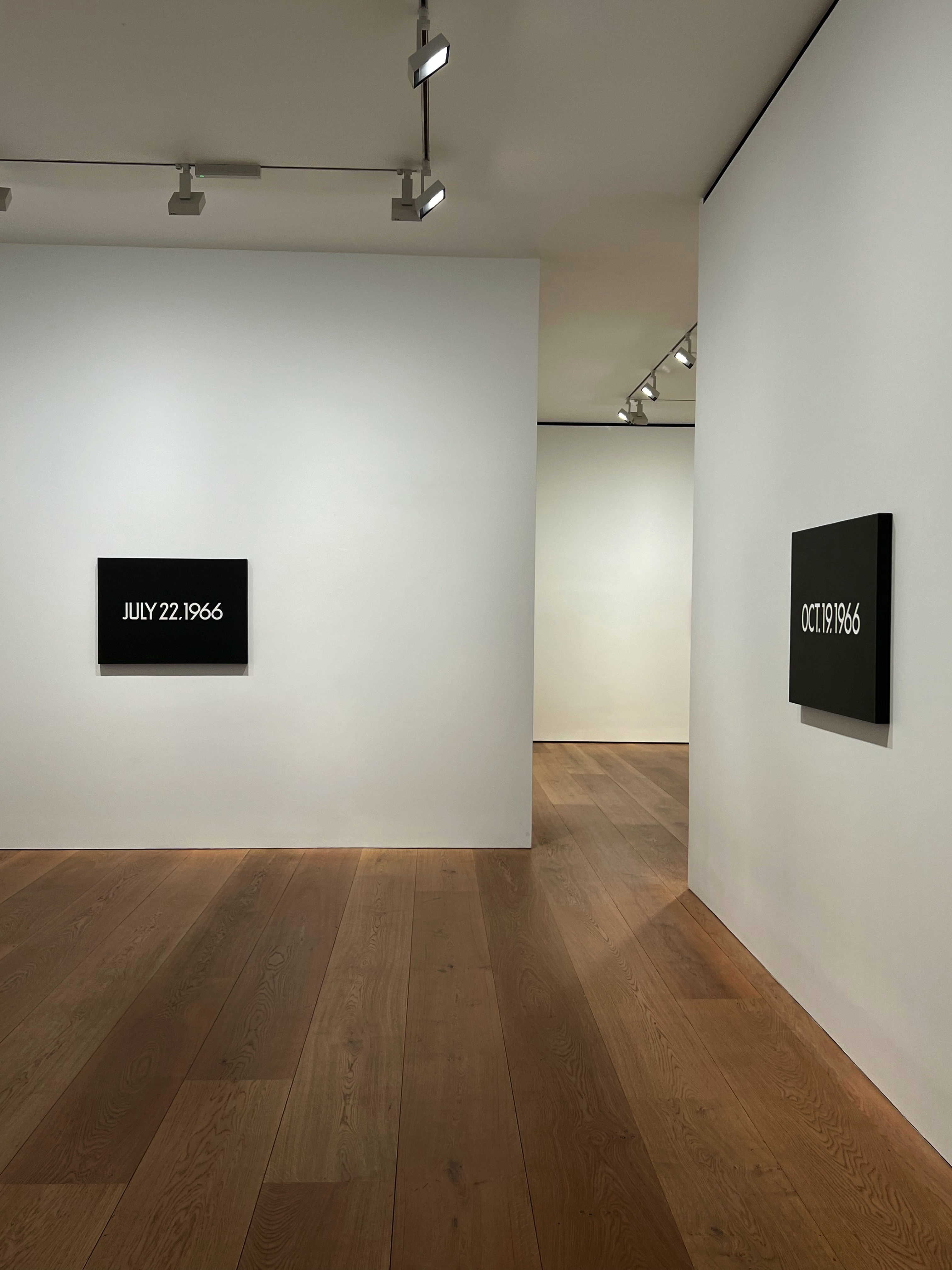
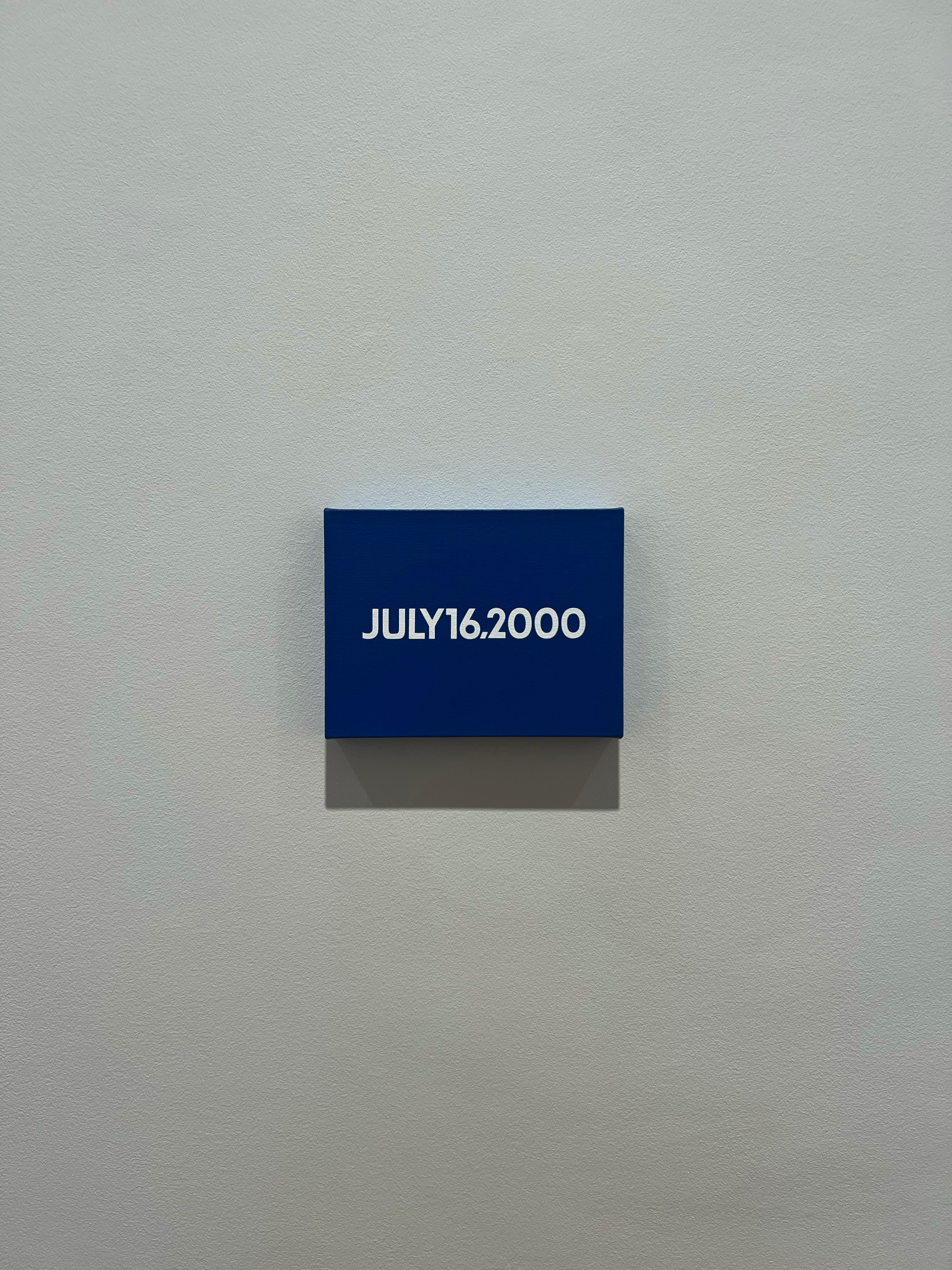
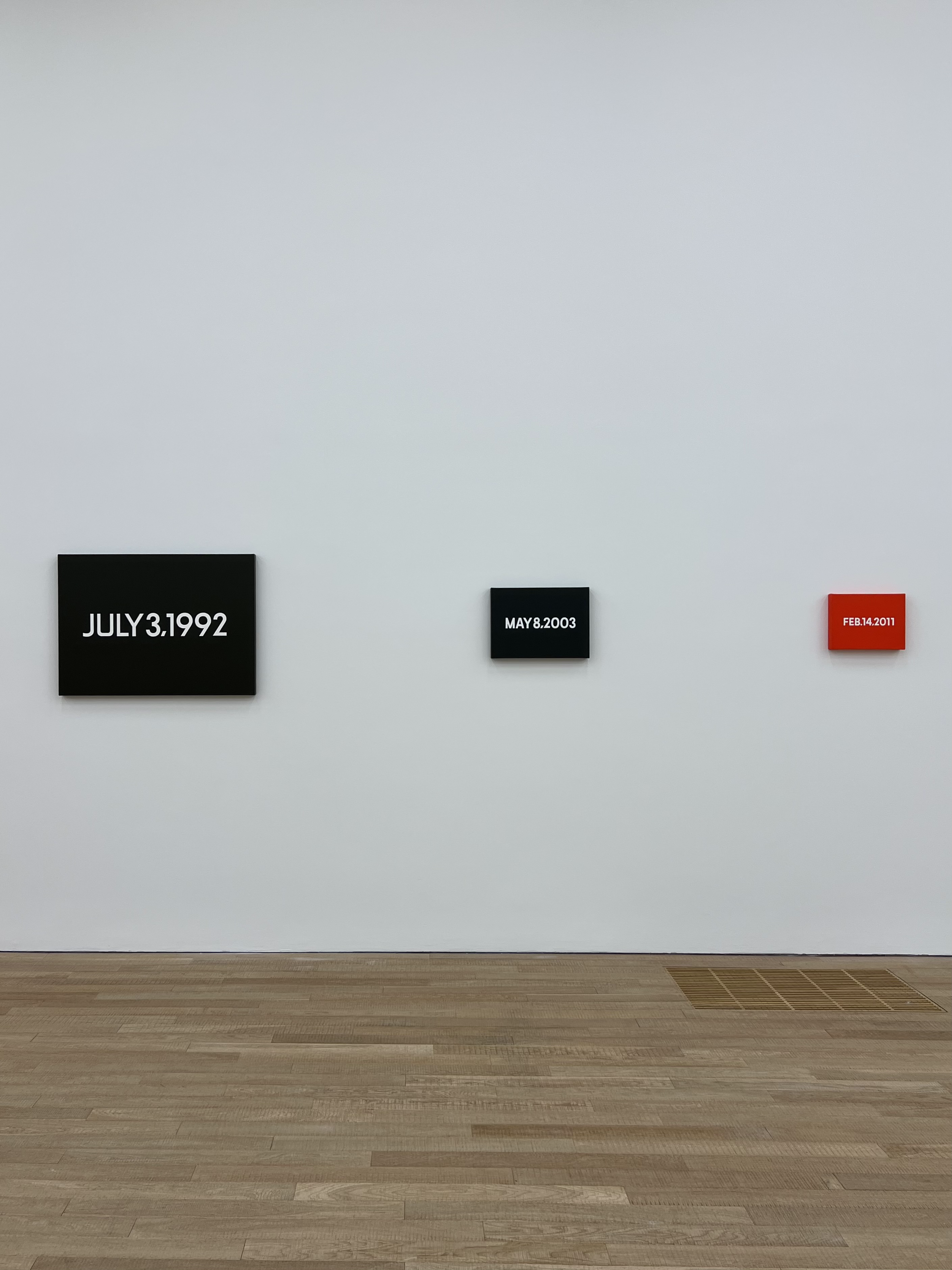
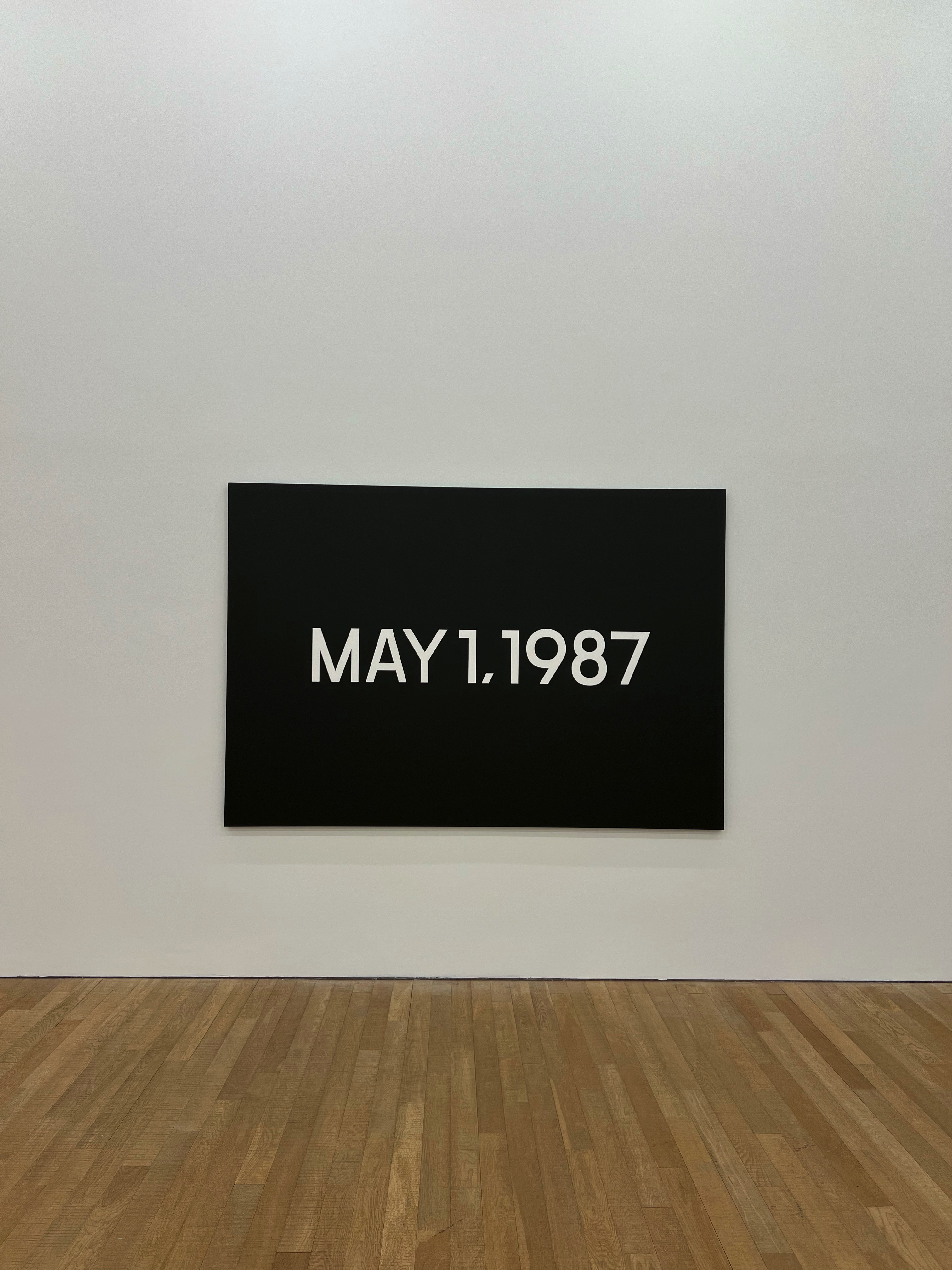
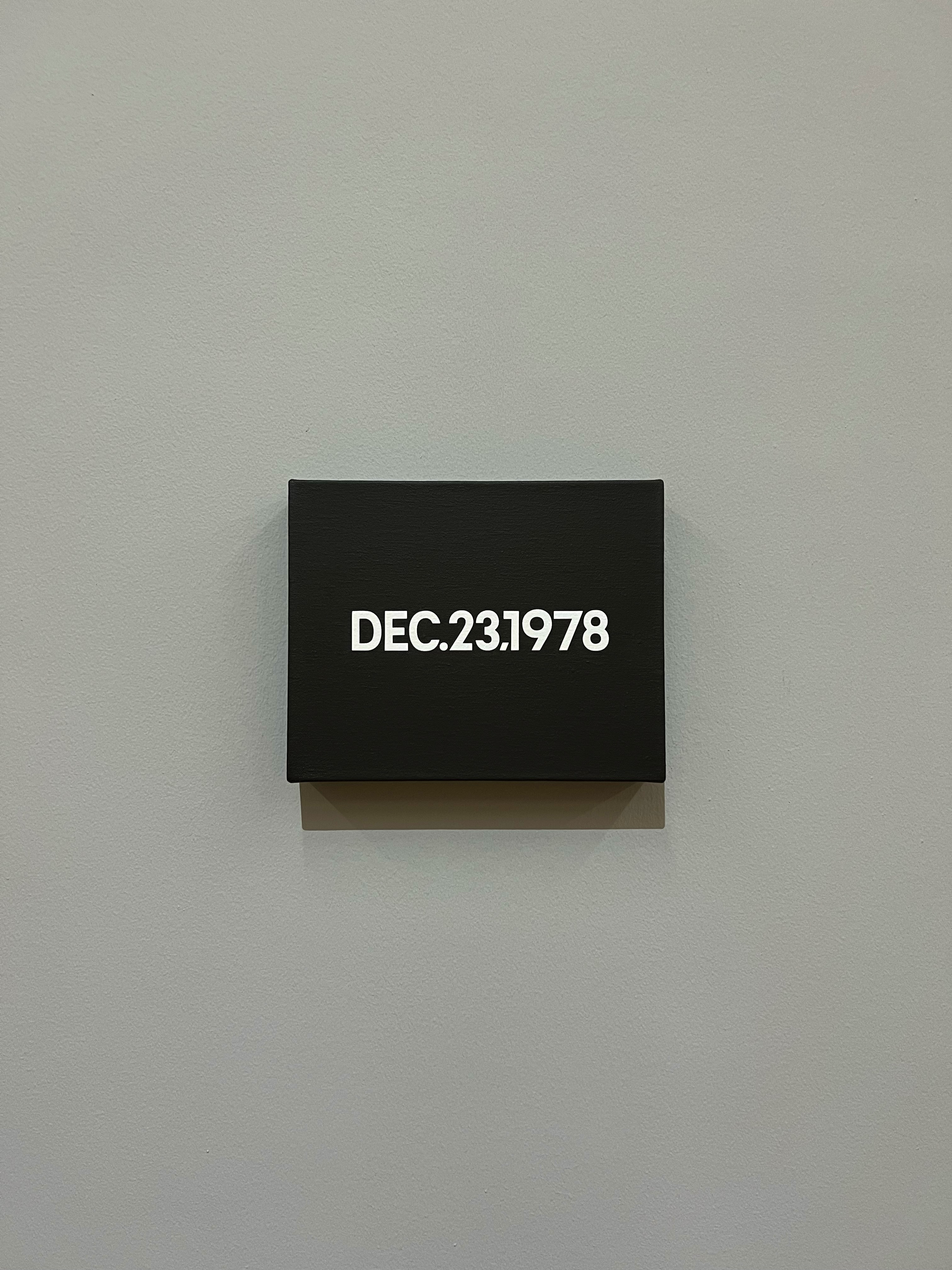
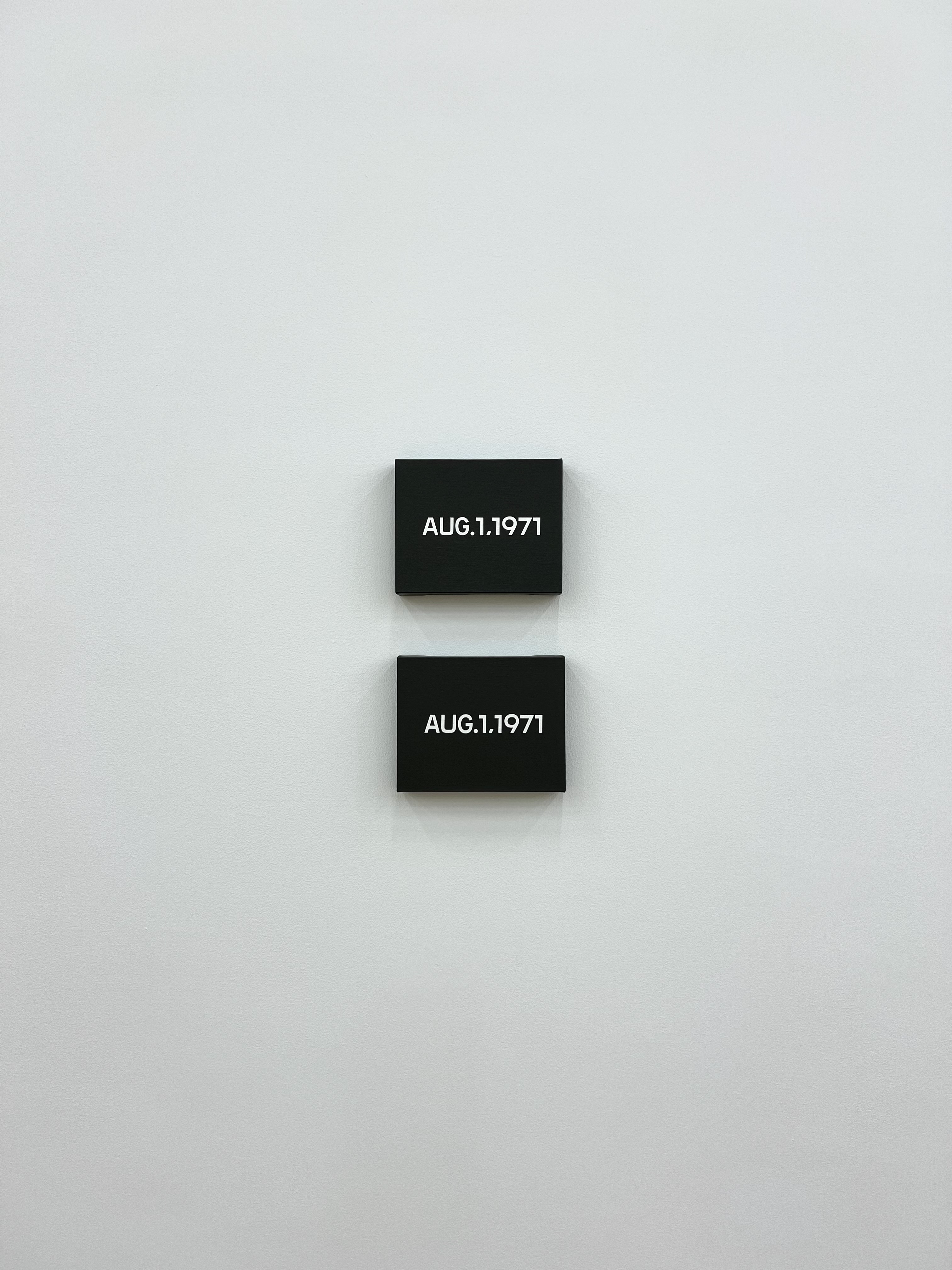
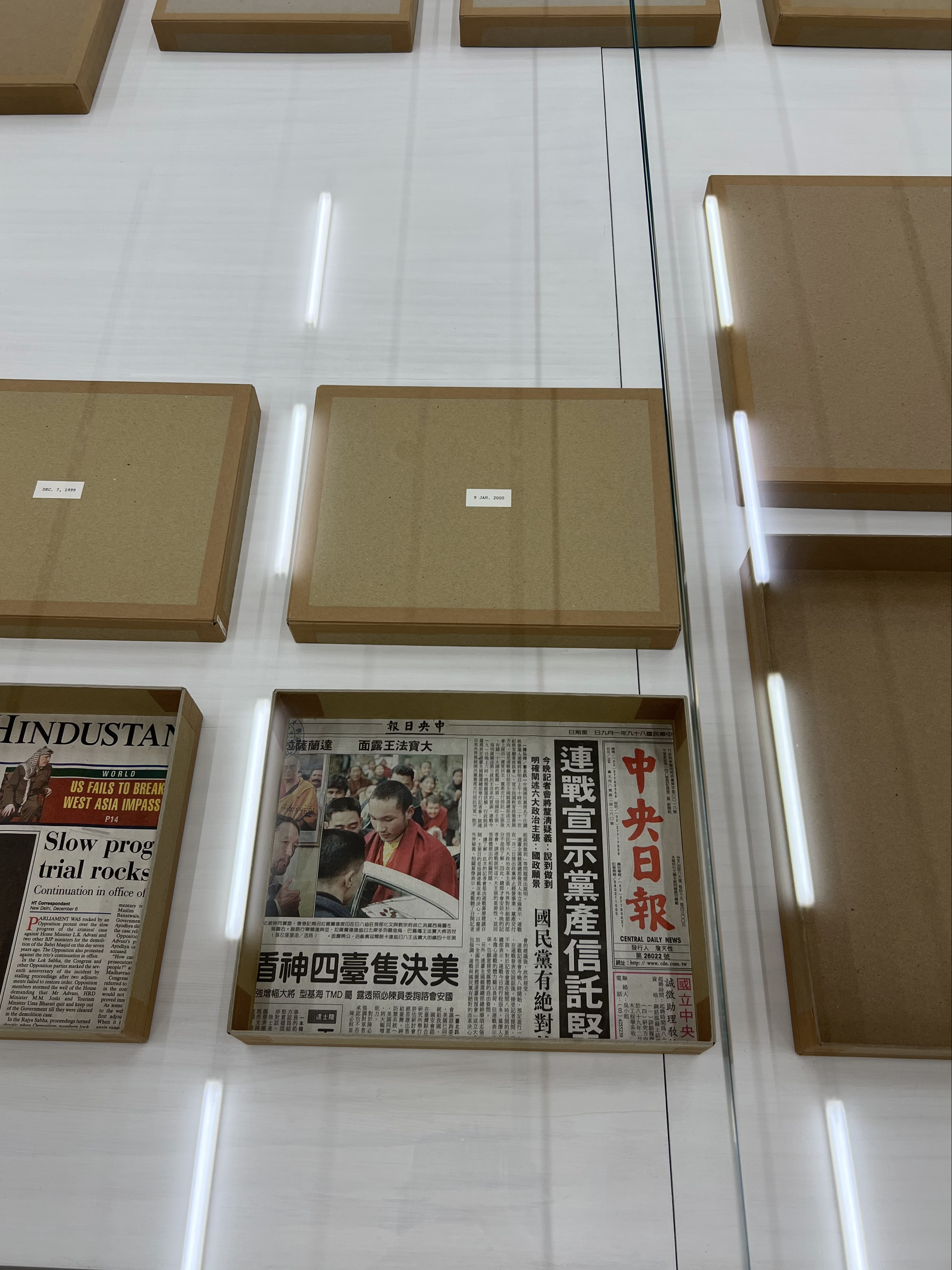
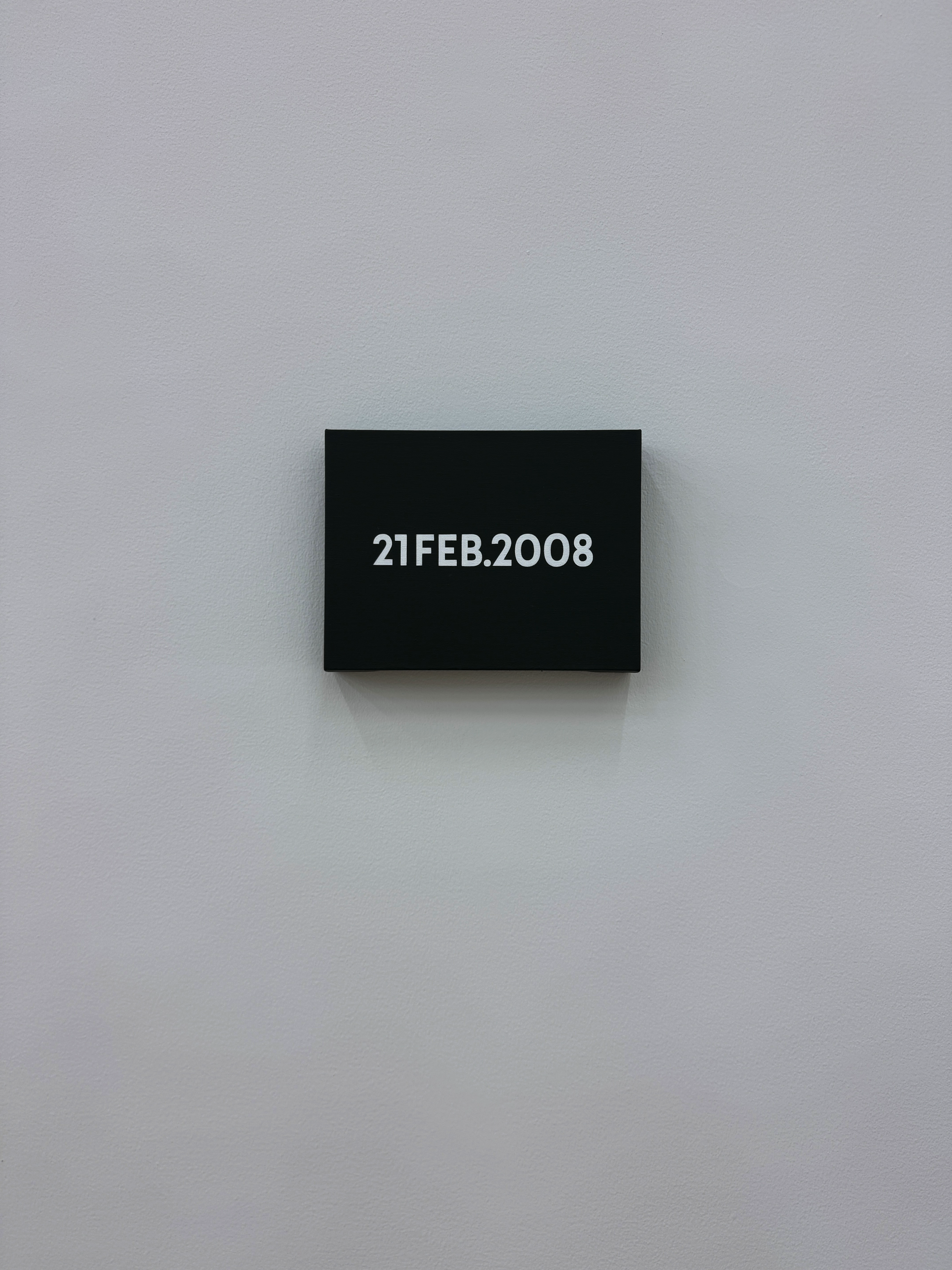
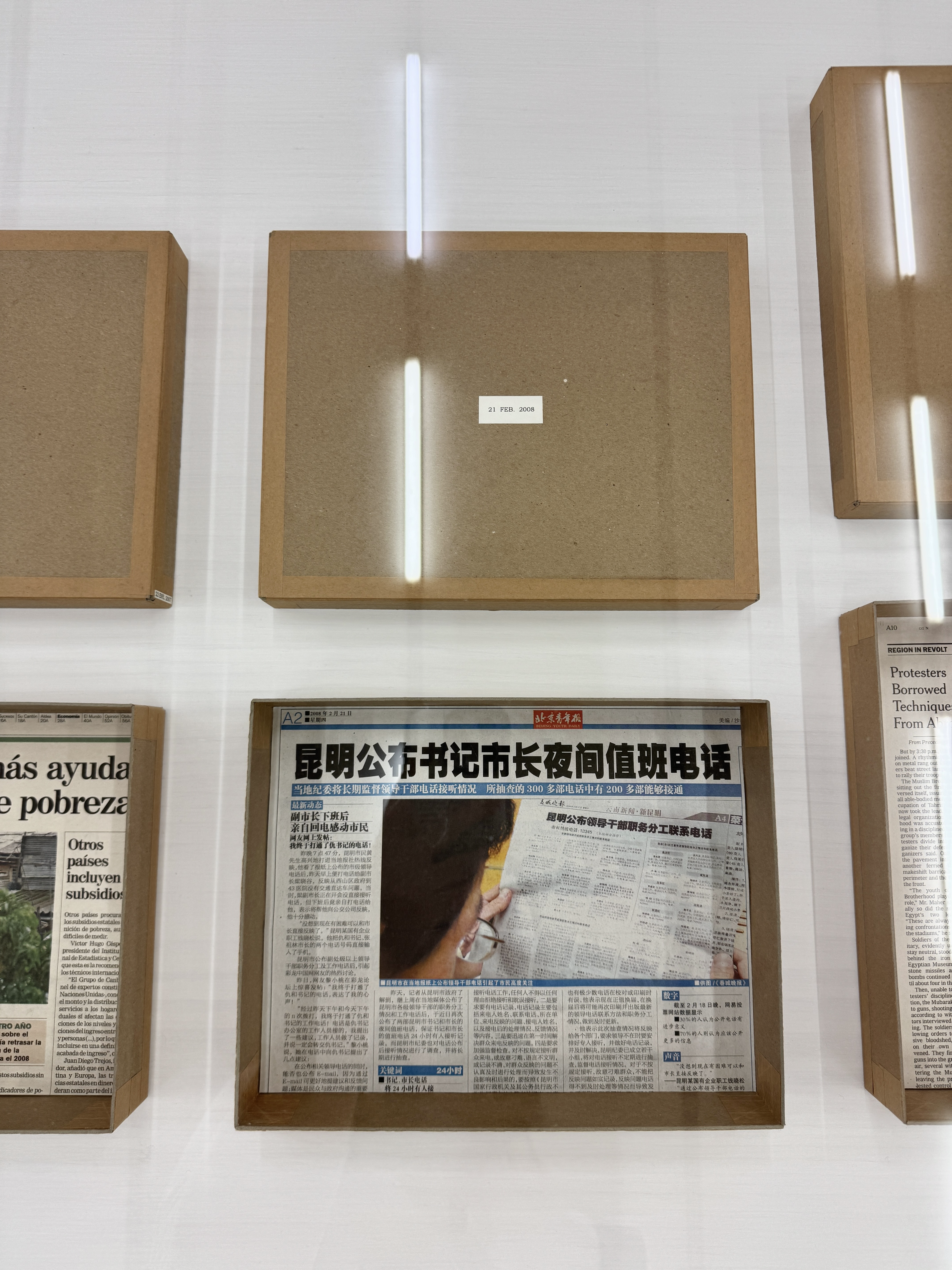
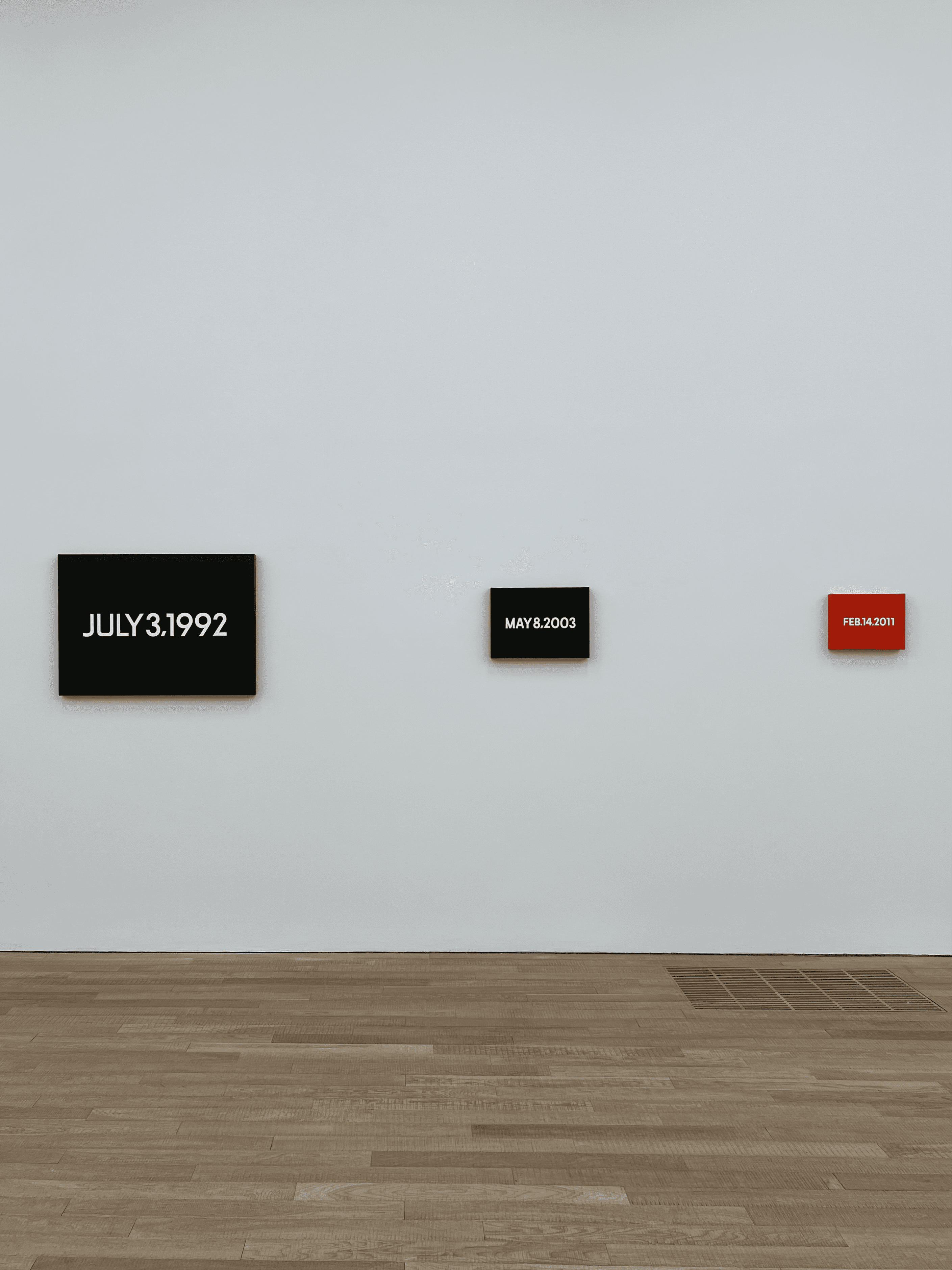
Dates and time are inherently abstract concepts. Kawara’s Today series, known as the Date Paintings, features the month, day, and year of a specific date between 1966 and 2013, meticulously rendered against a monochrome background. Each painting is accompanied by a newspaper clipping from the place where he was located that day (though some works contain no clipping). The Tai Kwun exhibition included newspapers from Taipei, Kunming, and Bangkok, turning time into something concrete, almost like a chronological record. Each painting took approximately eight to nine hours to complete—equivalent to a full working day. Creation was not romantic or spontaneous, but a disciplined daily practice. If a work was not finished on the day indicated, it lost its meaning as “today” and was destroyed. Over four decades, Kawara produced around 3,000 Date Paintings, most of which are now held in major institutions and museums.
The origin of this series can be traced back to a 1965 triptych titled Title, consisting of three red canvases bearing the words “ONE THING,” “1965,” and “VIET-NAM.” The work alluded to the United States’ official military involvement in the Vietnam War and established the formal foundation for the later Today series. The triptych is now in the collection of the National Gallery of Art in Washington, D.C.
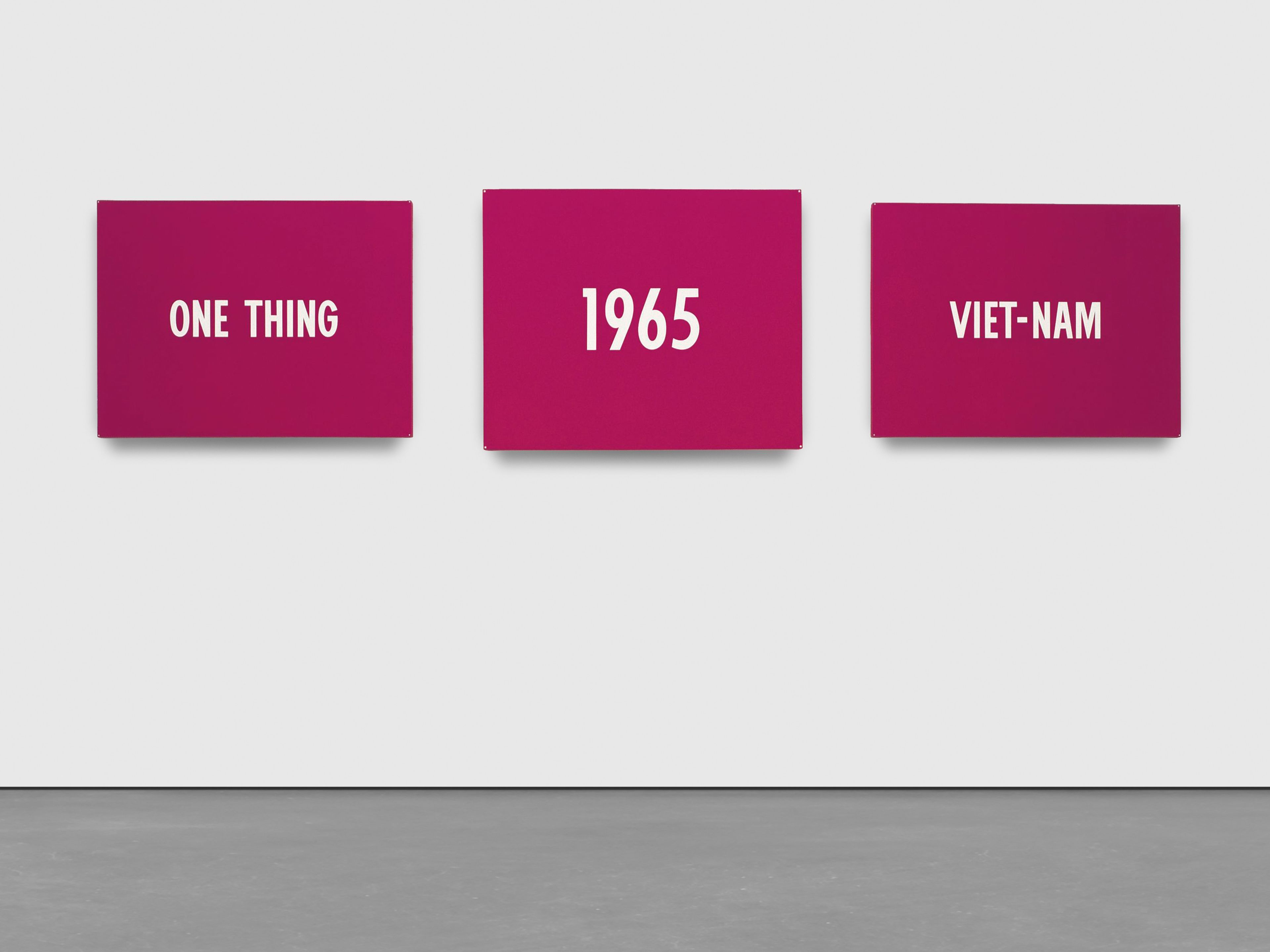
On Karawa, Title, 1965
Kawara’s measurement of time recalls the practice of Tehching Hsieh. Hsieh is best known for five year-long performance pieces—Cage, Time Clock, Outdoor, Rope, and No Art. In 2024, he donated eleven major works spanning his entire career to the Dia Art Foundation, from his earliest performance in 1973 to his final work in 1999, prompting a retrospective exhibition at Dia Beacon this autumn. Though from different cultural and artistic contexts, both artists treat time as material itself, synchronizing art with lived duration and blurring the boundary between art and life. Their almost ascetic discipline challenges human limits and bodily perception of time.
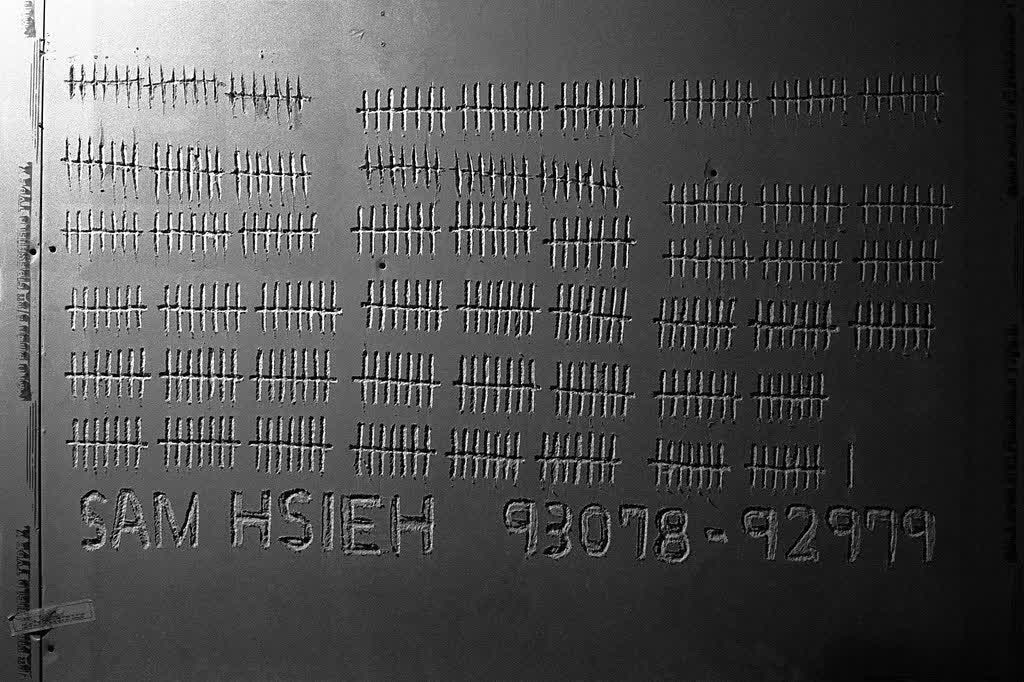
Tehching Hsieh, One Year Performance 1980–1981, image courtesy of the artist and Sean Kelly Gallery
The rarity and scholarly importance of the Date Paintings, combined with David Zwirner’s long-term representation of Kawara and the estate’s strict market control, have sustained steady value growth over the past decade. Smaller works (10 × 13 in.) are typically estimated at US$300,000–400,000. At Sotheby's’ May sale Selections from The Collection of Barbara Gladstone, AUG. 8, 1975 sold for US$635,000 (including premium), setting a new record for that size category. We have also sourced a particularly meaningful Date Painting for an Asian collector.
The first retrospective after Kawara’s passing was held in 2015 at the Solomon R. Guggenheim Museum, titled On Kawara: Silence. As visitors ascended the museum’s iconic spiral ramp, it felt as though they were fast-forwarding through the artist’s lifetime, counting the passing days in his stead.
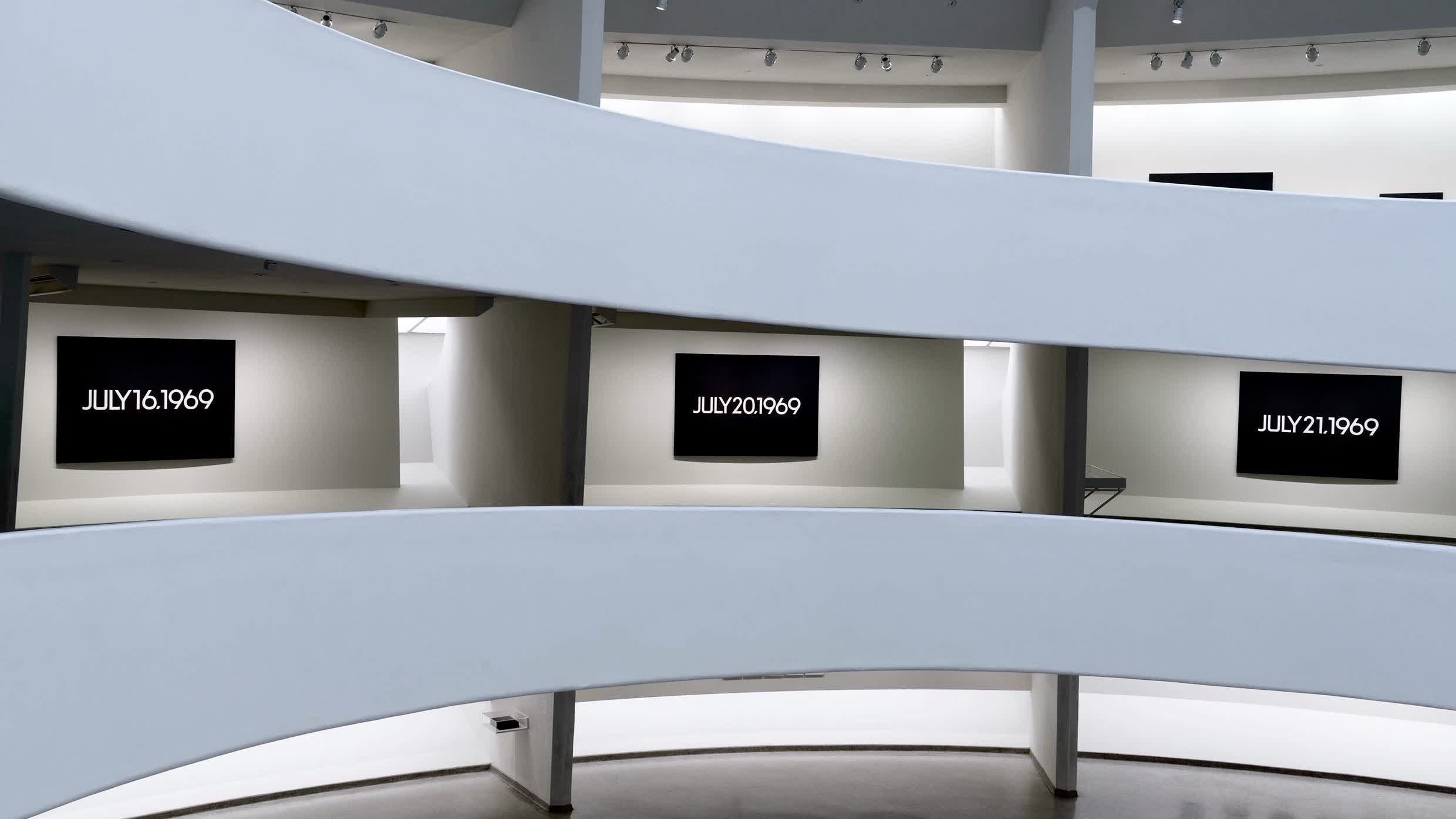
Installation view of On Kawara: Silence at the Solomon R. Guggenheim Museum, New York
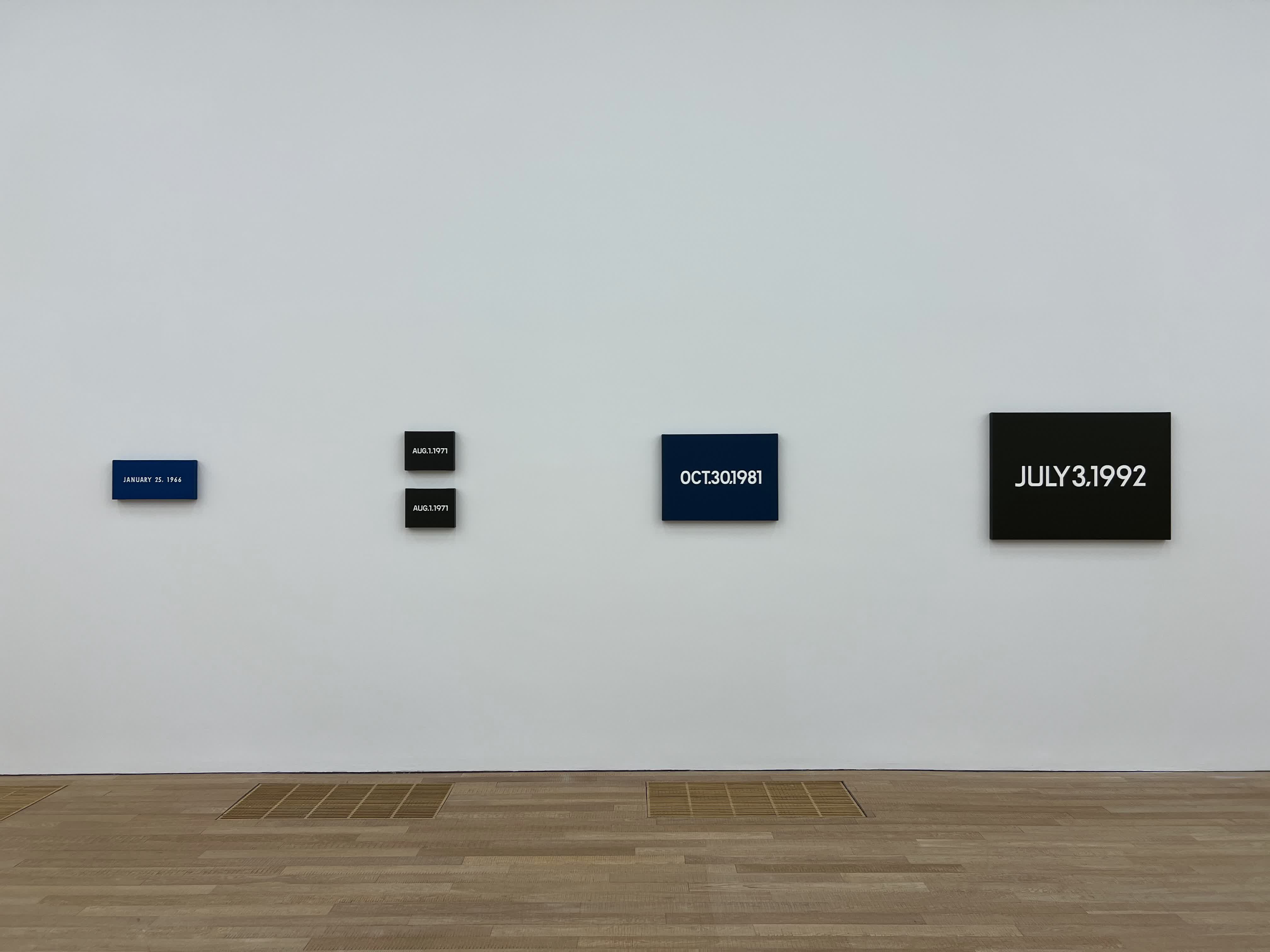
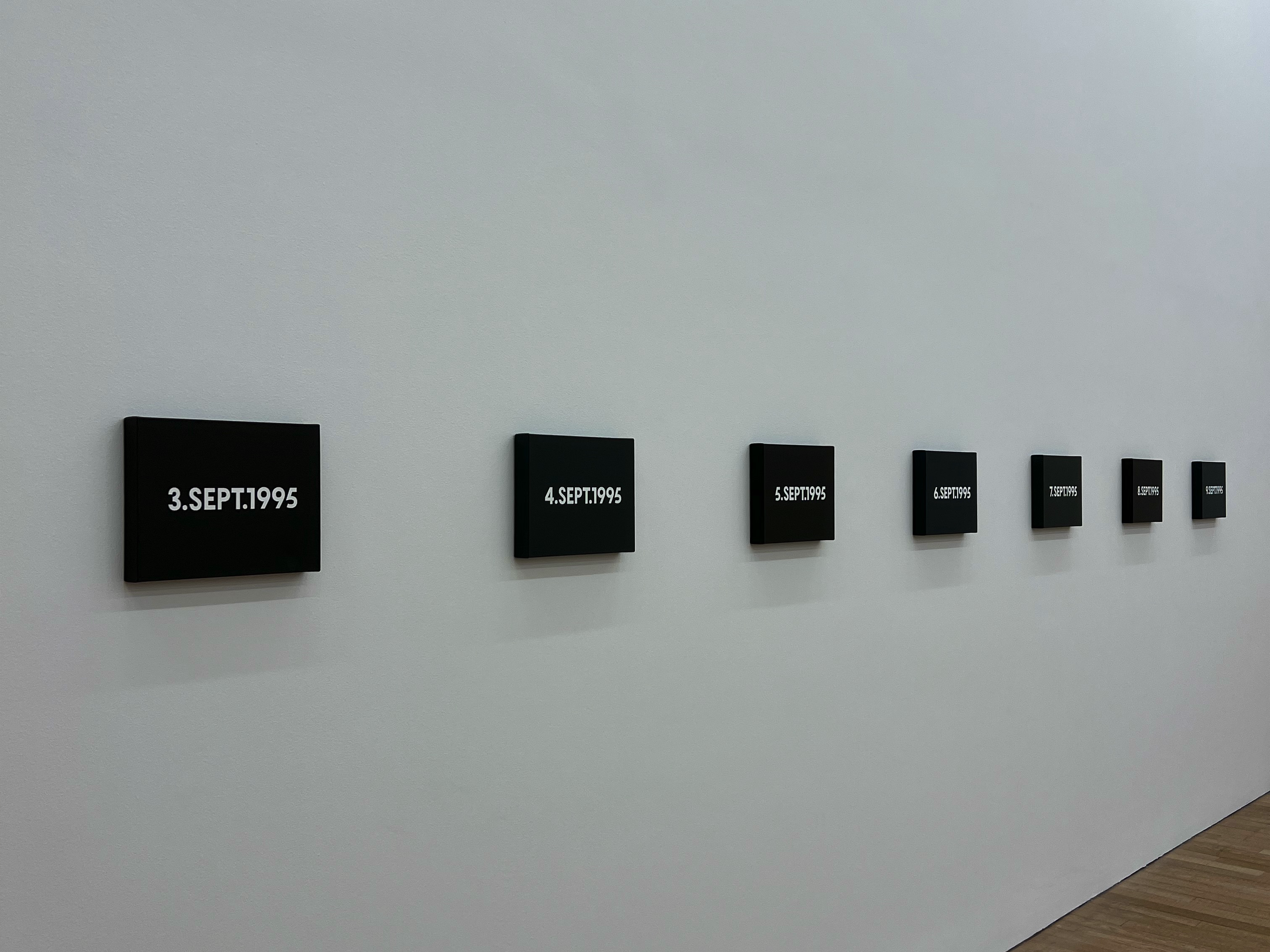
On Kawara elevated daily life into artistic practice, devoted his entire existence to it, and through his works achieved another form of permanence within time.