From Lee Ufan to Lee Bae: Forging the Contemporary Soul of Dansaekhwa from the Ashes of Time
Lee Bae transforms charcoal into a contemporary meditation on material, labor, and time. Rooted in the legacy of Lee Ufan and Dansaekhwa, his practice bridges Eastern embodied philosophy and Western Minimalist aesthetics. Through repetitive, ascetic gestures, he turns combustion into spiritual luminosity. His work demonstrates that monochrome is not simply color reduction, but a lived dialogue between body and matter, where repetition accumulates warmth, memory, and a tangible volume of time.
When discussing contemporary Korean art, the names of Lee Ufan and Lee Bae are always intertwined. They not only form a lineage of mentorship, but together define how Dansaekhwa (Korean Monochrome Painting) transforms Eastern embodied practice into an artistic language with universal value within a transnational context. To understand Lee Bae’s artistic significance, one must begin with the connection between him and Lee Ufan that began in Paris. In 1990, Lee Bae traveled to Paris at the invitation of his long-admired mentor, Lee Ufan, and worked as an assistant in his studio. For Lee Bae, this experience was a profound awakening concerning “origins.” At that time, Lee Ufan had already achieved international recognition as a leading figure of Mono-ha and as a pioneer of Dansaekhwa. His well-known From Line series reduced painting to a philosophical dialogue on existence and disappearance through regular and gradually diminishing brushstrokes. Under Lee Ufan’s guidance, Lee Bae came to realize that art is not narrative, but an ultimate condensation of the essence of material.
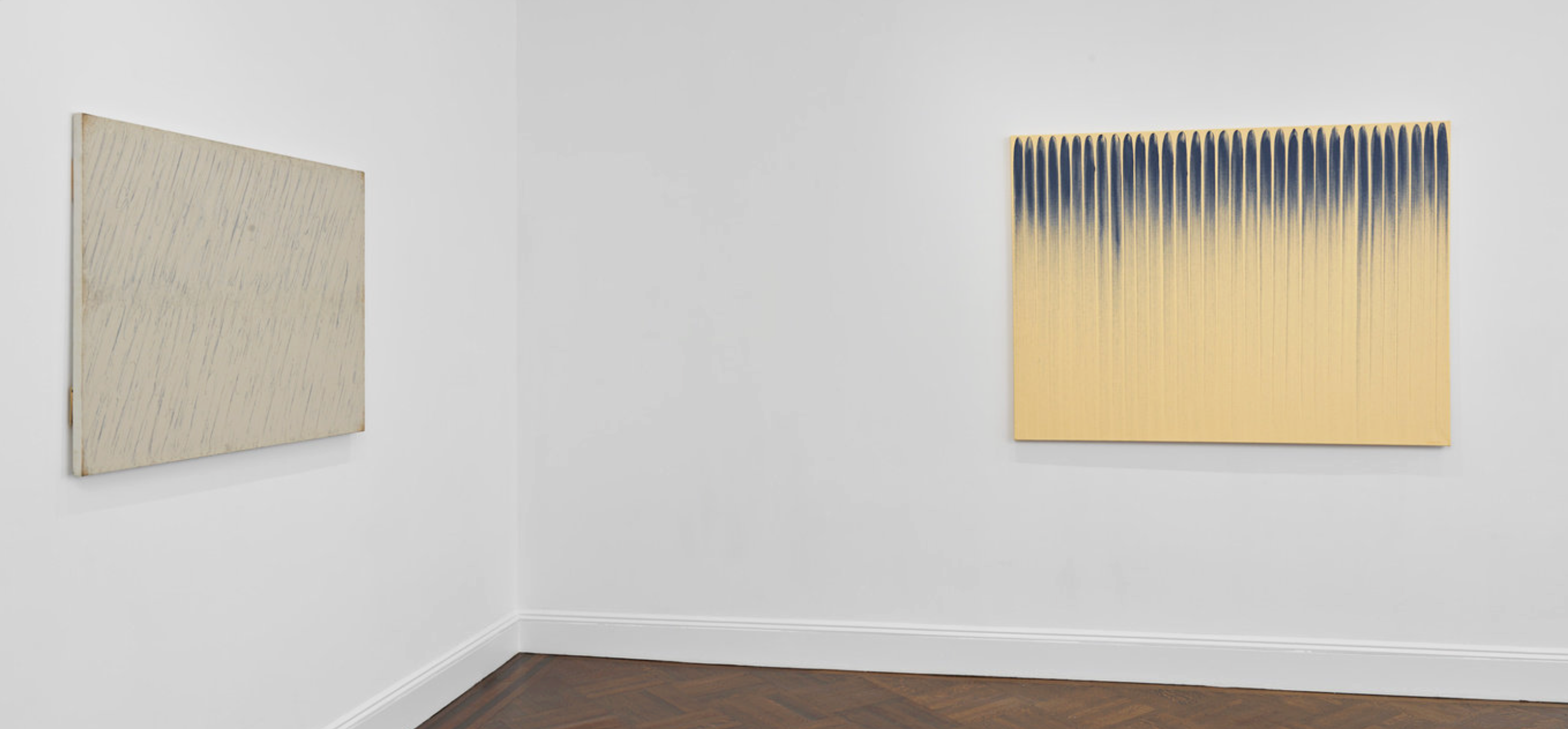
Dansaekhwa and Minimalism at Blum & Poe: Park Seo-Bo (left), Lee Ufan (right)
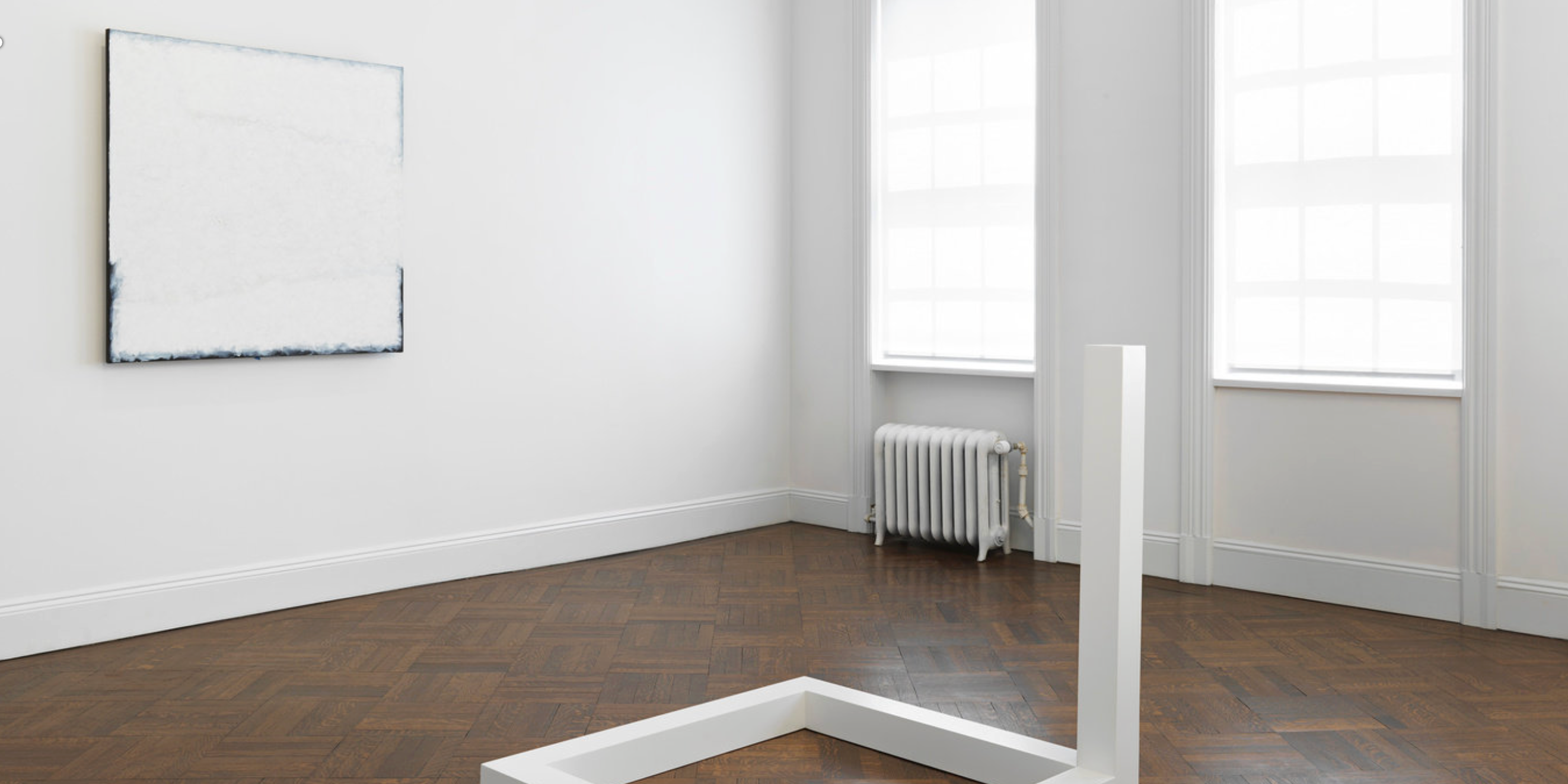
Dansaekhwa and Minimalism at Blum & Poe: Installation view of works by Robert Ryman
This condensation, in visual language, naturally resonates with Western Minimalist masters. When we look at Lee Bae’s deep charcoal black or his powerful geometric compositions, it is difficult not to think of the nearly motionless grids of Agnes Martin, or Robert Ryman’s rigorous exploration of the relationship between white paint and its support. The works of Lee Bae, Martin, and Ryman all share an aesthetic of restraint. They reject embellishment and reduce the image to its most essential elements. Martin pursued spiritual quietude through subtle lines, while Ryman investigated the ontology of painting through the accumulation of brushstrokes. This shared extreme simplicity allows Lee Bae’s work to enter Western museums and leading galleries without the need for linguistic mediation, gaining resonance within the professional system.
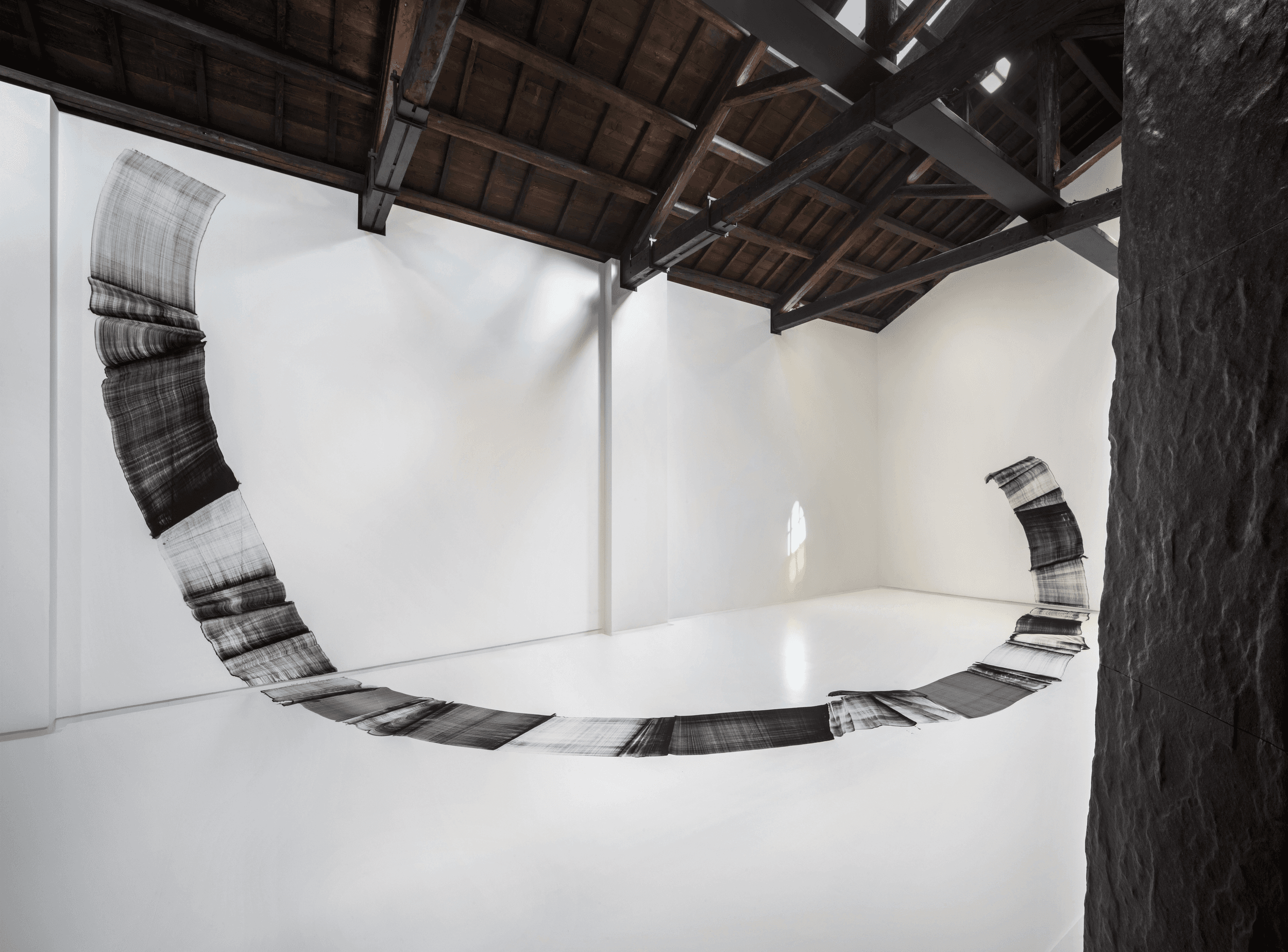
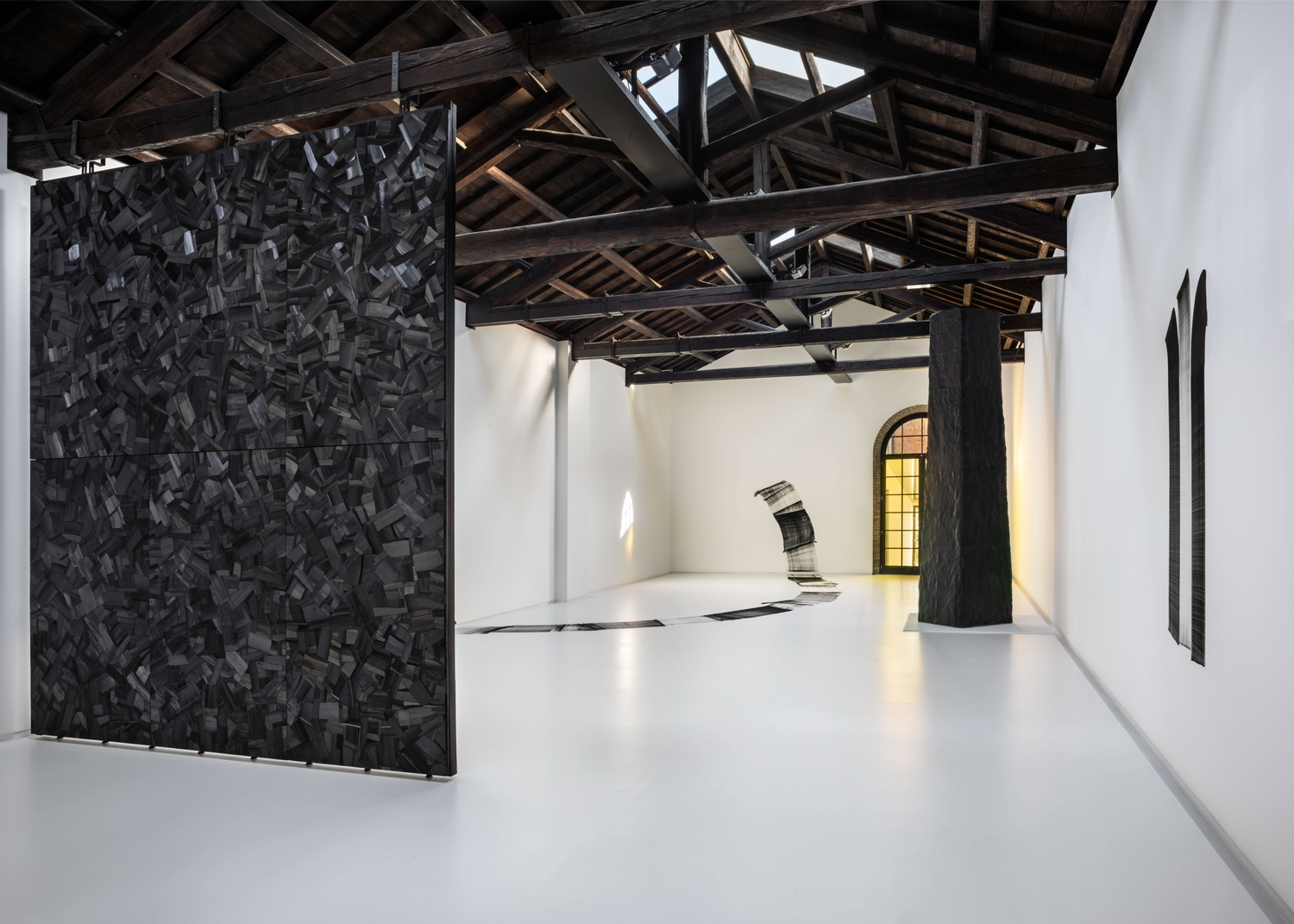
At the same time, this brings to mind his exhibition at the 60th edition of the Venice Biennale at Fondation Wilmotte. Within that historic space, with its traditional Venetian wooden roof structure and aged beams, Lee Bae’s charcoal paintings formed a subtle chemical reaction with the environment. Those monumental black traces, filled with primal energy, appeared especially solemn beneath the time-worn wooden ceiling, as if whispering across time with the structural backbone of the city.
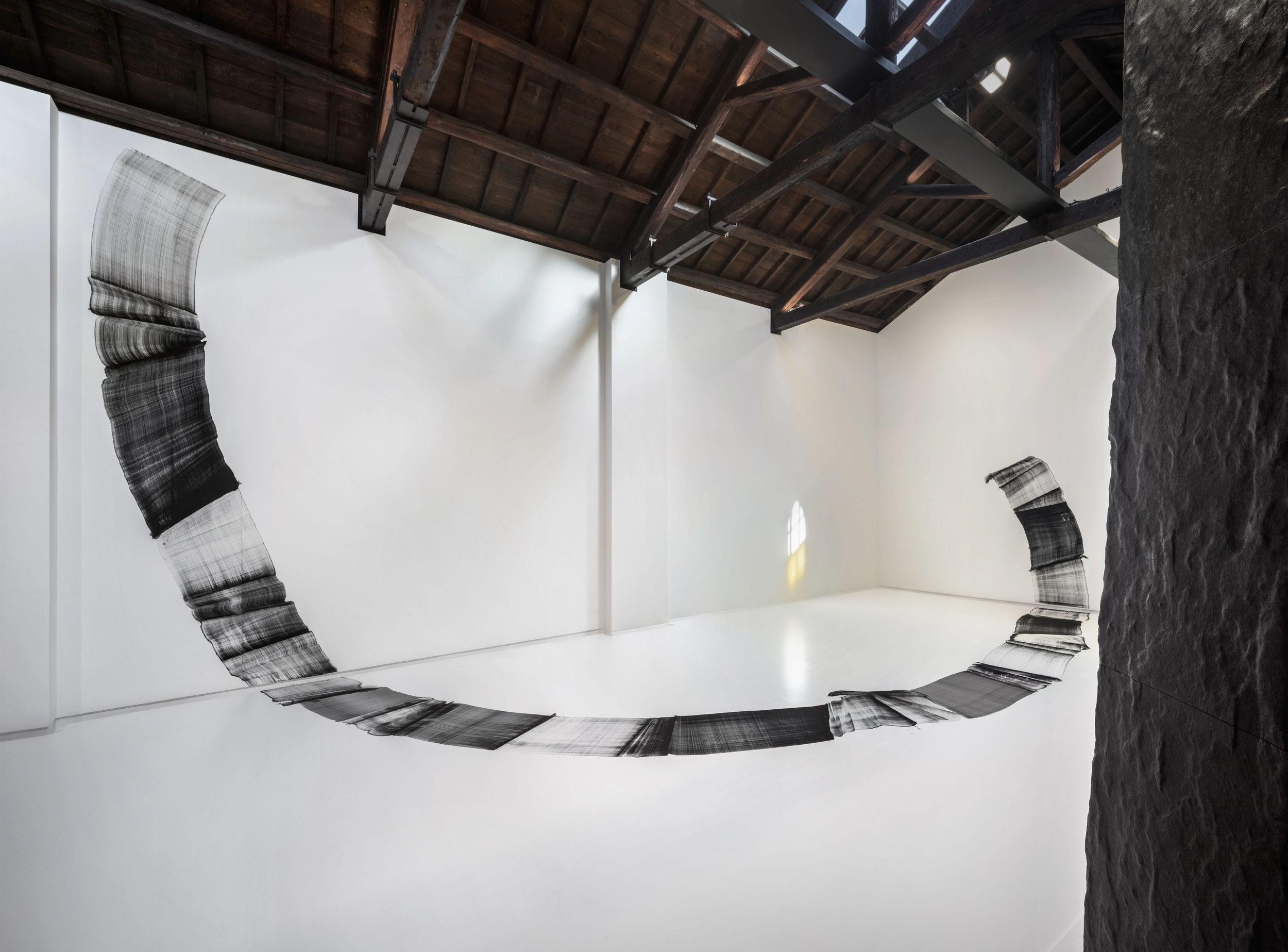
However, the true core of Lee Bae’s work lies in his ultimate practice of “labor” and “repetition,” which also marks the point at which he diverges from Western Minimalism. In the works of Martin and Ryman, repeated lines and color fields often carry a conceptual purity and rigor; in Lee Bae’s work, however, labor transforms into a life force akin to cultivation. This persistence toward material originates from a deeply human and personal history. When Lee Bae first arrived in Paris in 1990, he was living in financial difficulty, and expensive pigments were a heavy burden. In order to continue creating, he bought an ordinary bag of barbecue charcoal from a supermarket to practice drawing. Yet it was precisely this inexpensive charcoal that led him to discover the Korean culture deeply rooted in his own growth.
In Korean tradition, charcoal is not only fuel, but also a medium with protective and purifying meaning. When building a house, large amounts of charcoal are buried beneath the foundation to prevent decay and purify; when soy sauce ferments, charcoal is added to suppress harmful bacteria; even when a baby is born, charcoal is hung on the rope placed at the entrance of the house to ward off evil and illness. Lee Bae realized that he comes from a culture that coexists with “black charcoal and ink.” For him, charcoal is not only the final form of purified mineral matter, but also symbolizes the ultimate state of material after burning—pure and infinite.
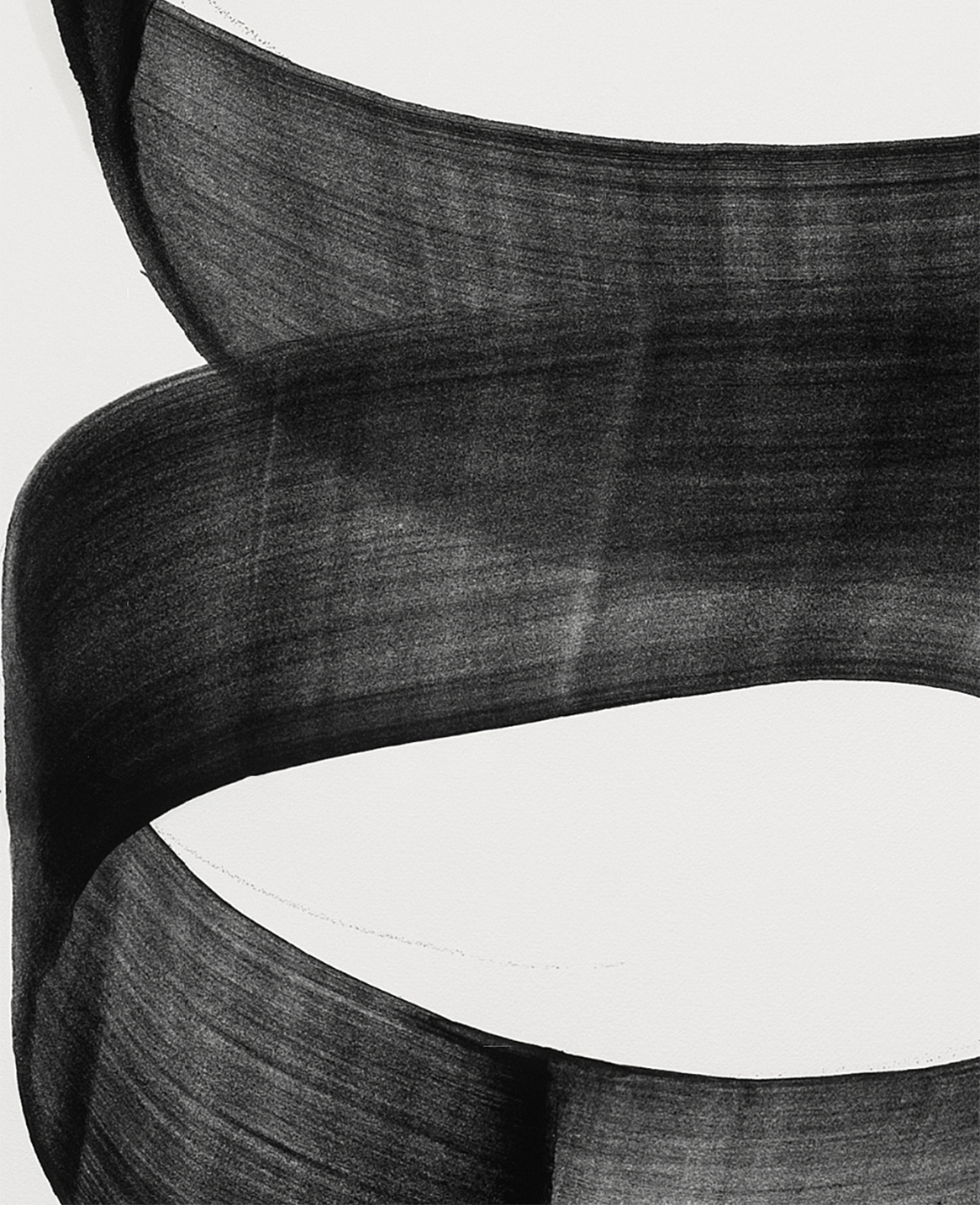
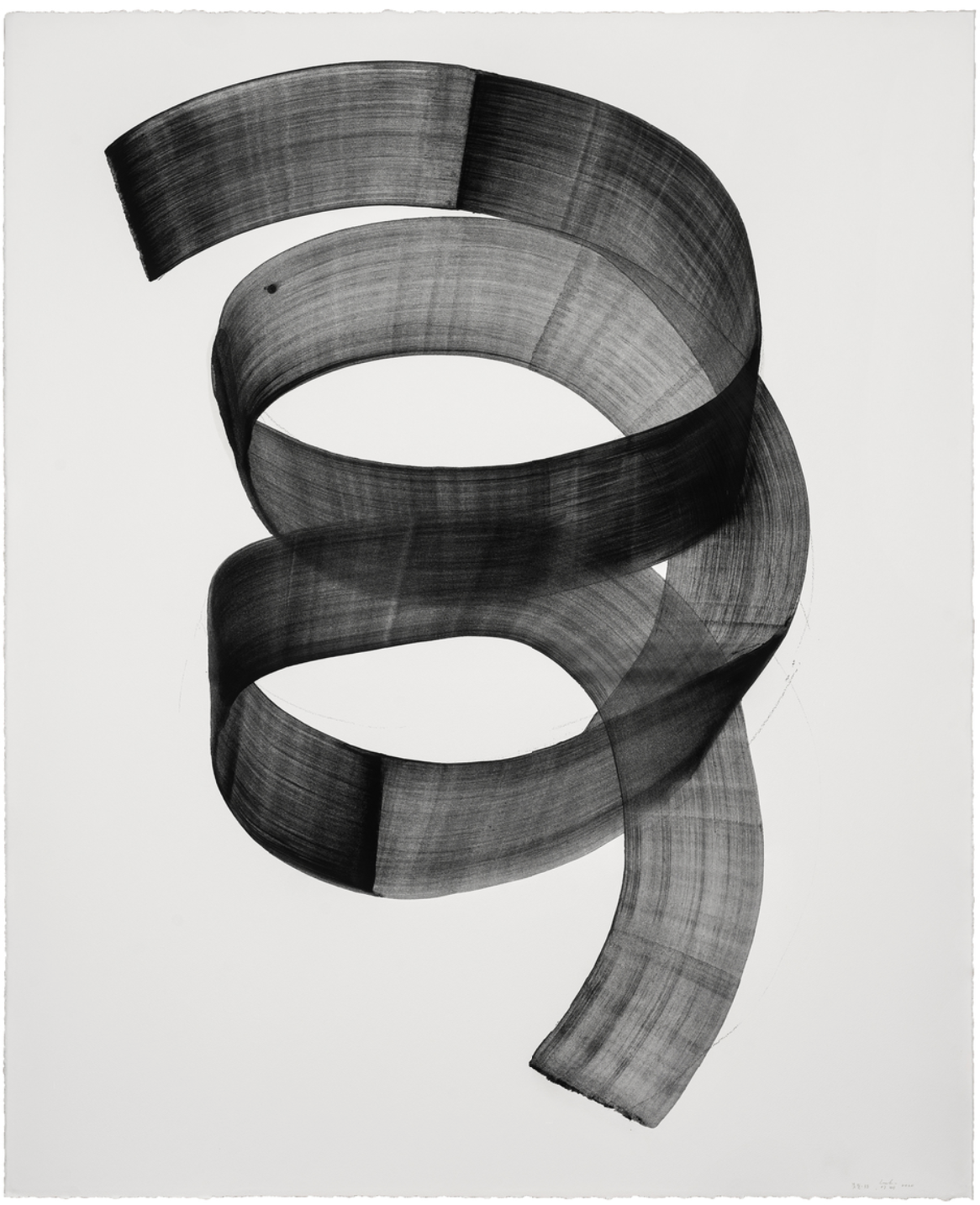
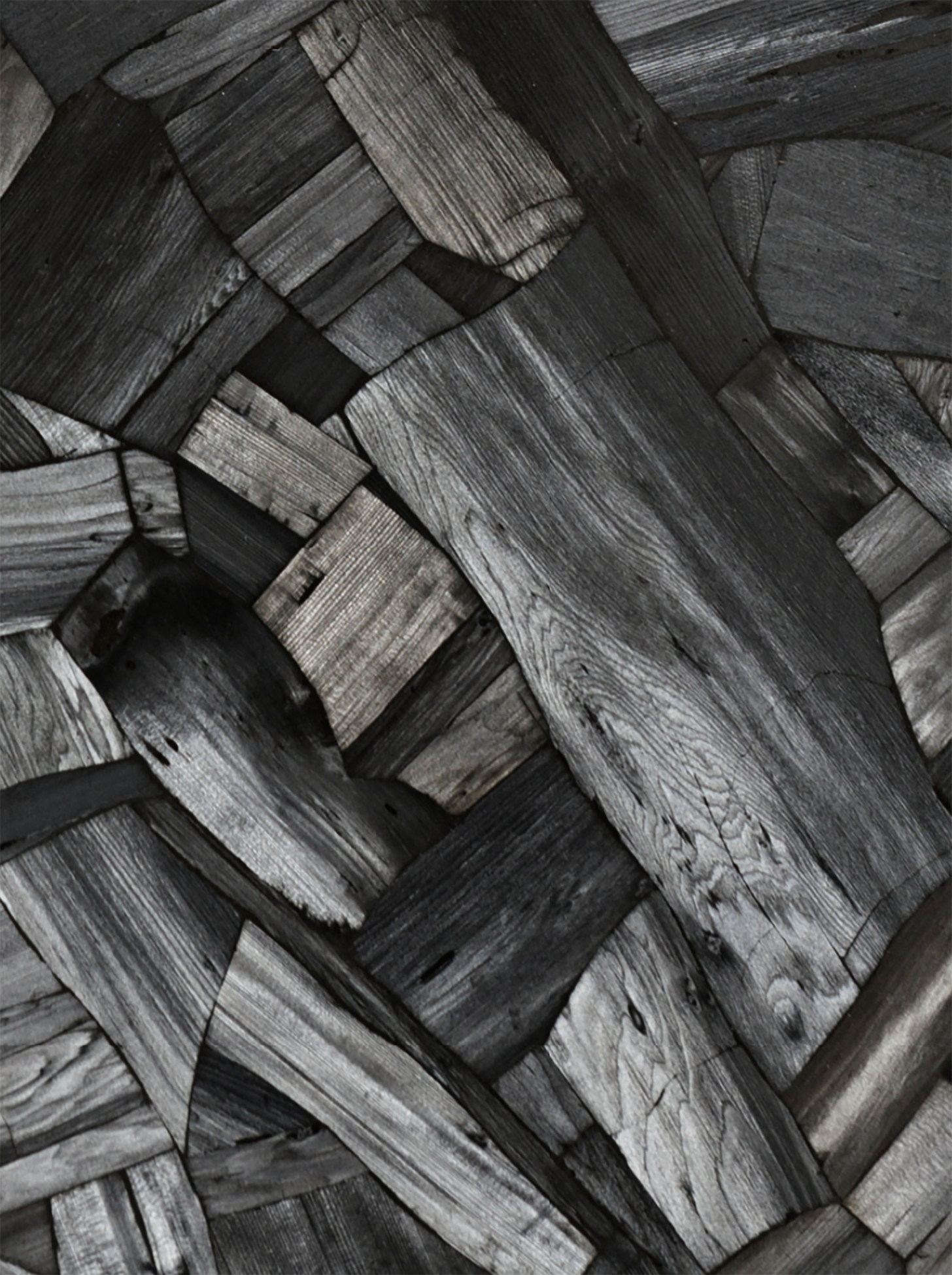
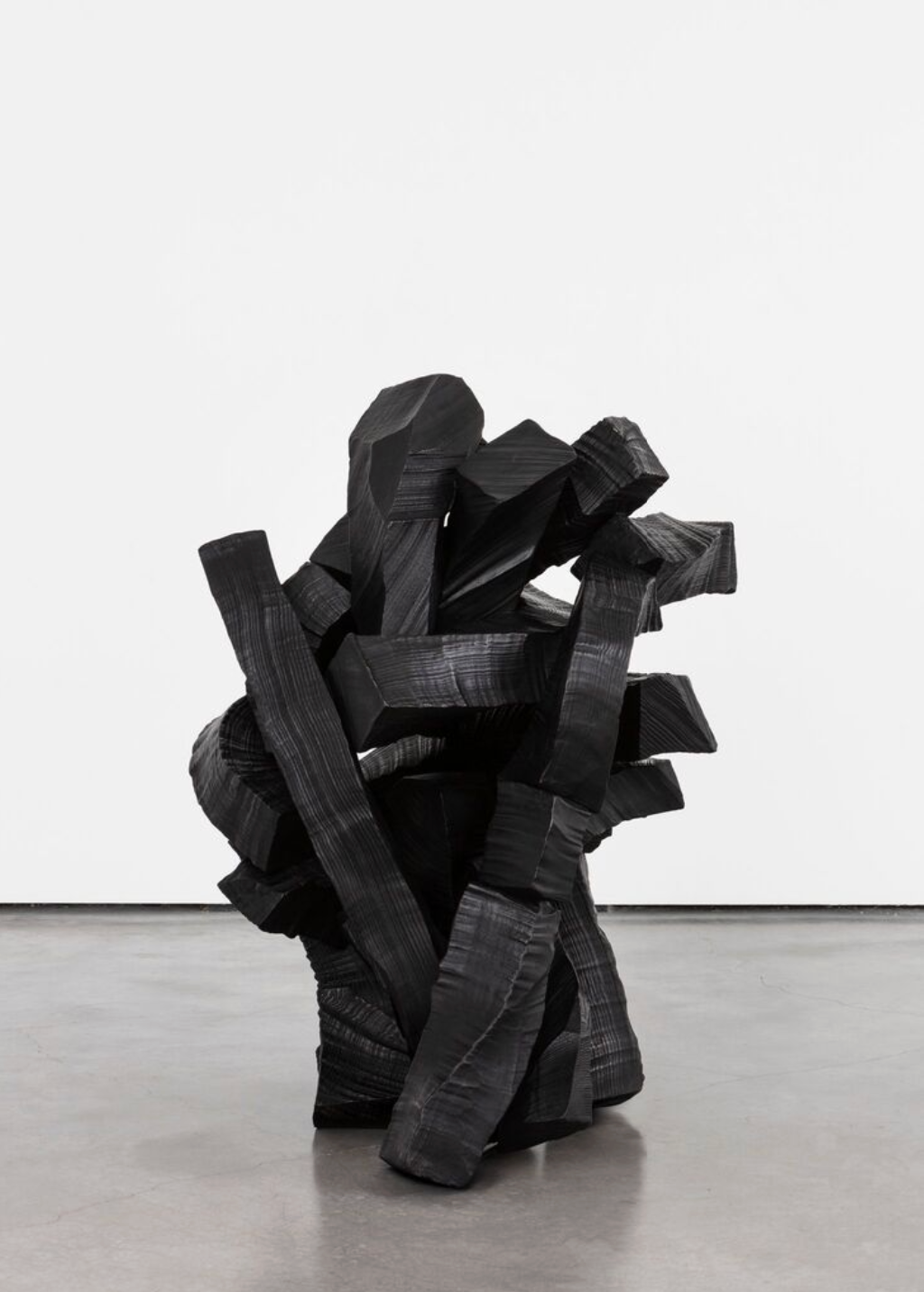
Lee Bae, Brushstroke, 2024
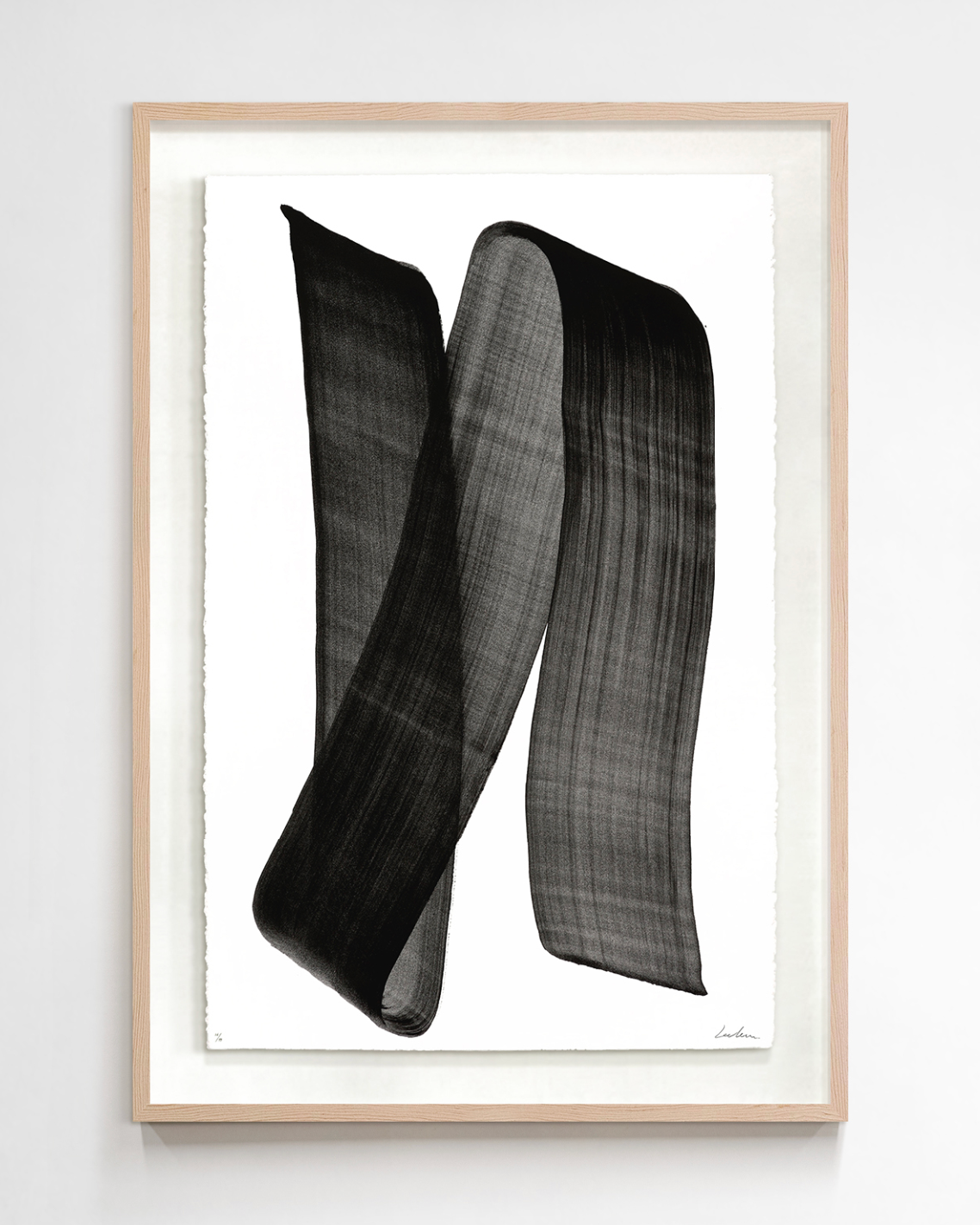
Lee Bae, Brushstroke 154, 2021
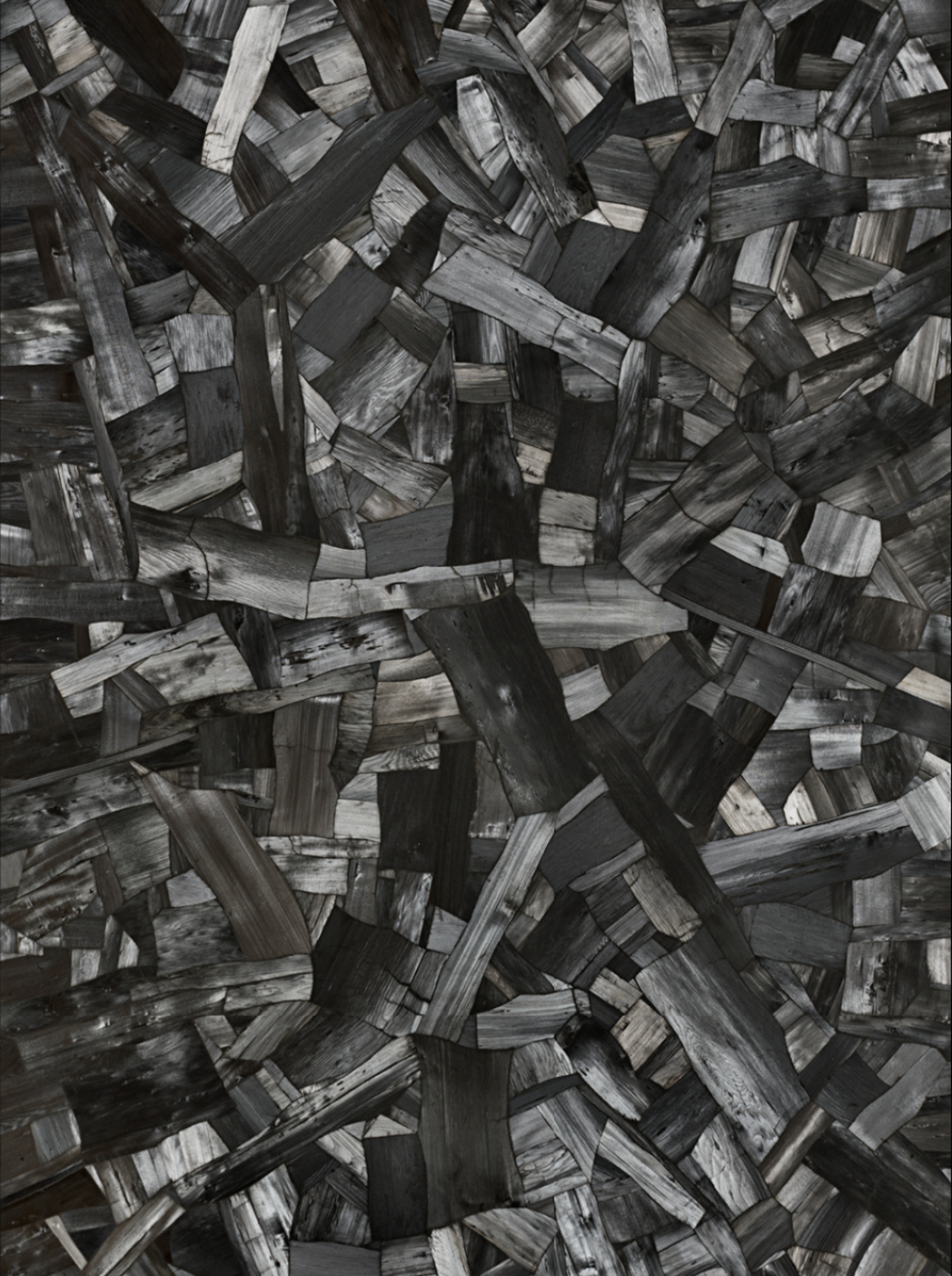
As Park Seo-Bo described Dansaekhwa as a process of “grinding ink to cultivate oneself,” each of Lee Bae’s charcoal sculptures or paintings carries thousands of bodily gestures. In the Issu du Feu (“From Fire”) series, he personally cuts, assembles, and polishes carbonized branches. This repetition is not mechanical production, but a prolonged dialogue between the artist’s body and material. This density of labor grants the work a sense of the “volume of time.”
From the perspective of art historical development, the Dansaekhwa movement emerged after Korea experienced the wounds of colonization and war, as a grand practice aimed at reconstructing national spirit. Lee Ufan and other first-generation masters sublimated pain into meditation, and as a successor within this lineage, Lee Bae pushes this spirit into a more sensorial and material contemporary context. Compared with the industrialized and dehumanized view of material in American Minimalism, Lee Bae’s work is filled with warmth. Even seemingly cold charcoal blocks, after countless polishings, reflect a velvet-like, gentle luster—this glow is the spirituality accumulated through labor and time. The value of Lee Bae’s art lies in his success in opening a substantive space of bodily experience between Lee Ufan’s conceptual void and Western Minimalism’s formal purity. He allows “monochrome” to become not merely a choice of color on canvas, but also a long act of burning, cooling, and tempering—a prolonged offering of material.