The Metropolitan Museum of Art’s Choice: A Blue-Chip Artist for Long-Term Value — Lee Bul
Lee Bul has emerged as a rare Asian artist who transcends regional and gender boundaries through a multidisciplinary practice spanning performance, sculpture, and architectural form. With her representation by Hauser & Wirth, a commission from The Metropolitan Museum of Art, and forthcoming major retrospectives, she has firmly entered the ranks of internationally recognized blue-chip artists.
One of the female artists we have followed consistently, and one of the most representative contemporary artists from South Korea, Lee Bul has remained a pivotal figure in international art discourse. Since 2022, we have closely observed her Perdu series. This year, she officially announced her representation by Hauser & Wirth and revealed plans for a solo exhibition in New York in 2026. This transition marks her departure from long-term collaborations with Thaddaeus Ropac and Lehmann Maupin, while signaling a renewed and more global positioning within the international art market.
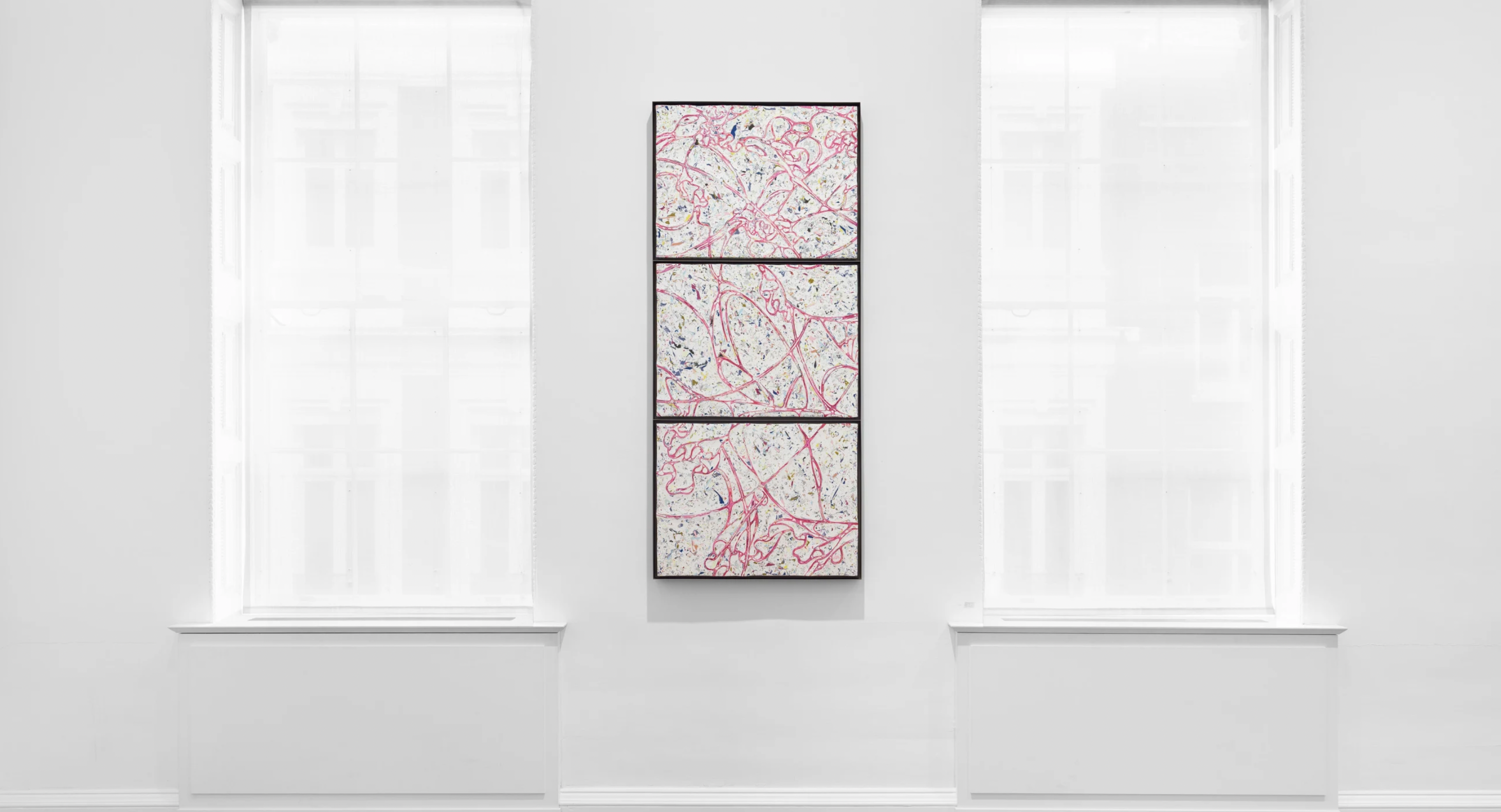
Lee Bul’s Perdu series emphasizes her ongoing investigation into the symbolic and physical potential of materials. Echoing her earlier experiments with velvet and fabric, the series directly interrogates materiality itself. Acrylic paint in varying tonalities is mixed with mother-of-pearl and layered onto wooden panels. Once dried, the surfaces are polished to achieve a marble-like effect. The underlying compositional lines are preserved through laser cutting and later refilled, resulting in a complex process that unexpectedly resonates with Western Abstract Expressionism, achieving a refined balance between aesthetic sensibility and structural rigor.
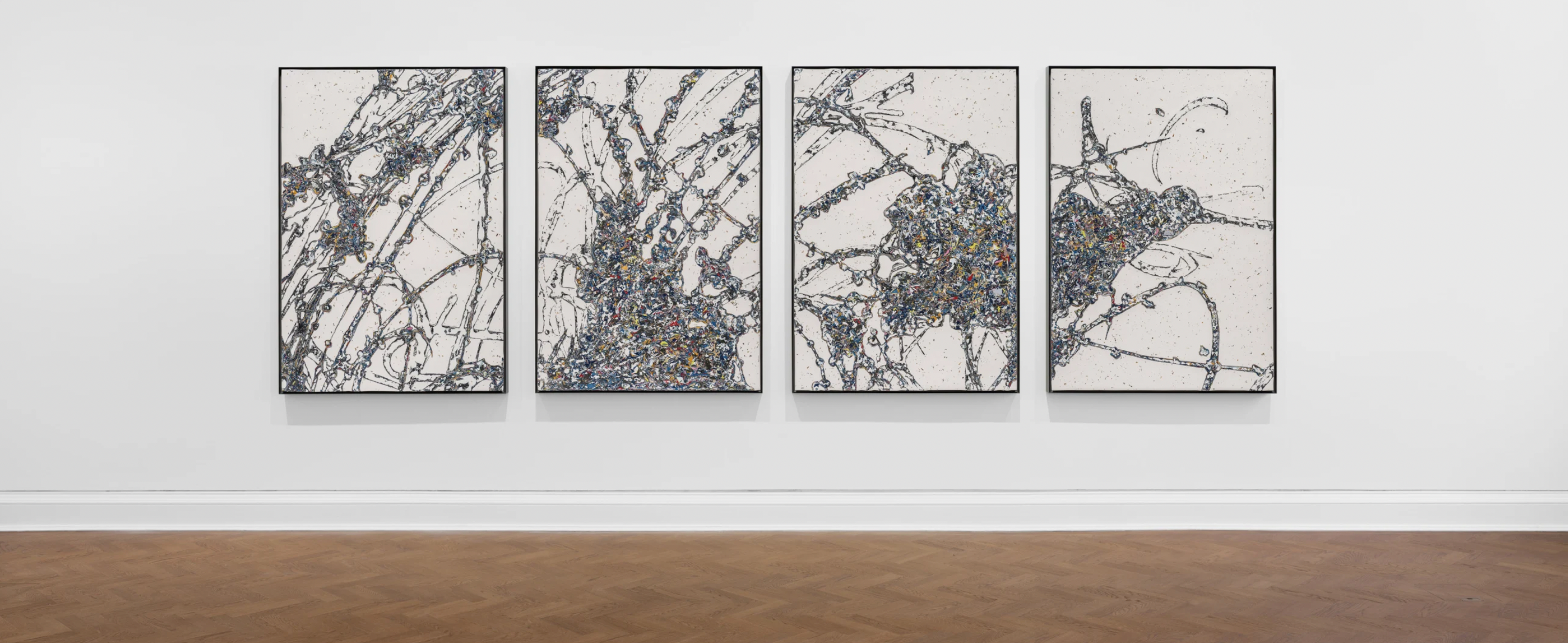
Lee Bul, exhibition view, Thaddaeus Ropac, Paris, 2022
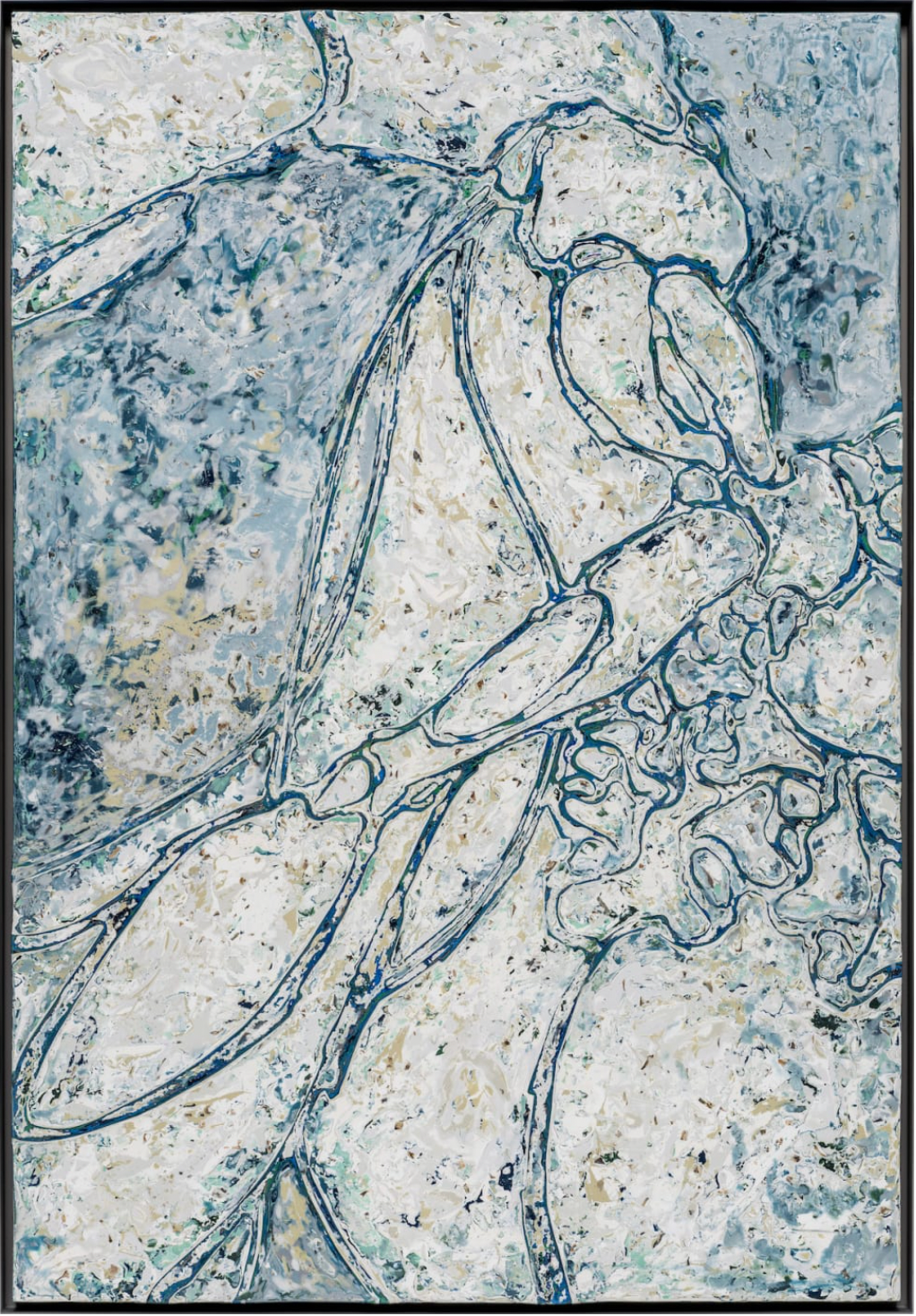
Lee Bul, Perdu CLXIII, 2023
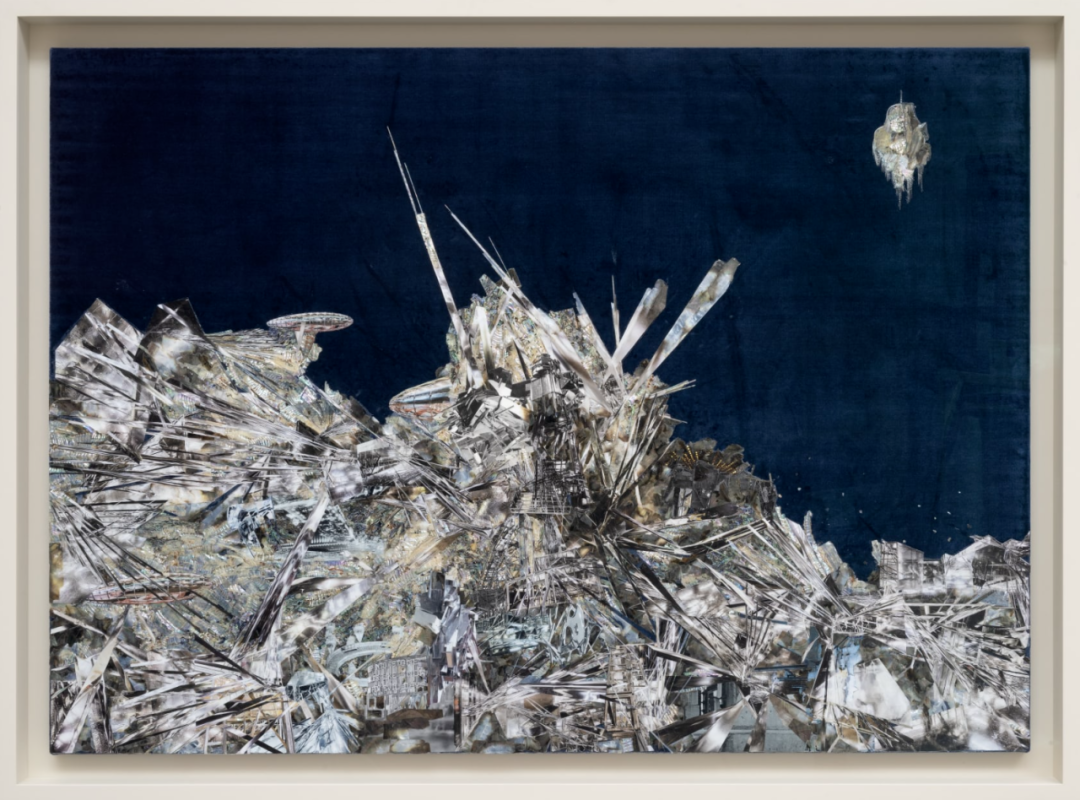
Lee Bul, Untitled (Willing To Be Vulnerable – Velvet #11), 2020
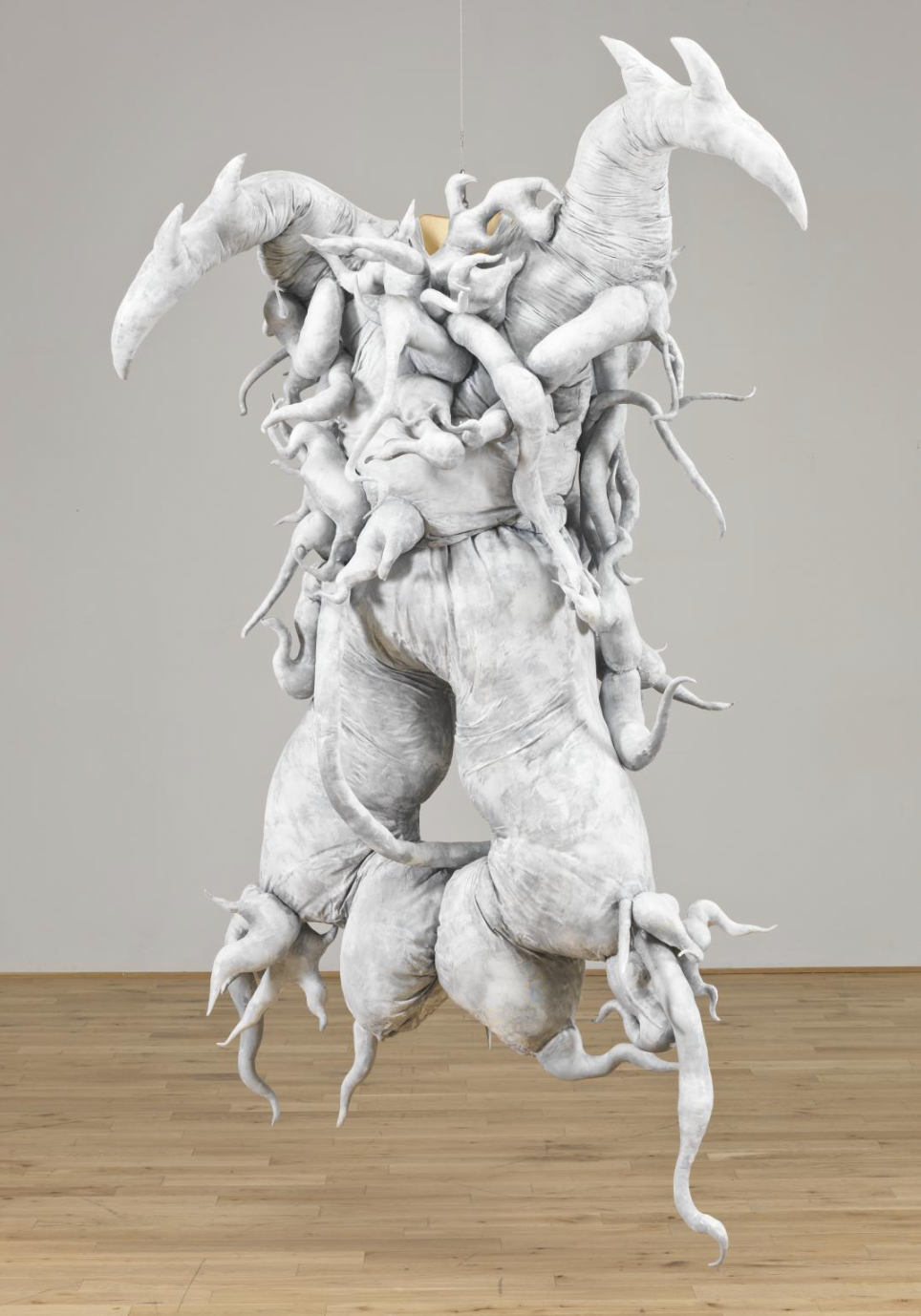
Lee Bul, Untitled (Cravings White), 1988, reassembled 2011 Image courtesy of Tate Modern, London
Within the context of postwar Korean art history, female artists have historically been underrepresented. Lee Bul stands among the earliest artists to transcend both geographic and gender-based limitations. Initially gaining recognition for her provocative performance works, she gradually developed an expansive practice encompassing sculpture, installation, and architectural language. Her seminal work Untitled (Cravings White) remains on view at Tate Modern, London, underscoring her significance within the canon of international art history. As early as 1999, she represented Korea at the Venice Biennale, and in the same year held a solo exhibition at the Kunstmuseum Bern. More than two decades on, her practice continues to generate new bodies of work, positioning her as one of the few Asian artists to sustain both academic relevance and market vitality.
Notably, Lee Bul’s market momentum has not diminished over time; rather, it has intensified through her continued production and strong institutional support. Beyond stable patronage from Korean collectors, growing interest from Asian, European, and American collectors has driven demand to new heights.
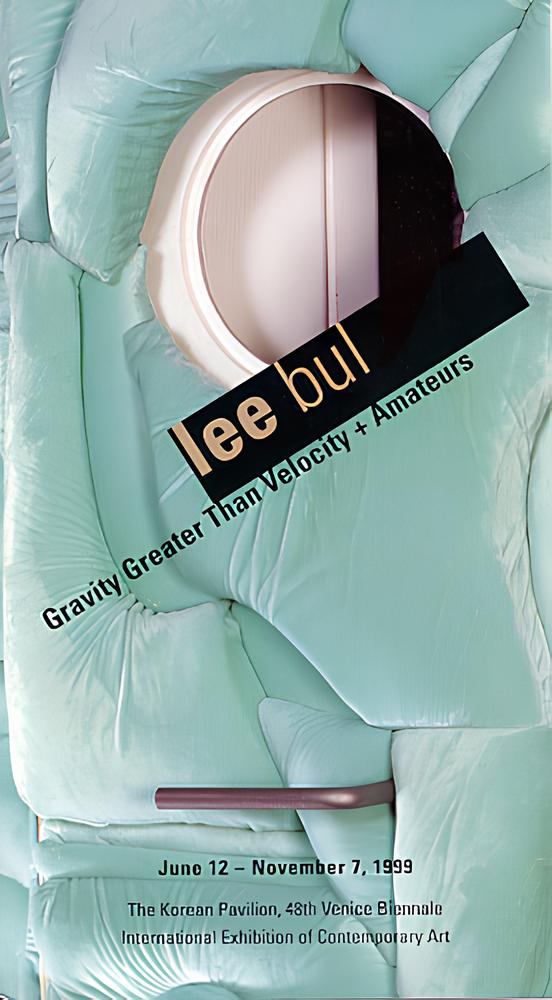
Korean Pavilion catalogue, The 48th Venice Biennale, 1999 Image courtesy of Asia Art Archive
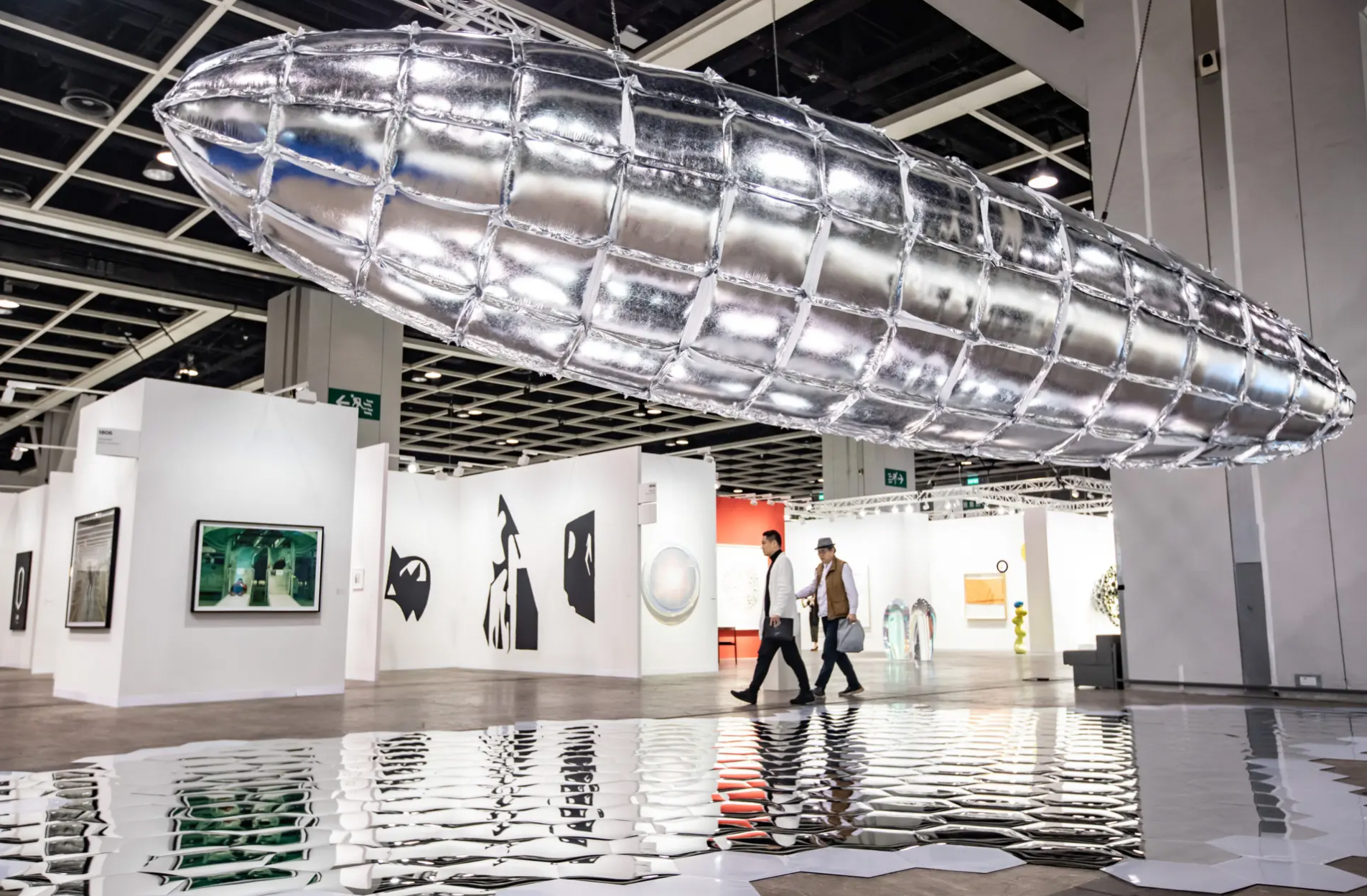
Lee Bul, Willing To Be Vulnerable, installation view, Art Basel Hong Kong, 2019 Image courtesy of Art Basel Hong Kong
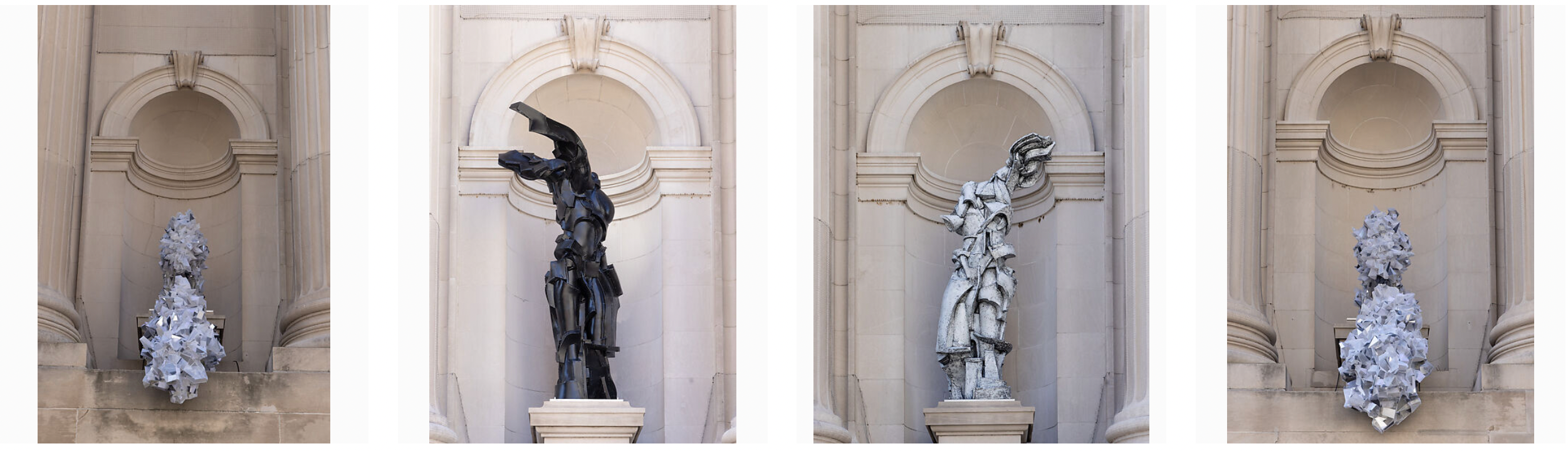
Lee Bul, Long Tail Halo series, sculptural installation for the Fifth Avenue façade, The Metropolitan Museum of Art, New York, 2024
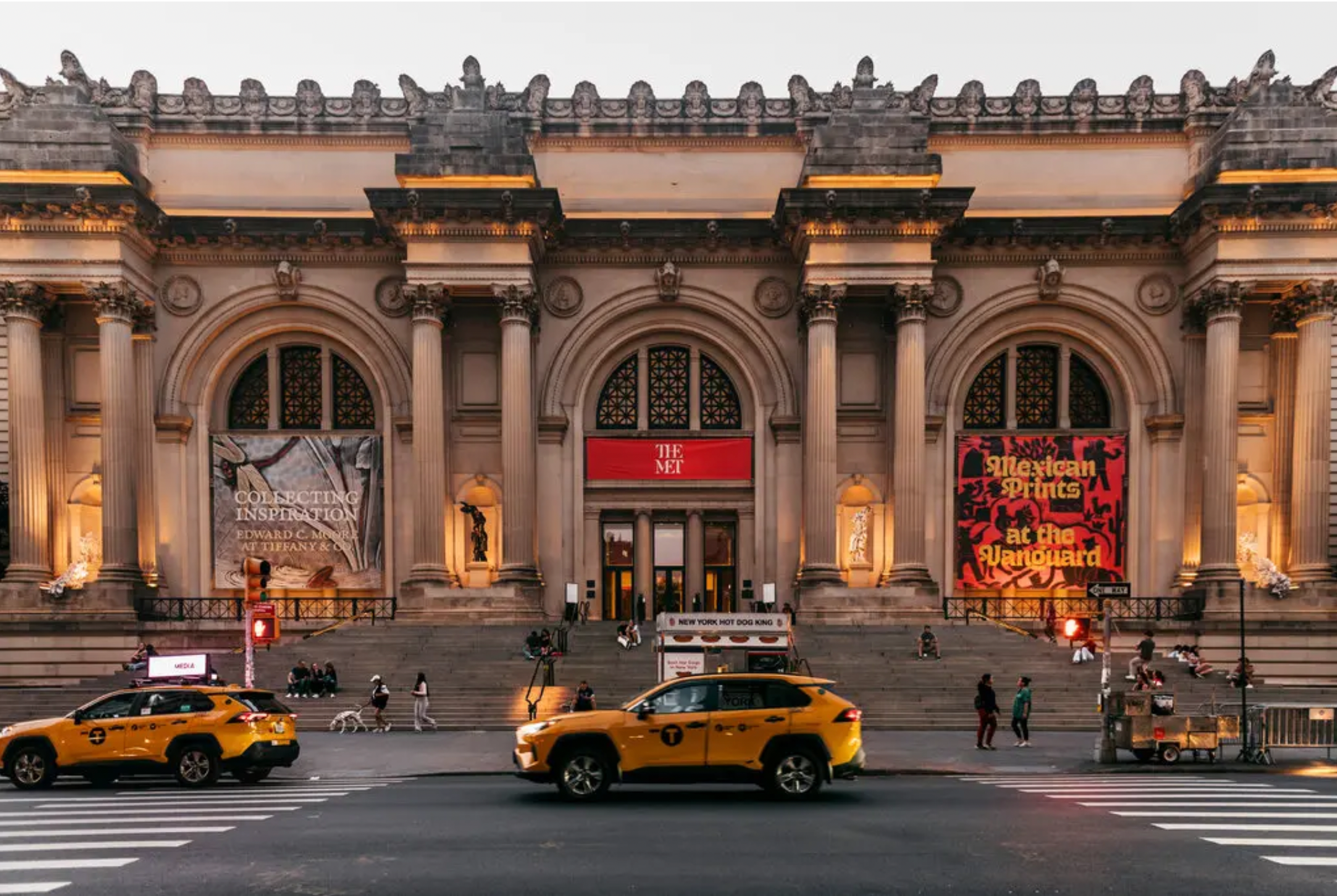
Fifth Avenue view, The Metropolitan Museum of Art, New York, 2024 Image courtesy of The New York Times
In 2024, The Metropolitan Museum of Art, New York, commissioned Lee Bul to create a work for its Fifth Avenue façade. Previous commissioned artists include Carol Bove (2021), Hew Locke (2022), and Nairy Baghramian (2023). Furthermore, in September 2025, during Frieze Seoul, Lee Bul will present a major retrospective at Leeum Museum of Art, Seoul, which will subsequently travel to M+, Hong Kong. This institutional trajectory is expected to significantly elevate both her international academic standing and market visibility.
From a long-term perspective, Lee Bul is no longer solely one of South Korea’s most significant female artists. She represents an Asian voice that has successfully transcended regional and gender boundaries to enter the global artistic mainstream. Supported by Hauser & Wirth’s international platform and a series of forthcoming landmark exhibitions, her market potential and institutional stature are poised for continued ascent, making her an artist of sustained interest for collectors.
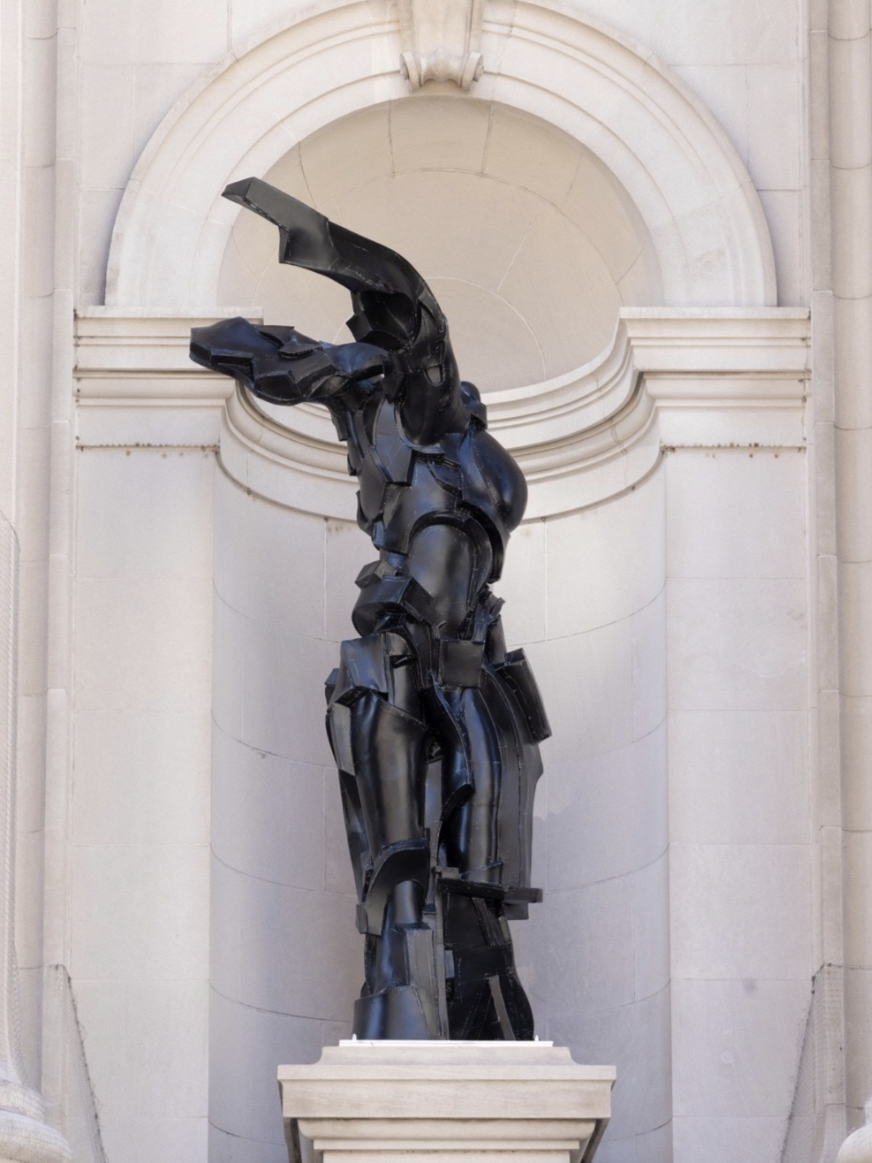
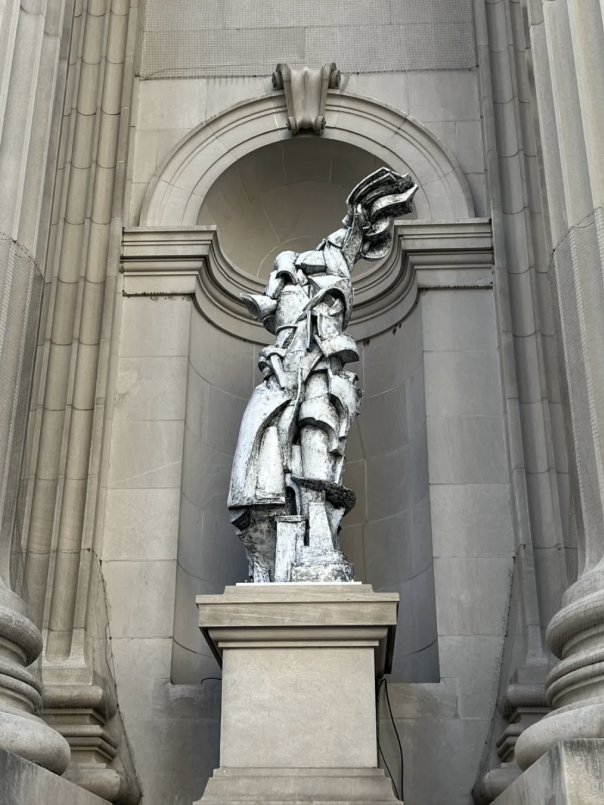
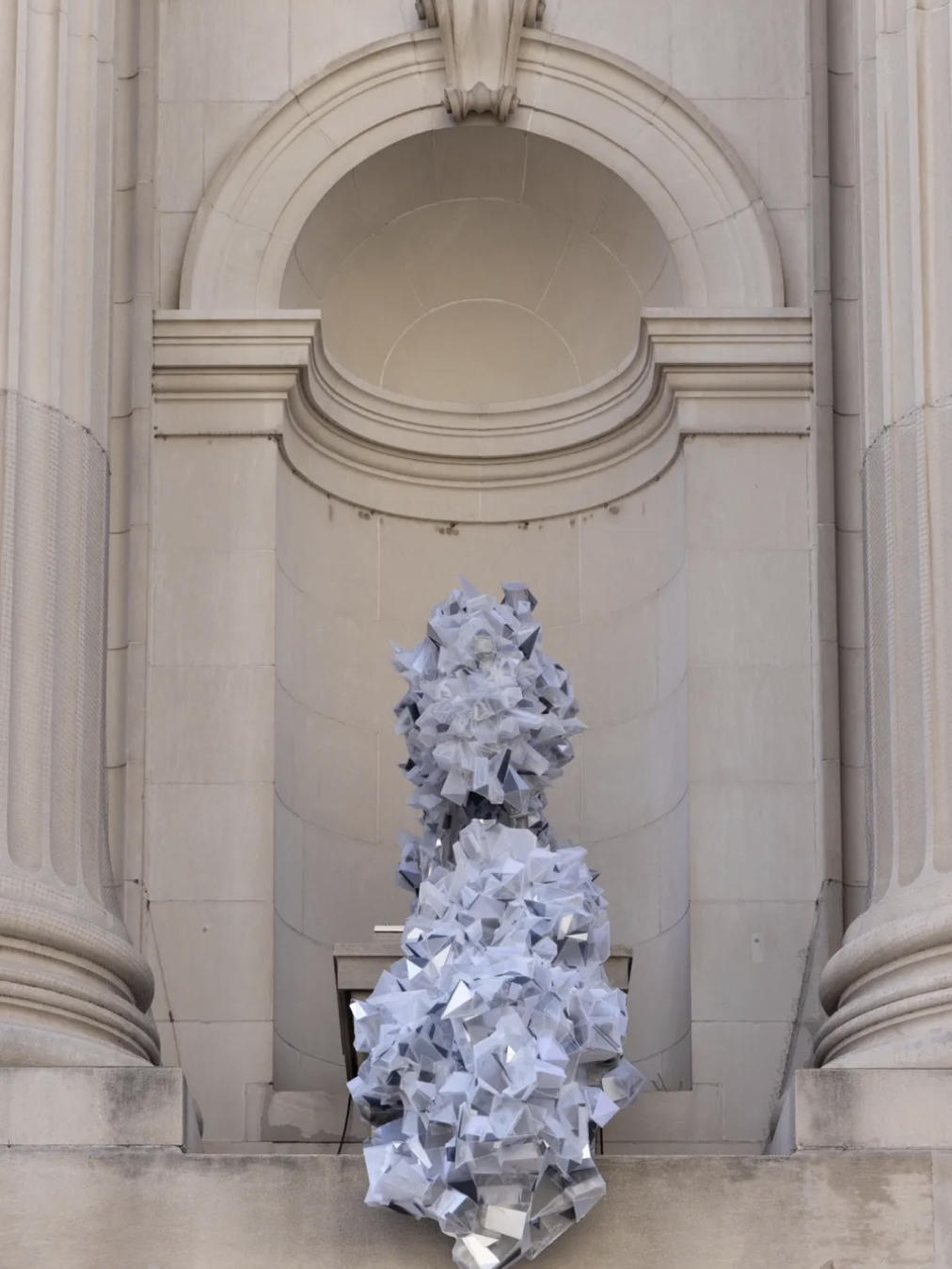
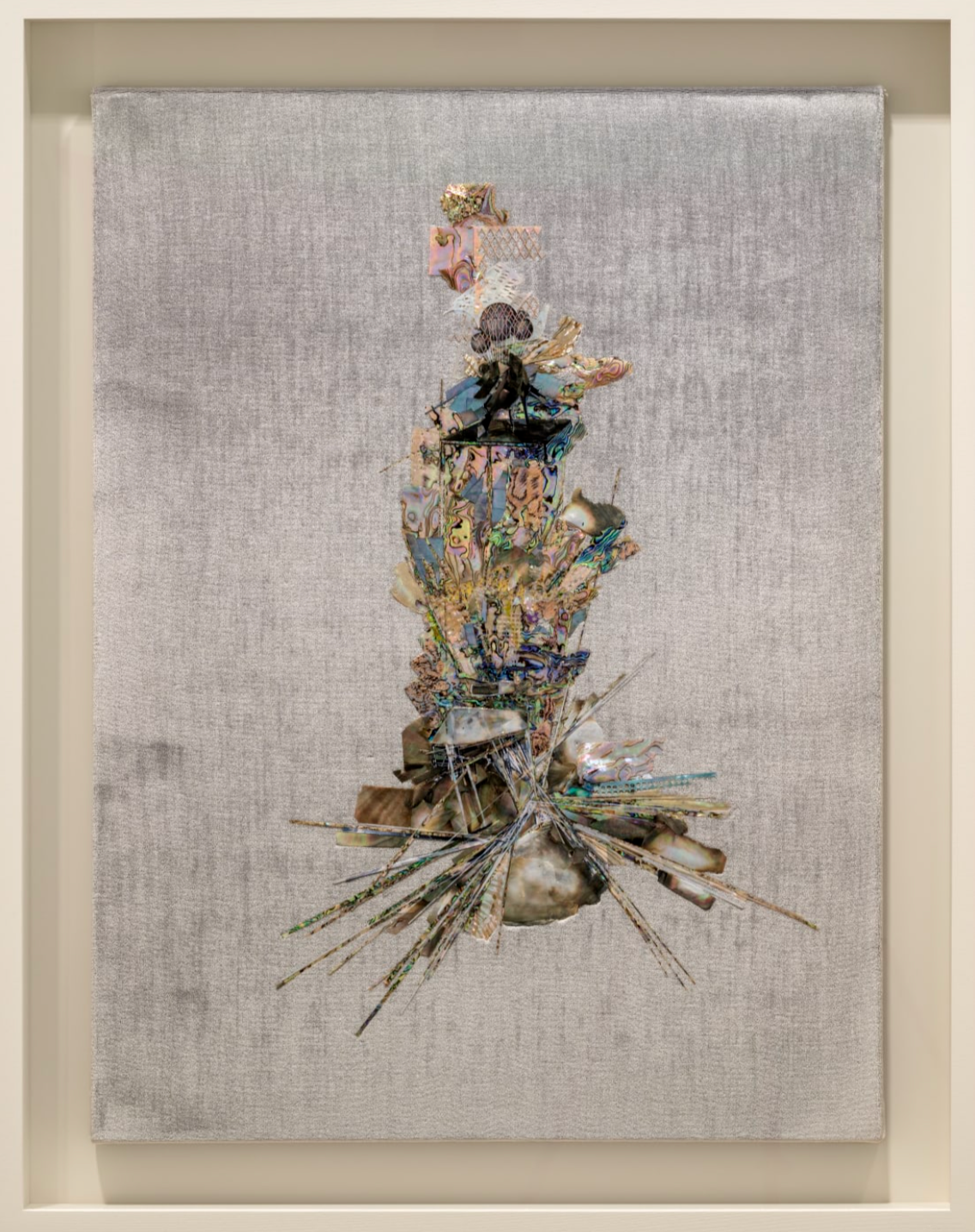
Lee Bul, Untitled (Willing To Be Vulnerable – Velvet #20), 2021