The Rise of a Supernova Artist | Joseph Yaeger
Supernova artist Joseph Yaeger builds his practice on Roland Barthes' "punctum". Evolving from passive capture to active construction of visual philosophy, he rises rapidly as an art market highlight with profound insights into seeing.
Joseph Yaeger is a compelling artist. Over the past decade, he has moved from Montana in the United States to the East Coast, then to Los Angeles, and is now based in London. As his life shifted across these geographies, his gallery representation evolved just as rapidly—from the now-closed Project Native Informant, to Gladstone Gallery, and most recently to Modern Art—completing the ascent of a “supernova” artist in less than five years.
At the same time, his works have repeatedly exceeded auction estimates, while private sales remain consistently oversubscribed. Collectors continue to seek his works aggressively, and we ourselves have assisted clients on multiple occasions in securing pieces they hoped to acquire.
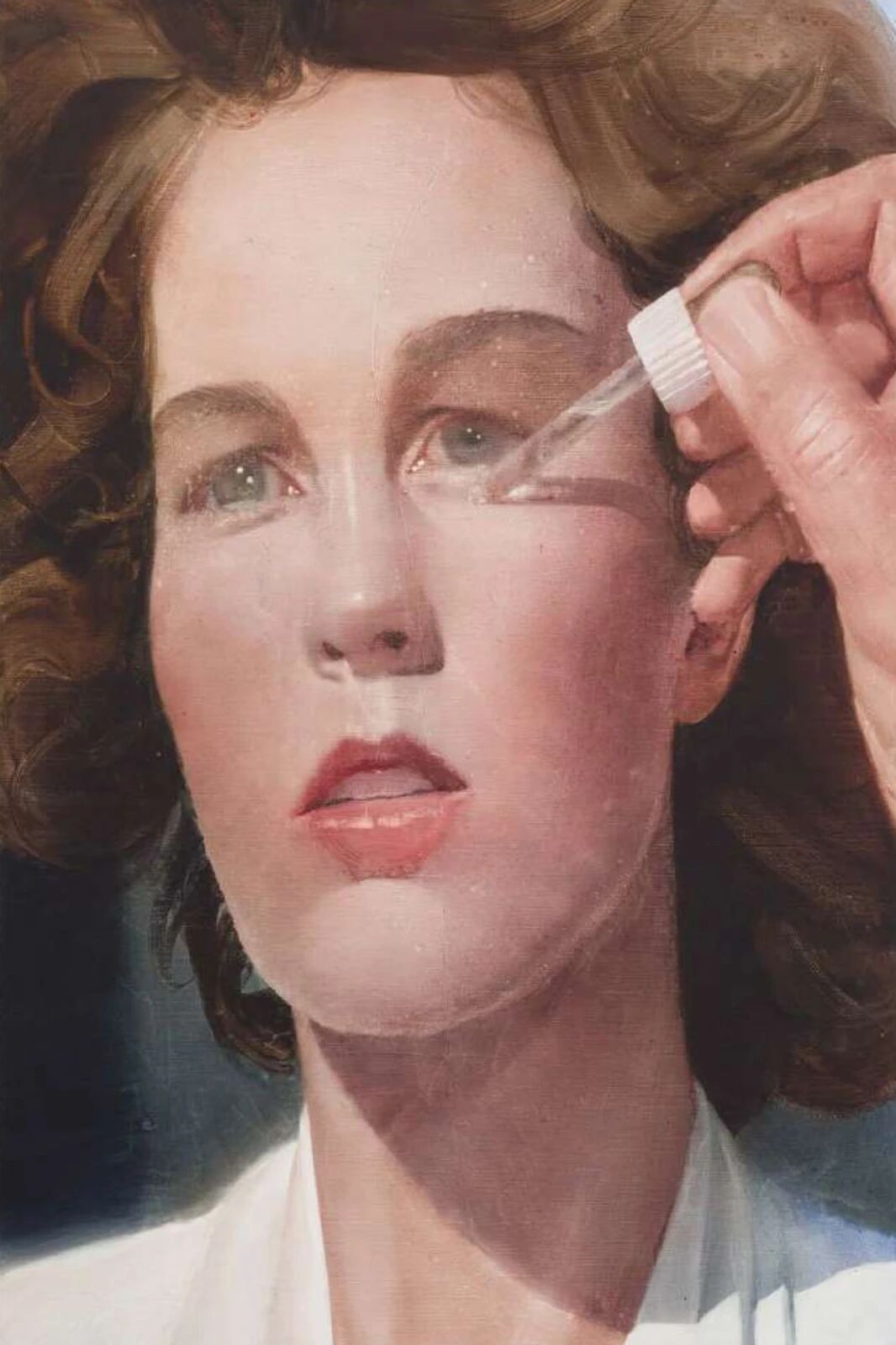
But what, exactly, has enabled Joseph Yaeger to generate such an intense and concentrated moment of attention?
In texts from both 2021 and 2025, Yaeger refers to Roland Barthes’s concept of the punctum—the inexpressible moment in an image that pierces the viewer. Yet when these two moments of reflection are placed side by side, it becomes clear that a significant shift has occurred in his internal orientation. This shift also signals a broader movement in his practice toward greater maturity and self-awareness.
From Being Pierced by the Image to Actively Constructing the Punctum
In 2021, the punctum functioned for Yaeger as an encounter. It described the instant in which an image unexpectedly pulled him into an emotional depth. He returned to painting after being struck by a single paused frame from Charlie Chaplin’s late-life family films in Switzerland. At that time, he was not working with a clearly articulated artistic ambition. Painting operated more as a way to preserve an unspeakable feeling—a reparative gesture rooted in personal experience.
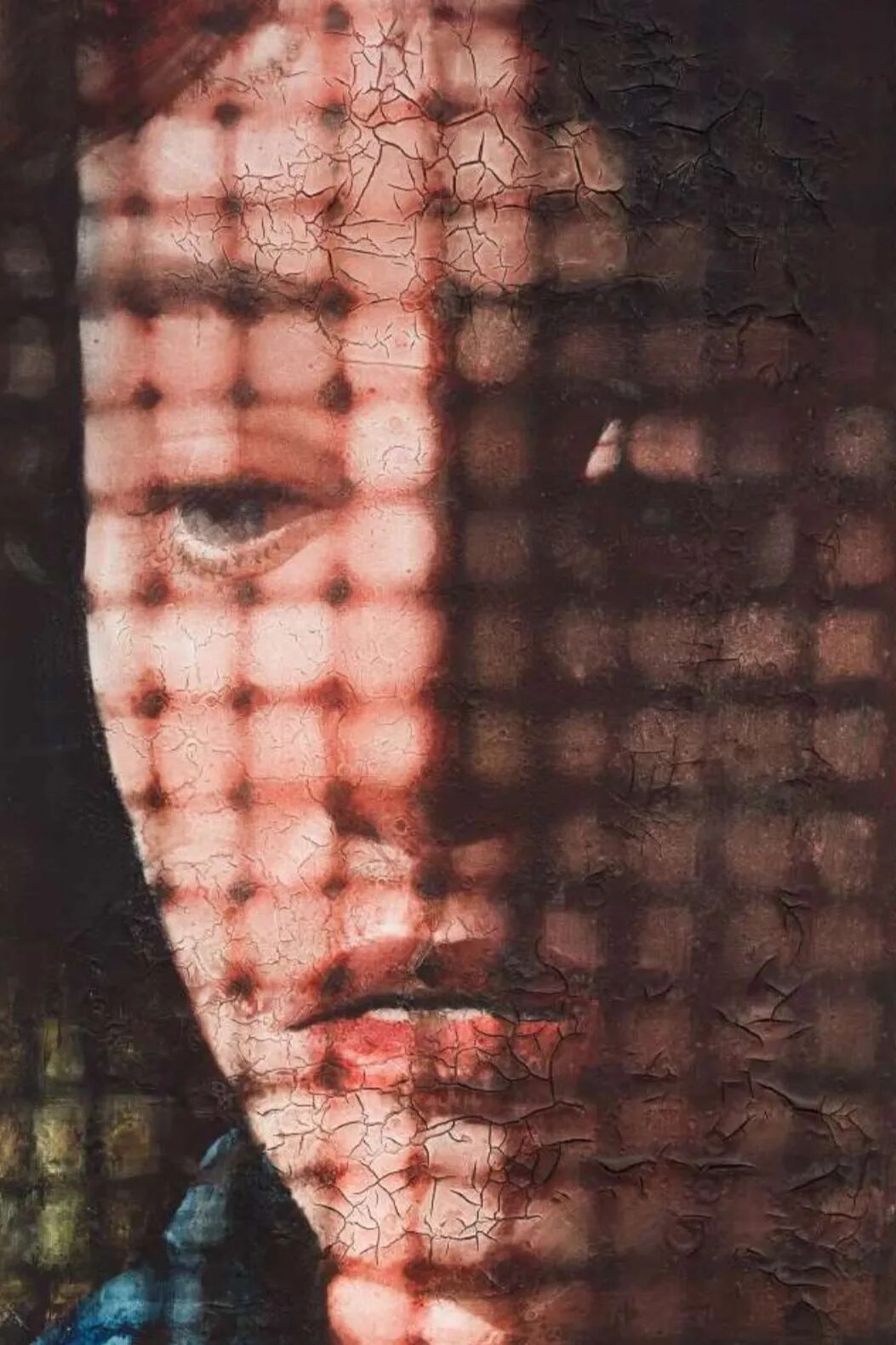
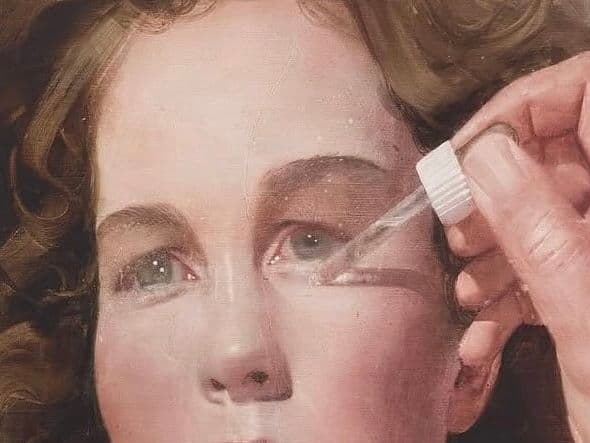
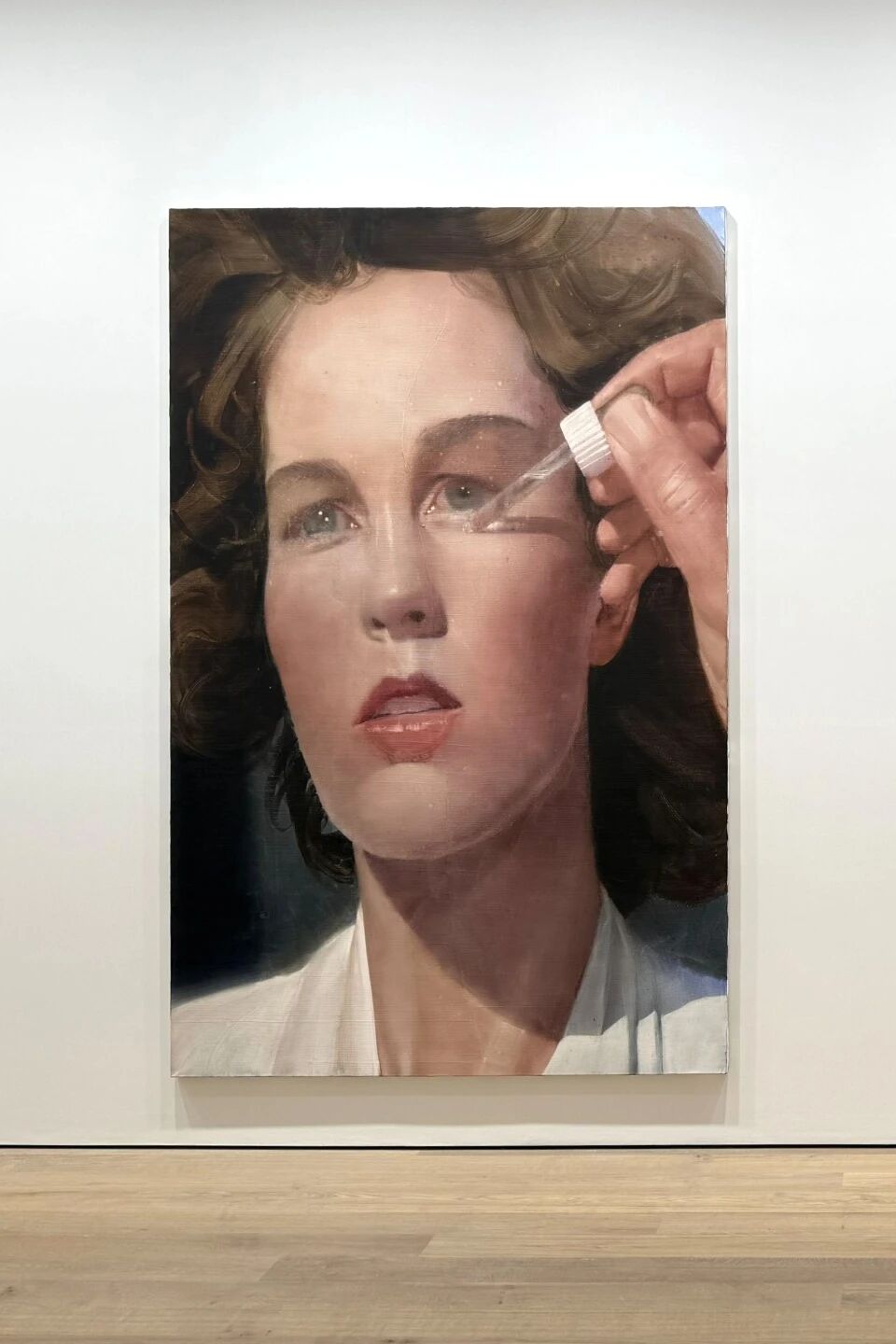
By 2025, punctum remains central to his thinking, but its context has changed entirely. It is no longer merely something that happens to him. Instead, it becomes a creative strategy, a philosophical tool for examining how vision is distorted and how it becomes legible through language. His practice moves beyond a phase of passive capture and enters one in which punctum can be actively produced and staged—through glass, reflection, refraction, and the alternation between concealment and exposure—allowing the viewer to experience that moment of being “pierced” firsthand.
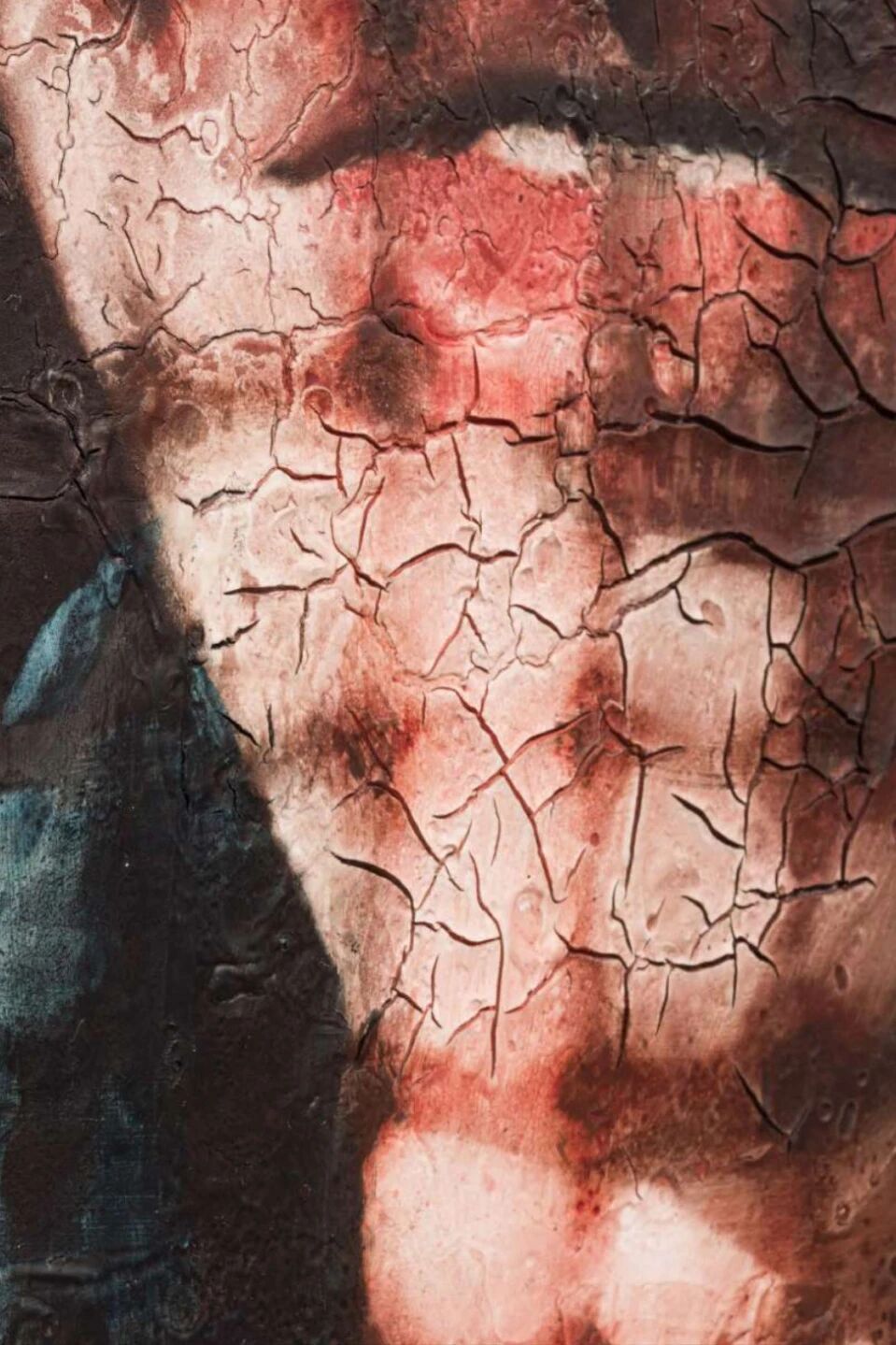
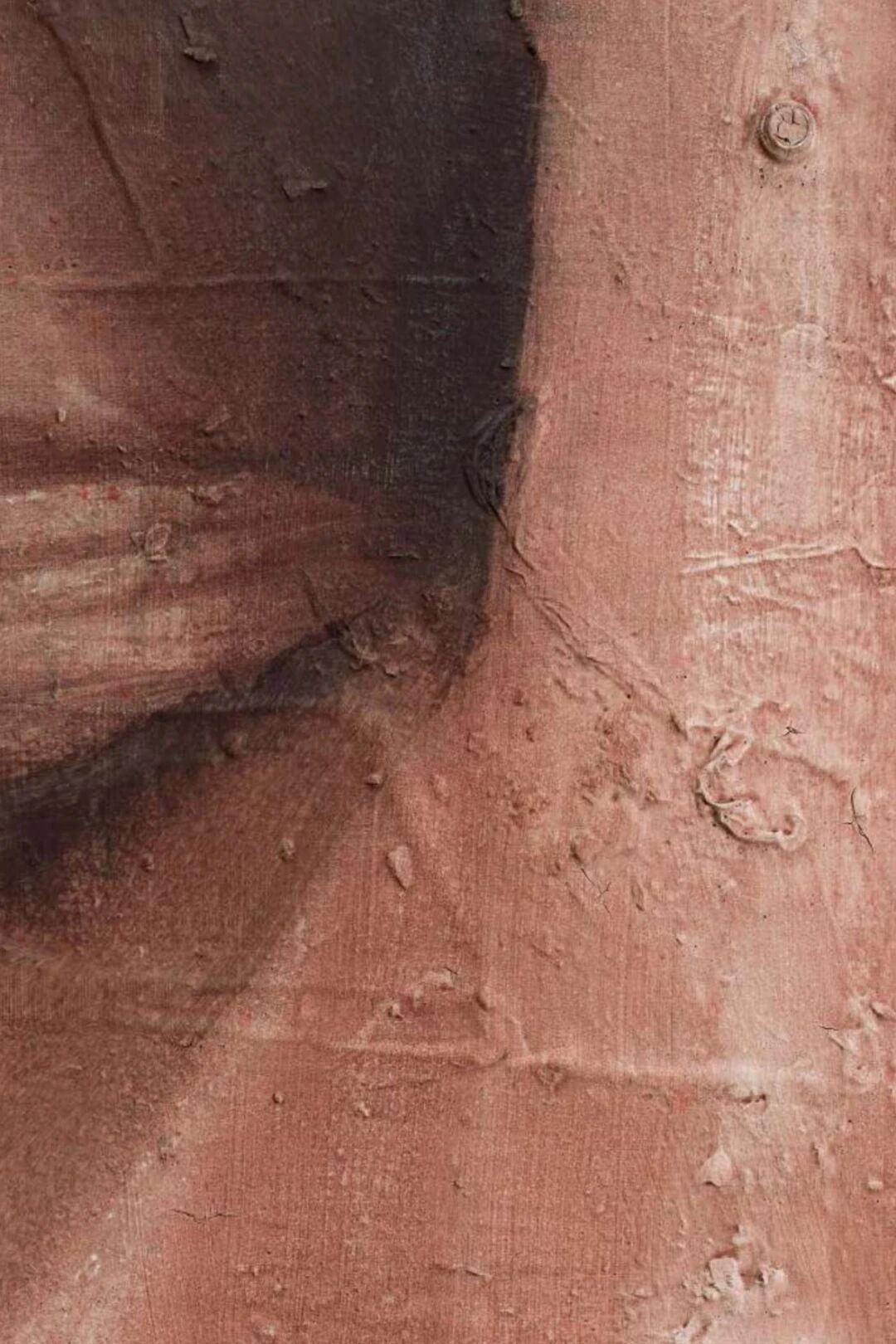
Discussing the core of his practice is far more compelling than praising how “well” he paints. His realistic watercolor paintings on plaster ground have been celebrated repeatedly, and they do form the seductive surface of his work. Yet what truly distinguishes Yaeger from his peers is his ability to transform the act of looking itself into a philosophical field.
Joseph Yaeger’s supernova-like rise is not simply the result of technical skill. It stems from a deep understanding of where contemporary art is most sensitive today: in the question of how we look. In this direction, his work has become increasingly self-aware, conceptually rigorous, and philosophically ambitious at remarkable speed. The new works are undoubtedly stronger and more reflective, moving beyond mere image reproduction. Each act of viewing becomes an experience of being pierced and reconsidered—and it is precisely this depth and self-consciousness that secures Yaeger’s distinct position within contemporary art.
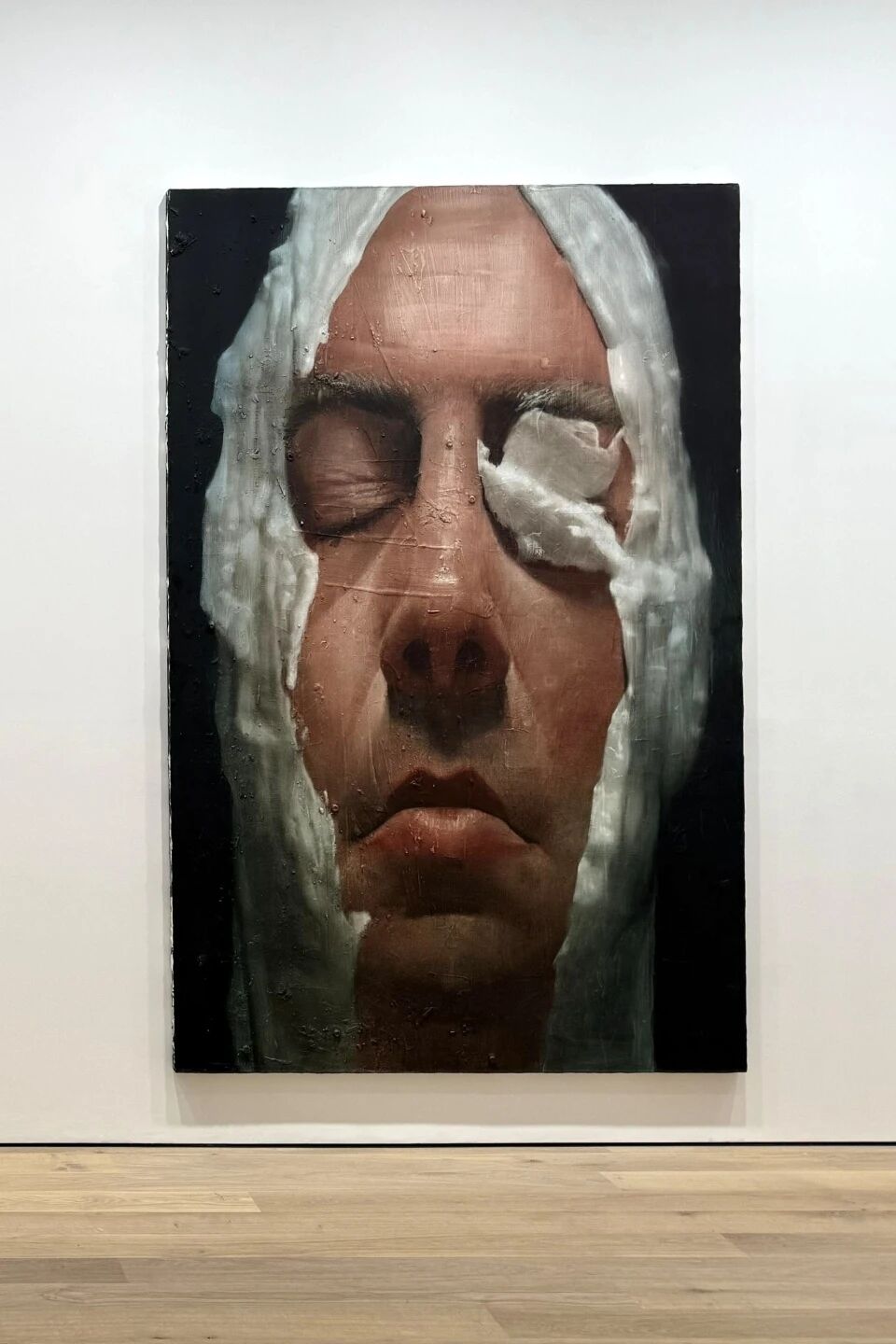
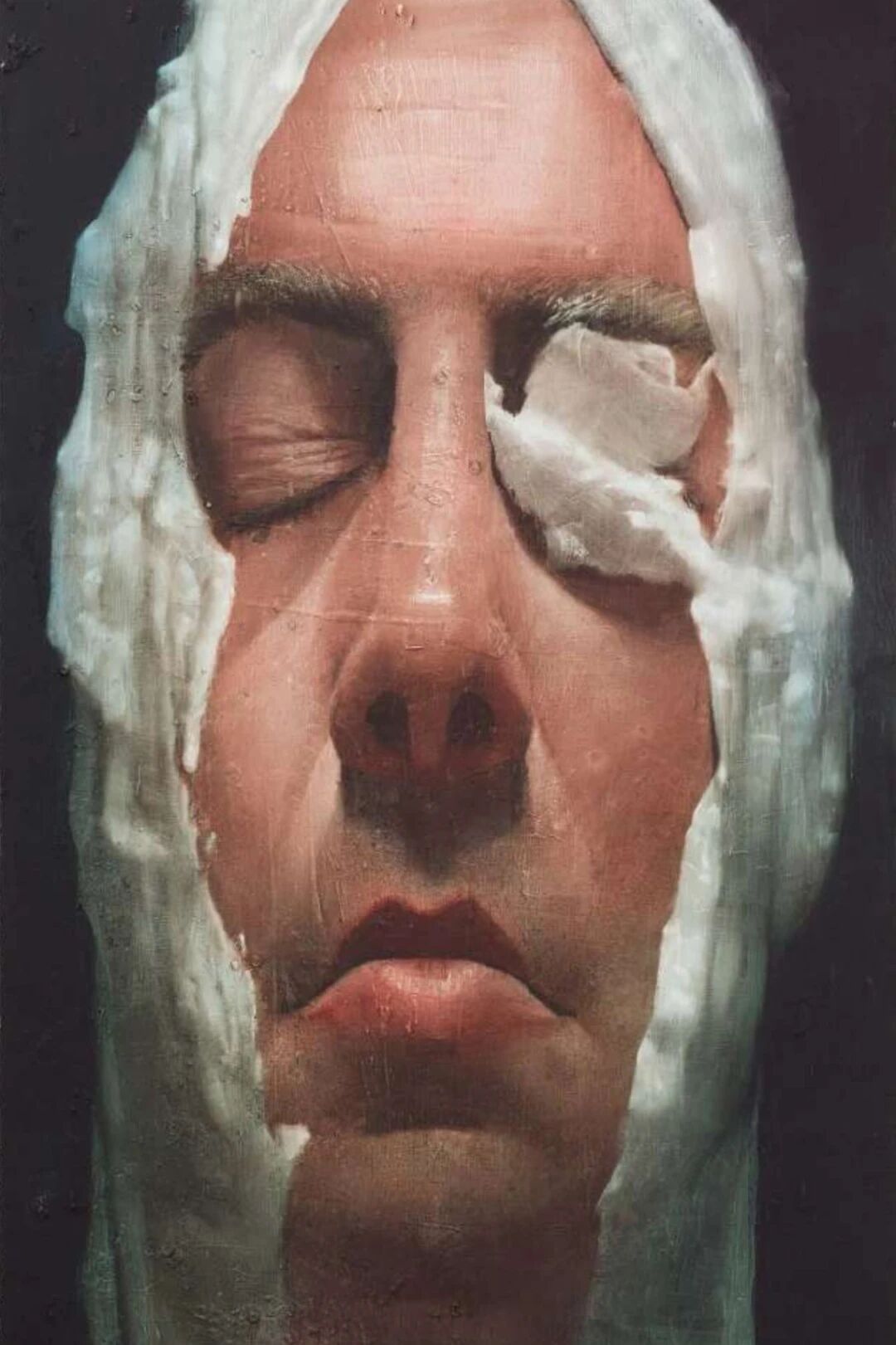
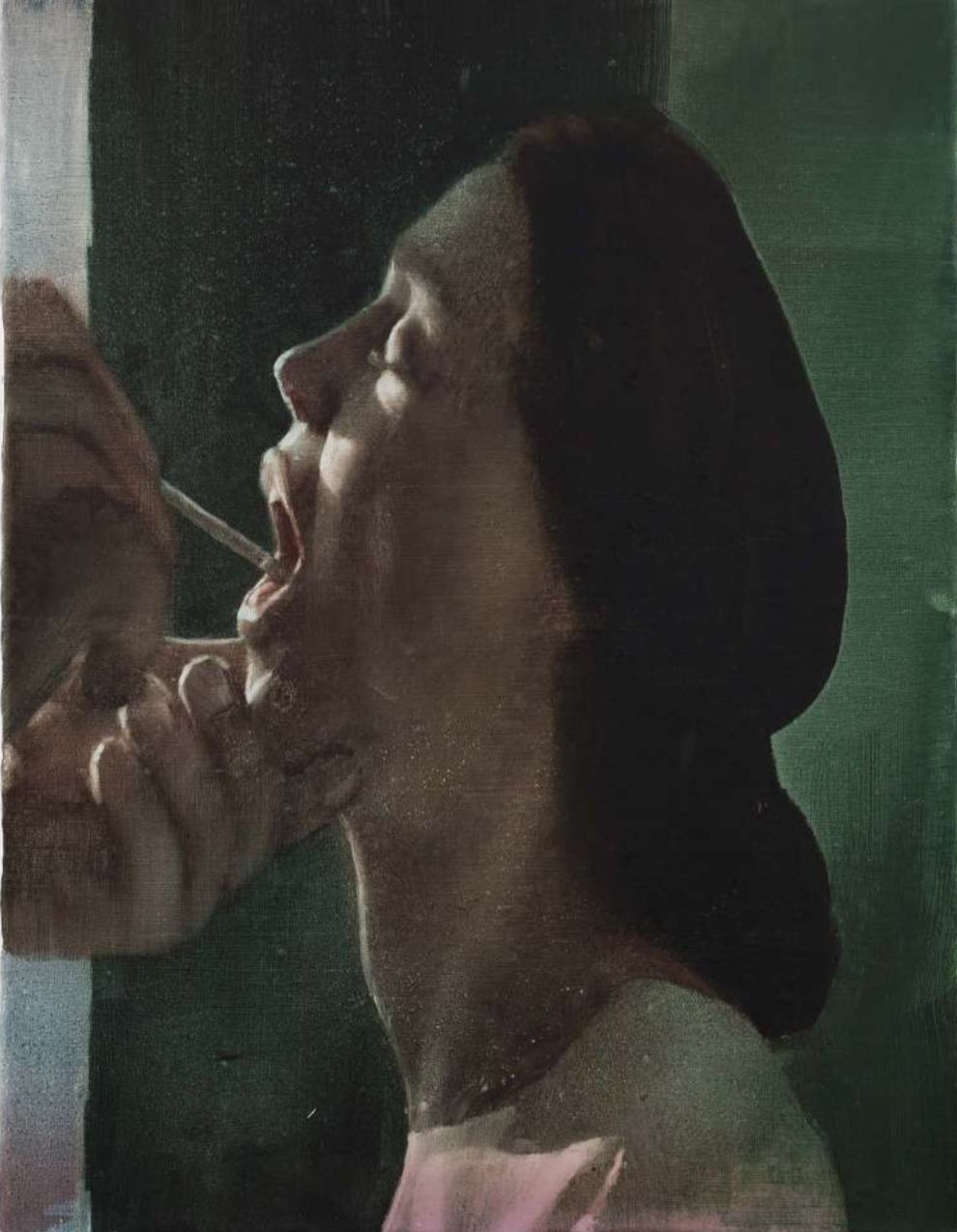
Joseph Yaeger, Blind Sight Is Description, 2025
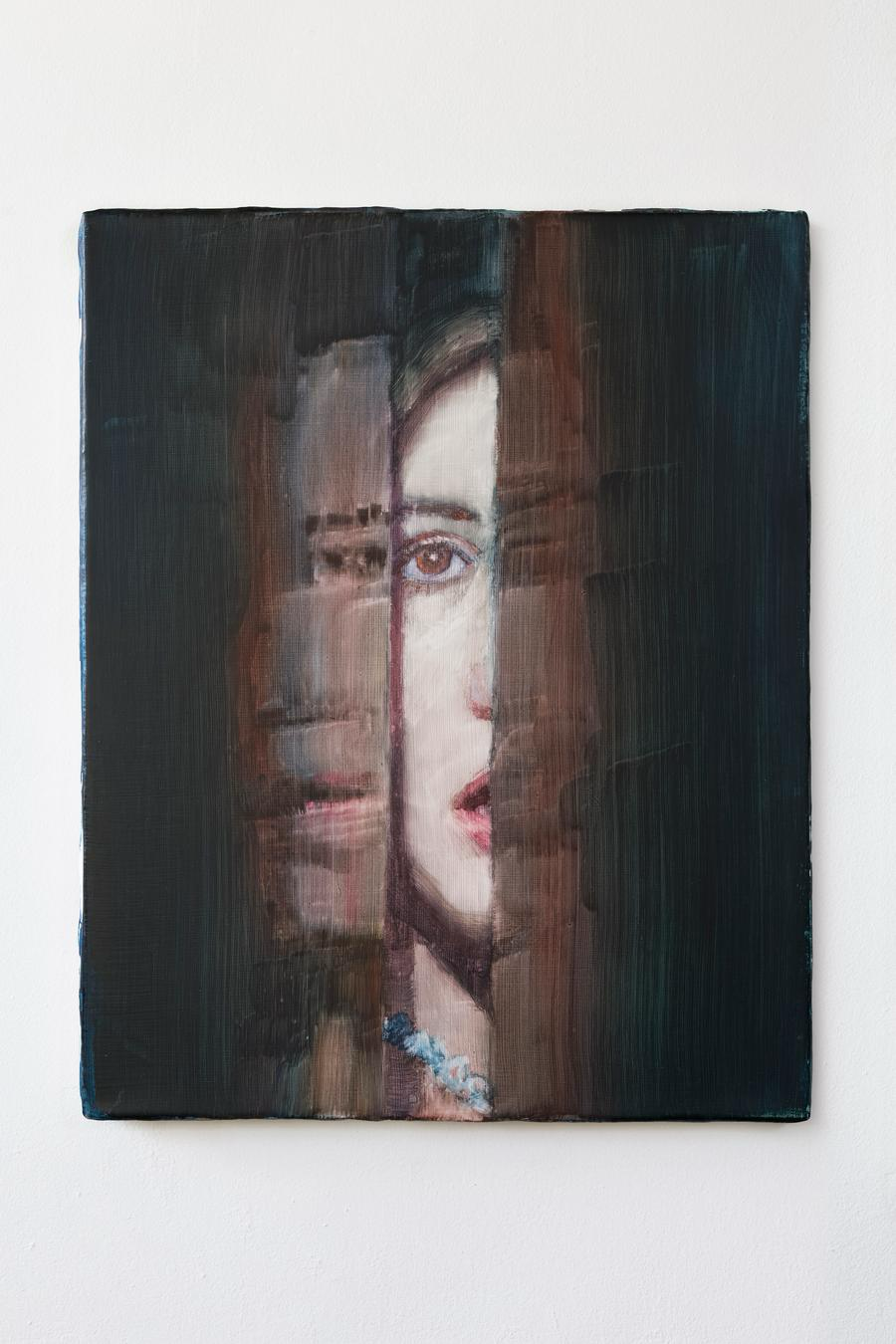
Joseph Yaeger, The Writer, 2020
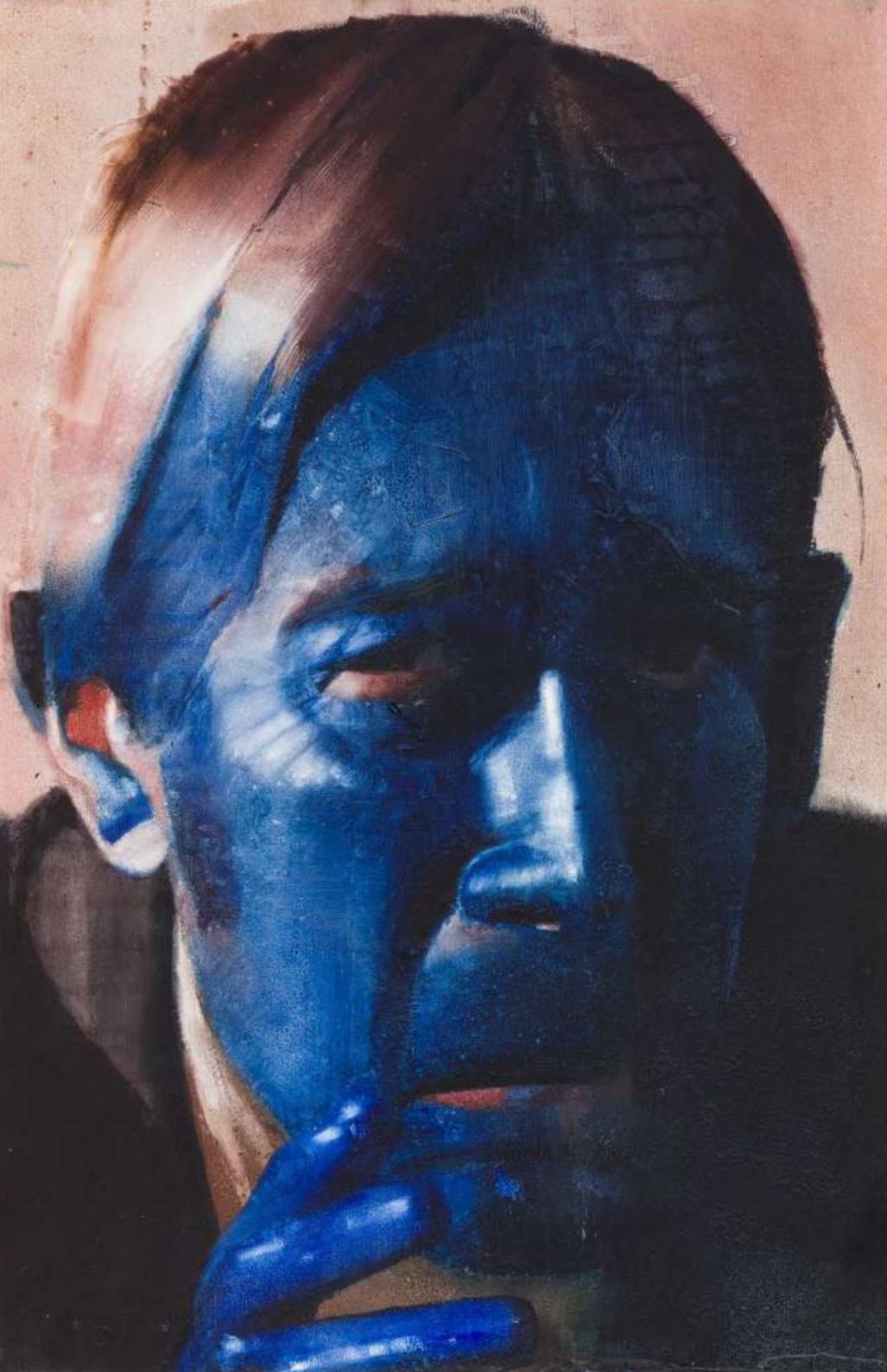
Joseph Yaeger, We Come in With Some of Who We Are, 2025
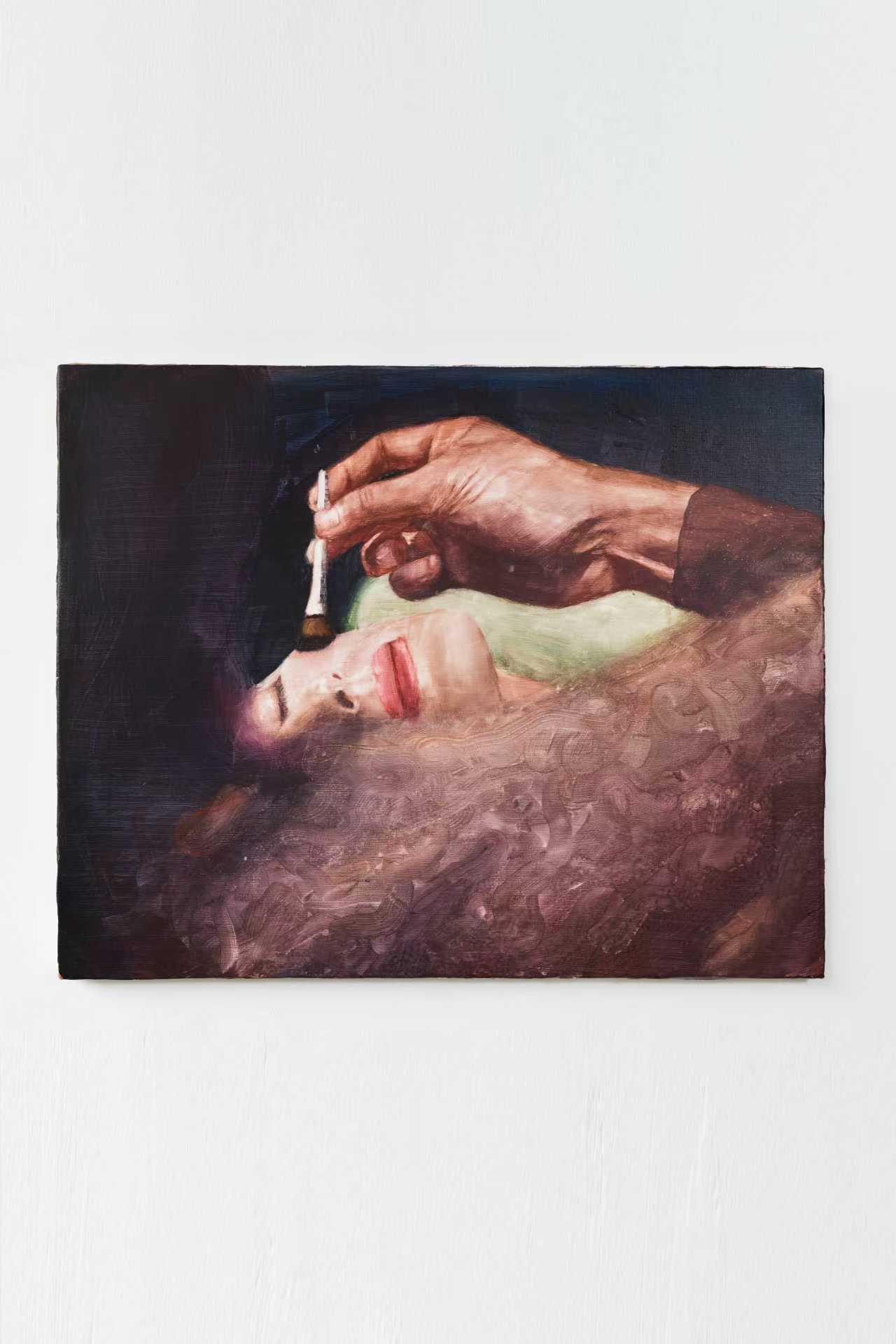
Joseph Yaeger, Preparing the Third Person, 2020
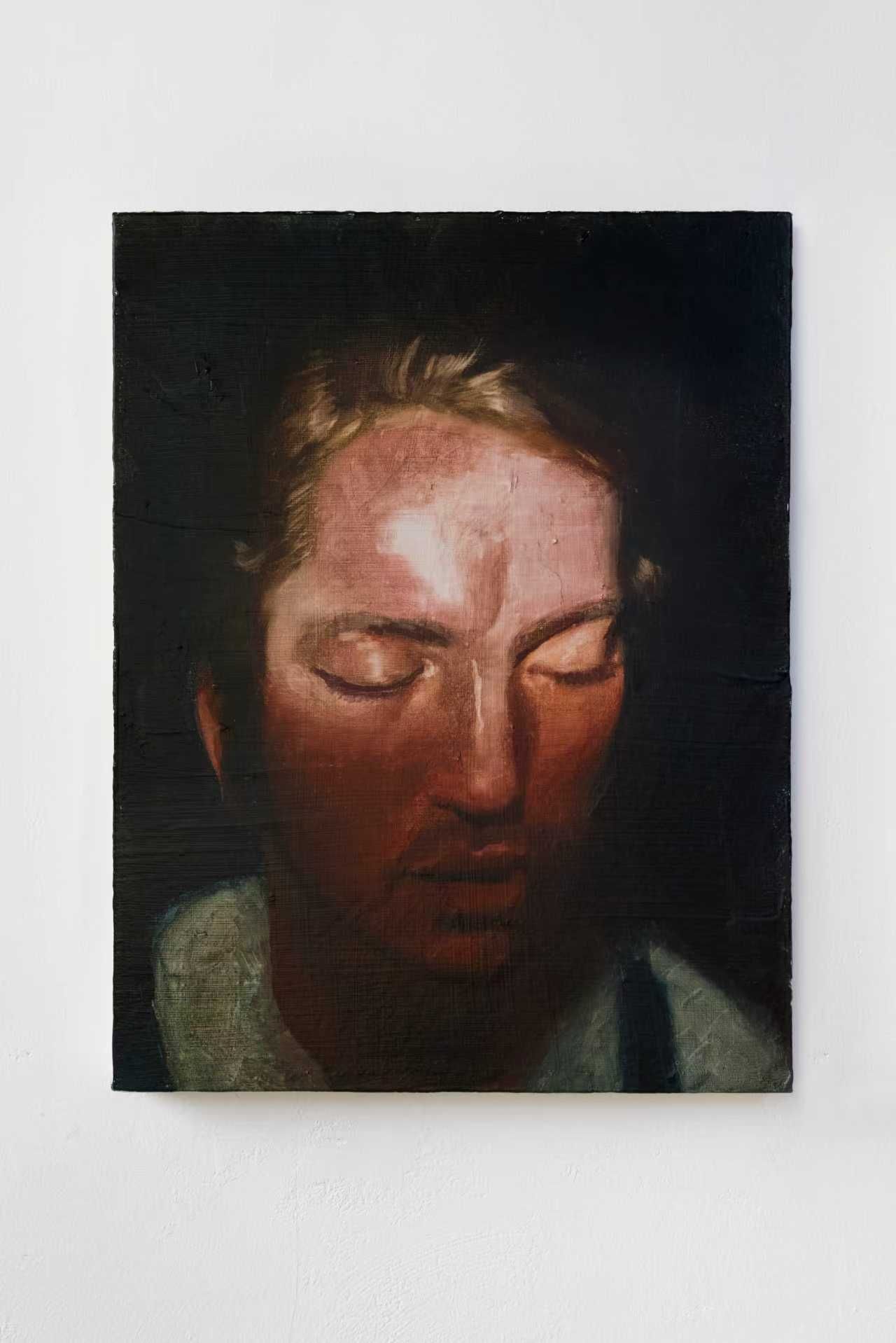
Joseph Yaeger, Facts Are Lonely Things, 2020