The Academic and Market Repositioning of Miyoko Ito
Miyoko Ito’s recent resurgence reflects not a rediscovery, but a long-overdue realignment of historical and market perception. Her paintings reveal a rare internal coherence, balancing structure, intuition, and metaphysical inquiry. Long embedded within the American mainstream yet later obscured, Ito’s work now reclaims its rightful place through institutional scholarship and market confidence. Quiet, disciplined, and spatially charged, her paintings resonate not through spectacle, but through sustained depth and clarity.
I have long believed that Miyoko Ito (1918–1983) is one of the most significant figures to have been recalibrated simultaneously by art history and the market in recent years. Her re-emergence is not driven by stylistic novelty, but by the profound internal coherence of her work—structurally, spiritually, and historically. What was once underestimated is now being reread as a deeply grounded and enduring value.
Ito was born into a Japanese American immigrant family in Berkeley, California. During World War II, she was forcibly displaced due to her ethnic identity. Although this experience did not translate into overt narrative subject matter, it profoundly shaped her understanding of spatial order and inner structure. She later trained at the Art Institute of Chicago and spent much of her life moving between Chicago and the San Francisco Bay Area. As a result, her practice absorbed both the rational compositional traditions of the Midwest and the distinct light, landscape, and perceptual sensibilities of the West Coast.
Unlike many women artists of her generation, Ito entered the American mainstream art system relatively early. In 1975, she participated in the Whitney Biennial—long regarded within U.S. art history as a threshold into the canonical narrative rather than a marginal supplement. This moment indicates that she was already recognized as a significant presence within postwar abstraction, even though her position was subsequently obscured by shifting art-historical frameworks.
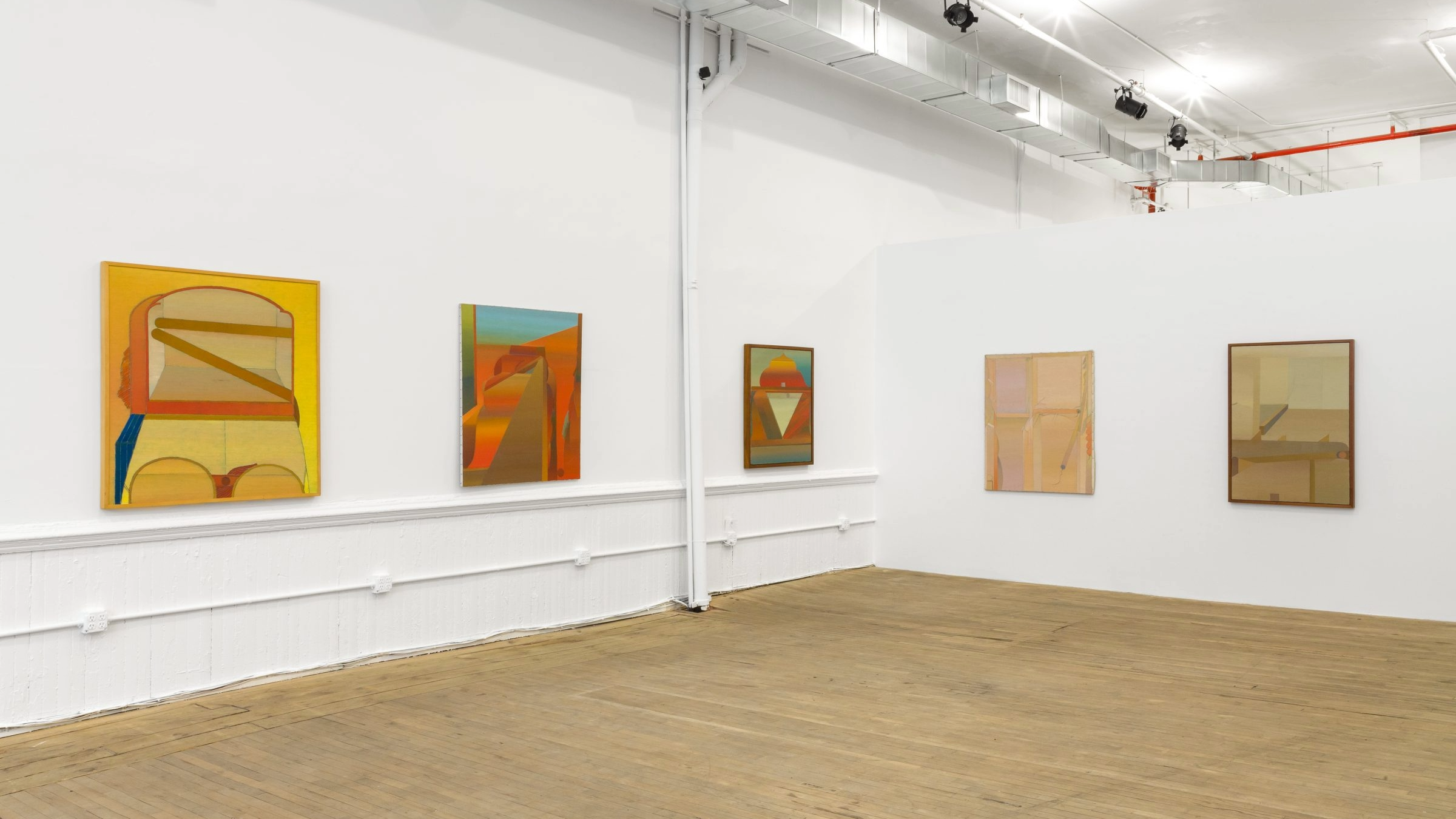
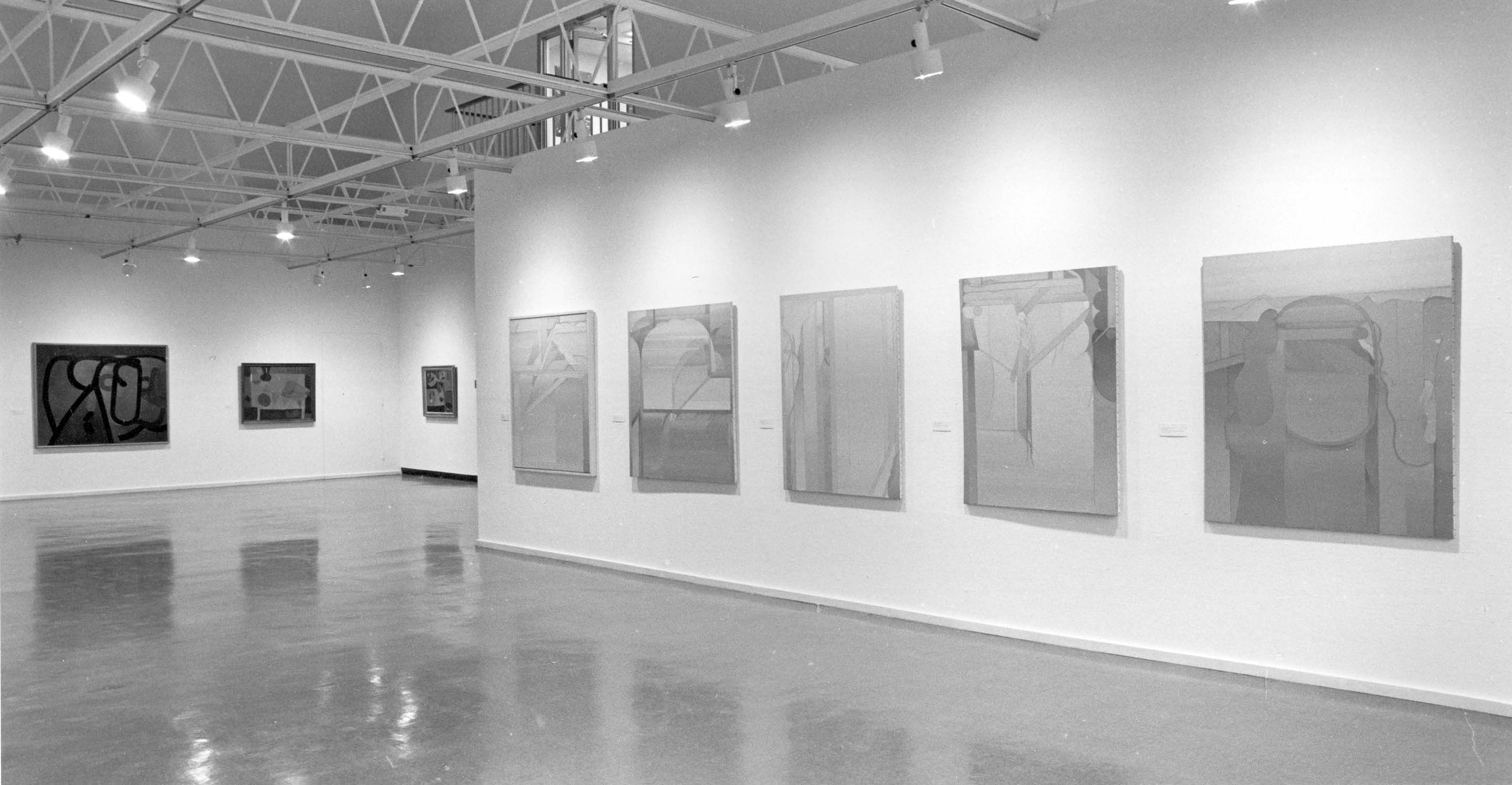
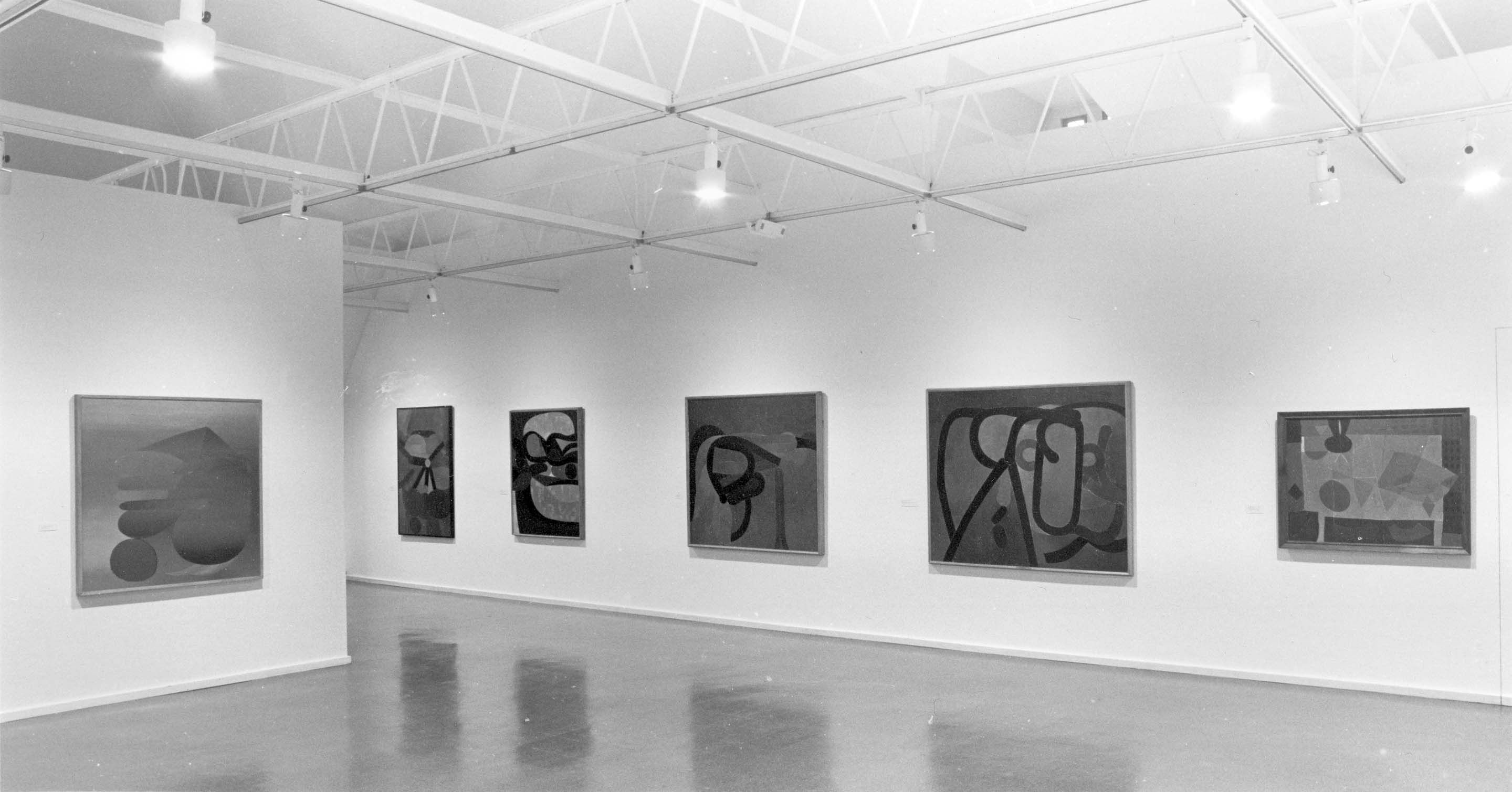
Heart of Hearts, Artists Space, Installation View, 2024
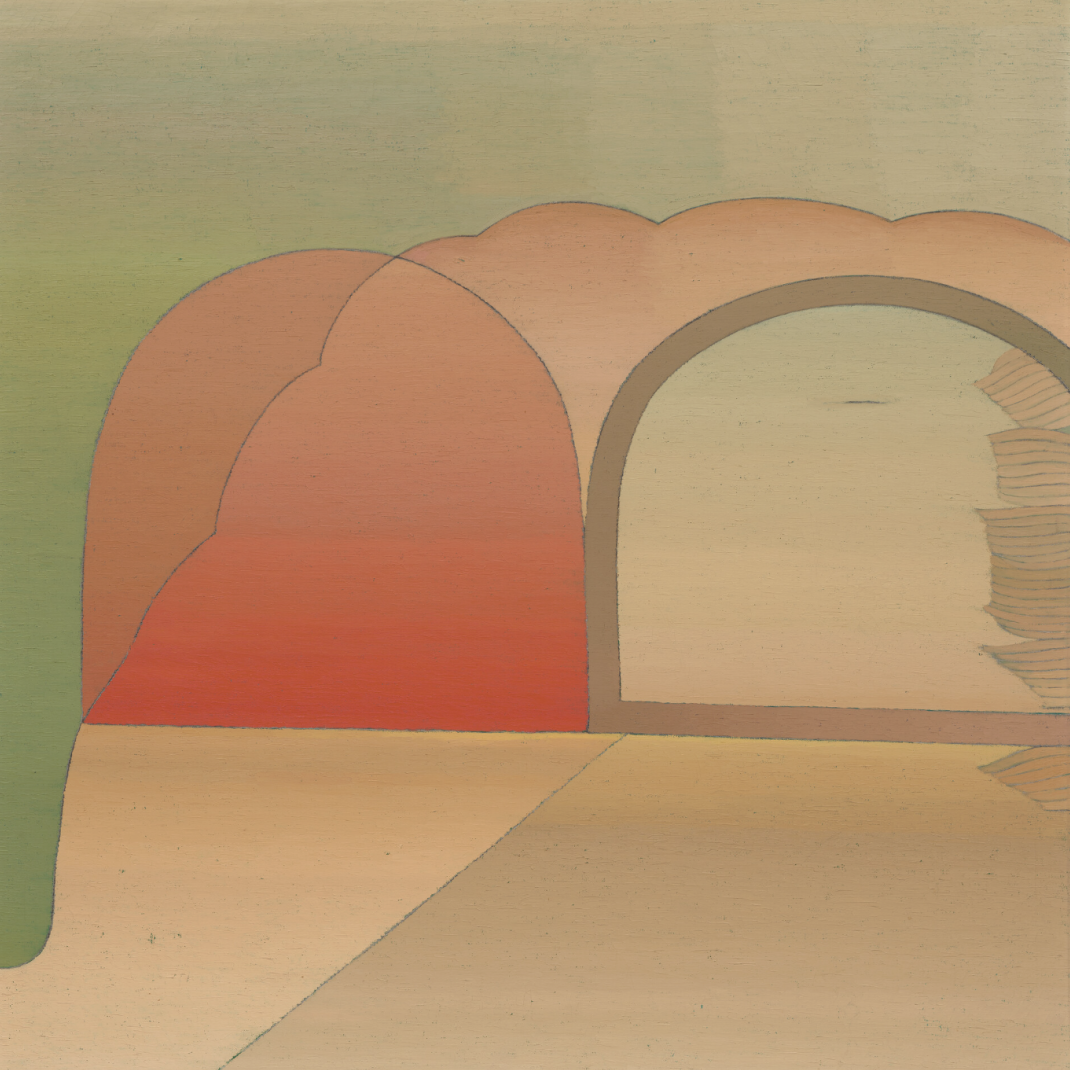

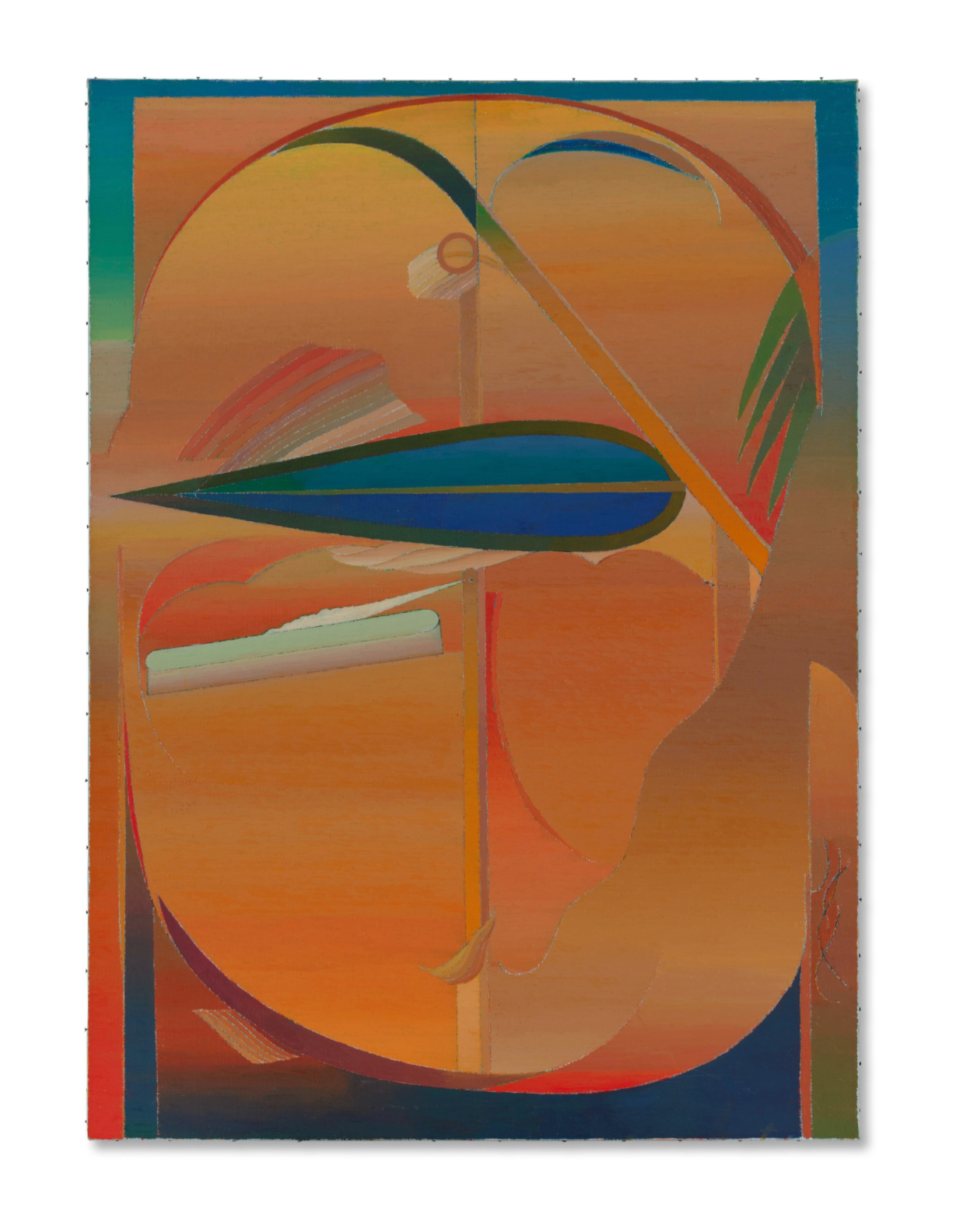
Miyoko Ito, Untitled, 1975
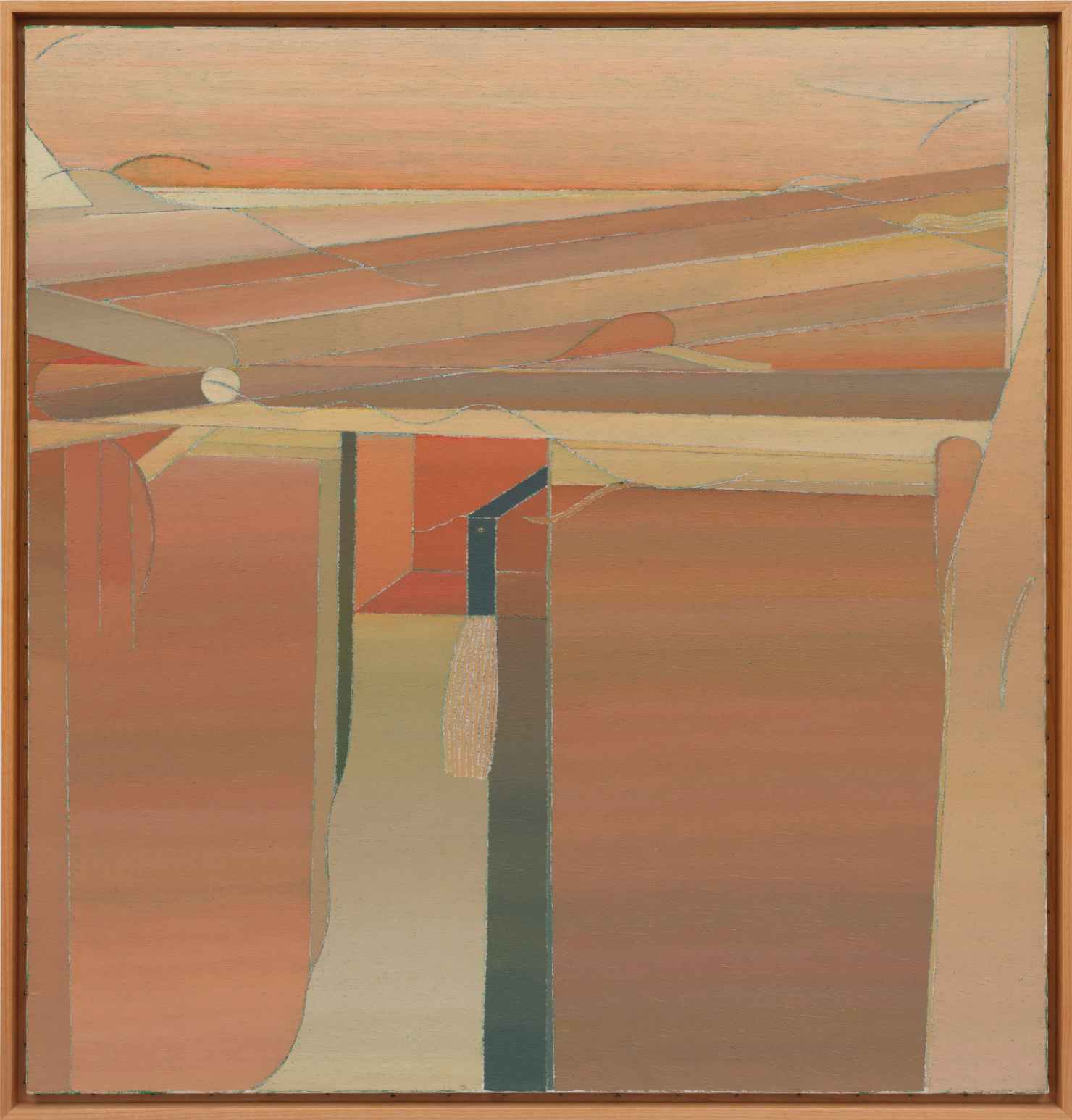
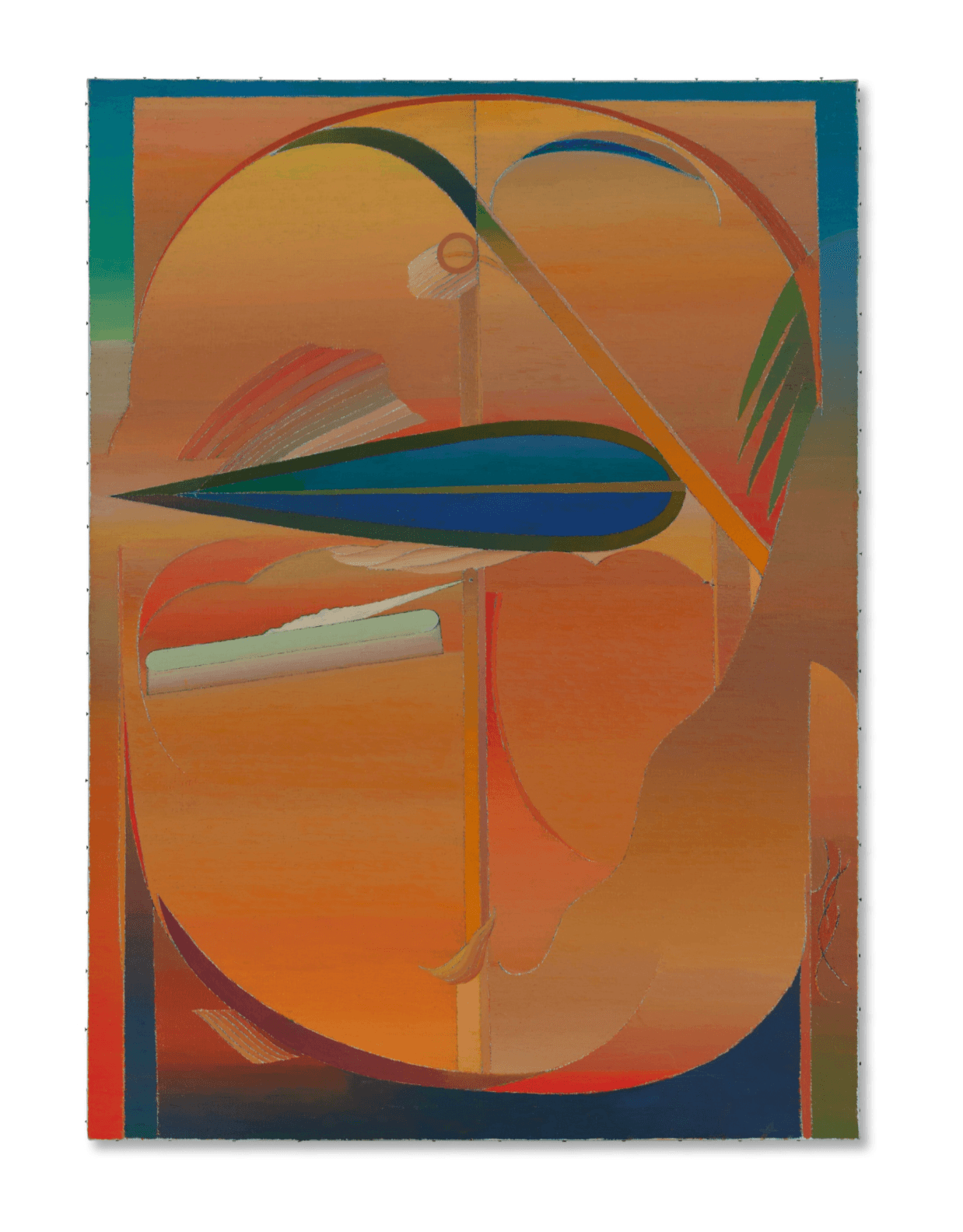
Stylistically, Ito’s early works reveal tension between figuration and abstraction, often marked by architectural compression and psychological weight. By the 1960s, she developed a language of interlocking geometric color fields and organic contours. Her palette became brighter yet remained restrained. Her true peak emerged from the late 1960s through the mid-to-late 1970s. During this period, her paintings display vivid color, rhythmic movement, and strong spatial dynamism—resembling abstract landscapes while asserting a confident and mature painterly vocabulary. These works, deeply informed by her Bay Area experience, are precisely the period most actively collected by institutions such as Glenstone Museum and Museum of Modern Art.
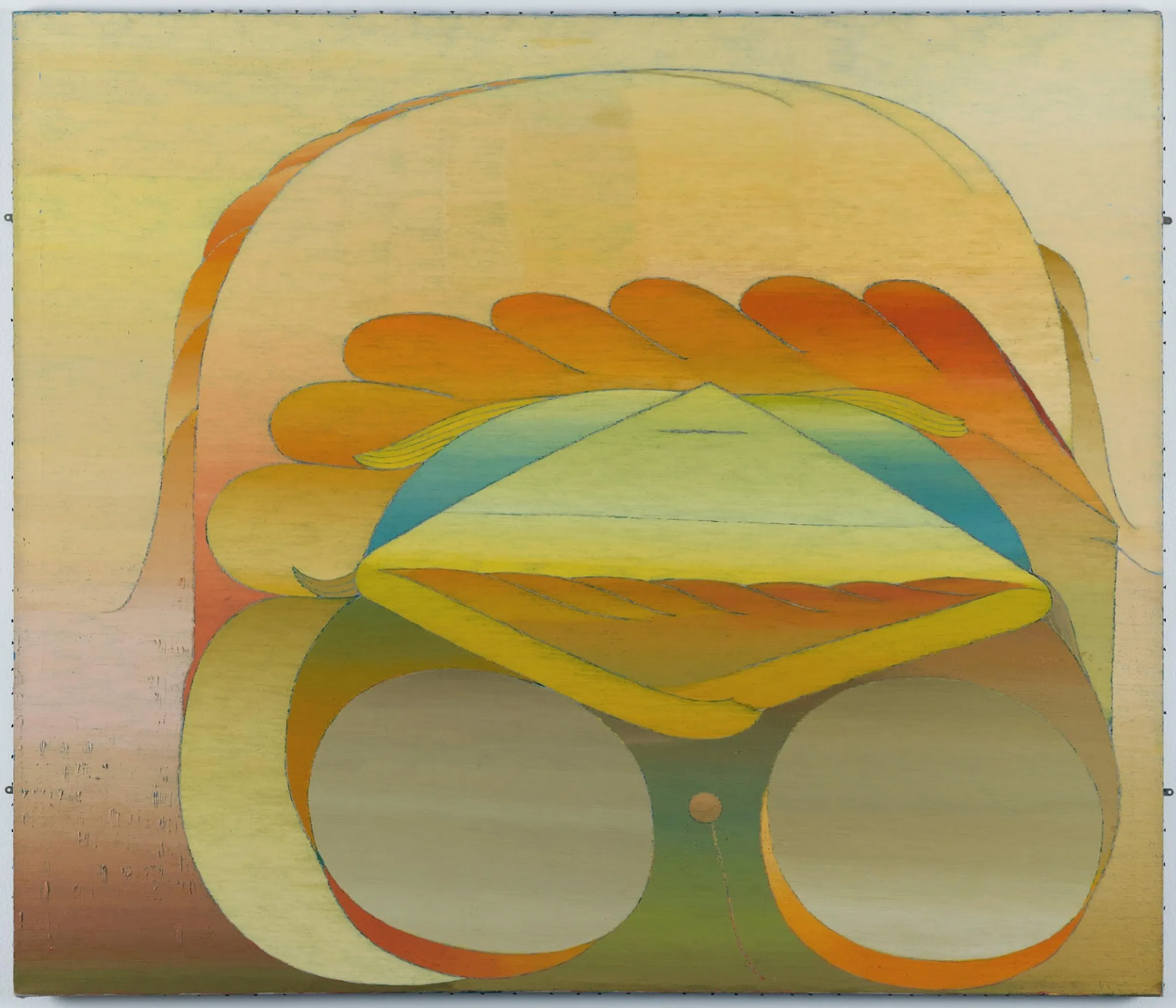
Spiritually, Ito sought to reconcile the material and the metaphysical. In today’s art world—often characterized by urban sophistication and strategic self-awareness—such an inward orientation may appear unfashionable. Yet it is precisely this quality that makes her work so valuable. Titles such as Oracle, Shrine, Dusk, Narcissa, and Steps reveal her sustained engagement with time, ritual, repetition, and myth. In this sense, her practice aligns with the prophetic inward explorations of Forrest Bess, while also entering into a spiritual dialogue with Helen Frankenthaler’s openness between materiality and intuition.
Miyoko Ito, Narcissa, 1977
Academically, her repositioning is largely complete. In 2017, Berkeley Art Museum and Pacific Film Archive organized a retrospective that firmly reestablished her place within postwar American abstraction. More recently, the Glenstone Museum has been planning a major retrospective, expected to tour Europe—signaling that her scholarly momentum is extending from U.S. institutions into the international system. This is not a short-term market maneuver, but the natural outcome of sustained research.
Market shifts have followed accordingly. Three years ago, major works by Ito traded at approximately USD 300,000. More recently, at FOG Design+Art 2026, a representative work sold by Ortuzar Projects reached USD 850,000. Executed during her strongest period, the painting exemplifies her mature language and her influence within the Bay Area art scene, once again confirming the tight correlation between institutional validation and market confidence. Of further note, her 1977 painting Nagisa is scheduled to appear at Sotheby's on February 25. Also from her peak period and offered with a relatively conservative estimate, it presents a compelling opportunity for collectors familiar with Ito’s art-historical and market trajectory.
Viewed today, Miyoko Ito has not been “rediscovered,” but rather restored to the position she always deserved. Her paintings do not seek volume or spectacle. Instead, through sustained rigor and internal consistency, they construct a visual world spanning the material and the spiritual. It is precisely this quiet intensity that makes her work, at this moment, impossible to ignore.