Why the Global South Is the Next Collecting Focus — and Why Collectors Are Drawn to Her Work
As Western ultra-contemporary markets slow, collectors increasingly turn to Global South artists. Pacita Abad’s textile-based practice challenges Western material hierarchies through migration-driven aesthetics, cultural symbolism, and emotional resilience. With growing institutional recognition and market momentum, her work reflects a broader shift toward historically marginalized narratives and more globally inclusive art histories.
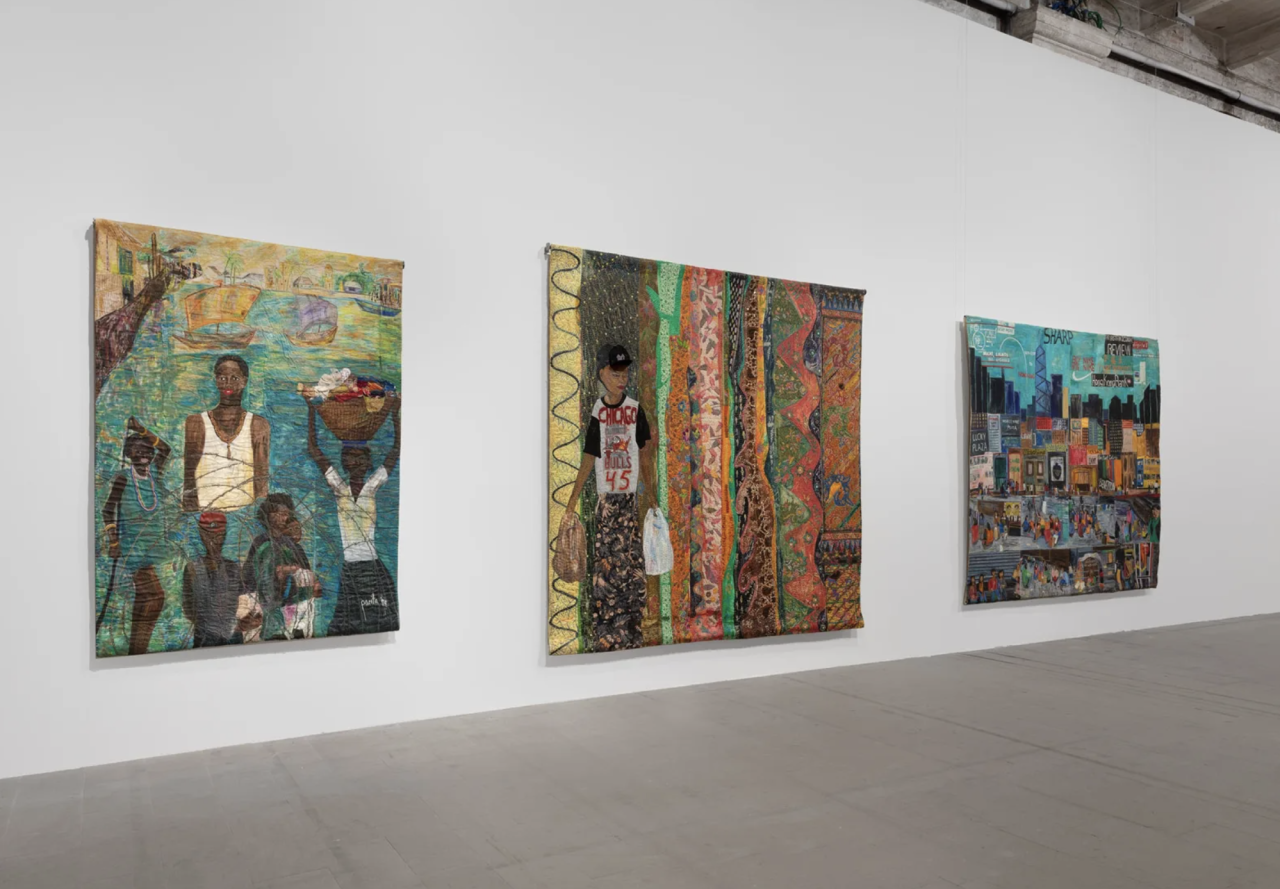
Pacita Abad, Venice Biennale, 2024
At a moment when the Western ultra-contemporary art market appears relatively stagnant, many Asian collectors have turned their attention toward artists from the Global South. Since 2021, the Global South has re-entered curatorial, institutional, and academic discourse, a momentum that culminated in the 2024 Venice Biennale, curated for the first time by a Latin American curator, Adriano Pedrosa. Titled Foreigners Everywhere, the exhibition foregrounded historically marginalized artistic communities and reintroduced numerous Global South artists whose cultural depth and artistic significance had long been overlooked — among them, Filipino-American artist Pacita Abad.
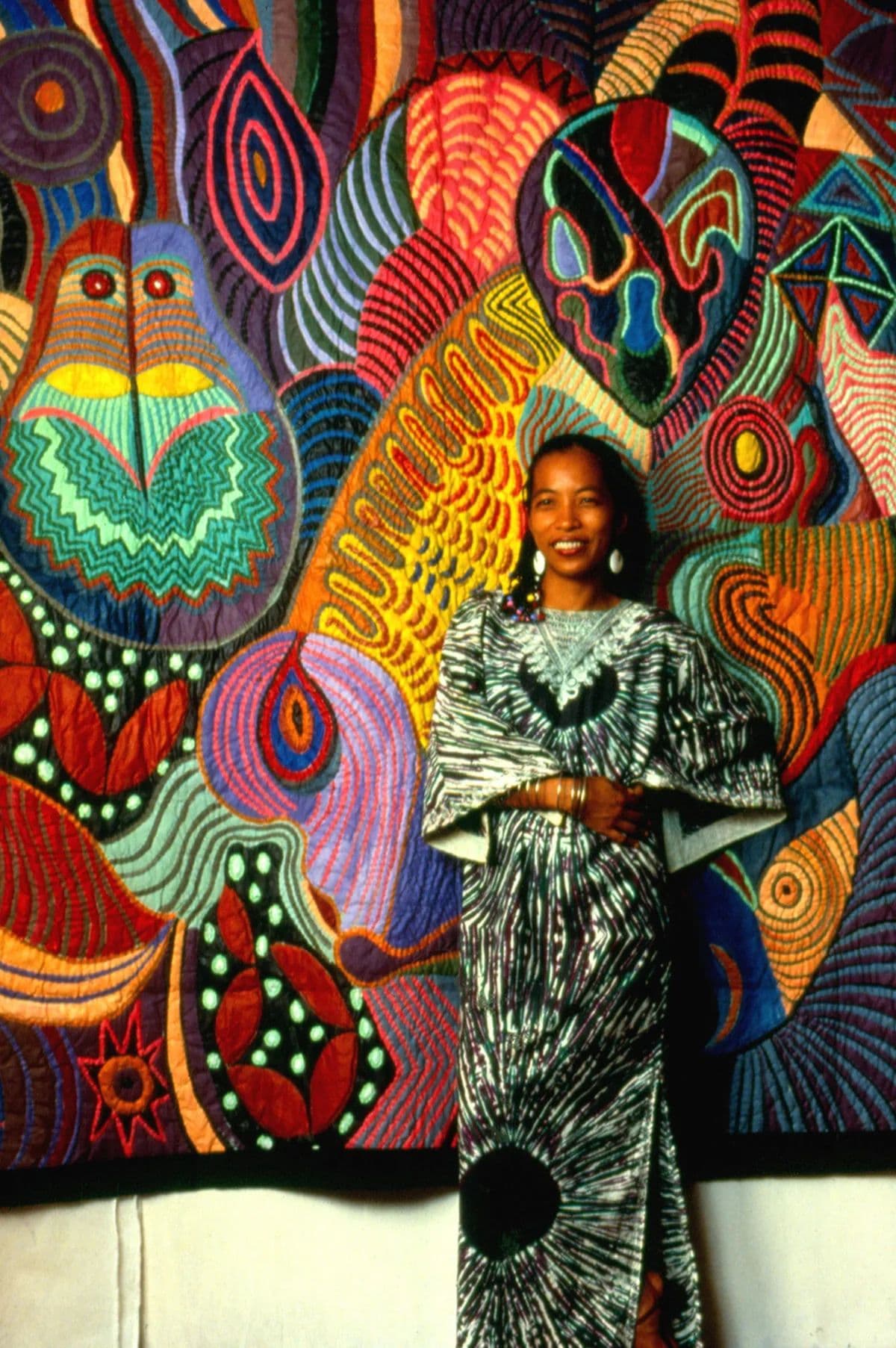
Pacita Abad was born in 1946 in the Philippines. Both of her parents worked in government service during the authoritarian regime of Ferdinand Marcos, a period marked by political repression. Forced into exile, Abad left her homeland and embarked on a life of continual migration. These early experiences shaped her later practice, which absorbed techniques, materials, and visual languages from the many countries and cities she lived in.
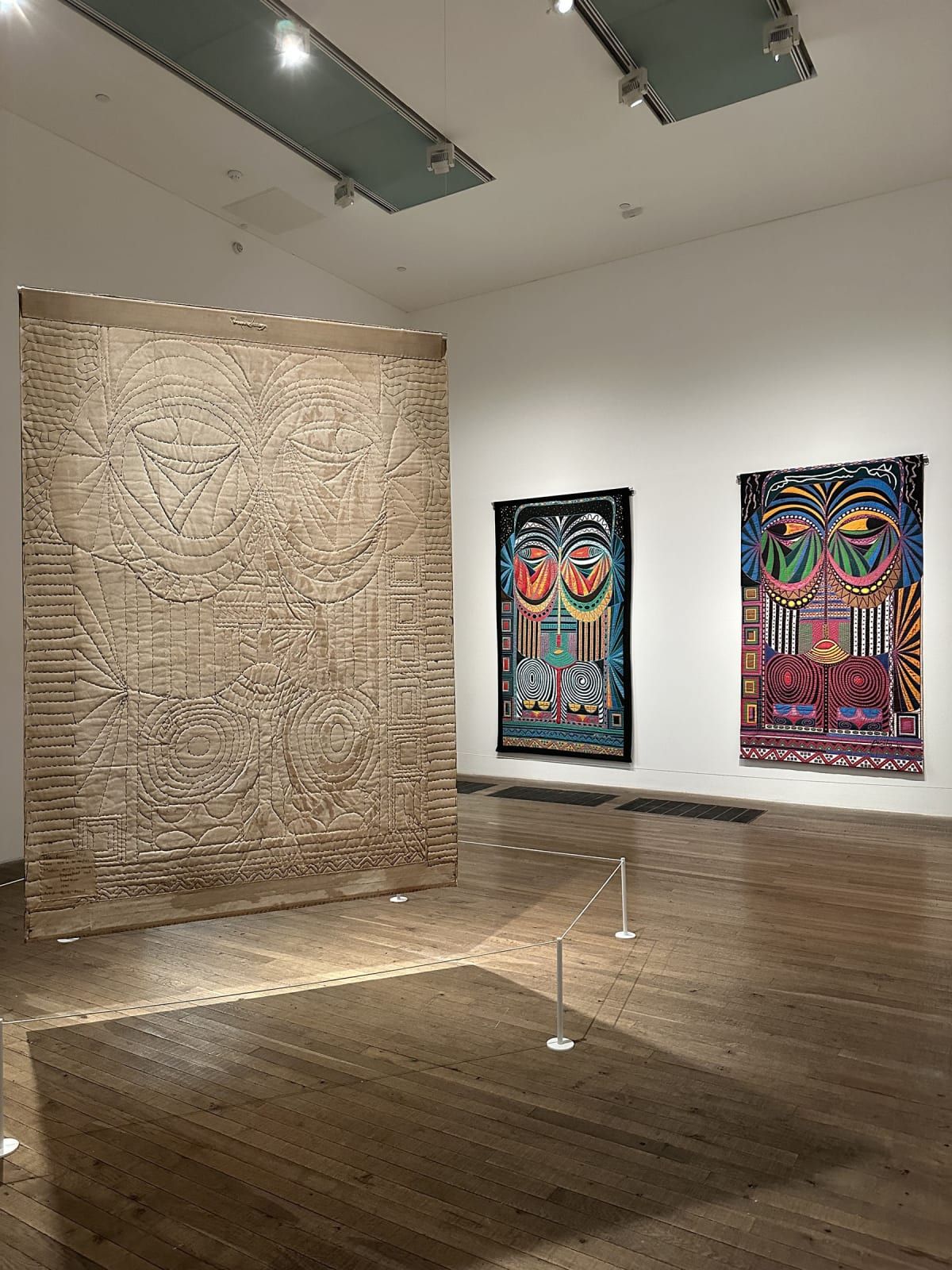
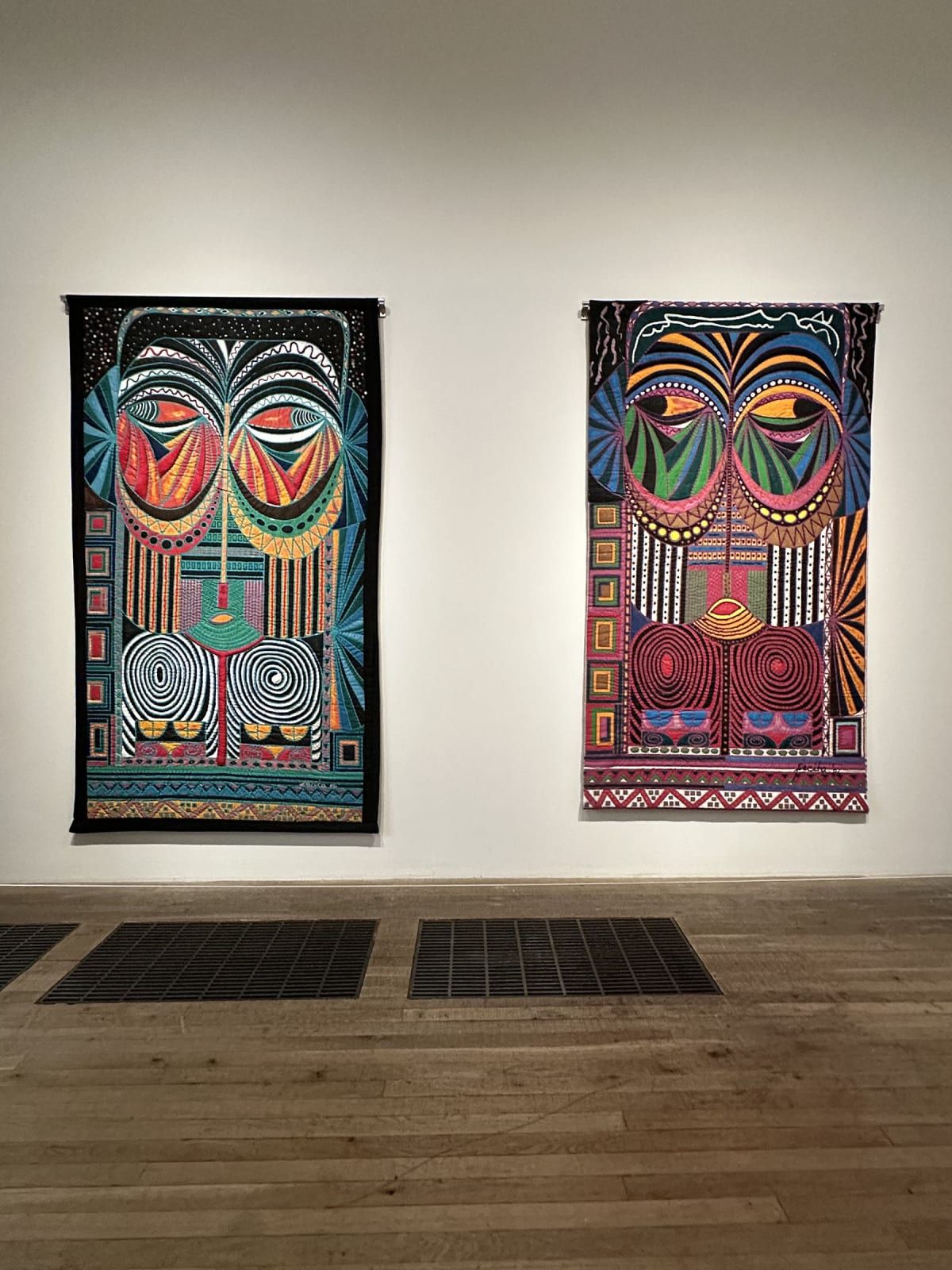
Her work is deeply rooted in the symbolic vocabularies of the Philippines and Southeast Asia, while also reflecting techniques acquired through global movement. Abad creatively fused Korean ink traditions, Indonesian batik, and African tie-dye, developing her signature trapunto painting practice — textile-based works combining embroidery, stitching, and painting. By rejecting oil painting as a dominant medium and abandoning the rectangular canvas format favored in Western art history, Abad enacted a deliberate aesthetic strategy of de-authorizing material hierarchies. Her practice represents a direct challenge to the structural order imposed by Western colonial art systems.
In the 1980s, Abad nearly drowned during a snorkeling accident, an experience that left her with an intense fear of the ocean. In an effort to overcome this trauma, she relearned how to dive and eventually returned to the sea. This transformative experience inspired her celebrated Underwater Wilderness series. Rendered in vibrant, fantastical colors through her trapunto technique and often reaching monumental scales of three to four meters, these works immerse viewers in a dazzling, otherworldly marine environment. The series is both visually overwhelming and emotionally charged, reflecting Abad’s extraordinary resilience.
This body of work, together with her Masks and Spirits series, features canvases padded with soft underlayers and embellished with stones, sequins, glass, buttons, shells, mirrors, and found textiles. These works simultaneously resist oil-based painterly tradition and assert strong cultural specificity, becoming some of her most widely recognized contributions.
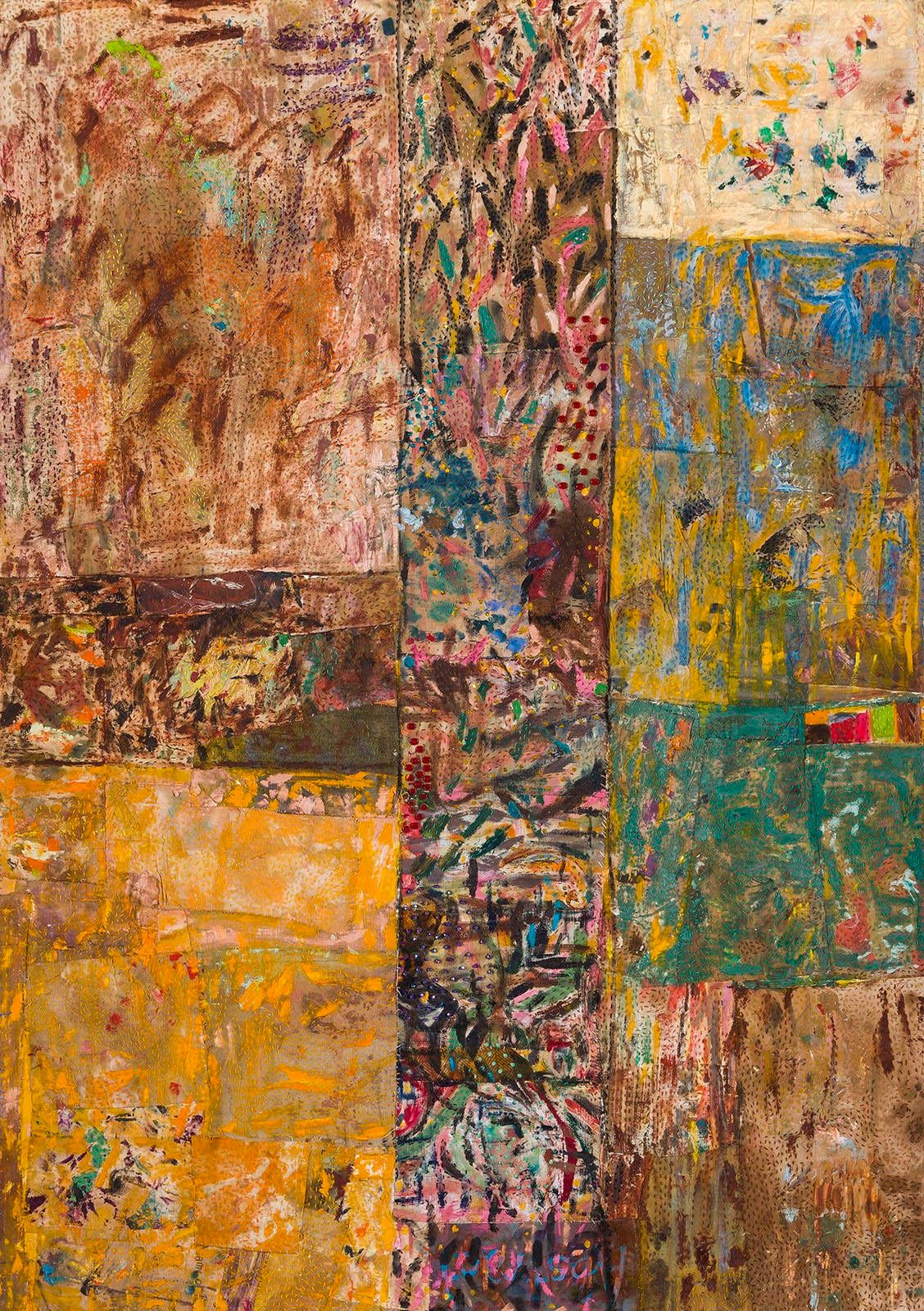
Pacita Abad, The Sparks, the he at and the glow, 1998
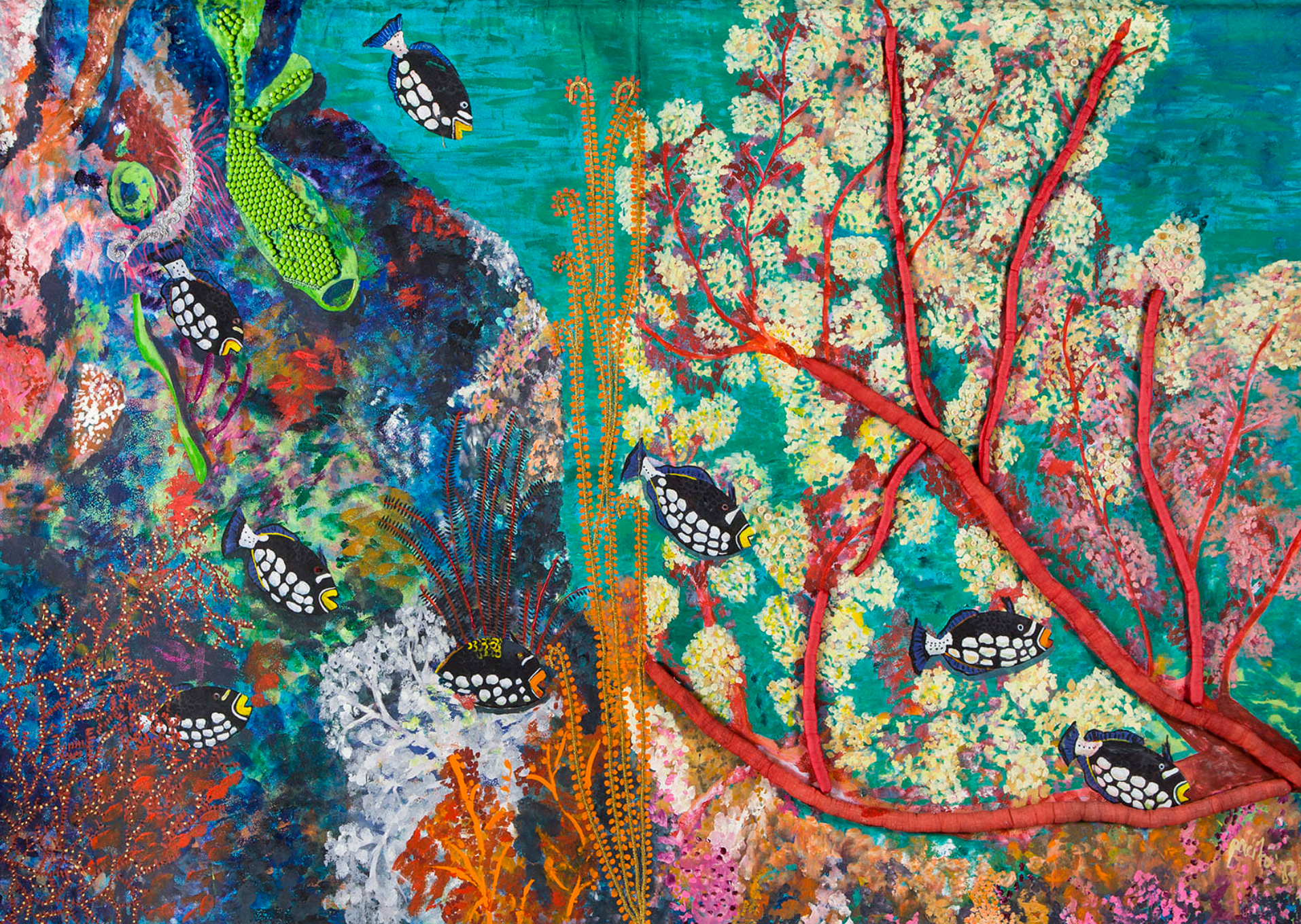
Pacita Abad, Dumaguete's underwater garden, 1987
In 2000, Abad was diagnosed with lung cancer. While battling illness, she developed what many consider her most spiritually elevated series, Emotional Rescue. These works employ increasingly abstract symbols and radiant chromatic structures to confront life, suffering, and mortality. While continuing the compositional logic of her earlier practice, the series demonstrates a more distilled, refined visual language. Abad passed away in Singapore in 2004 at the age of 58. To the author, this late series marks her liberation from figurative constraints — shedding masks, tribal references, and symbolic imagery in favor of pure color and line. Perhaps this shift reflects a final reckoning with life’s immensity, where contemplation gives way to calm.
In recent years, Abad’s institutional presence has expanded significantly. In 2023, a major retrospective titled Pacita Abad opened at the Walker Art Center in Minneapolis and later traveled to the San Francisco Museum of Modern Art (SFMOMA). The following year, MoMA PS1 in New York mounted a landmark retrospective, which subsequently toured the Kunsthaus Zürich and the Art Gallery of Ontario. In 2024, Abad returned to her homeland with Pacita Abad: Filipino Painter at the Metropolitan Museum of Manila, marking her first major exhibition in the Philippines since her 2018 solo show at the Museum of Contemporary Art and Design (MCAD).
As institutional recognition has grown, her market has steadily strengthened. At Christie’s 20th-Century Day Sale following Art Basel Hong Kong this year, a mid-scale work by Abad achieved a hammer price five times its high estimate. We observe that Asian collectors show strong interest in artists whose cultural narratives resonate with their own — whether through shared geography, heritage, or emotional proximity.
What is increasingly clear is the art world’s heightened engagement with the concept of the Global South. Tate Modern, for example, is currently presenting works by Emily Kam Kngwarray, one of the most internationally visible Indigenous Australian artists of the 20th century, while Abad’s early mask works have also entered Tate’s collection. Amid current market uncertainty, galleries are actively seeking new directions. The next peak of the art market may well be forming — quietly, but not far away.
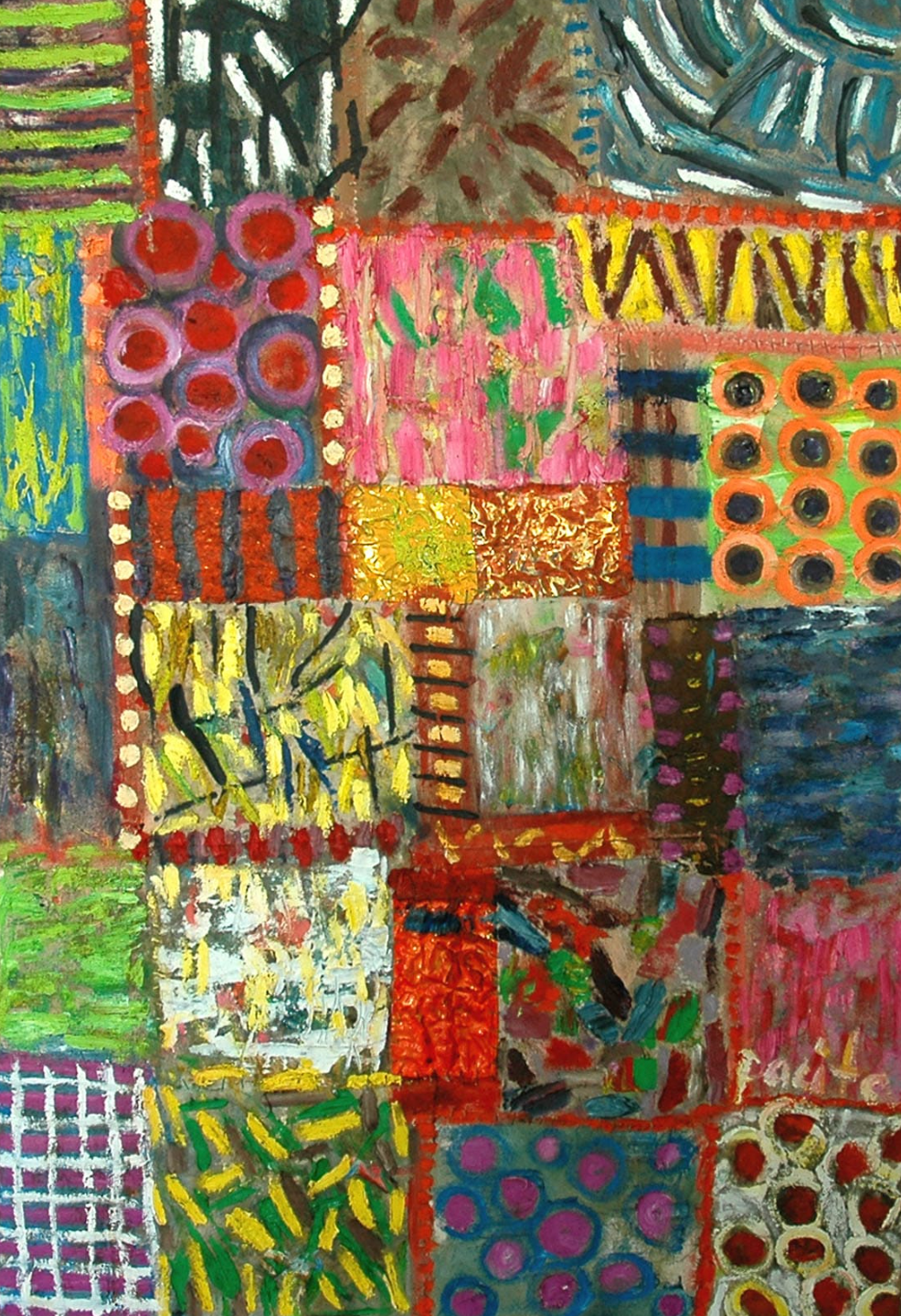
Pacita Abad, From the window of my studio, 2003
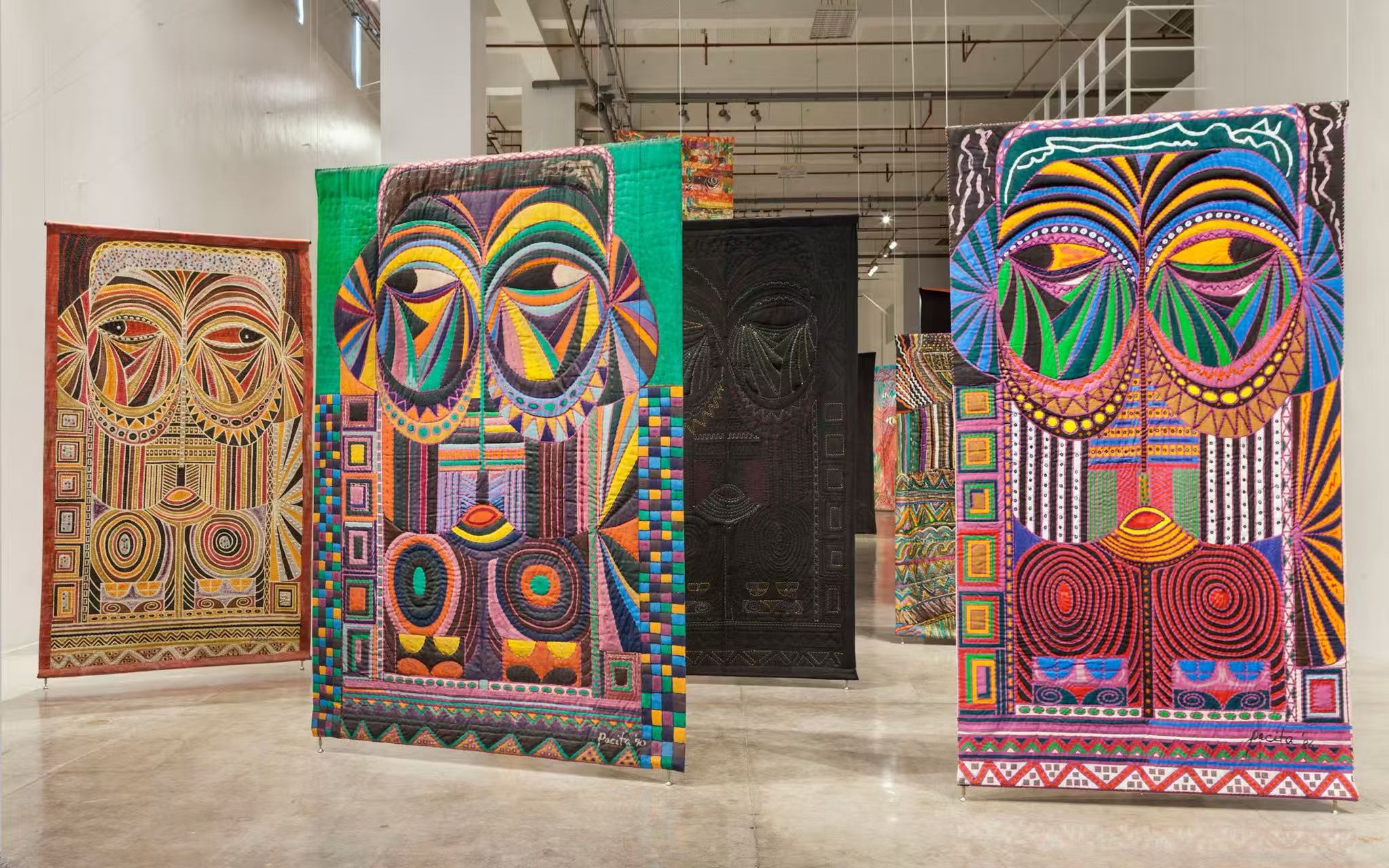
Pacita Abad, Walker Art Center, exhibition view
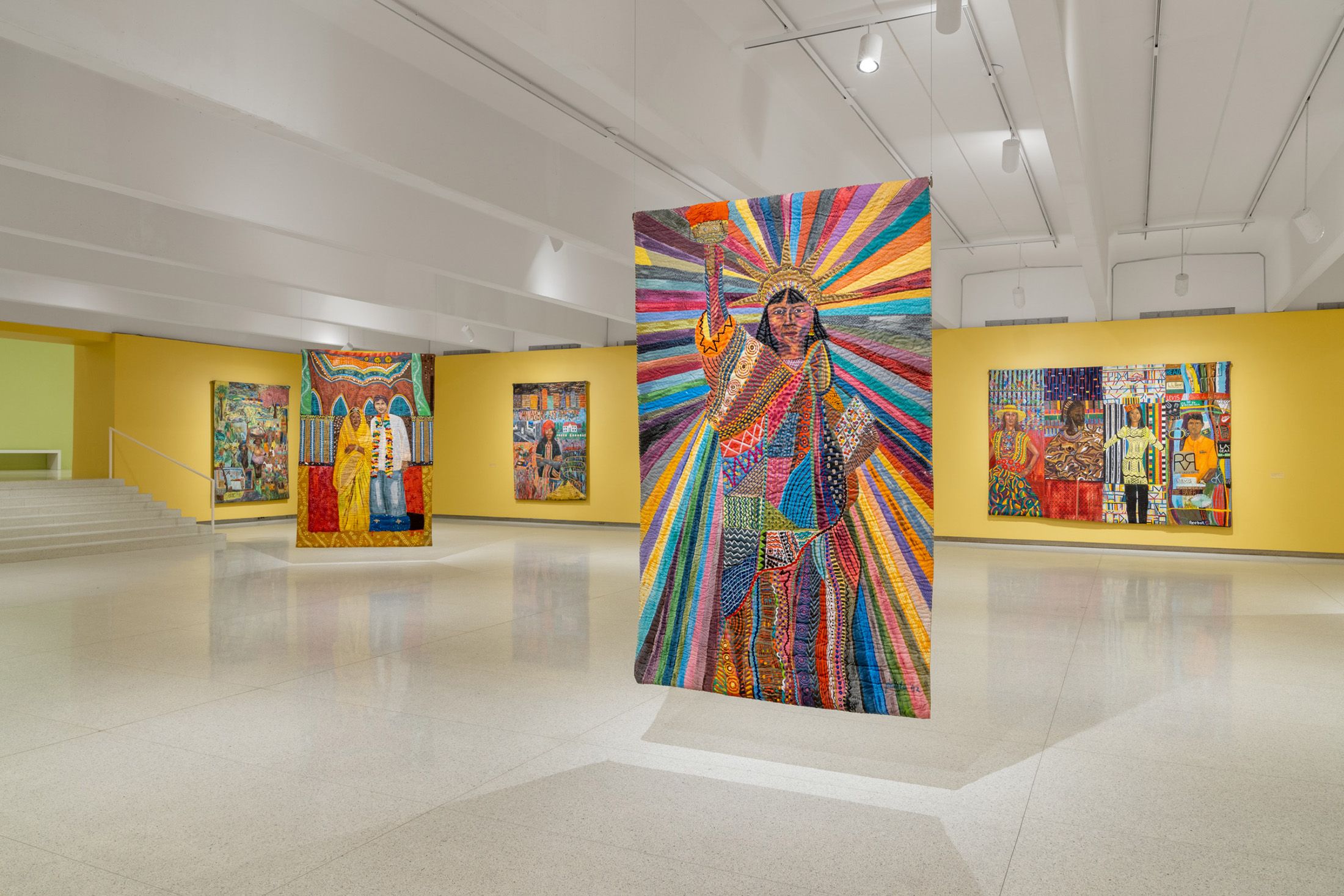
Pacita Abad, SFMOMA, exhibition view
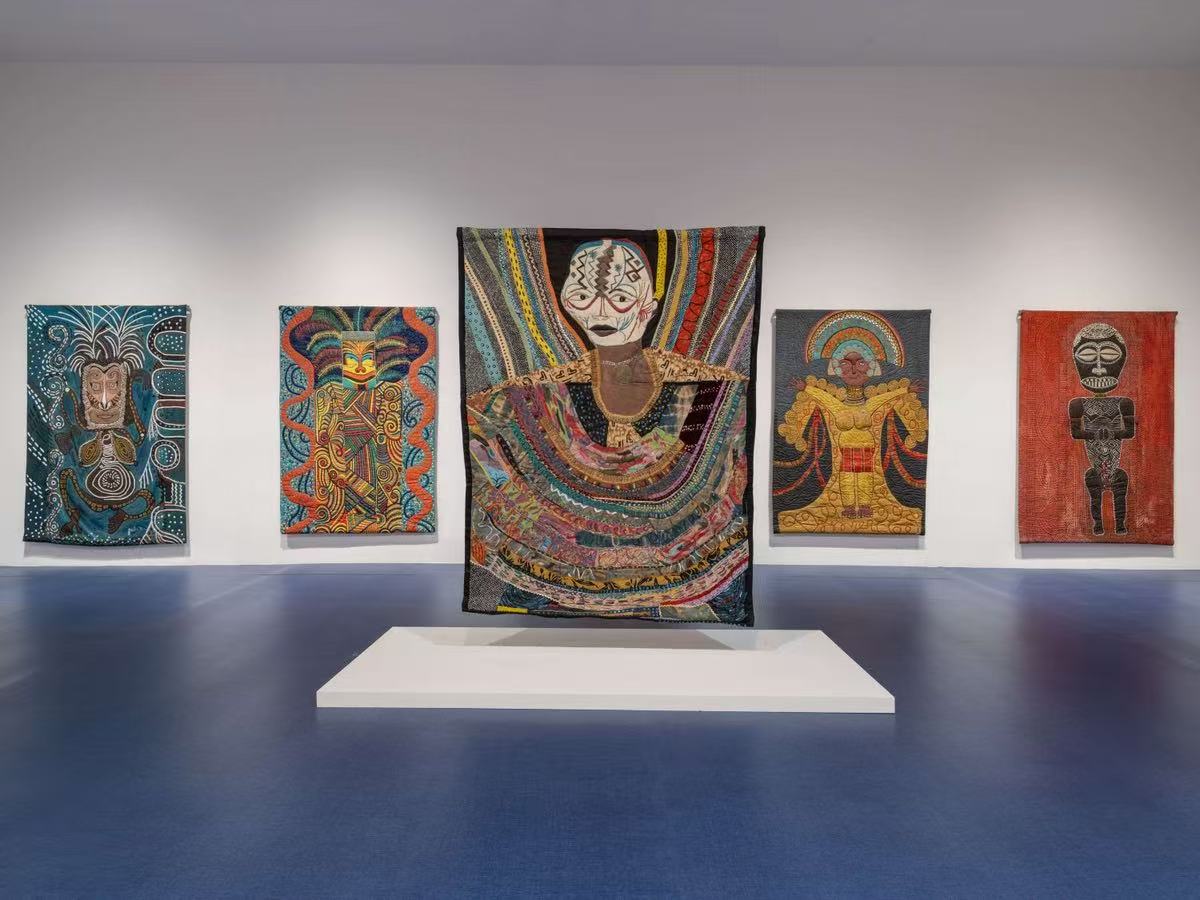
Pacita Abad, MoMA PS1, exhibition view
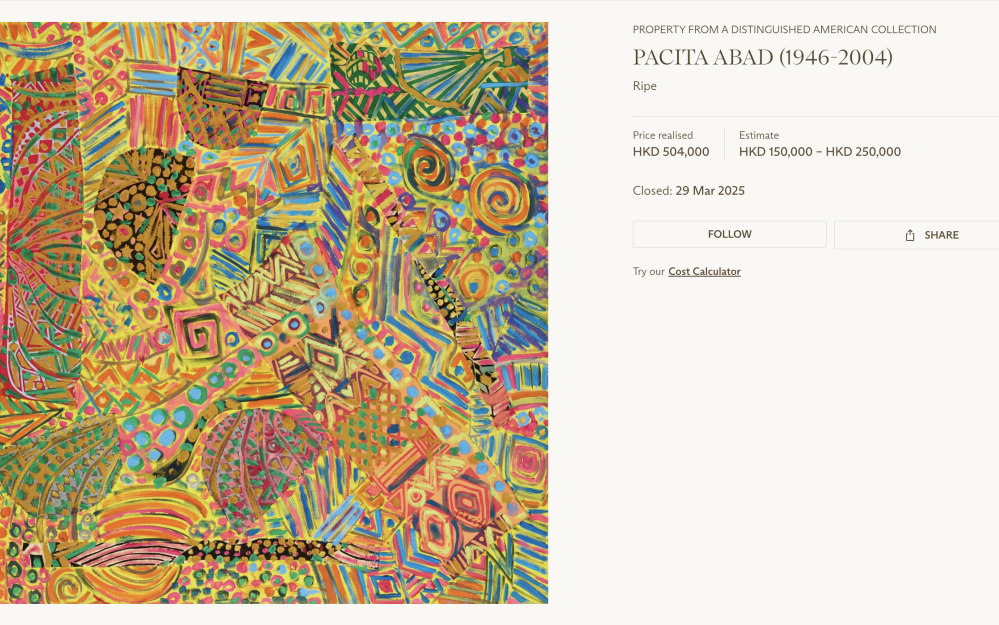
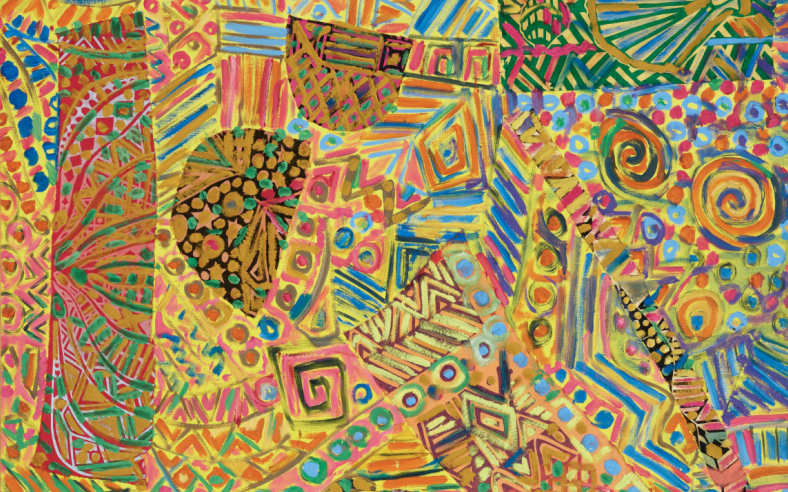
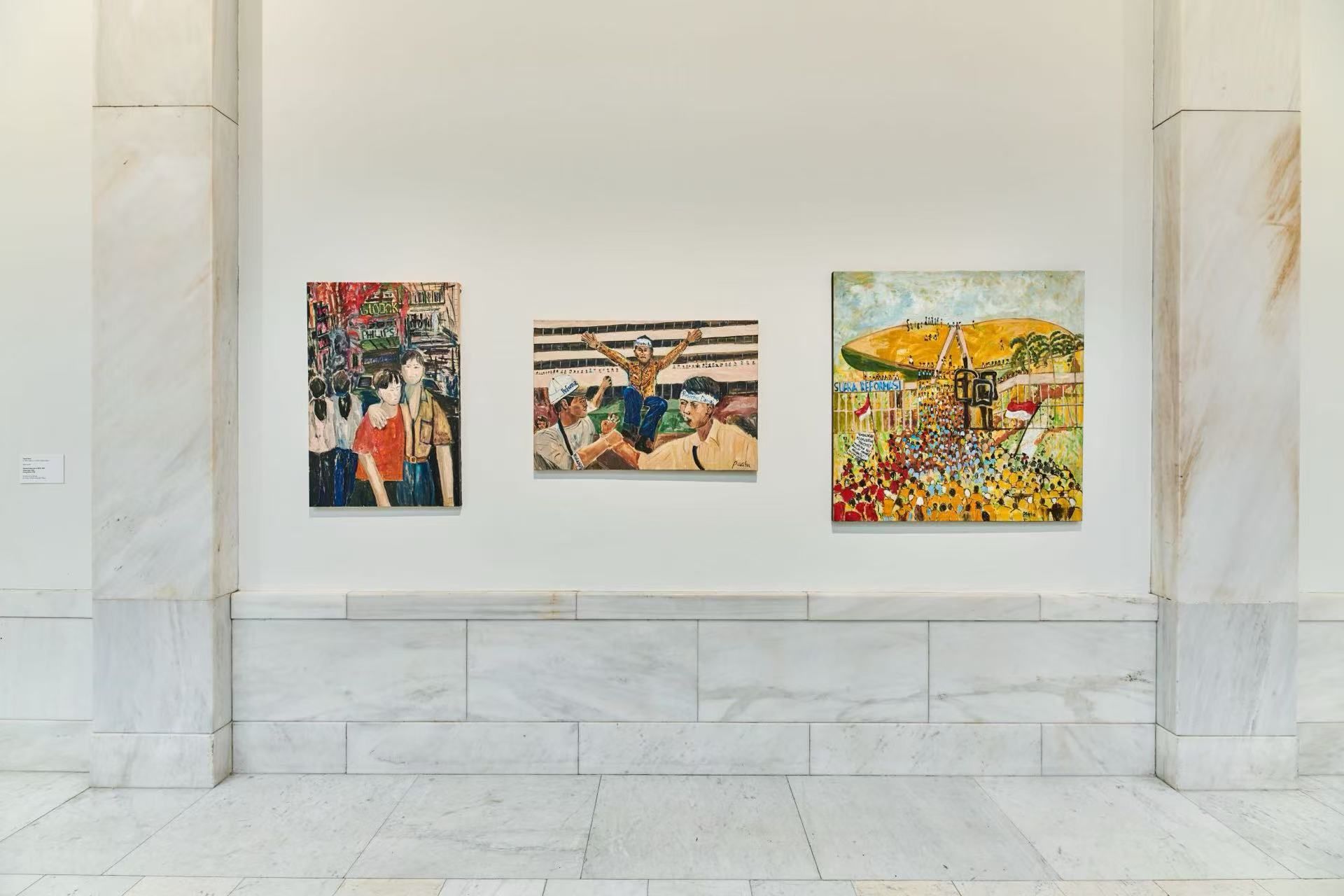
Pacita Abad, Carnegie Museum of Art, exhibition view