Testimony of Time: On Kawara’s I Got Up
On Kawara’s I Got Up series (1968–1979) redefines collecting as a physical capture of human existence. By stamping his daily waking time on tourist postcards, Kawara transformed administrative precision into a poetic testimony of life. Held by institutions like MoMA and Tate, these works represent a legendary, scarce, and academically vital intersection of time, ritual, and conceptual rigor.
In the vast landscape of contemporary art collecting, we often chase visual impact or material innovation. However, one form of collecting points directly to the core of human existence: the physical capture of "time" and "presence." I believe a mature collection must include works that resonate with the rhythms of life. On Kawara’s most humanistic series, I Got Up, is precisely such a masterpiece—blending rigorous conceptualism with sincere emotion. It is not only a milestone of 20th-century Conceptual Art but also a precious testimony to the scales of life.
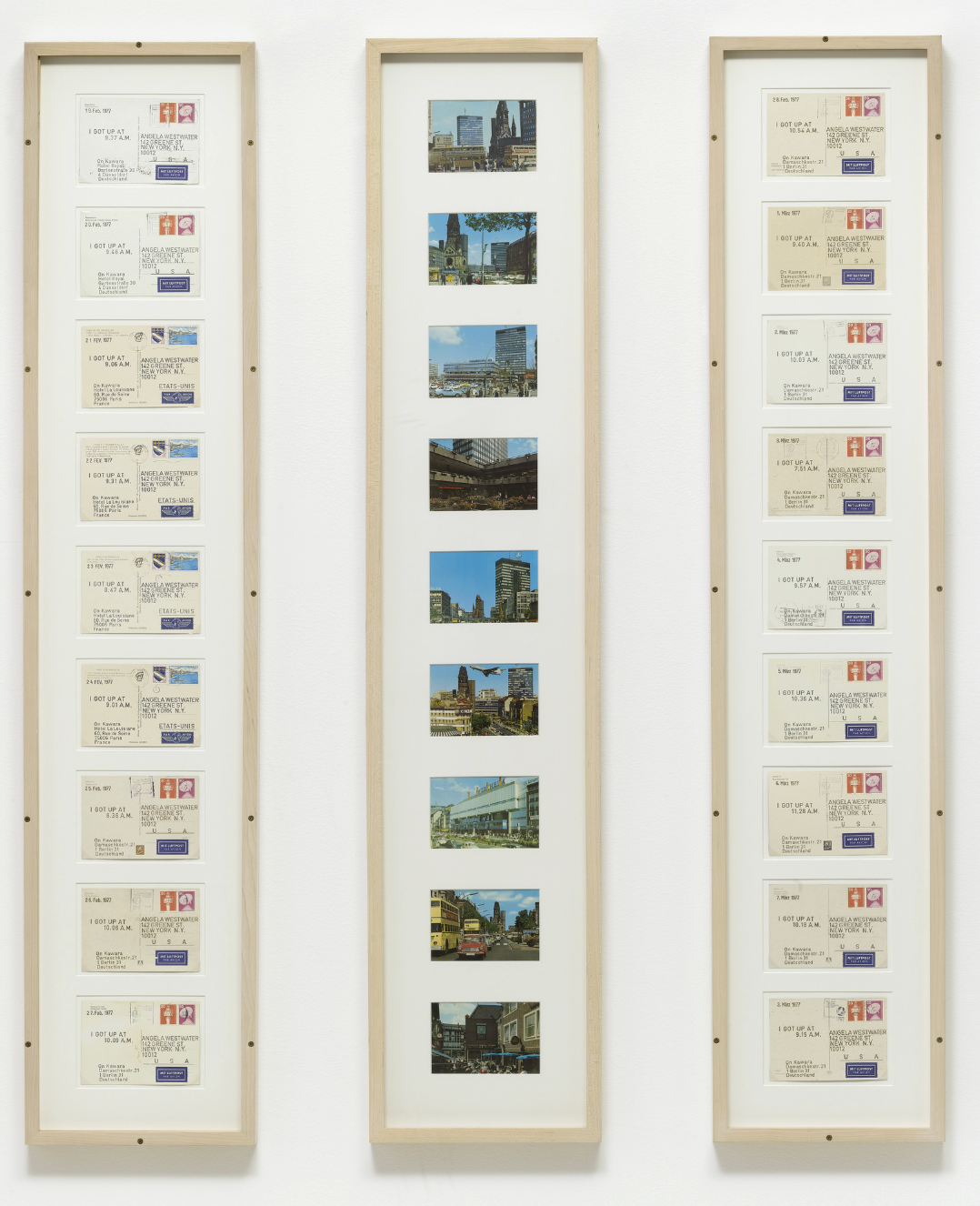
On Kawara, I GOT UP, 1977. Collection of the Museum of Modern Art (MoMA) © MoMA
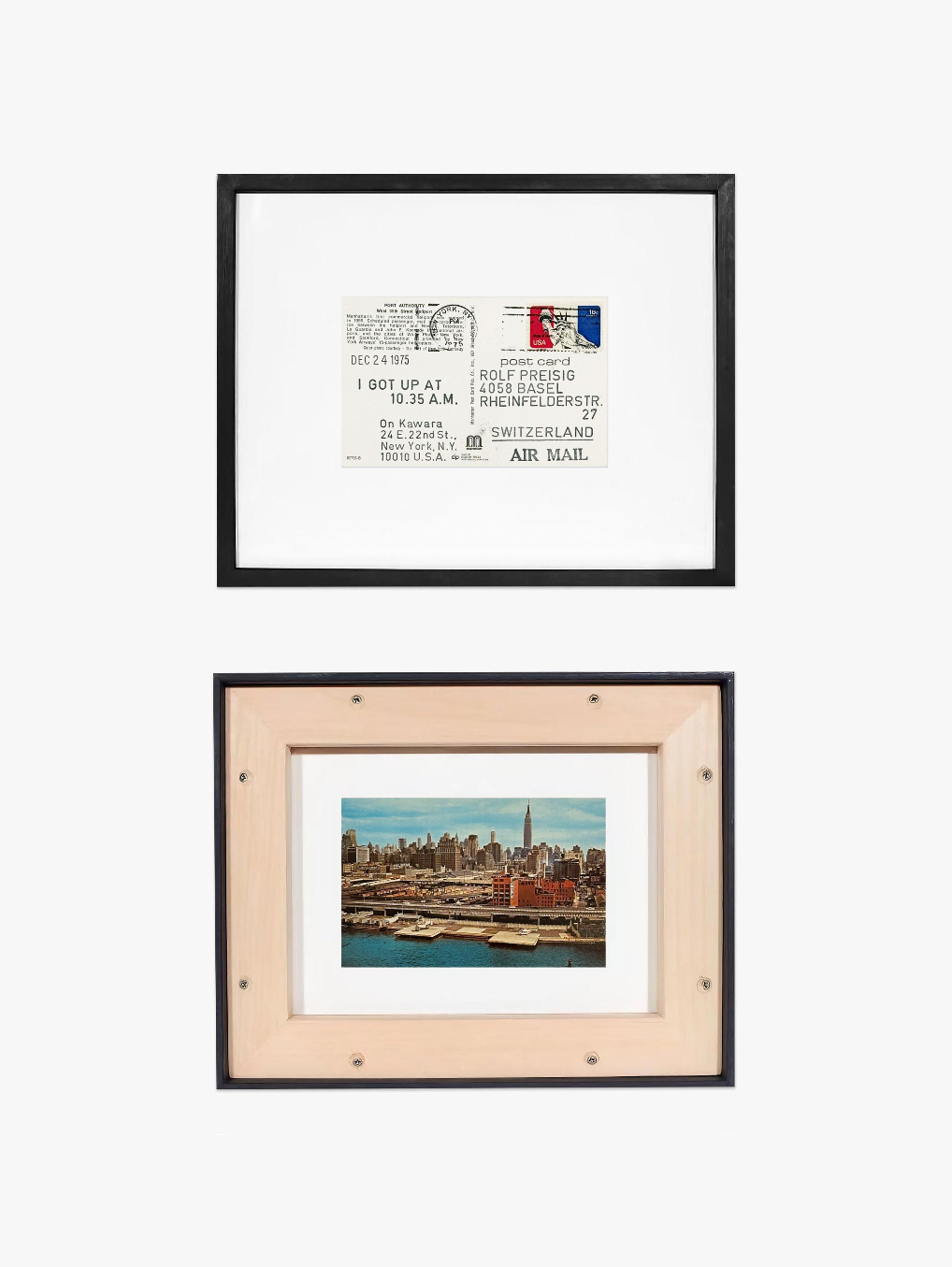
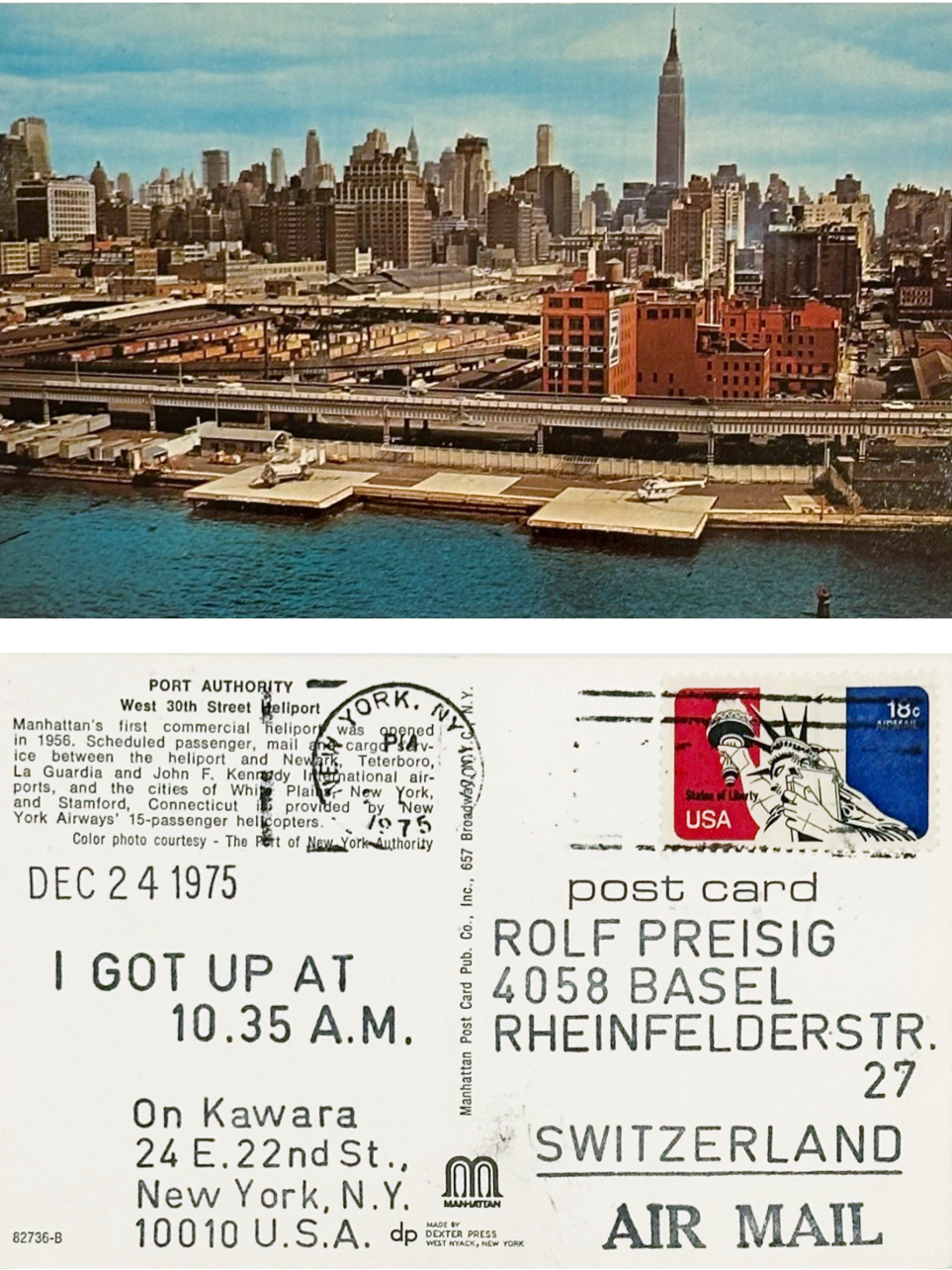
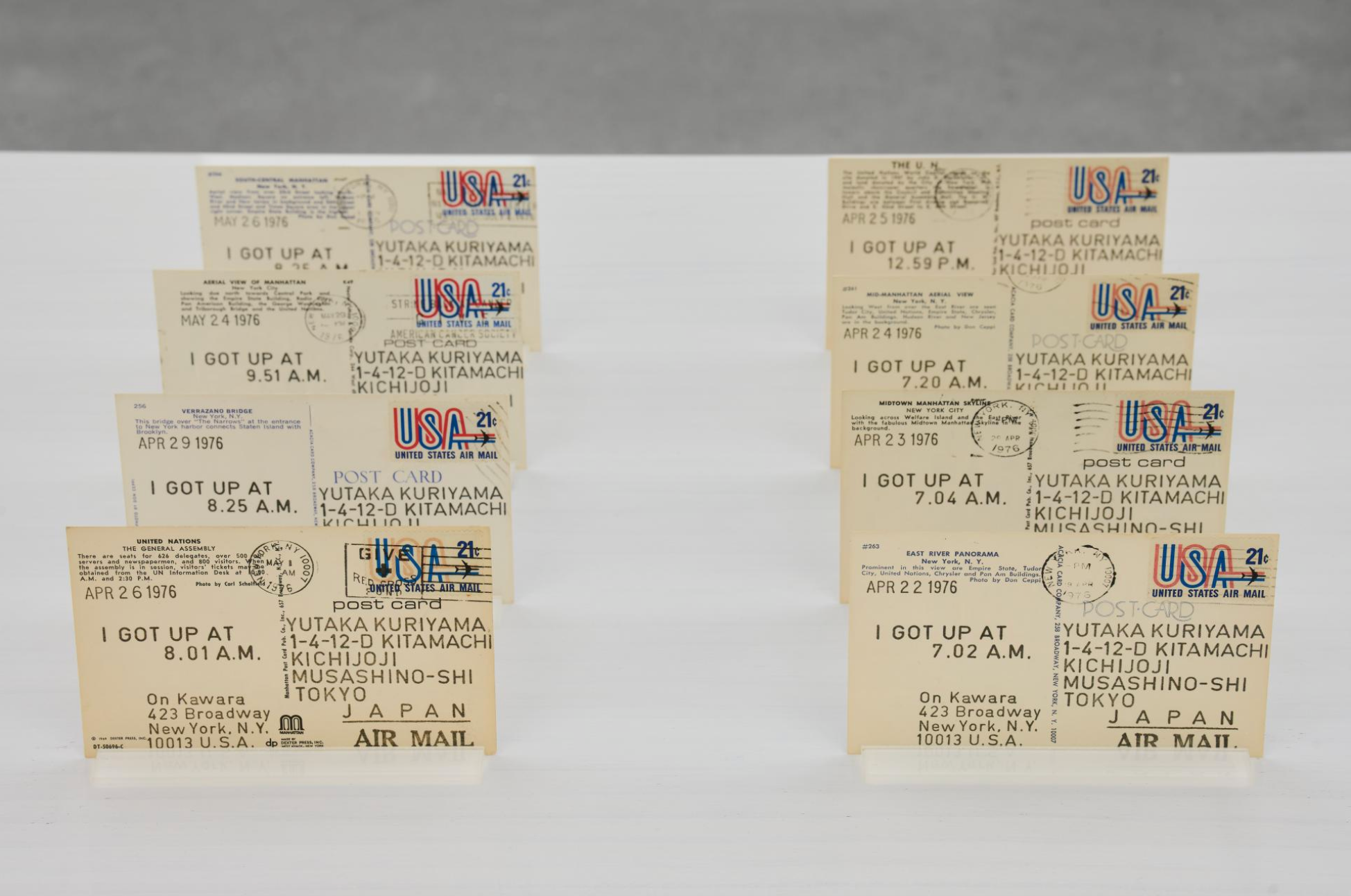
To understand its value, we must start with Kawara’s almost monastic practice. For twelve years, from 1968 to 1979, he performed a daily ritual: selecting two local picture postcards to send to friends, family, or colleagues. On the back, rather than traditional travel correspondence, he employed a detached, systemic method. Using custom-made rubber stamps, he meticulously inked his name, his current address, the recipient’s information, and the core declaration: "I GOT UP AT," followed by the exact time he awoke.
This methodology is highly recognizable in the history of Conceptual Art. He deliberately eschewed the subjective brushwork of traditional painting in favor of an "aesthetic of administration." This depersonalization paradoxically achieved an ultimate personal confession. As we gaze at a stamped time, such as "11:24 A.M.," we feel the artist’s reconnection with the world at that precise second. Those randomly selected postcards, often possessing an outdated, kitsch tourist aesthetic, were transformed into time capsules. This system, which should have been cold, is filled with a moving warmth due to the primal, human act of "waking up."
This twelve-year marathon ended abruptly due to a dramatic accident. In 1979, while traveling in Sweden, Kawara’s briefcase containing his stamping tools was stolen. Although recovered later, the perfect chain of space-time had been fractured for an artist who prioritized order and continuity. He decided to terminate the series forever. This accidental conclusion adds a legendary aura to the I Got Up series, ensuring absolute scarcity in the market. Each postcard is an unrepeatable fragment of time.
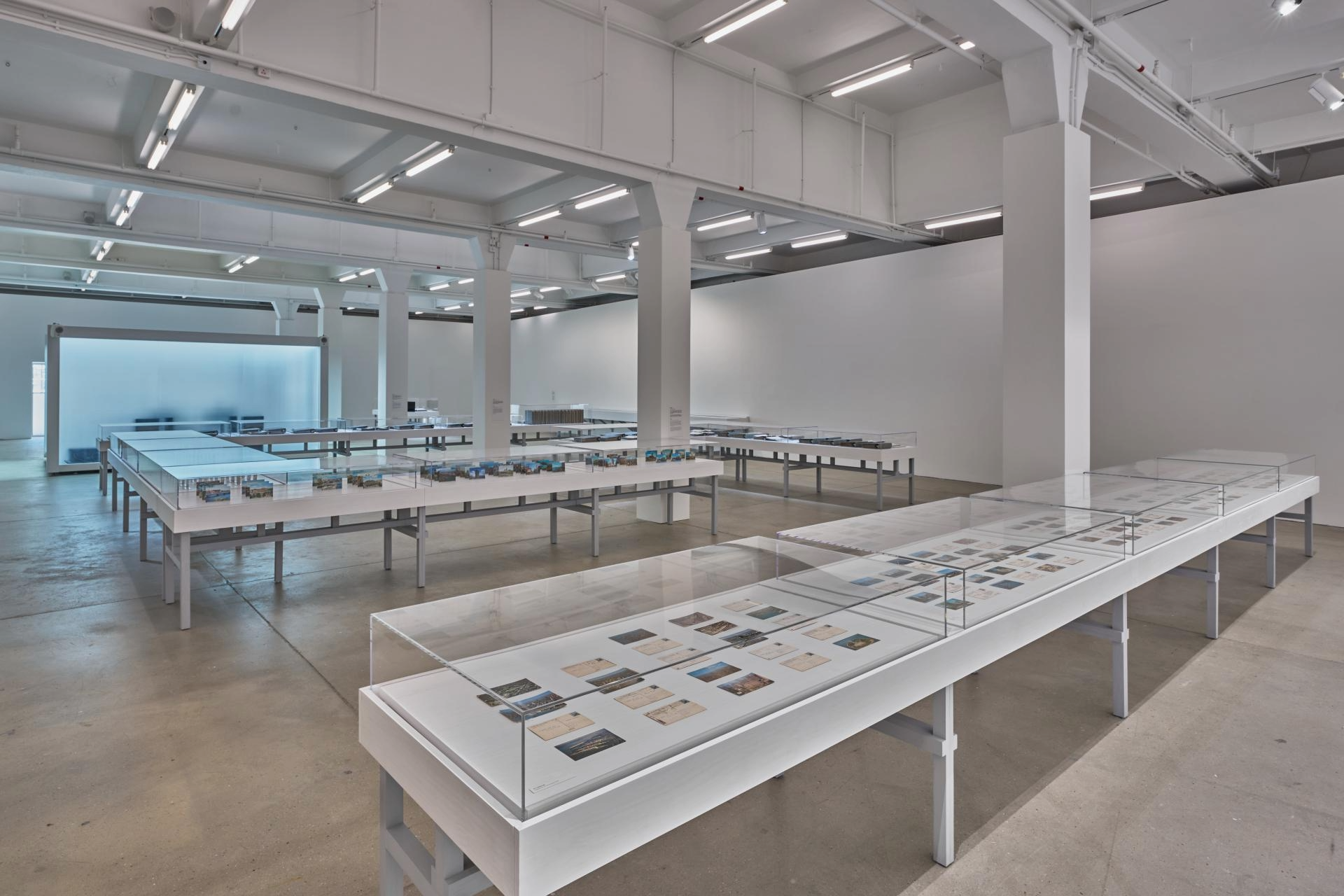
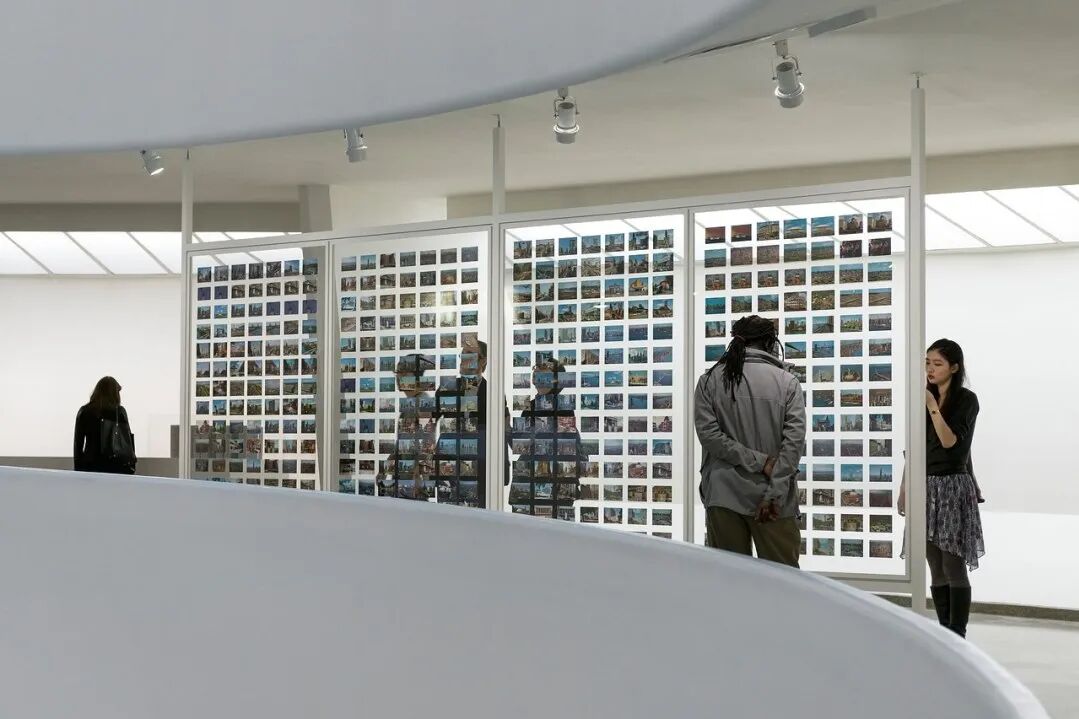
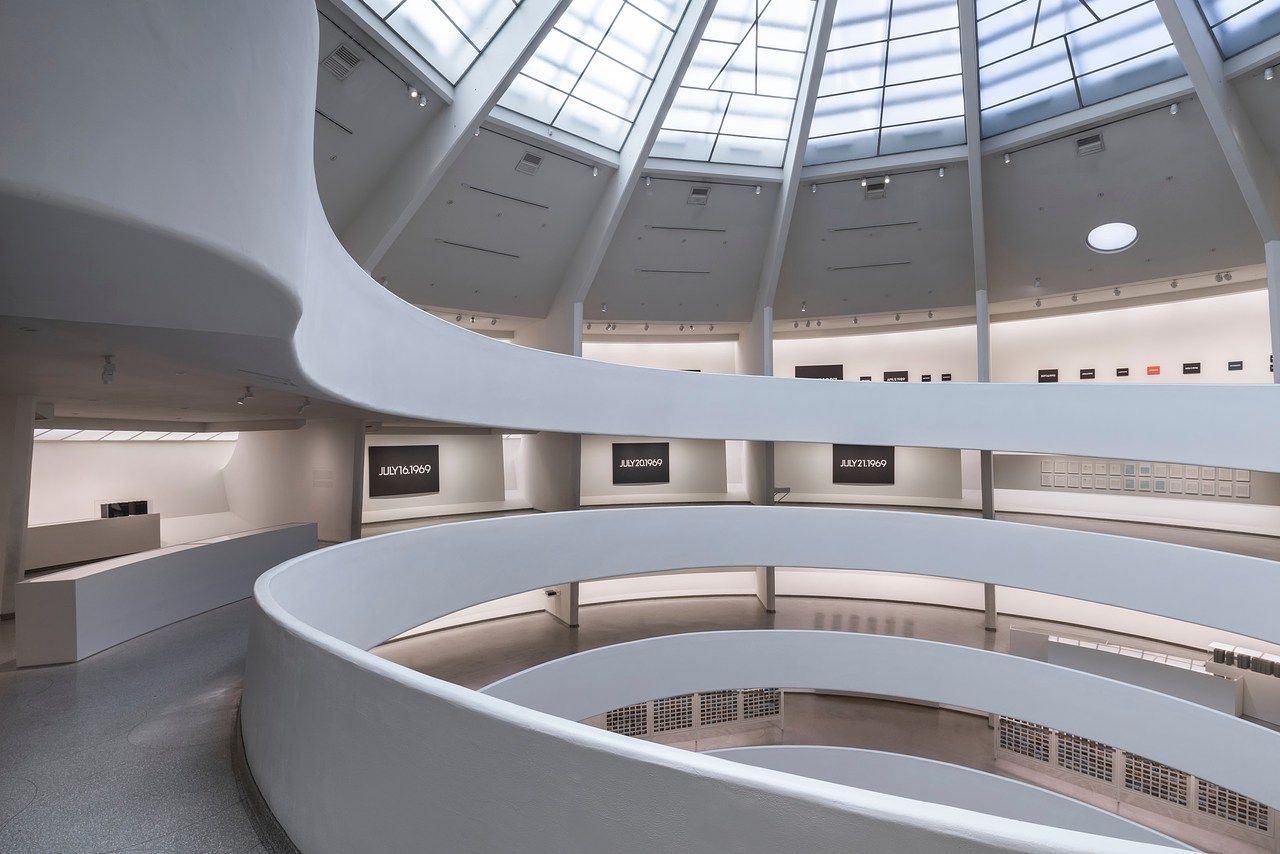
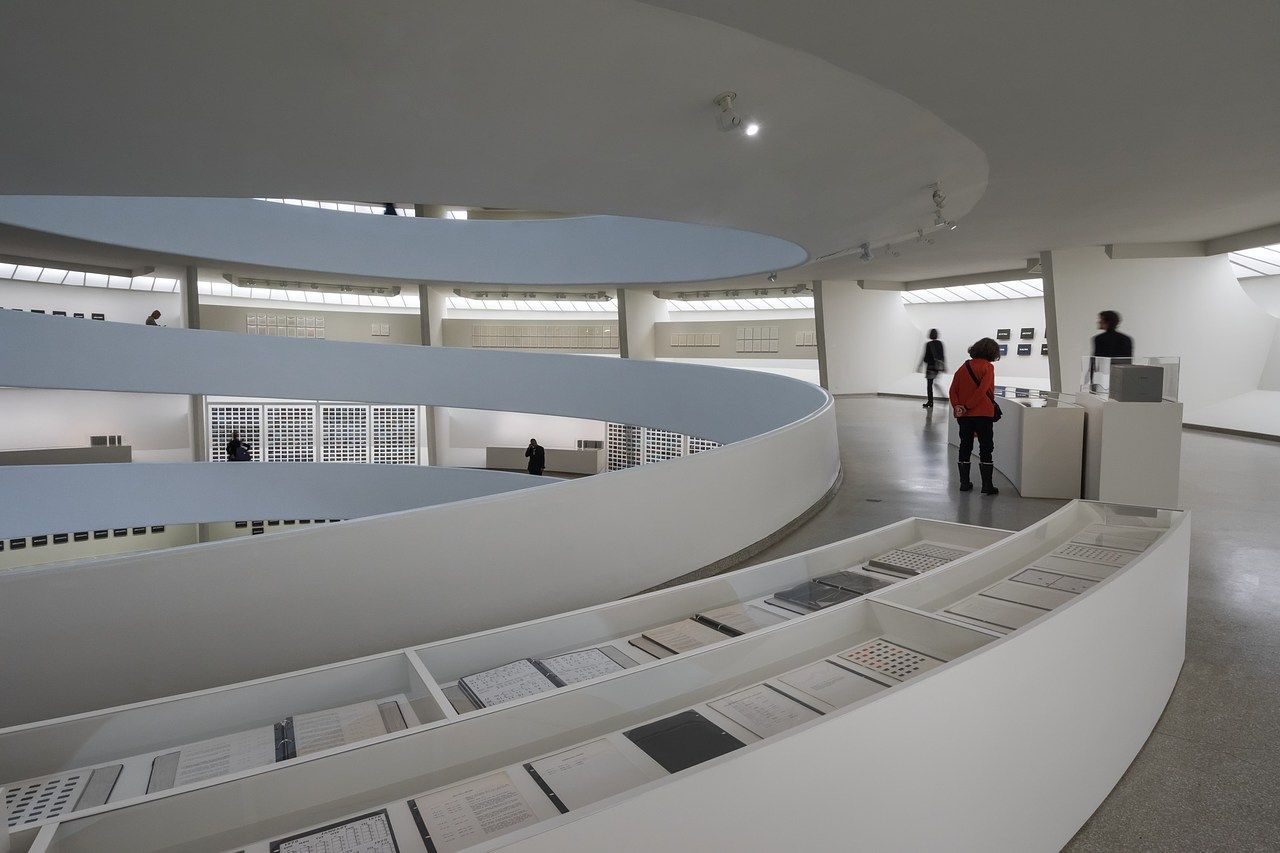
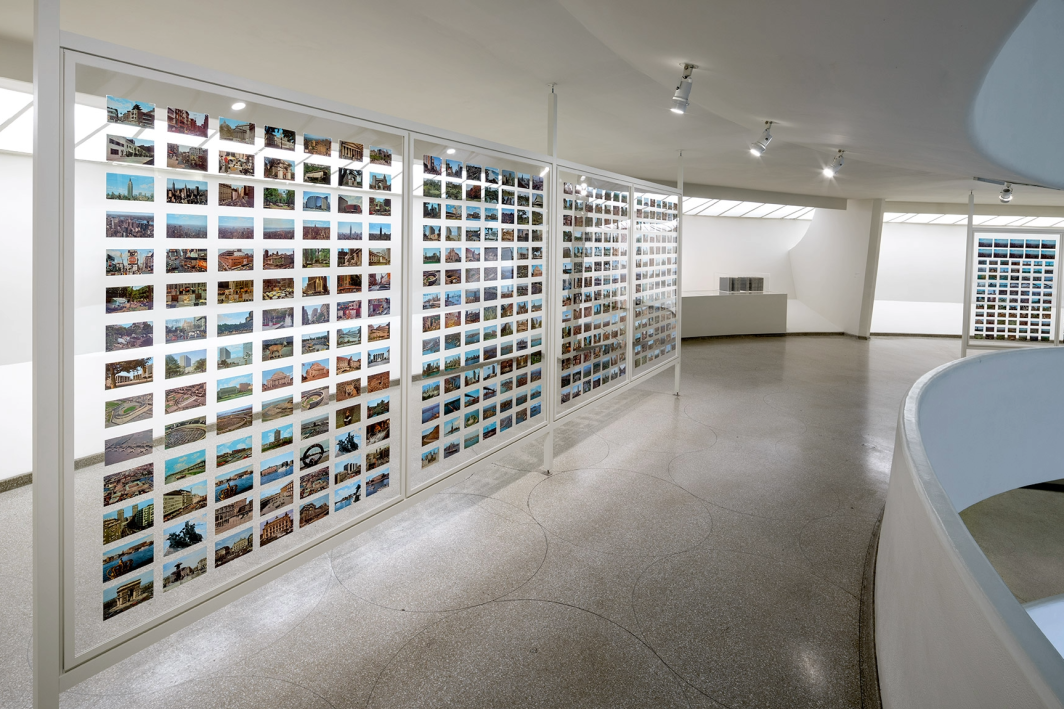
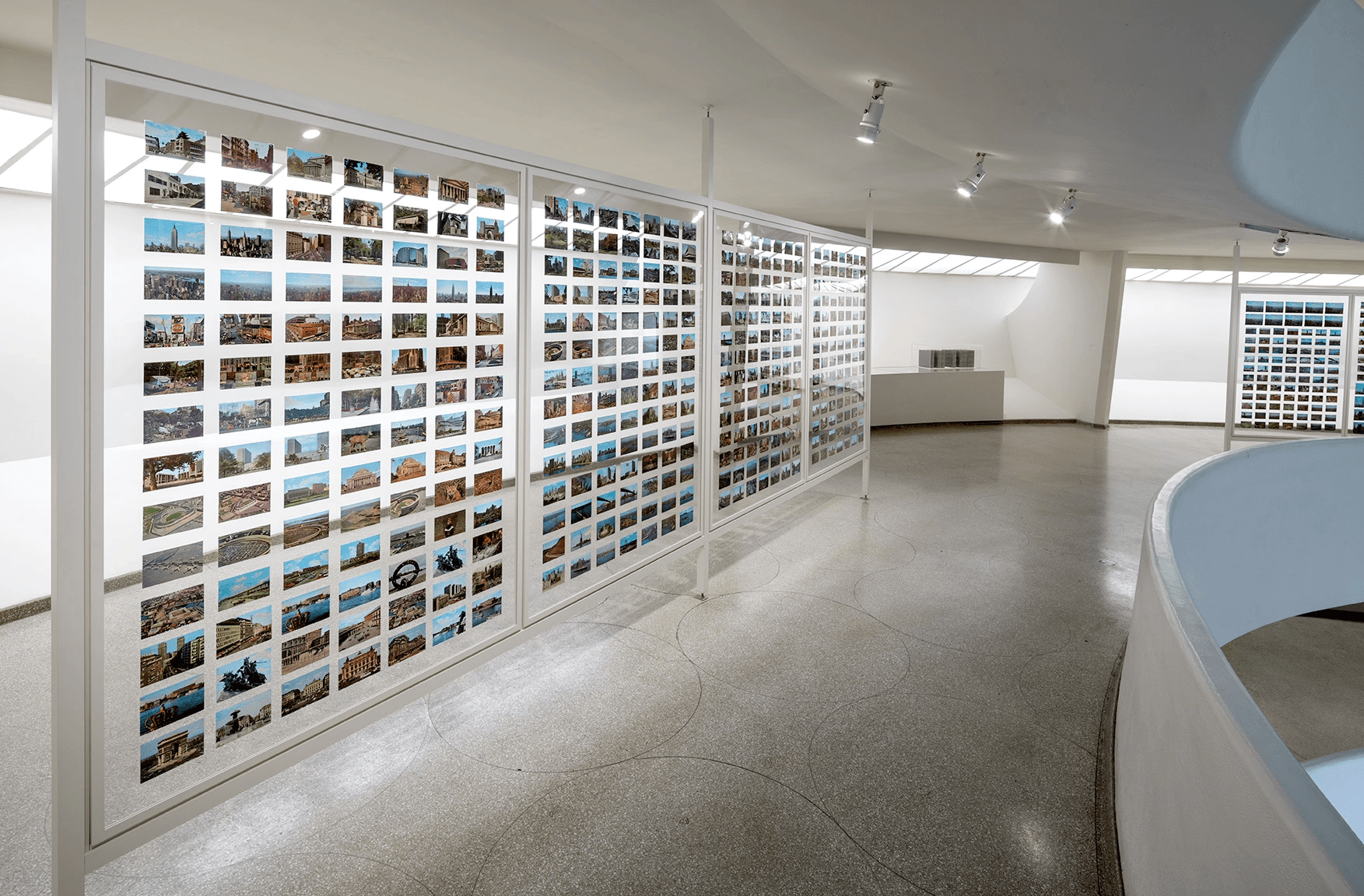
The academic and market prestige of the series was most powerfully validated in the 2015 epic retrospective at the Solomon R. Guggenheim Museum, titled On Kawara—Silence. The Guggenheim displayed thousands of postcards encased in acrylic panels along its iconic spiral ramp. This exhibition demonstrated that Kawara’s works are not mere paper ephemera but a collective landscape of accumulated life.
Today, complete or fragmentary sets are held in the permanent collections of the Museum of Modern Art (MoMA), Tate Modern, Centre Pompidou, and the Art Institute of Chicago. Institutions often precede the market; while collectors focused on the Date Paintings (Today series), museums had already secured these significant postcards. Furthermore, because the original recipients were often titans of art history—such as Sol LeWitt or Lucy Lippard—the provenance bestows an extraordinary narrative charm.
Time and existence are universal themes. As your advisor, I believe I Got Up offers an exquisite entry point for collectors to own a piece of art history. Collecting an On Kawara postcard is a gentle protest against time. It reminds us that in a fleeting, digital world, there was once a man who proved his daily awakening to the world in the most stubborn and disciplined way.
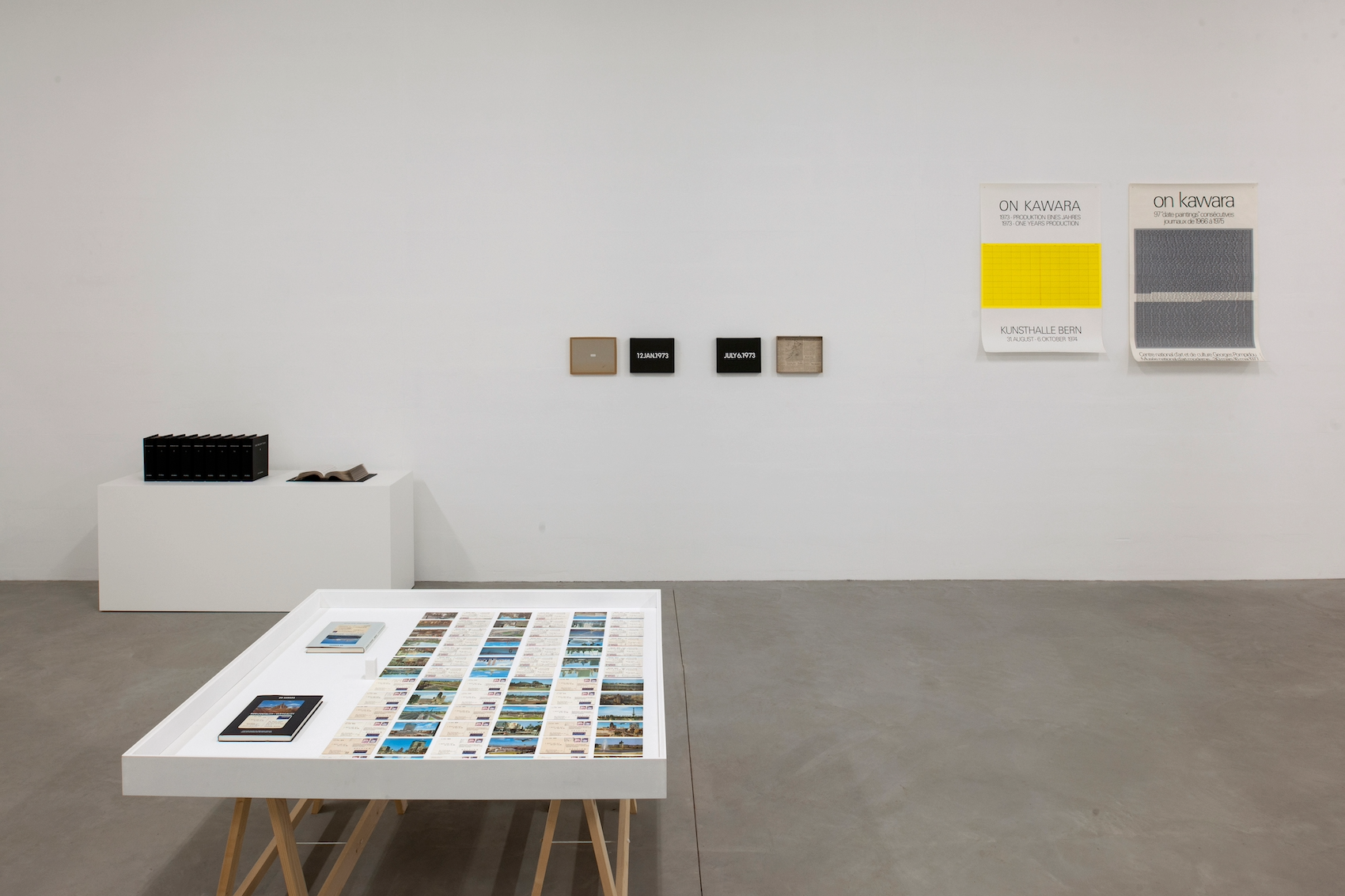
Installation view of Time Extended / 1964-1978, Herbert Foundation, 2017 © Herbert Foundation
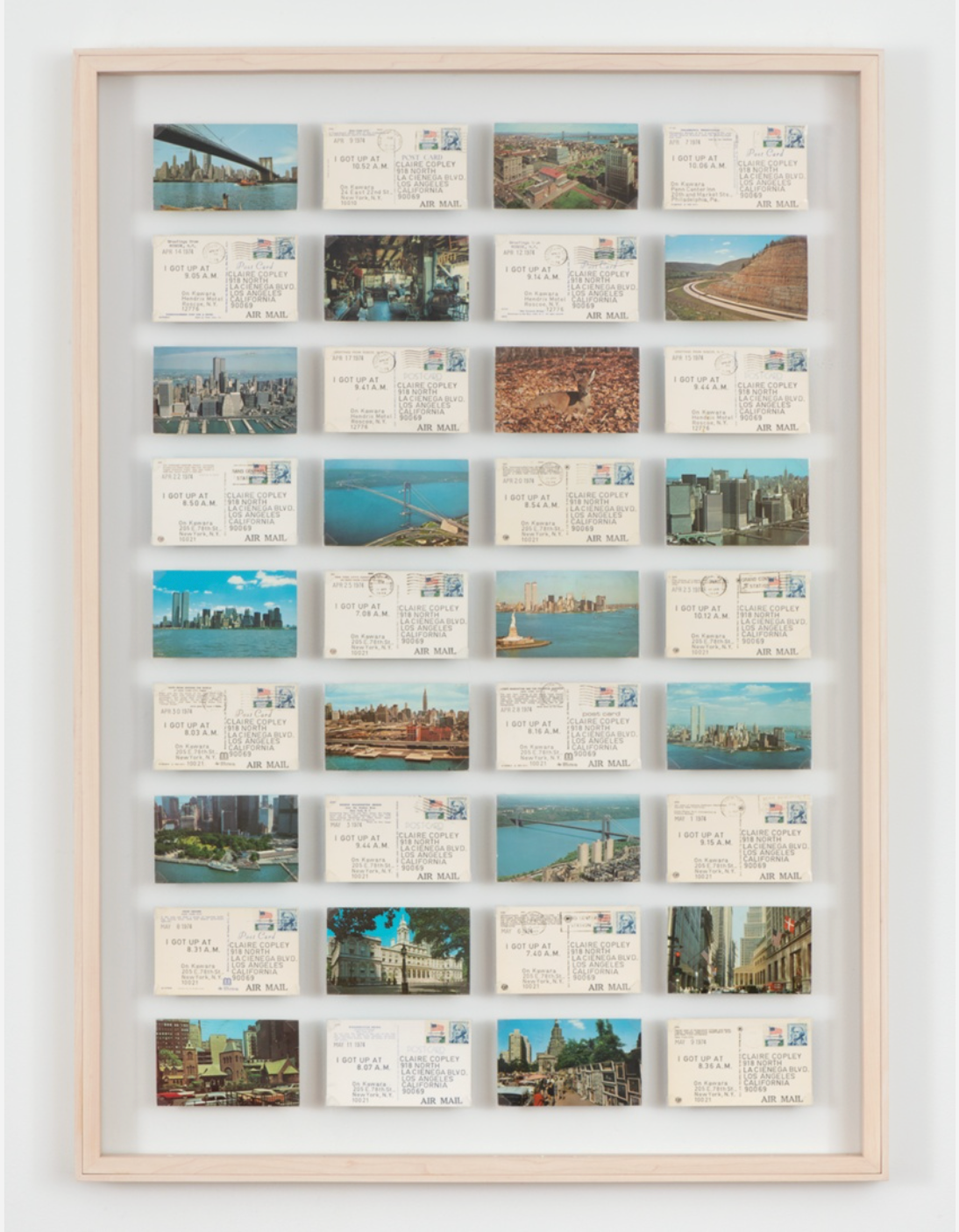
On Kawara, I GOT UP, 1974. Collection of the Art Institute of Chicago © Art Institute of Chicago