Peter Hujar: Life in the Shadow of Death
“Peter Hujar knows that portraits in life are always also portraits in death.”
In the history of contemporary photography, the name of Peter Hujar is often tightly bound to the most glorious yet chaotic two decades of Lower Manhattan, New York. He was not merely a documentarian, but the very soul and core of that era’s underground culture. For a long time, he was regarded as an "artist's artist," a reputation that only grew after his death in 1987 due to complications from the Black Death wave of the AIDS epidemic. Following a prolonged and rigorous process of academic reappraisal, he has now leaped from being a mysterious, marginalized hero to a museum-level, blue-chip master. With Ortuzar Projects officially announcing its representation of his estate this week, the market and academic value of this master are ushering in an unprecedented, historic moment. To understand Hujar’s work, one must first enter his life journey, which was filled with a sense of isolation and precision. Born in New Jersey in 1934, Hujar spent his childhood under the shadow of poverty and family dysfunction, which fostered in him a highly sensitive empathy for marginalized subjects at a very early age.
In the late 1940s, he moved to New York, working as an apprentice in commercial photography studios, and in the early 1960s, he attended the masterclasses of Richard Avedon and Marvin Israel. This professional training in commercial photography endowed Hujar with exquisite darkroom techniques and exacting standards for tonal quality and lighting. This explains why, in his black-and-white gelatin silver prints, the blacks present a deep, velvet-like profundity, while the light possesses a sacred, sculptural quality.
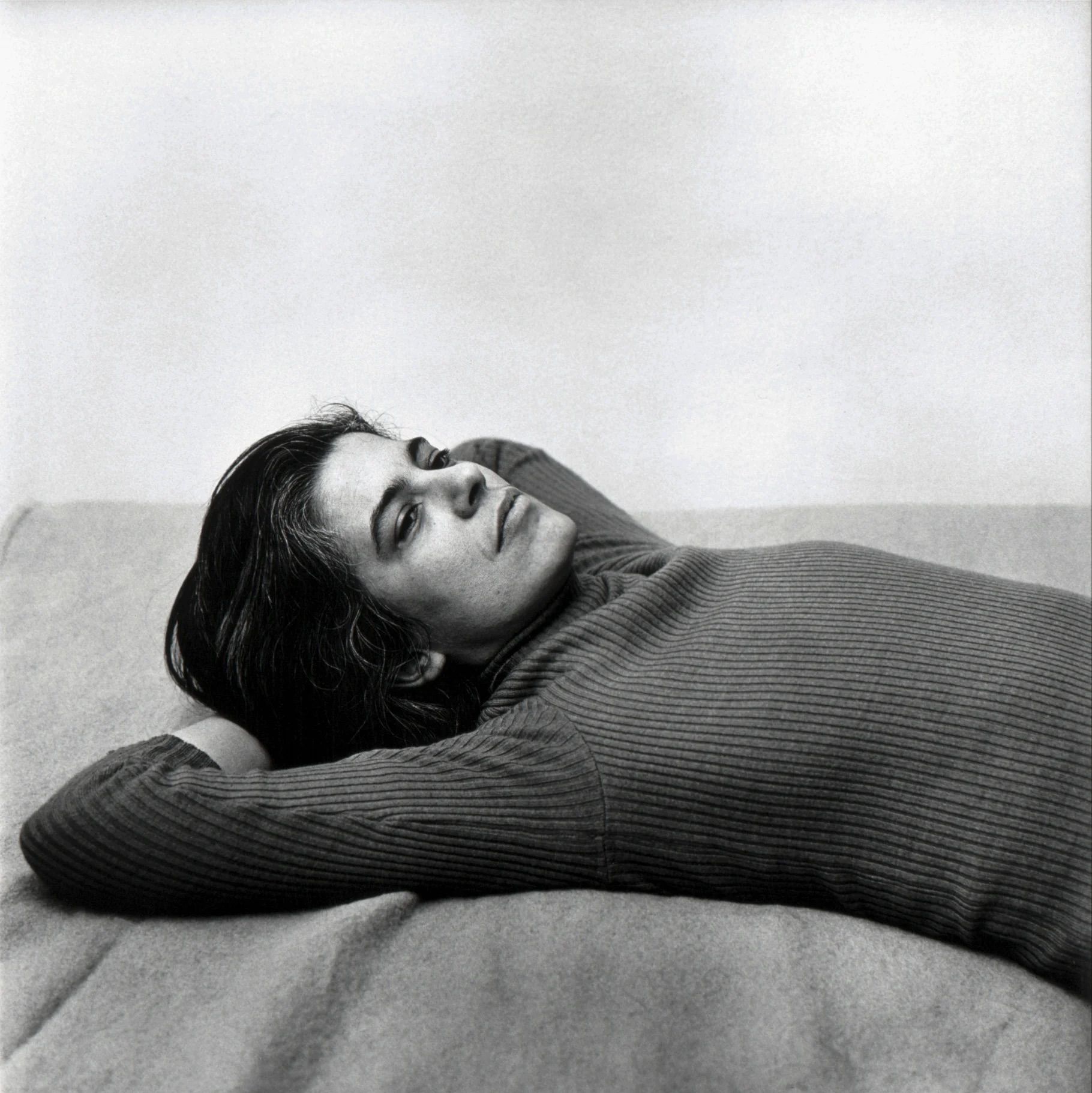
Susan Sontag, 1975, ©Peter Hujar Archive
The most critical turning point in Hujar’s artistic career occurred in 1963. At that time, he received a Fulbright scholarship (Fulbright Program) and traveled to Palermo, Italy, alongside his lover and soulmate, Paul Thek. There, Hujar descended deep into the Capuchin Catacombs (Catacombe dei Cappuccini di Palermo), capturing a series of breathtaking images. These photographs were not driven by voyeuristic curiosity, but were an ontological exploration of "existence and passing." This experience directly catalyzed the only book published during his lifetime—and one of the most important publications in photographic history—the 1976 monograph Portraits in Life and Death. In this book, Hujar intertwined the Palermo photographs with portraits of his friends from the New York art circle. Accompanied by a brilliant introduction by Susan Sontag, it established the core aesthetic of his work: a gaze of "being-towards-death," transforming the fragility of the flesh into something eternal.
"Peter Hujar knows that portraits in life are always also portraits in death." Susan Sontag
Hujar’s oeuvre encompasses portraits, landscapes, animals, and erotica, yet regardless of the subject matter, he always maintained an "unpretentious directness." His most celebrated work is undoubtedly the 1974 photograph Candy Darling on Her Deathbed. In this image, Warhol’s muse Candy Darling maintains an ultimate elegance and theatricality even at the end of her life. Hujar captured the final dignity of this drag queen with a sense of solemnity akin to a Renaissance portrait. Furthermore, his portraits of Sontag, and even his late-life close friend and lover David Wojnarowicz, all display a "silent power." He insisted on using a medium-format camera with a square composition; this square frame brought a sense of stable balance, forcing the viewer into a one-on-one dialogue with the soul of the subject.
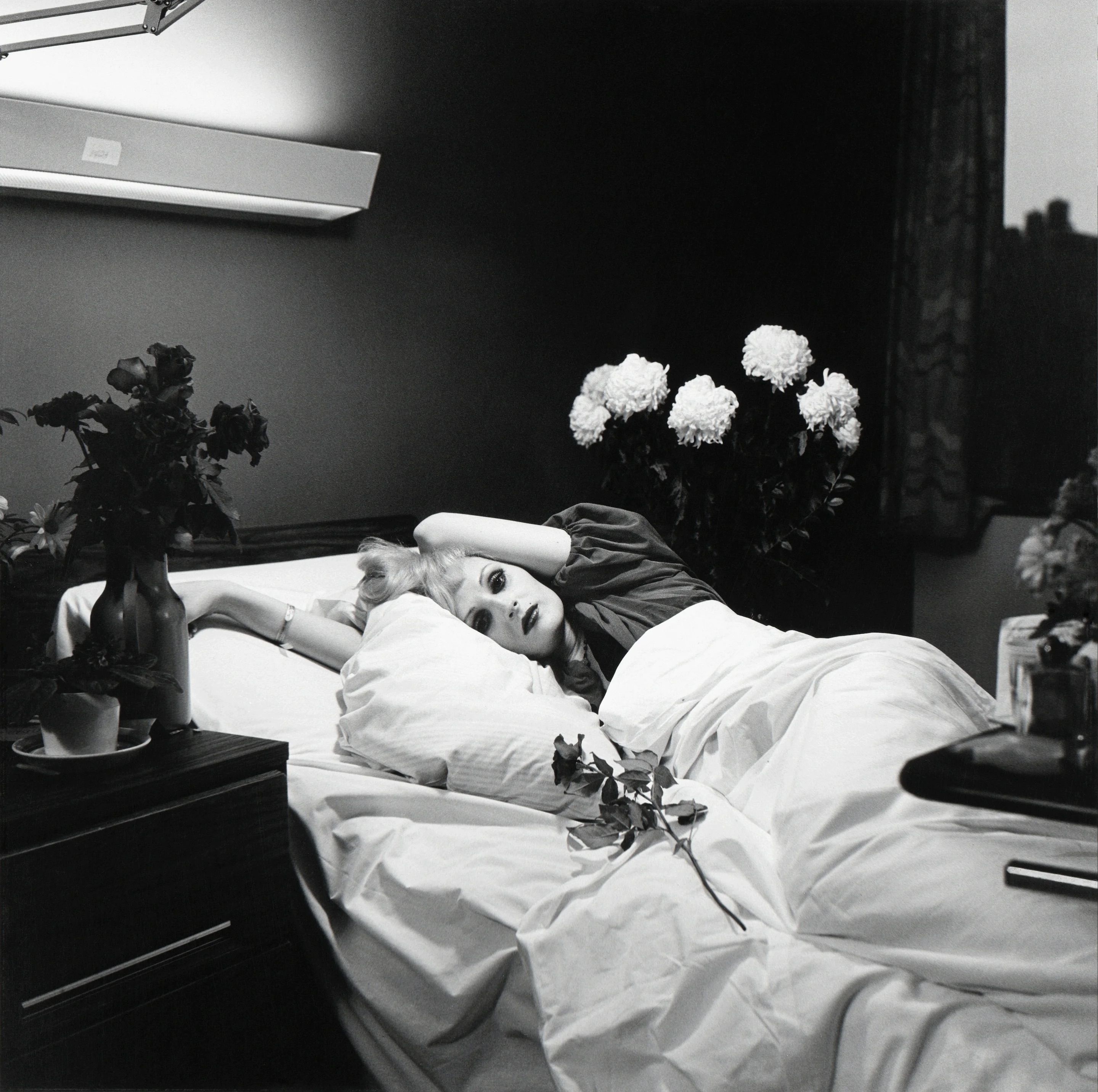
Candy Darling on Her Deathbed, 1973, Courtesy of Fraenkel Gallery
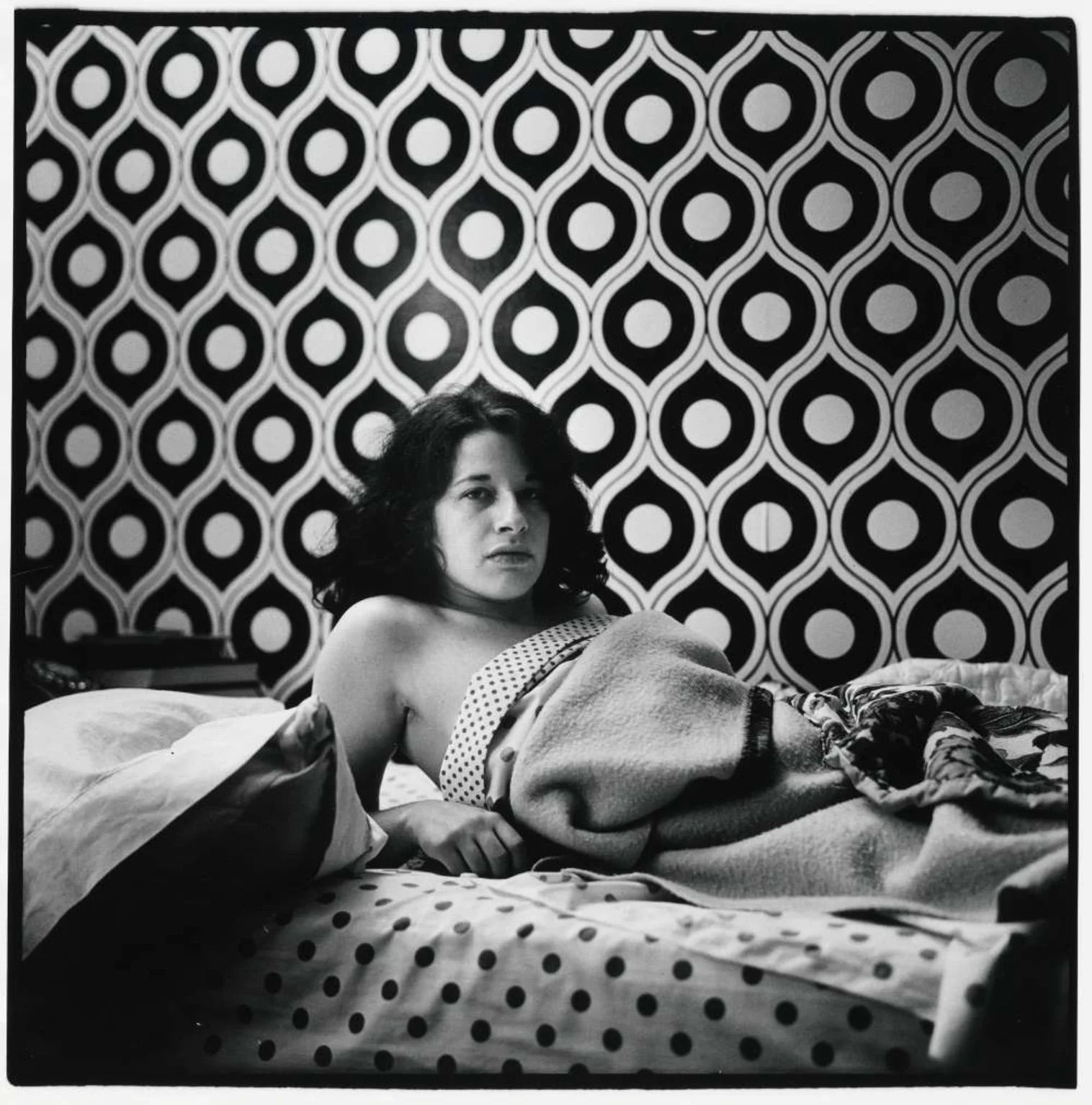
ran Lebowitz [at Home in Morristown], 1974, Courtesy of Pace Gallery
In terms of retrospectives and academic recognition, Hujar's work has undergone a systematic scholarly reappraisal over the past decade. In 2013, The Morgan Library & Museum in New York completed a landmark acquisition, absorbing Hujar's entire personal archive, over five thousand contact sheets, and a vast selection of vintage prints. Subsequently in 2018, the major retrospective exhibition "Speed of Life," organized by The Morgan Library & Museum and traveling to the Jeu de Paume in Paris and the Fundación MAPFRE in Madrid, officially propelled him to the pinnacle of global photographic history. Recently, with monographic presentations from 2024 to 2025 at major global institutions such as Raven Row in London, the Art Institute of Chicago, and during the Venice Biennale, Hujar's influence has transcended queer culture, establishing him as one of the greatest portrait masters of the twentieth century. This year (2026), opening during Berlin’s most important Gallery Weekend at the Gropius Bau, the exhibition "Peter Hujar / Liz Deschenes: Persistence of Vision" explores his artistic practice alongside another photographic master.
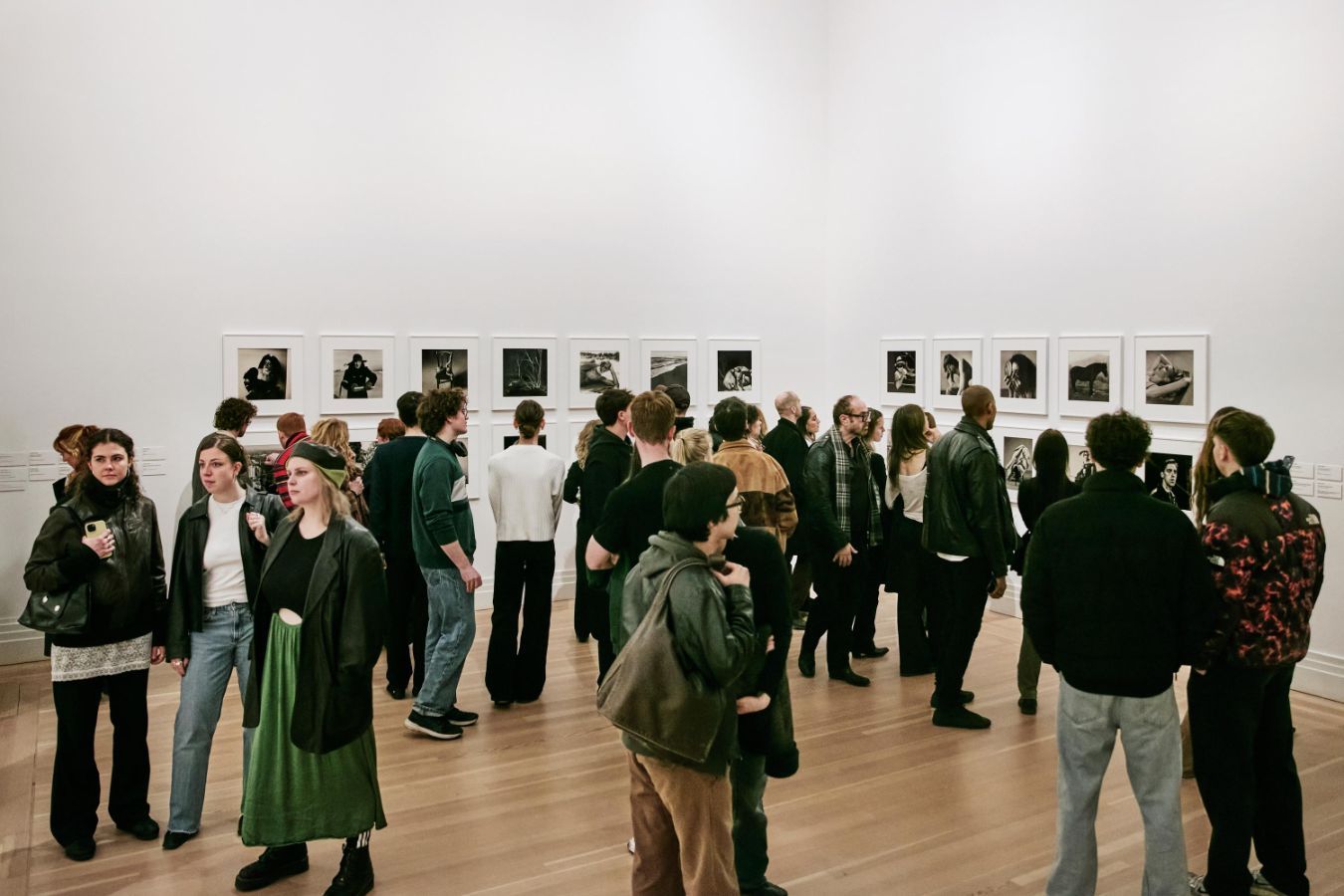
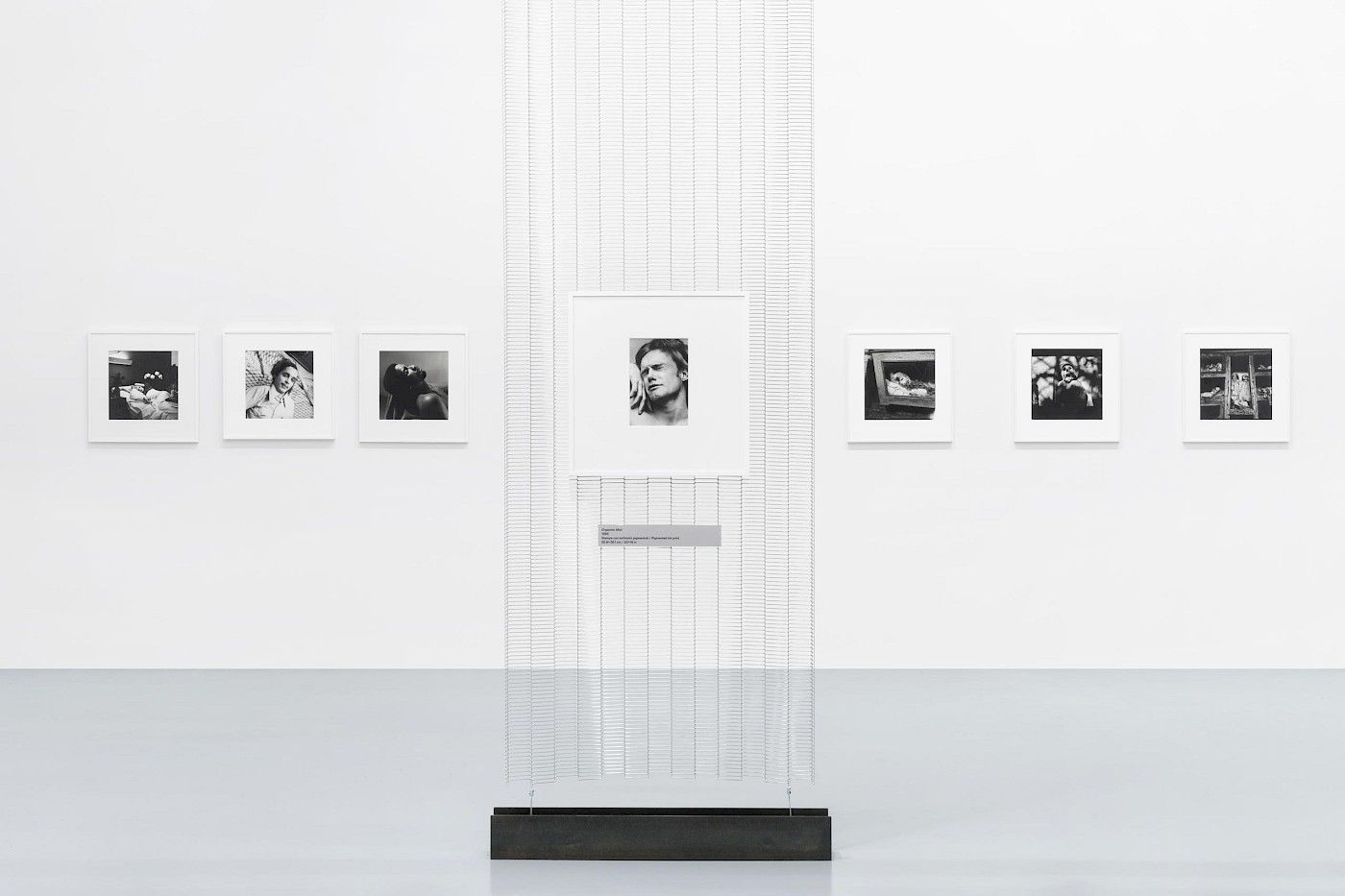
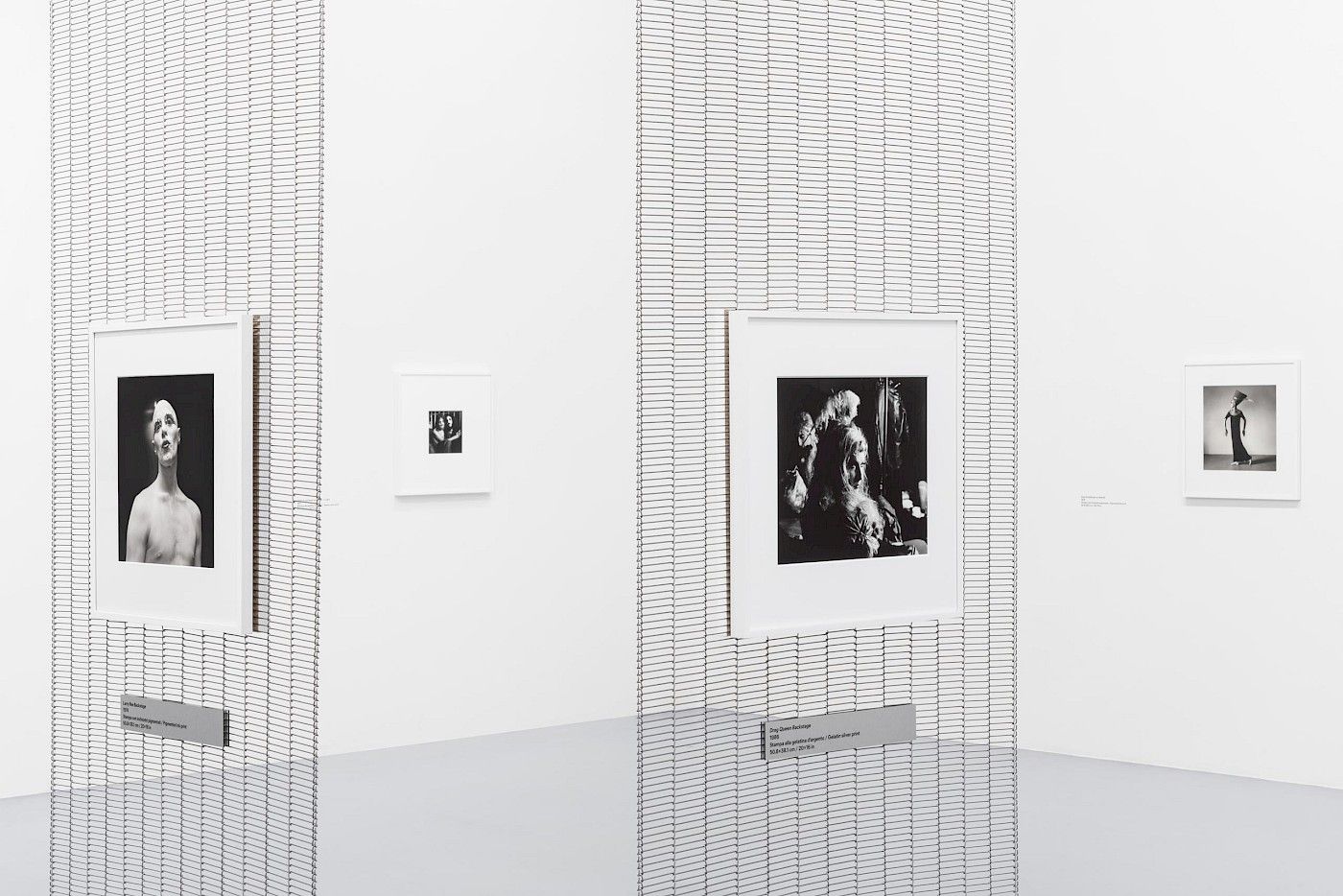
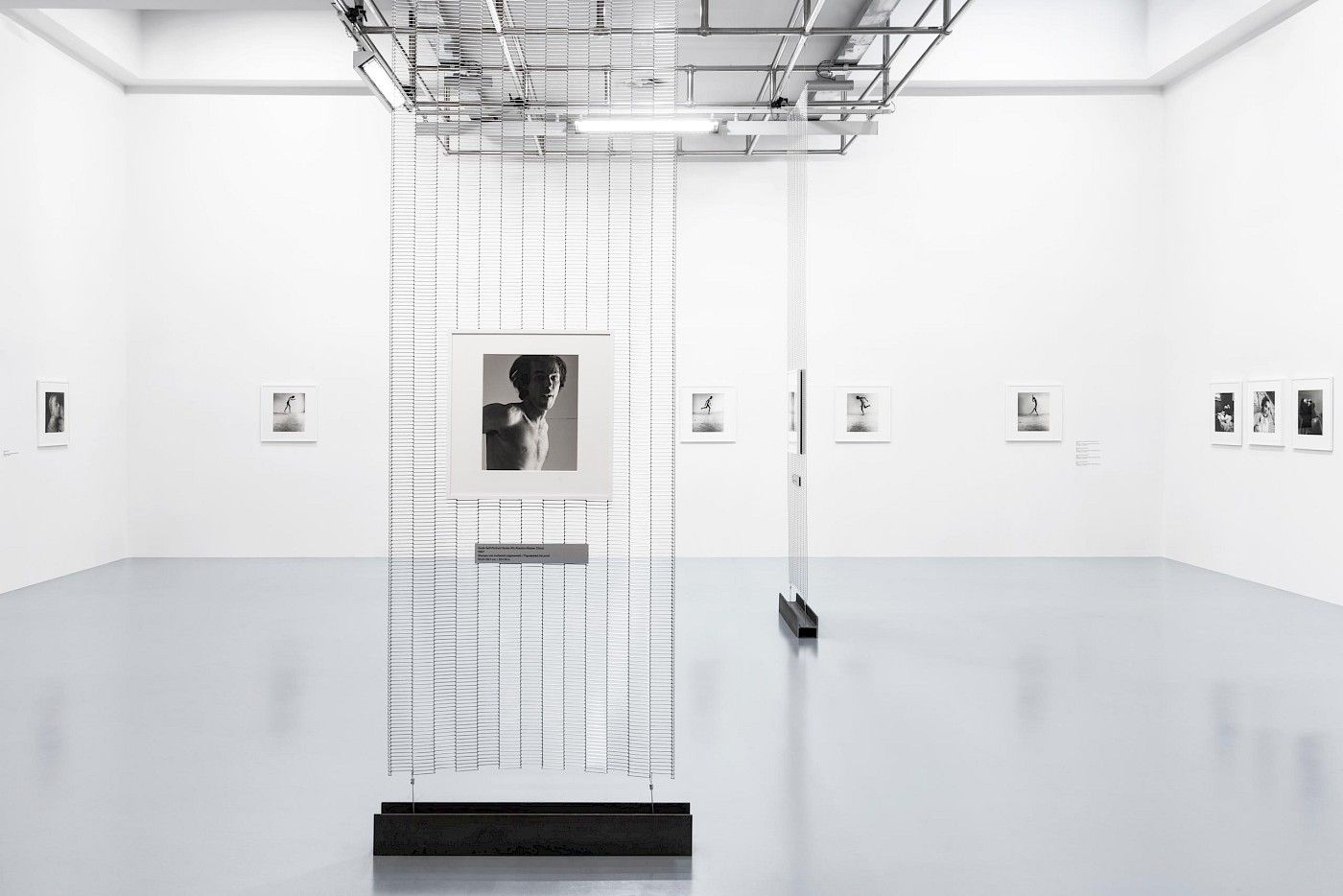
Peter Huiar / Liz Deschenes- Persistence of Vision,installation view, Gropius Bau. 2026 ©️Gropius Bau, photo- luca Girardini
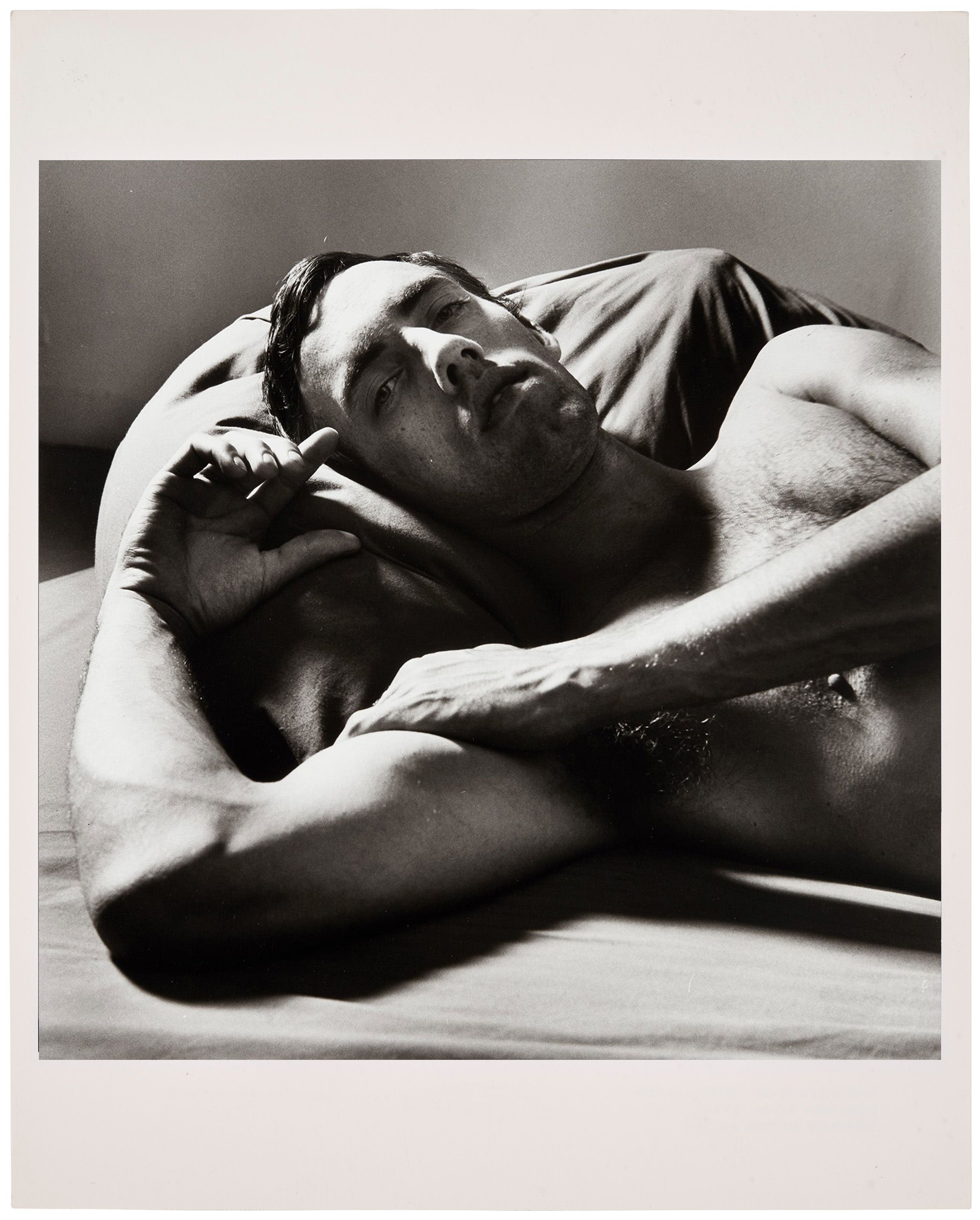
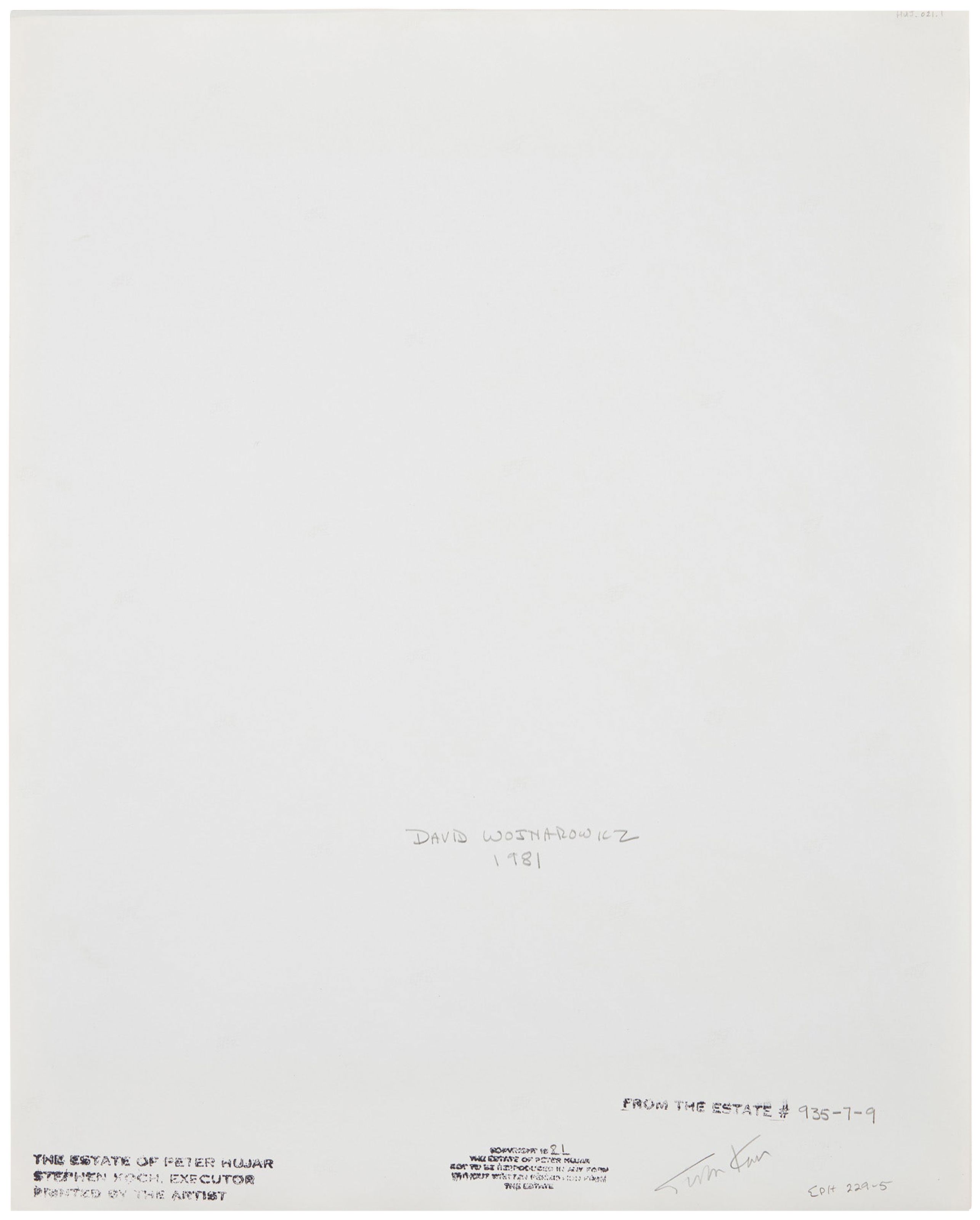
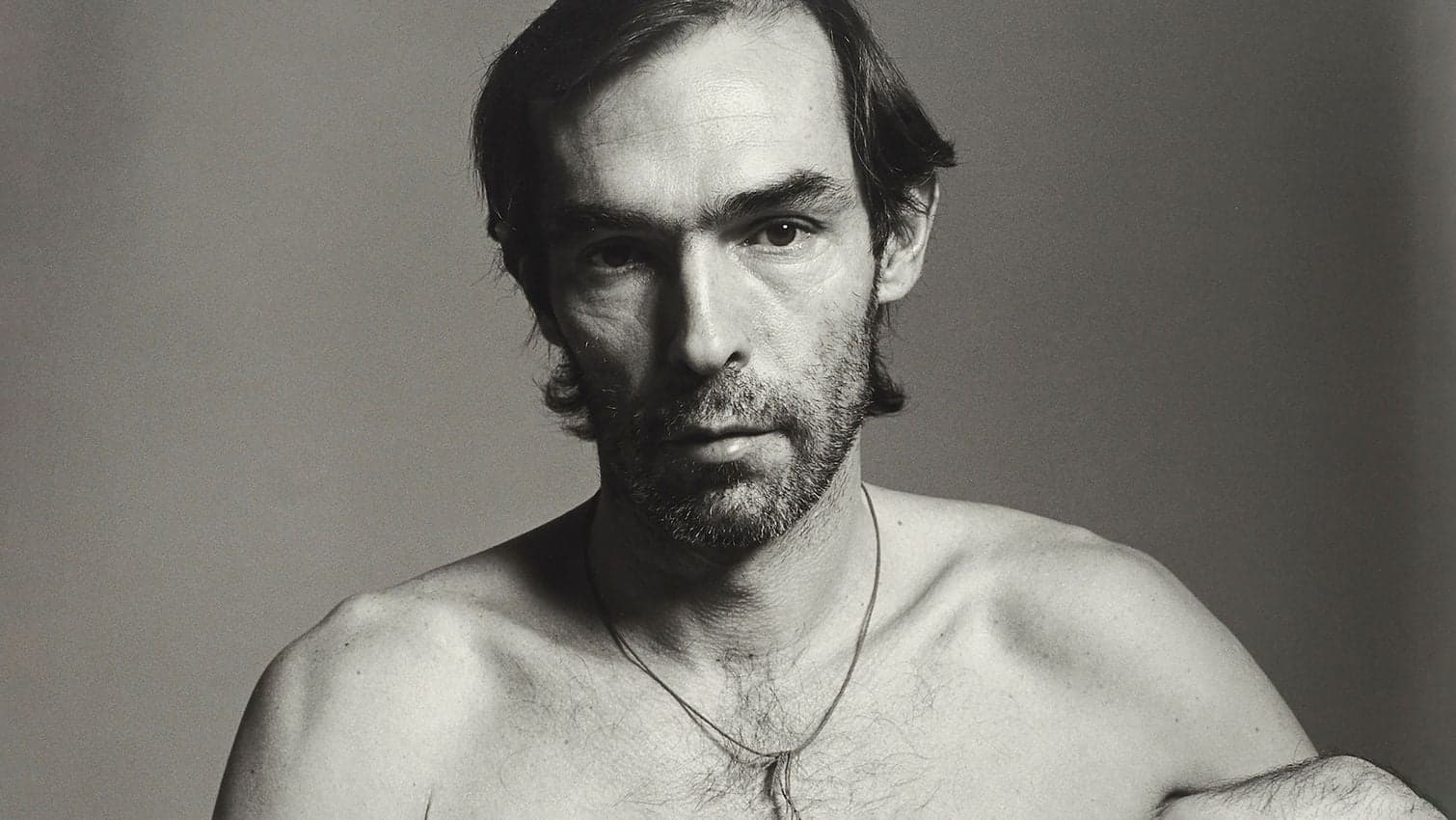
For collectors, Hujar's works possess immense market scarcity and appreciation potential. Hujar was an ultimate darkroom master; the works he personally printed, dodged, burned, and signed during his lifetime (vintage prints) are limited in number, and each piece carries a unique materiality and detail. In the 2024 Christie's New York photography auction, Self-Portrait (with string around his neck), printed and signed by Hujar himself, started bidding at $50,000 and ultimately hammered at $250,000. Unlike many photographers who left printing to assistants, Hujar's photographs are a direct extension of his will.
Deserving of special attention is Ortuzar Projects’ representation of the Peter Hujar Estate. Founded by Ales Ortuzar, former director at David Zwirner, Ortuzar Projects enjoys a stellar reputation in the art market, with a core expertise in "earthing and redefining undervalued, historically significant artist estates." They excel not only in archiving but also possess a formidable ability to bring these estates into top auction houses, major art fairs, and tier-one global museums. Their previous success stories in re-promoting artists like Leonor Fini or Takako Yamaguchi have already proven their exceptional eye for building long-term market value.
To collect Peter Hujar is not just to collect a perfect gelatin silver print, but to collect a history of courage, intimacy, and honesty. His work, together with the self-exploration of Francesca Woodman, the modernist experiments of Lionel Wendt, and the documentary emotion of Nan Goldin, constructs a complete dialogue regarding the "human condition." In an era flooded with consumerism and mass media, Hujar chose silence. His "animals with names," his scarred bodies, and his abandoned urban landscapes all serve to remind us: real life is often hidden within the humblest and most direct gaze.