Shattering the Brush: Shimamoto and Nitsch
This article explores the parallel evolution of Shozo Shimamoto and Hermann Nitsch. By examining Shimamoto’s "Bottle Crash" and Nitsch’s "Pour Paintings" through the lens of Art Informel, it reclaims Gutai’s independent status as a pioneering force that synchronized with, or even led, the global post-war avant-garde.
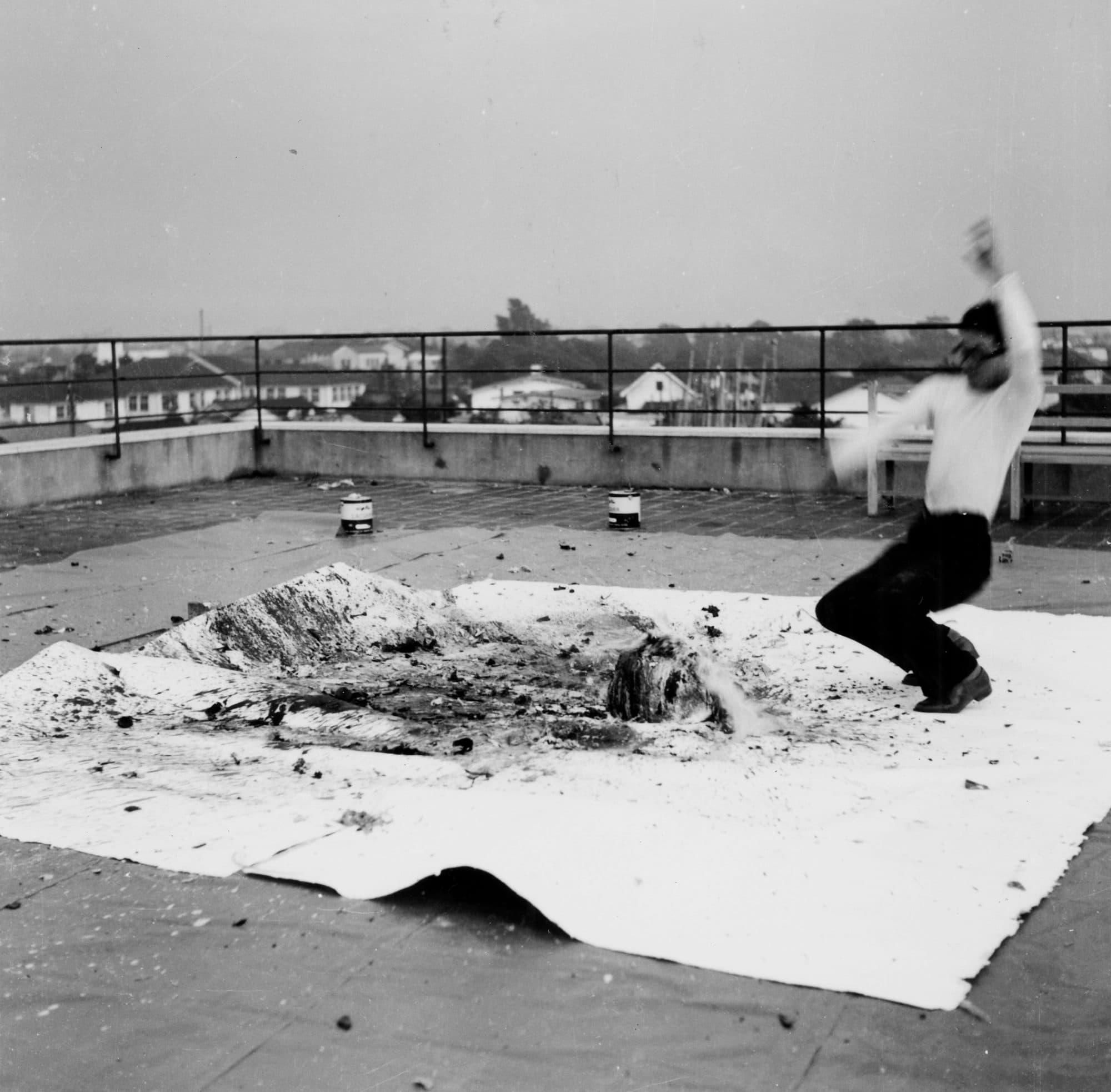
To understand the connection between Shozo Shimamoto and Hermann Nitsch, one must look back to 1956—a pivotal turning point in Shimamoto’s artistic career. It was then that he first performed his now-famous "Bottle Crash." This act was not merely a visual performance; it was grounded in his radical essay published in 1957, "The Theory of the Curse of the Brush." In this text, Shimamoto argued provocatively: "Paint only gains true liberation at the moment the brush is broken and discarded." This logic—rejecting traditional media in favor of a "direct encounter" between matter and spirit—was validated internationally in 1957 during Michel Tapié’s visit to Japan. Tapié, the champion of Art Informel, keenly observed that Shimamoto’s work was not an imitation of Western abstraction but a "different art" (Un Art Autre) driven by vital impulse. Tapié’s involvement not only propelled the Gutai group onto the world stage but also logically foreshadowed the performance revolution about to erupt in Europe.
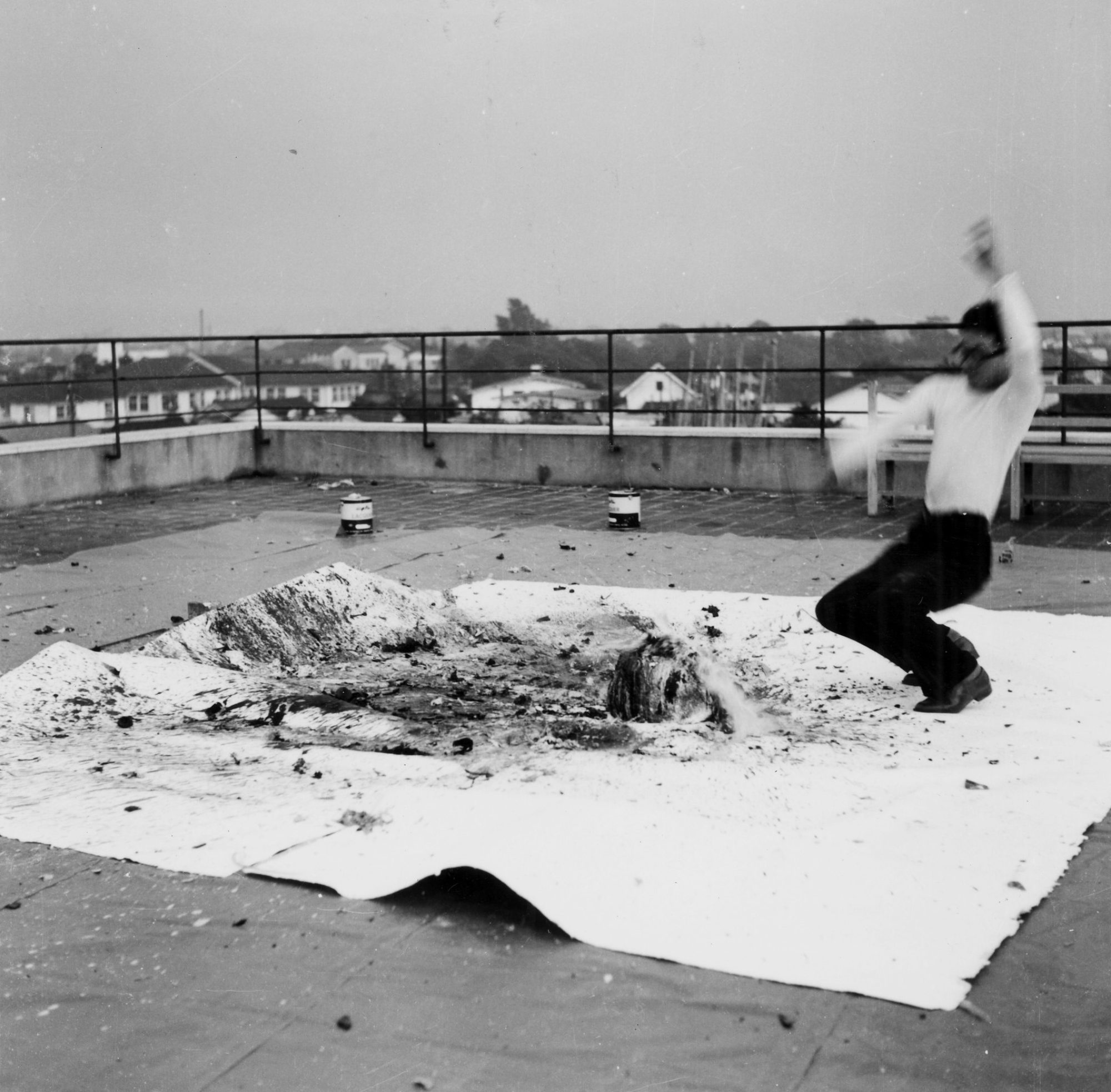
Shozo Shimamoto, Bottle Throwing, 1956
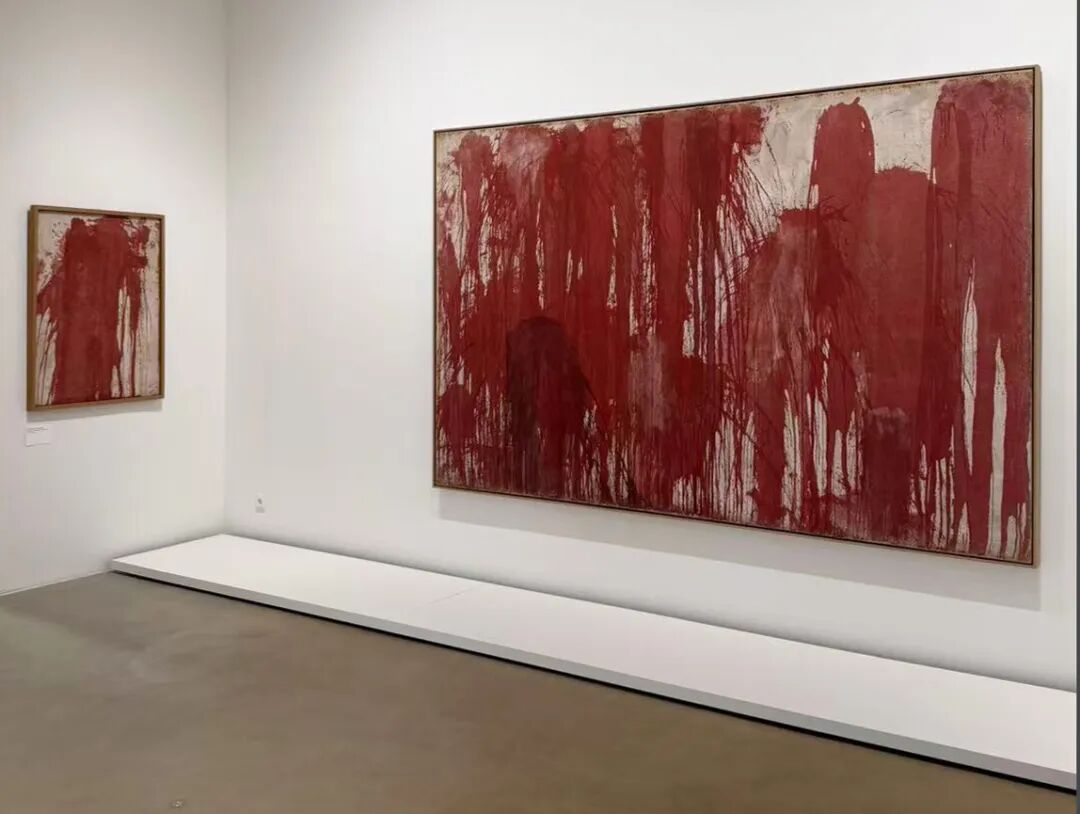
While Shimamoto was dedicated to "liberating paint," Nitsch was undergoing his own awakening in Vienna. Around 1960, Nitsch began experimenting with his "Pour Paintings" (Schüttbilder) and performed his first painting action later that year. For Nitsch, the act of pouring was a way to capture sensory traces of a human in a state of extreme arousal. Although Nitsch was similarly inspired by the unstable forms of Art Informel, he pushed this logic toward the ritualistic and religious tones of his Orgies Mysteries Theatre (Das Orgien Mysterien Theater). The sound of Shimamoto’s crashing bottles in 1956 and the flow of blood in Nitsch’s 1960 actions converged within the grand framework of "informality" constructed by Tapié: both sought to break the post-WWII civilizational deadlock through the "uncontrolled flow of liquids," returning art to its purest, most violent origins of life.
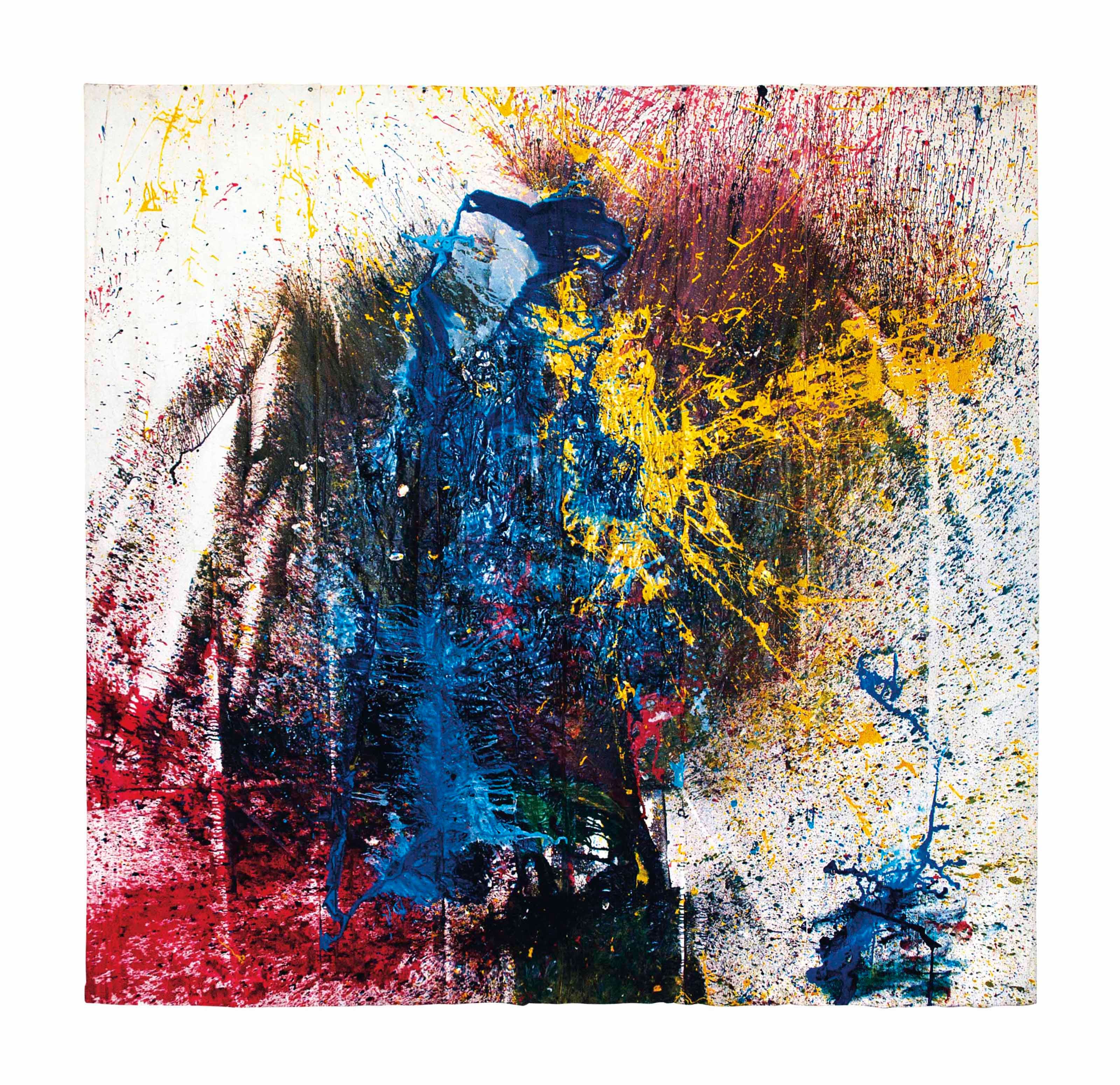
Shozo Shimamoto, Bottle Crash, 1991 ©️Christies
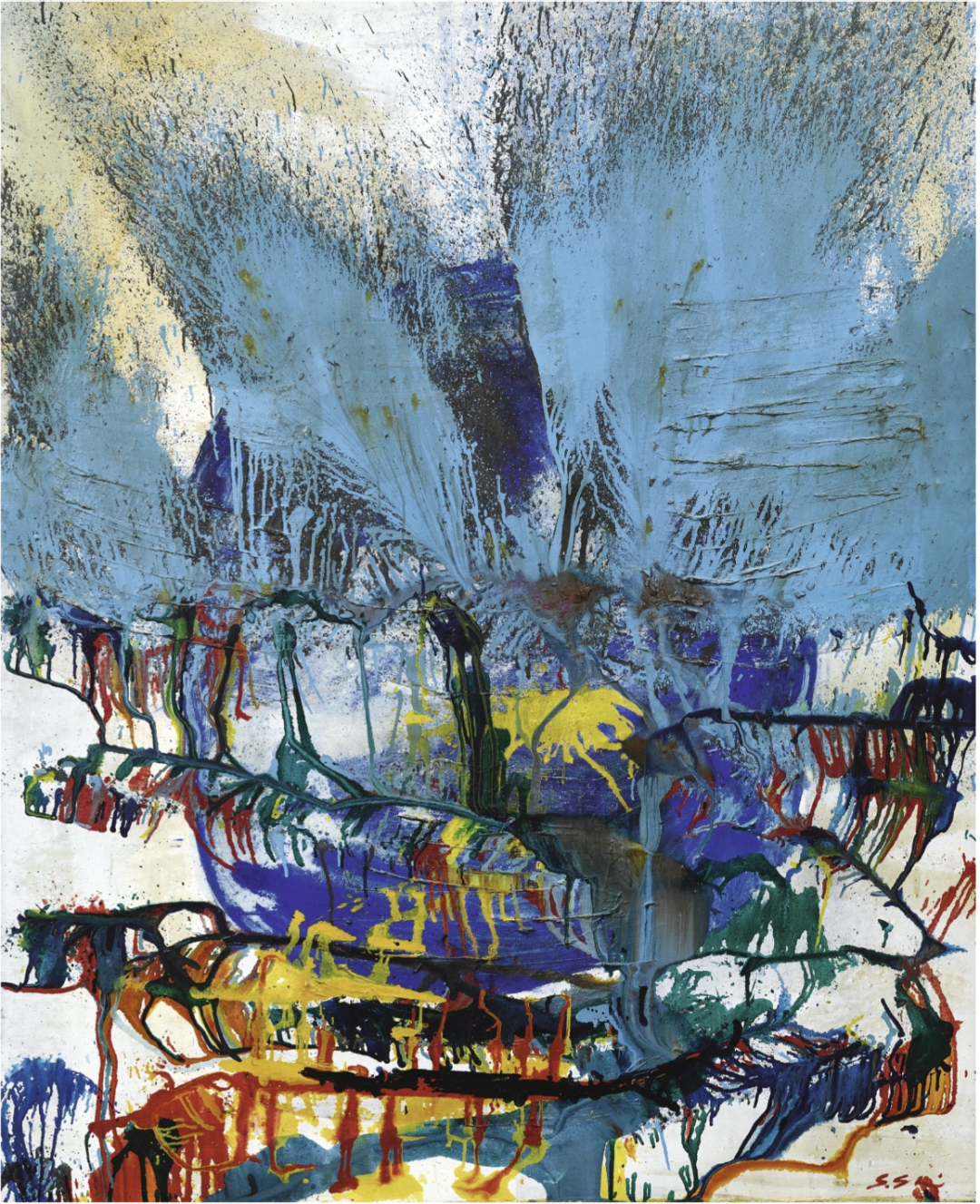
Shozo Shimamoto, Untitled (Bottle Crash), 1962
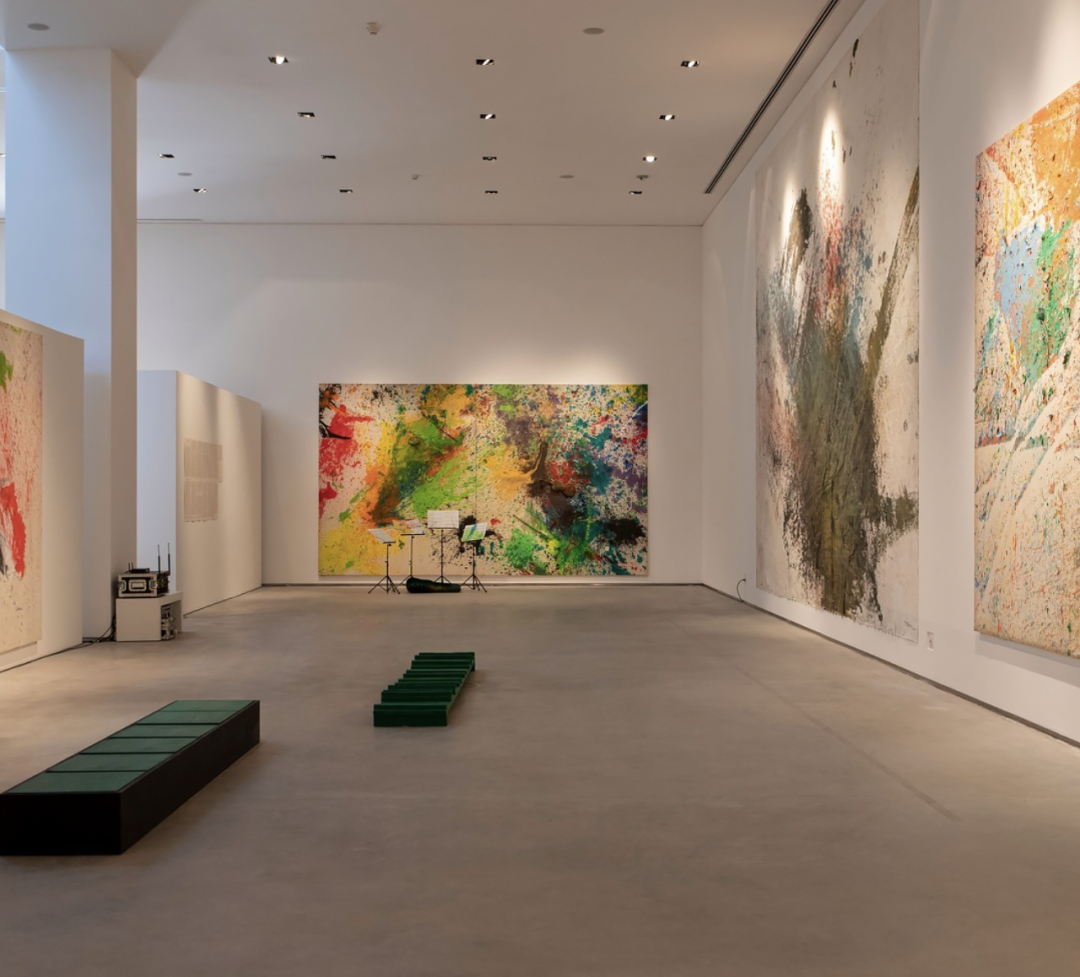
Shozo Shimamoto, installation view at Centro d'Arte Contemporanea, Italy, 2022.
From the primal worship of matter in Gutai to the extreme rituals of Viennese Actionism, these two movements from opposite sides of the ocean complete a vital chapter in post-war art history. Due to their profound cultural depth and religious controversy, Nitsch’s works hold an unshakeable authority in the collections of top European institutions. While his pour paintings are visually challenging, for seasoned collectors seeking art-historical depth, these "altar-like" works serve as a spiritual anchor within a collection. Following his passing in 2022, Pace Gallery promptly announced global representation of the artist's estate. Looking back to Asia, Shozo Shimamoto’s historical position is equally critical and perhaps even more forward-thinking. Together, representing East and West, these two artists offer two distinct answers to the post-war proposition of "liberation."
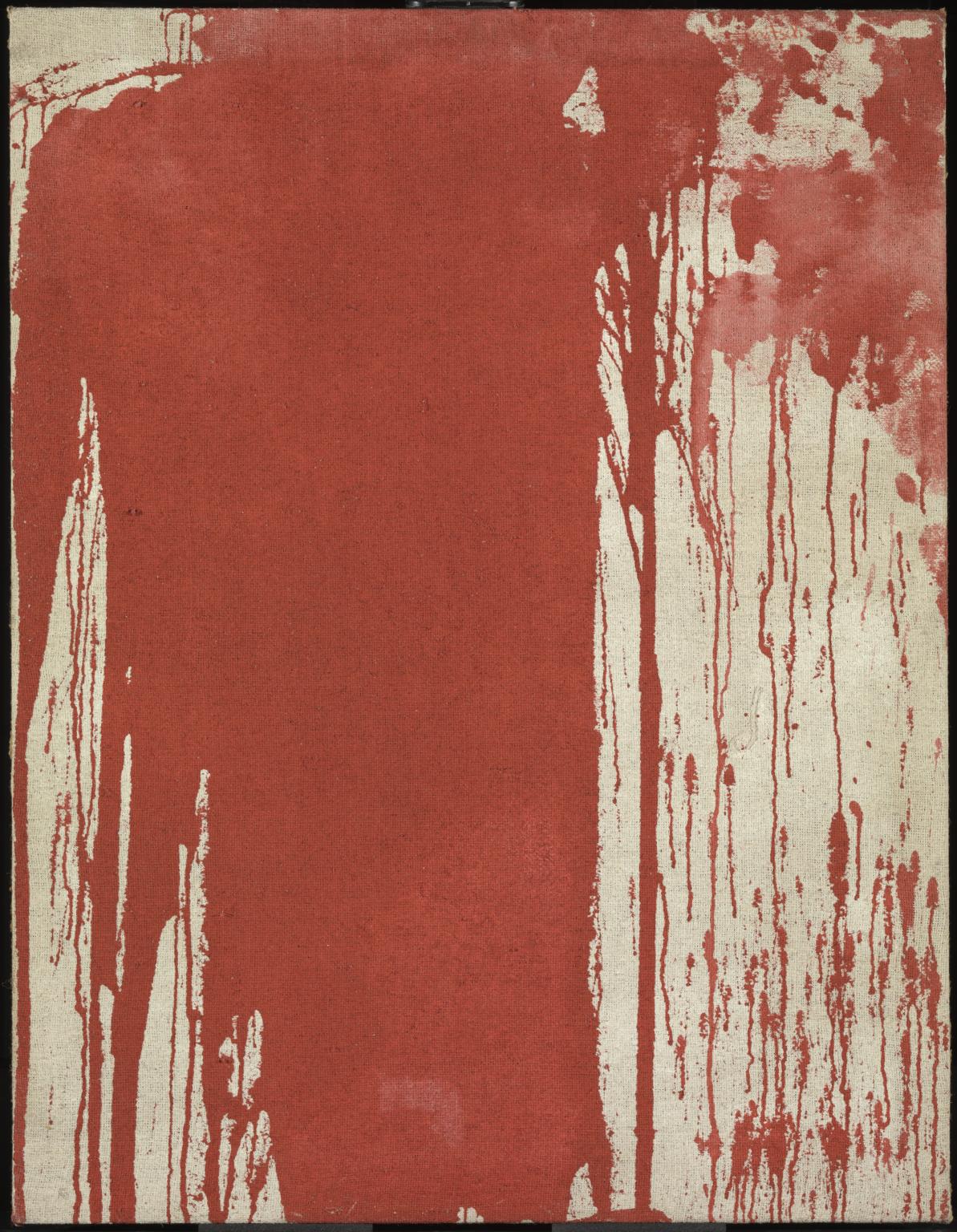
Poured Painting, 1963, Hermann Nitsch, © DACS, 2026
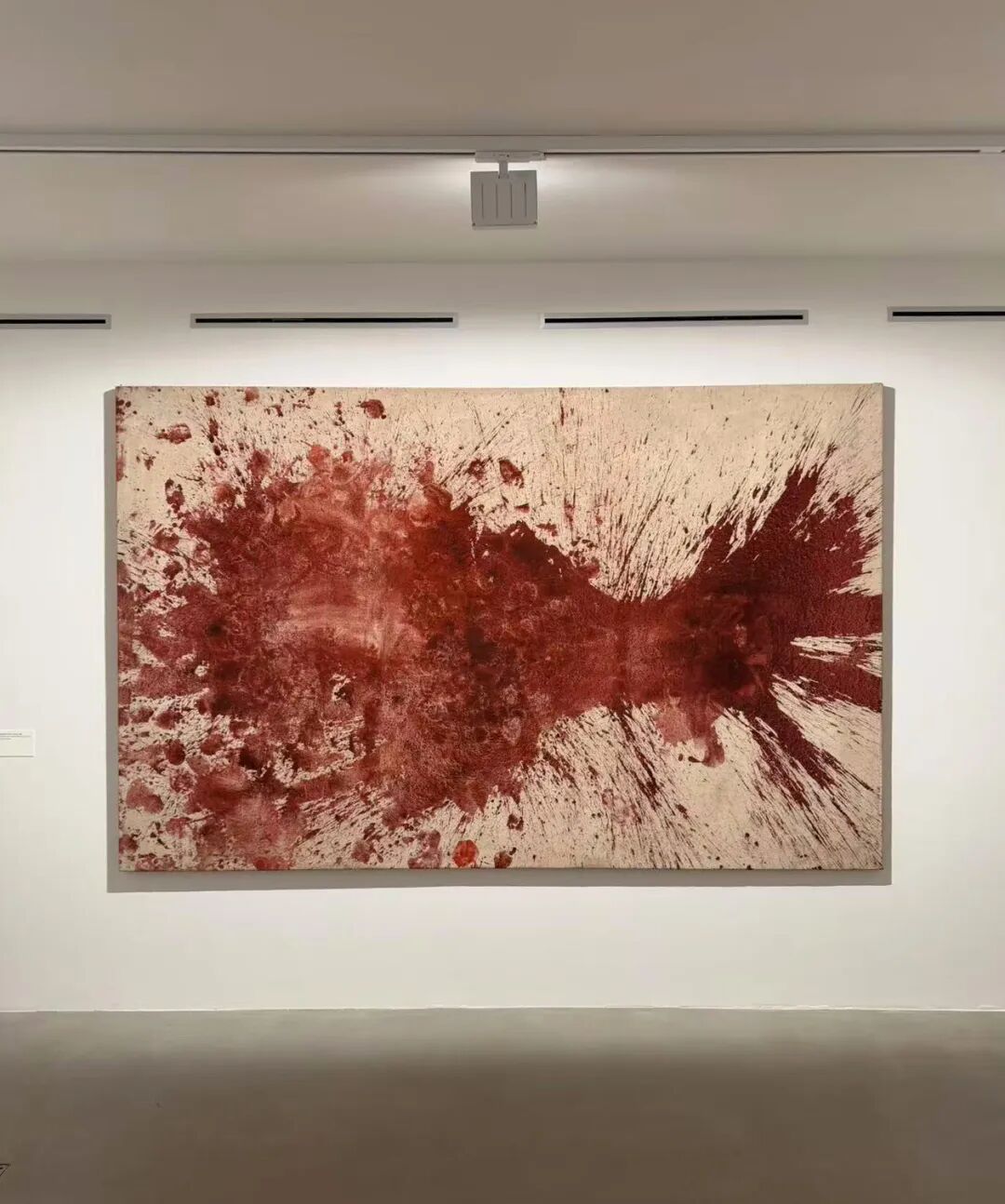
Hermann Nitsch, Untitled, 1961, installation view at Nitsch Museum, Vienna.
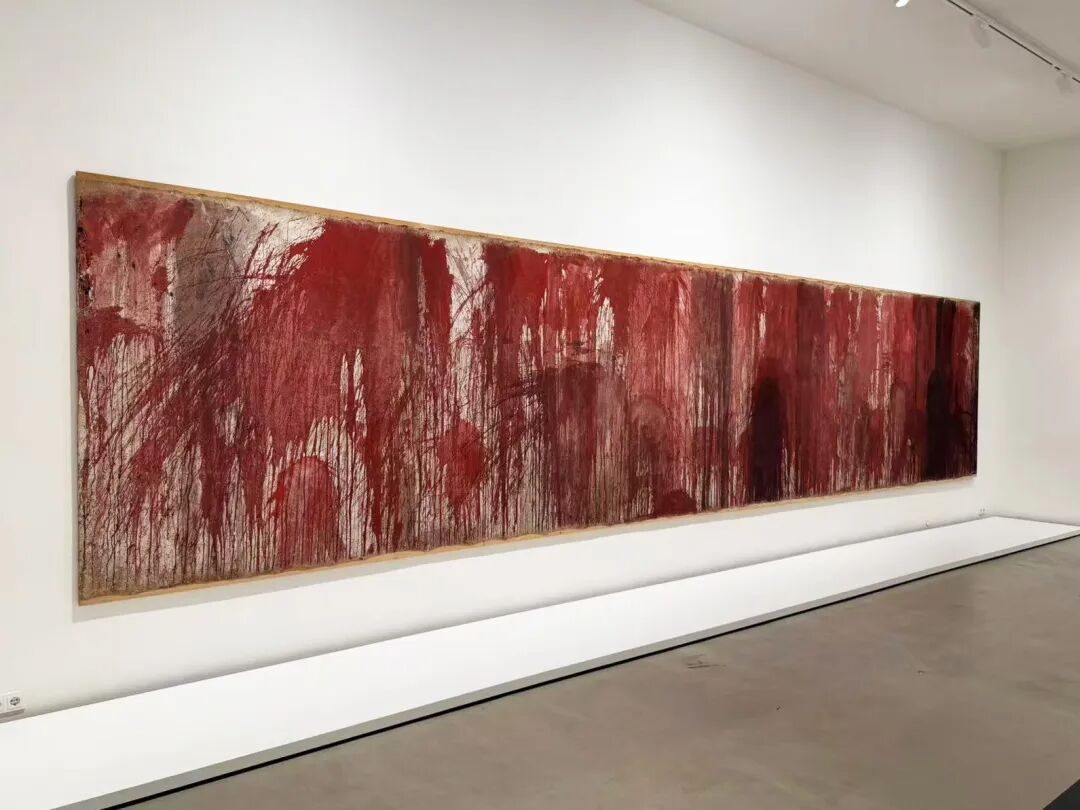
In a global market long dominated by European and American narratives, Gutai artists are often viewed as echoes of the Western avant-garde. However, the reality is quite the opposite: Shozo Shimamoto was not a follower, but a creator working in sync with—or even ahead of—his peers. His experimental spirit was less a Japanese response to Western Modernism and more an independent declaration to global art history. This is precisely why it is so important to re-examine Shimamoto today.
If Nitsch was the last priest of post-war Europe, then Shozo Shimamoto was the one who first lit the flame.
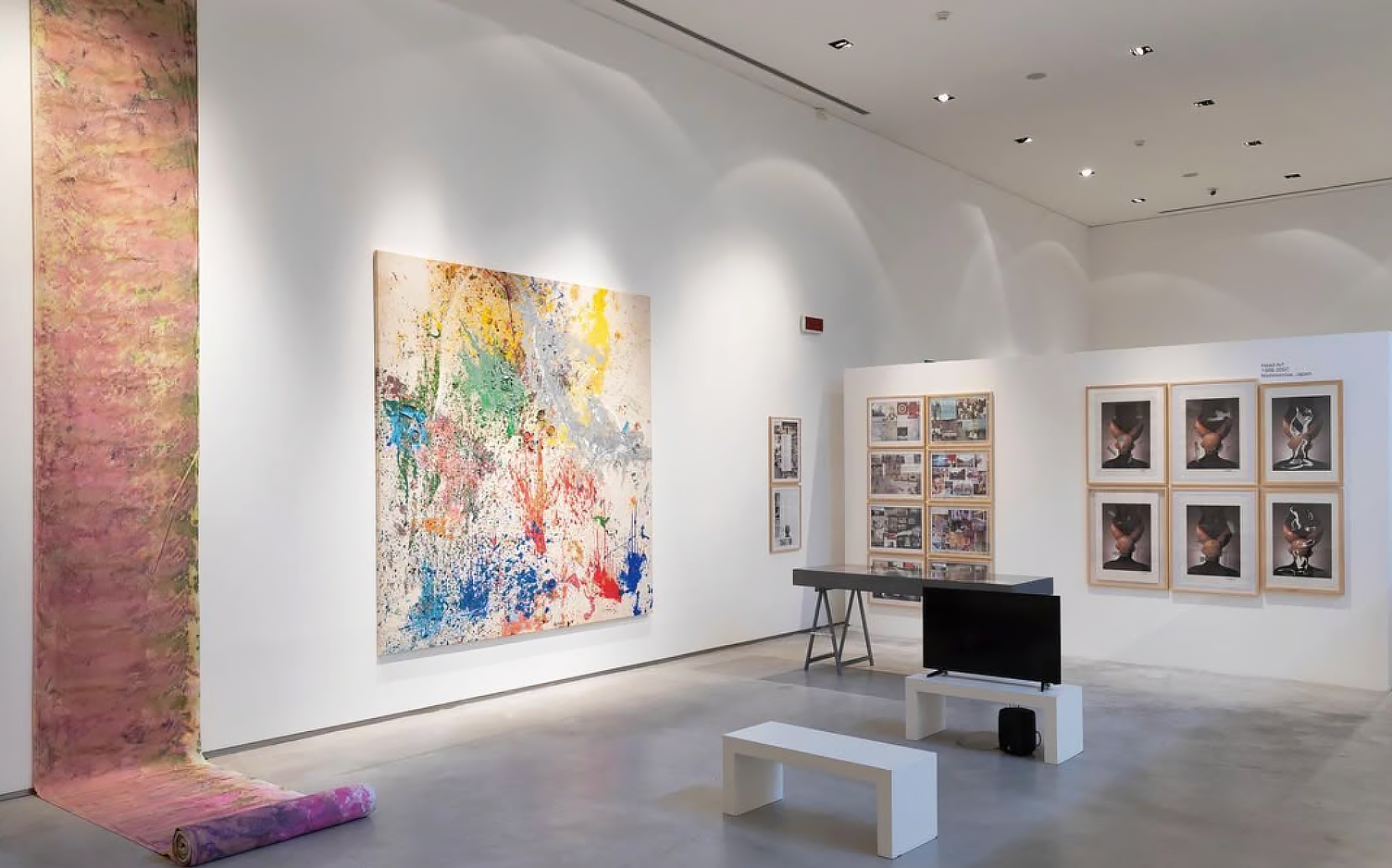
Shozo Shimamoto, installation view at Centro d'Arte Contemporanea, Italy, 2022.