#Postwar Art
Showing 7 articles related to Postwar Art
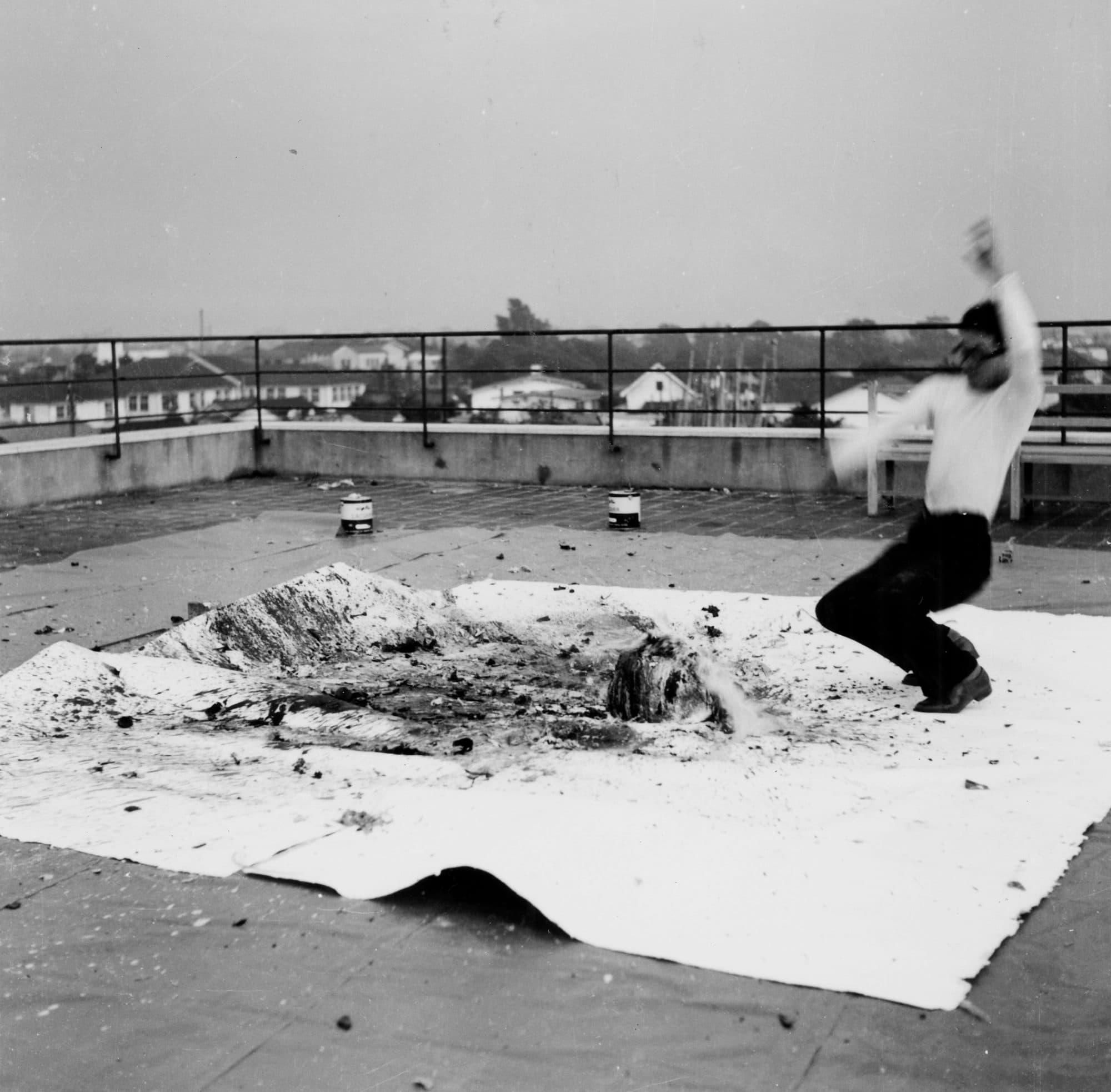
Shattering the Brush: Shimamoto and Nitsch
This article explores the parallel evolution of Shozo Shimamoto and Hermann Nitsch. By examining Shimamoto’s "Bottle Crash" and Nitsch’s "Pour Paintings" through the lens of Art Informel, it reclaims Gutai’s independent status as a pioneering force that synchronized with, or even led, the global post-war avant-garde.
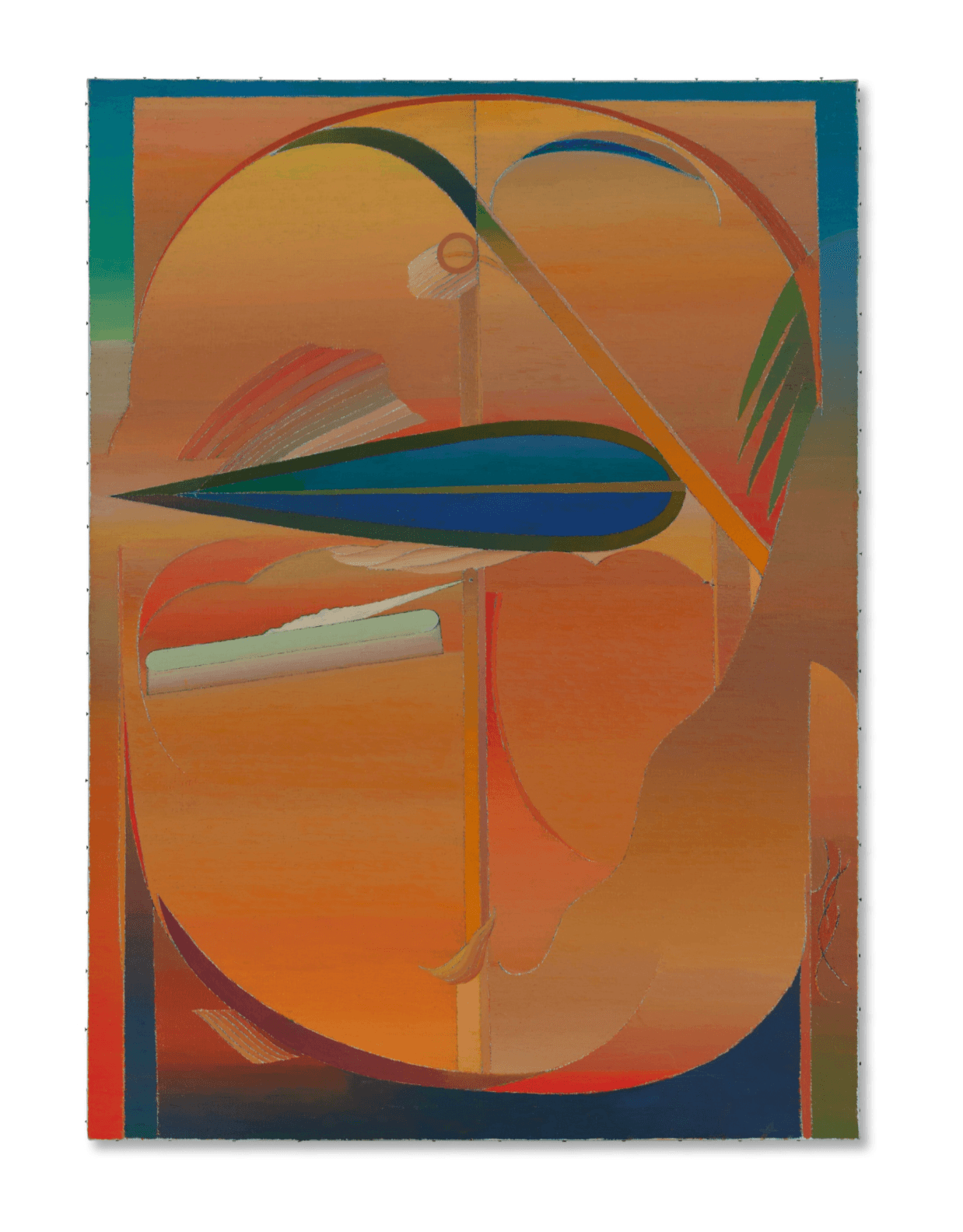
The Academic and Market Repositioning of Miyoko Ito
Miyoko Ito’s recent resurgence reflects not a rediscovery, but a long-overdue realignment of historical and market perception. Her paintings reveal a rare internal coherence, balancing structure, intuition, and metaphysical inquiry. Long embedded within the American mainstream yet later obscured, Ito’s work now reclaims its rightful place through institutional scholarship and market confidence. Quiet, disciplined, and spatially charged, her paintings resonate not through spectacle, but through sustained depth and clarity.

Diane Arbus: Secrets within Secrets and the Psychological Revolution of Documentary Photography
Diane Arbus transformed documentary photography by exposing its inherent ambiguity. Through precise titles, frontal flash, and uncompromising detail, she challenged photography’s claim to objectivity and dissolved the boundary between documentary and high art. Her images reveal the ritual, mystery, and vulnerability embedded in everyday life, granting mythic dignity to marginalized subjects. Arbus’s work is not an act of sympathy, but a courageous confrontation with truth, demanding that viewers confront their own humanity.
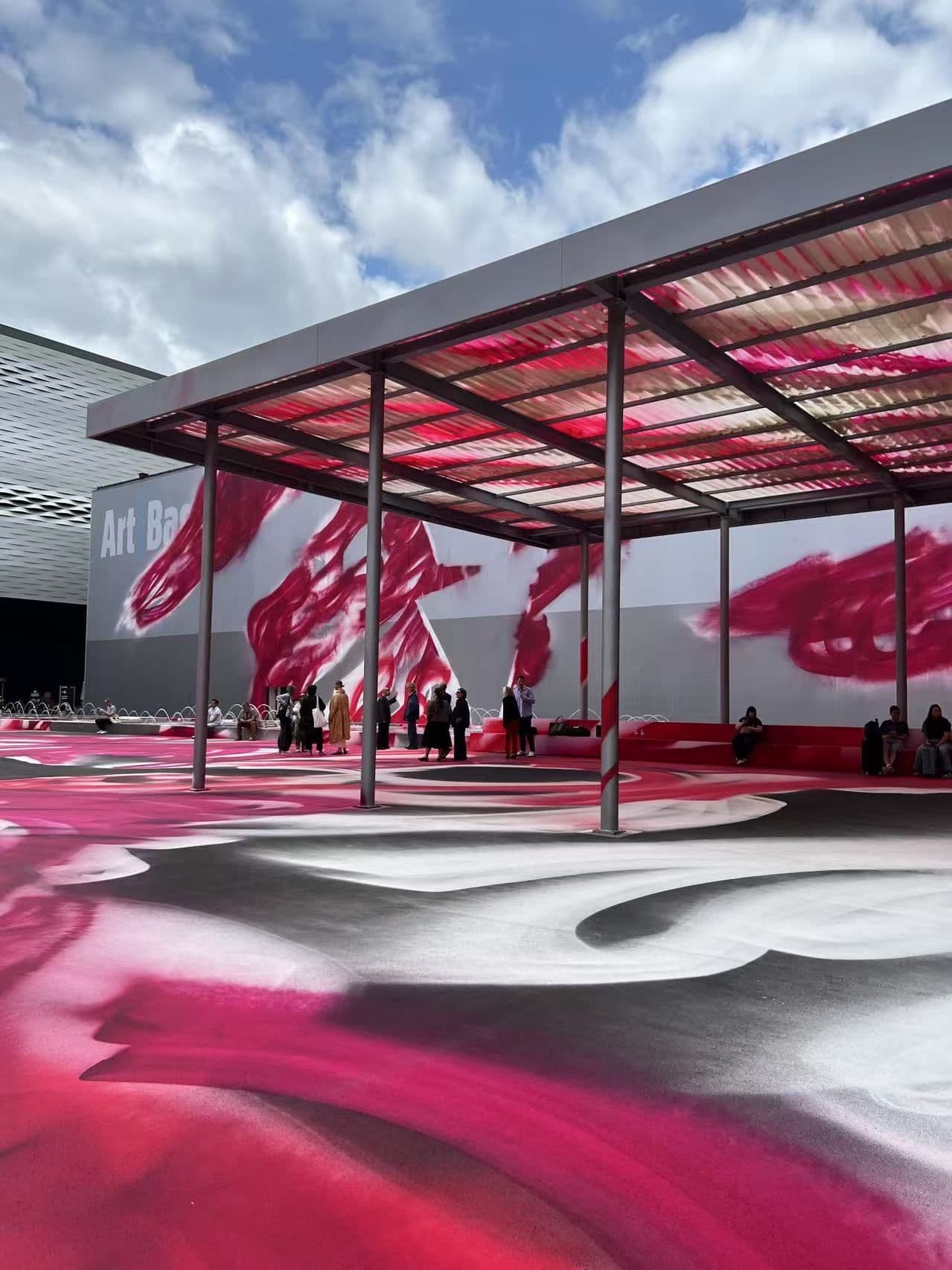
Art Basel: What the Market Is Watching and How to Read It
Swiss Art Basel reveals cautious collector behavior and adjusted strategies after years of market inflation. Collectors are focusing on works priced roughly USD 20,000–500,000 and diversifying media interest. Price expectations need realignment across tiers. Chinese collector interests are shifting toward local artists, yet Western and postwar works remain significant due to deeper market infrastructure and historical stability.
Art Basel Miami Beach Preview: Artists We’re Watching
At Art Basel Miami Beach, a mirror of the global art market, the artists we highlight are not only responding to the present but actively shaping the future. Through material, the body, memory, and cultural lineages, they reimagine abstraction, narrative, and painting—producing works that combine intellectual rigor with long-term collectibility, and increasingly occupy the center of institutional and market attention.
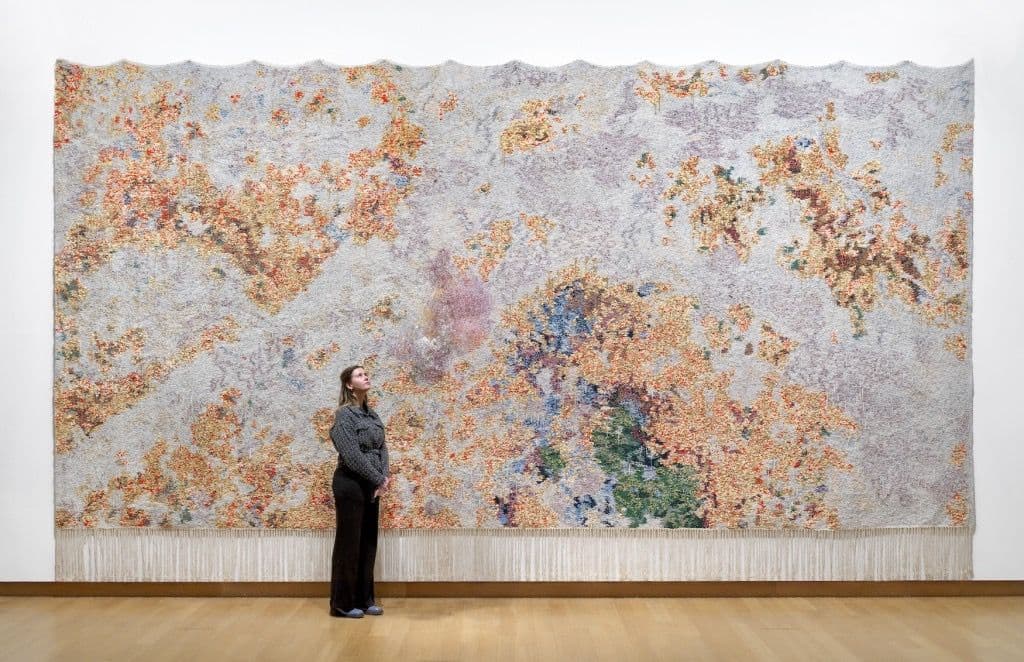
Flourishing Forms — Igshaan Adams, One of the Most Collectible Tapestry Artists of Our Time
In recent years, Igshaan Adams has rapidly entered the sphere of major international institutions and top-tier collections through his poetic practice of fiber-based and suspended works. Extending the postwar tradition of material-based art, his work draws on personal cultural experience to address questions of identity, belief, and belonging, combining strong academic significance with growing market potential as he moves steadily toward the center of contemporary art discourse.
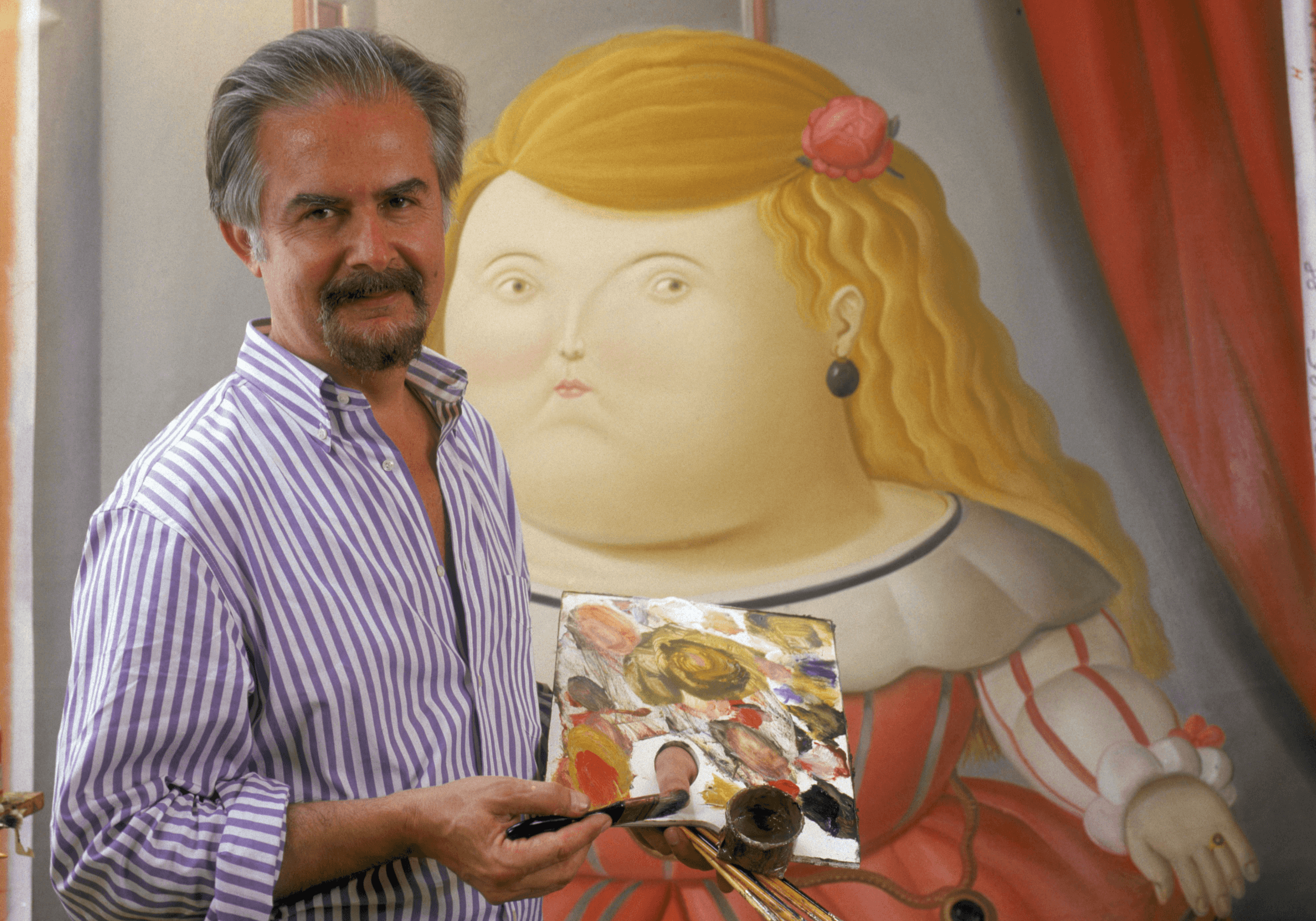
A Favorite Among Chinese Collectors: The Market and Work of Botero
While Botero’s prices may not double overnight like those of emerging stars, his market is steadily tracing a second life curve worthy of a master—less volatile, but profoundly enduring. His trajectory reminds us that the art market is not solely driven by hype, but also by the enduring logic of time: works that transcend eras require no spectacle, only presence.