#Modern Contemporary
Showing 12 articles related to Modern Contemporary
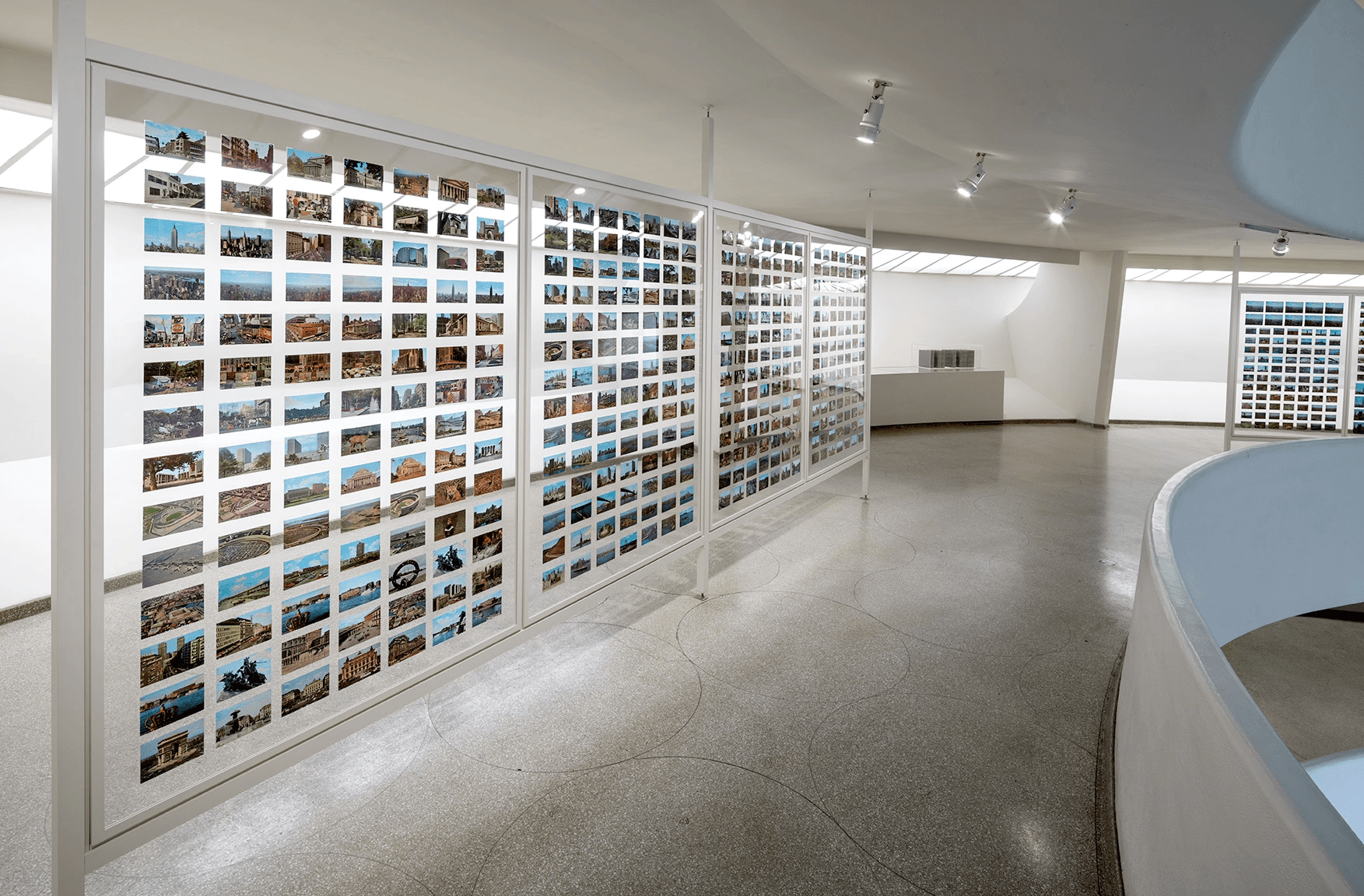
Testimony of Time: On Kawara’s I Got Up
On Kawara’s I Got Up series (1968–1979) redefines collecting as a physical capture of human existence. By stamping his daily waking time on tourist postcards, Kawara transformed administrative precision into a poetic testimony of life. Held by institutions like MoMA and Tate, these works represent a legendary, scarce, and academically vital intersection of time, ritual, and conceptual rigor.

Diane Arbus: Secrets within Secrets and the Psychological Revolution of Documentary Photography
Diane Arbus transformed documentary photography by exposing its inherent ambiguity. Through precise titles, frontal flash, and uncompromising detail, she challenged photography’s claim to objectivity and dissolved the boundary between documentary and high art. Her images reveal the ritual, mystery, and vulnerability embedded in everyday life, granting mythic dignity to marginalized subjects. Arbus’s work is not an act of sympathy, but a courageous confrontation with truth, demanding that viewers confront their own humanity.
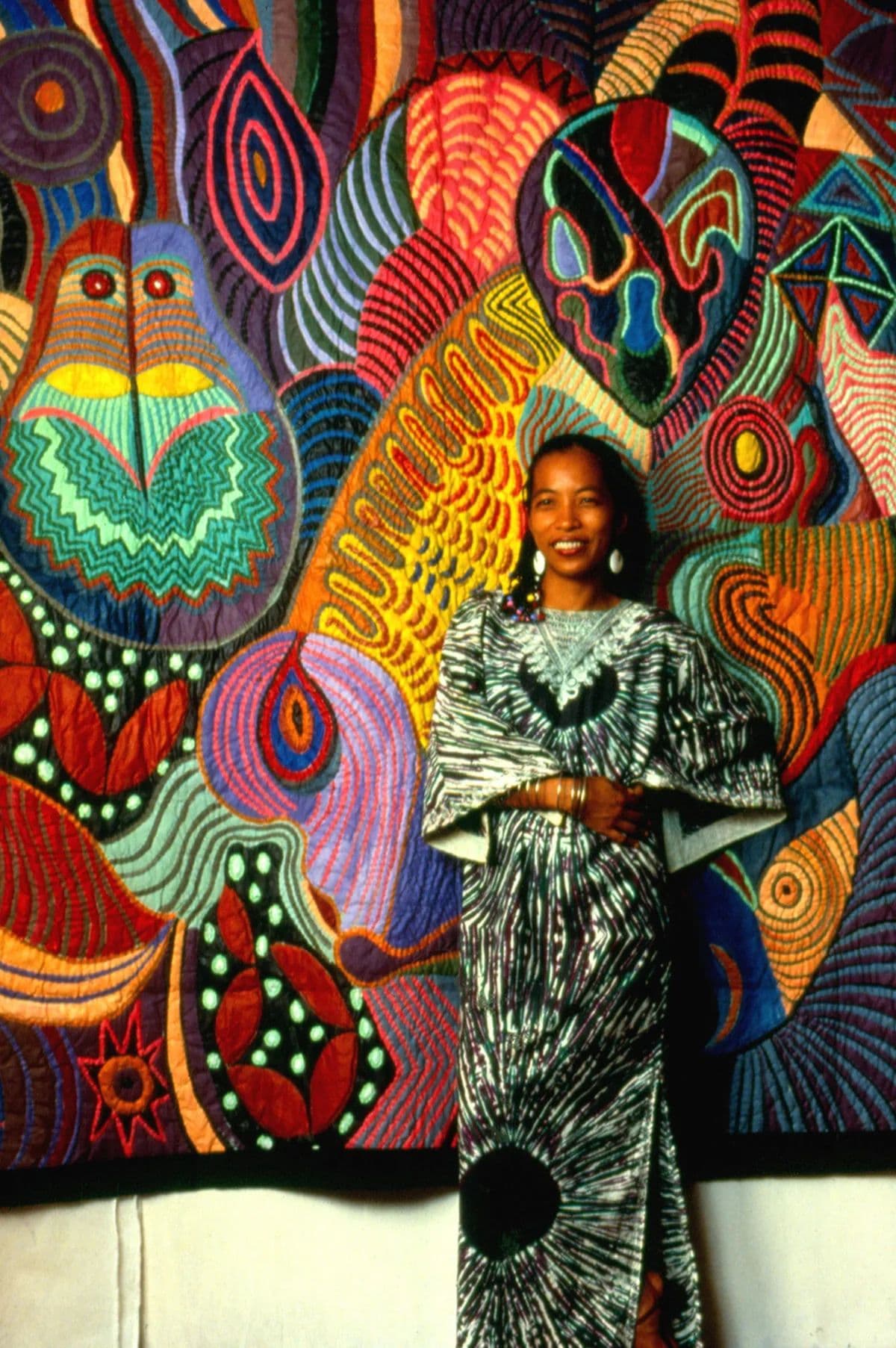
Why the Global South Is the Next Collecting Focus — and Why Collectors Are Drawn to Her Work
As Western ultra-contemporary markets slow, collectors increasingly turn to Global South artists. Pacita Abad’s textile-based practice challenges Western material hierarchies through migration-driven aesthetics, cultural symbolism, and emotional resilience. With growing institutional recognition and market momentum, her work reflects a broader shift toward historically marginalized narratives and more globally inclusive art histories.
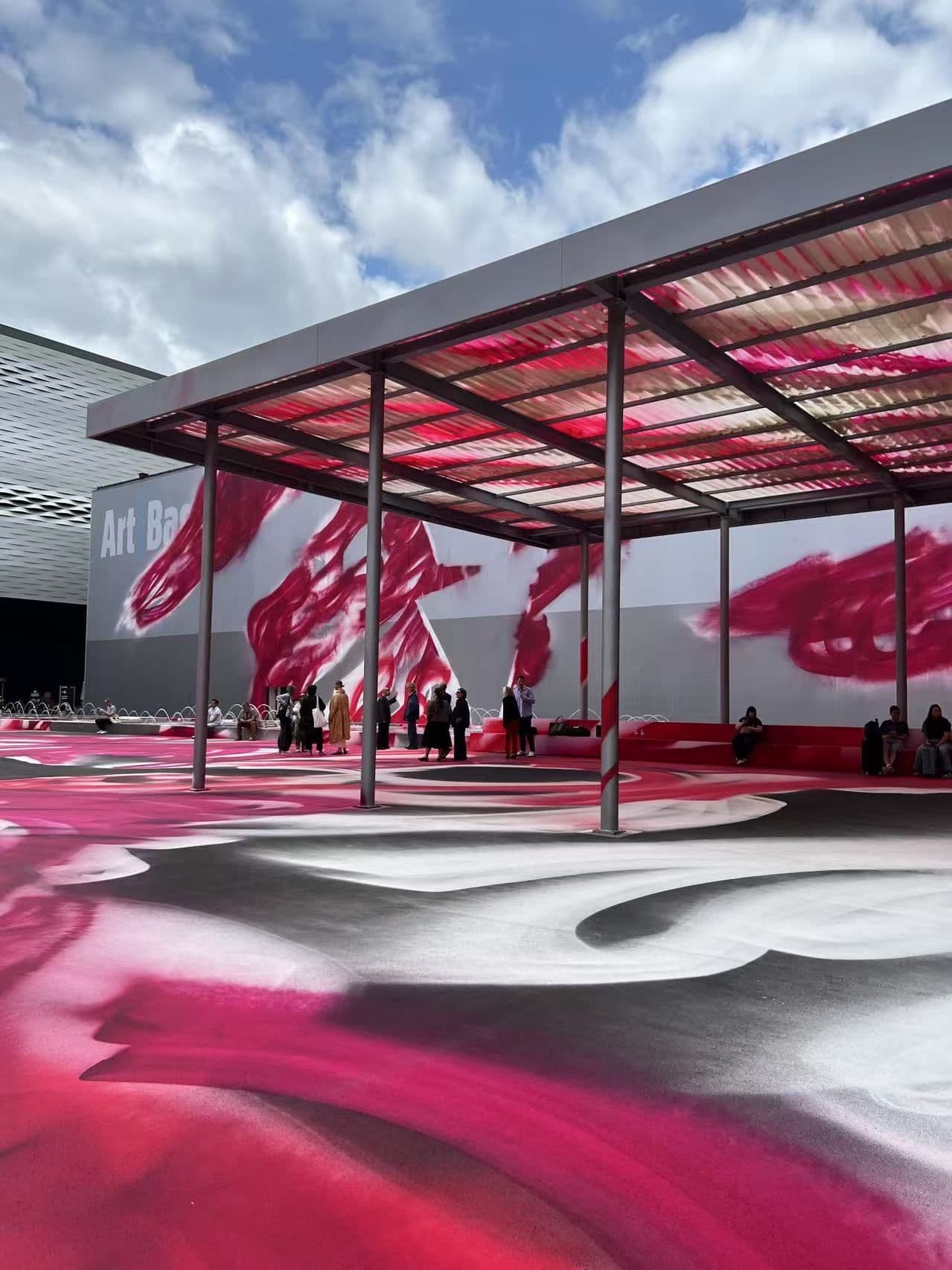
Art Basel: What the Market Is Watching and How to Read It
Swiss Art Basel reveals cautious collector behavior and adjusted strategies after years of market inflation. Collectors are focusing on works priced roughly USD 20,000–500,000 and diversifying media interest. Price expectations need realignment across tiers. Chinese collector interests are shifting toward local artists, yet Western and postwar works remain significant due to deeper market infrastructure and historical stability.
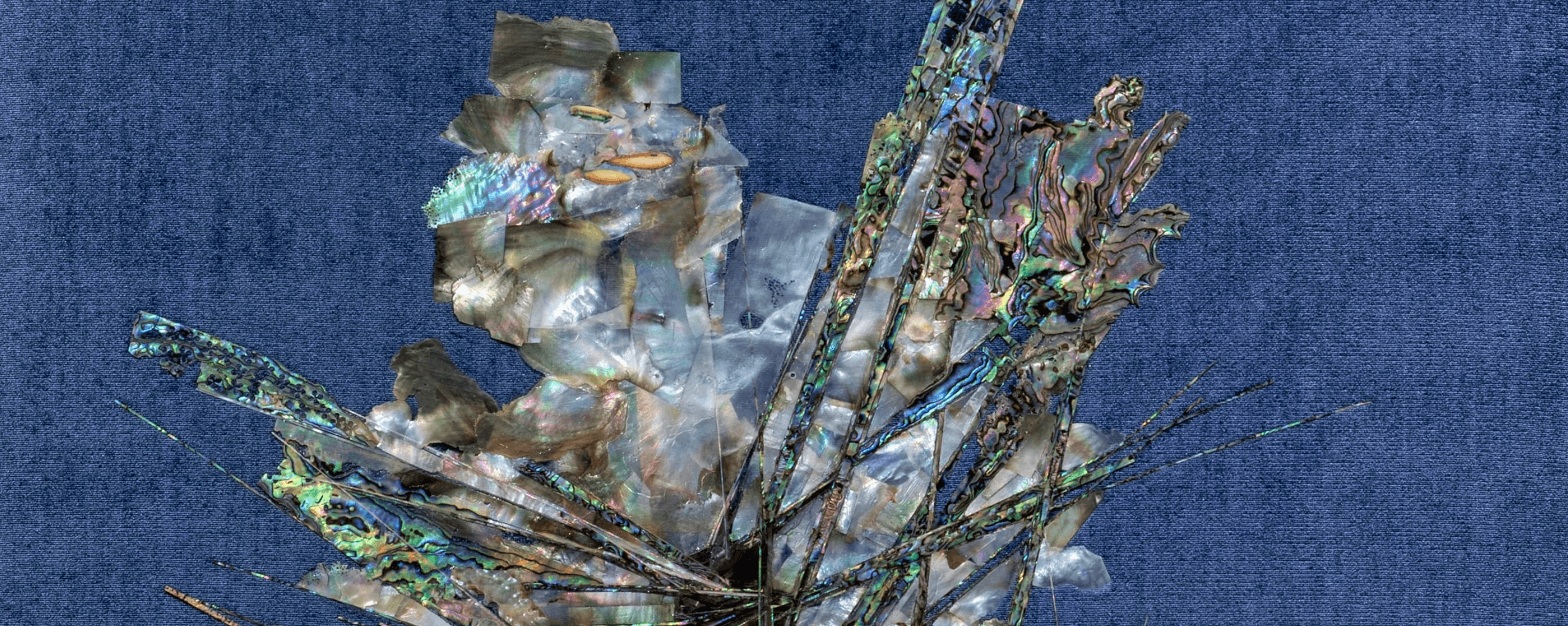
The Metropolitan Museum of Art’s Choice: A Blue-Chip Artist for Long-Term Value — Lee Bul
Lee Bul has emerged as a rare Asian artist who transcends regional and gender boundaries through a multidisciplinary practice spanning performance, sculpture, and architectural form. With her representation by Hauser & Wirth, a commission from The Metropolitan Museum of Art, and forthcoming major retrospectives, she has firmly entered the ranks of internationally recognized blue-chip artists.
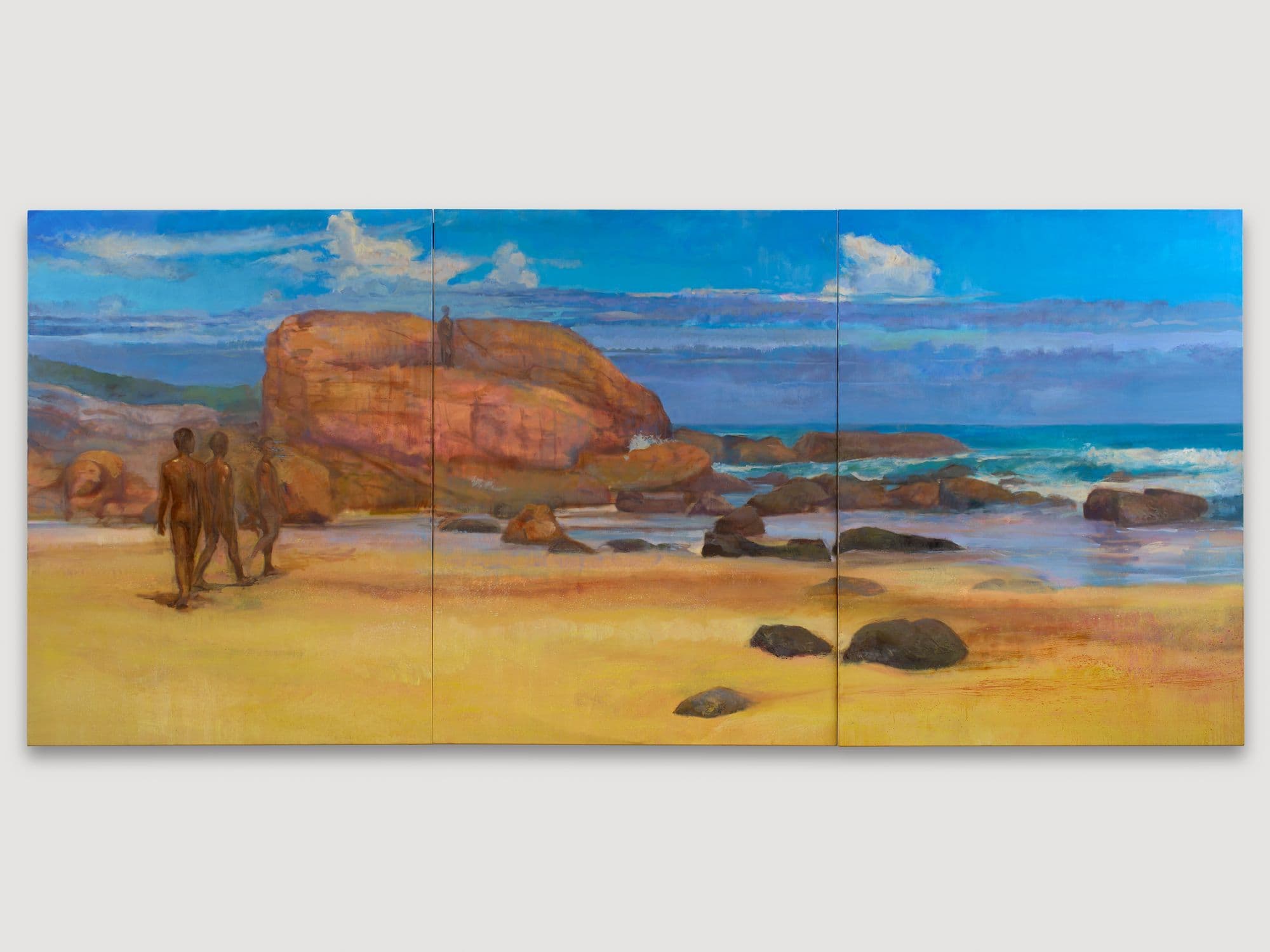
A New Chapter in Contemporary Landscape: At the Starting Point of Accelerating Value
This article traces the development of Western landscape painting, showing how “mountains and waters” have evolved from mere depictions of nature into contemporary visual language that carries identity, memory, and emotion. It focuses on four post-1990s artists—Michael Ho, Francesco Cima, Jake Grewal, and Su Yu-Xin—highlighting how they reinterpret the landscape tradition through diverse cultural backgrounds and creative methods, revealing new possibilities for contemporary landscape in both art history and the collecting context.
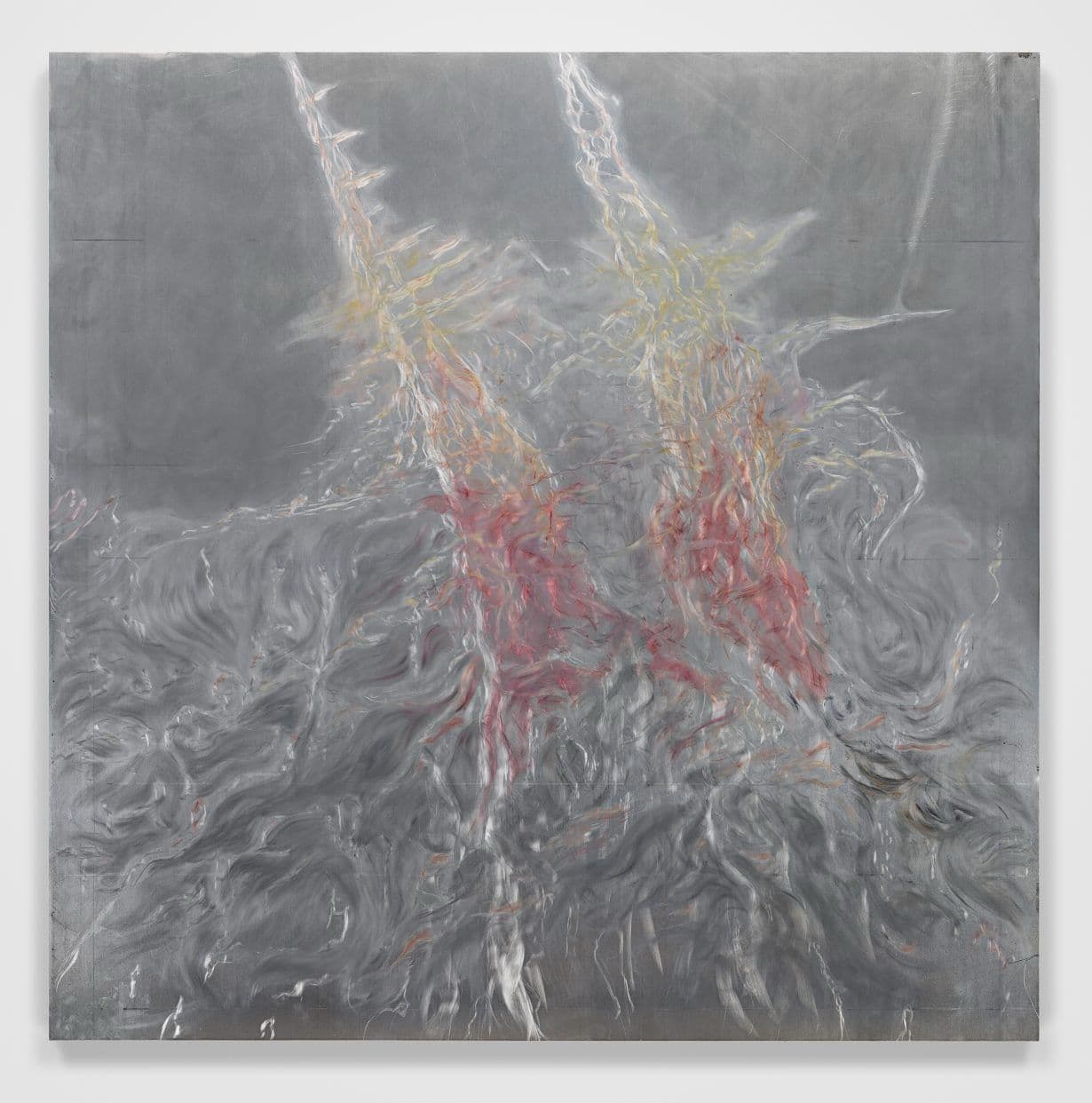
WangShui: A New Chapter in Artificial Intelligence and Contemporary Art
WangShui’s practice employs artificial intelligence as a generative logic while extending the legacy of abstract painting toward future artistic possibilities. Rather than following trends, his work is deeply embedded in art-historical discourse, possessing lasting scholarly and collecting value, and stands as a significant chapter in the future of art history.
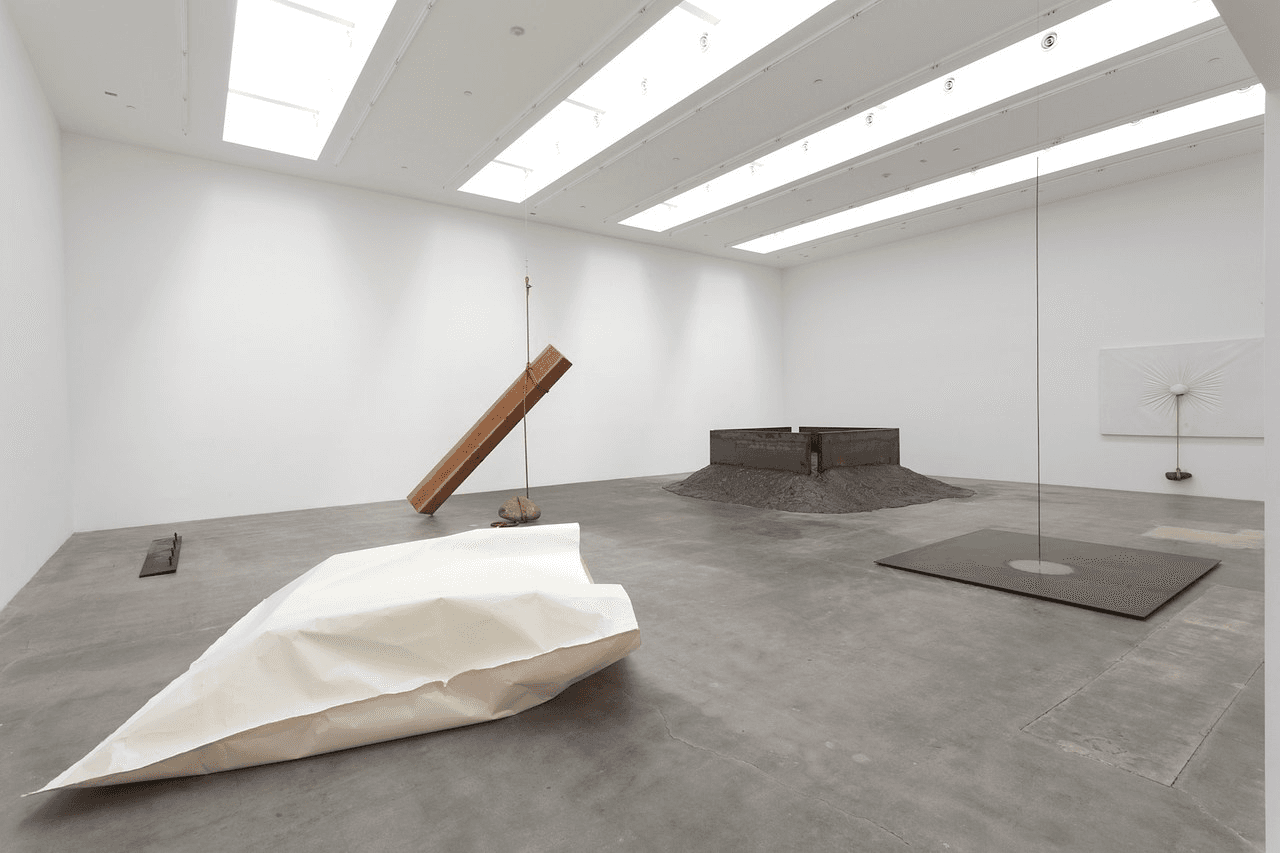
Mono-ha and Minimal Art: Postwar Asian Masterpieces Through Collectors’ Lens
As an important expression of Asian post-war minimalism, Mono-ha's concepts and forms not only resonate with Italian Arte Povera in their sensitivity to materials and space but also engage in dialogue with American post-war Minimalism in terms of simplicity, clarity, and conceptual vocabulary.
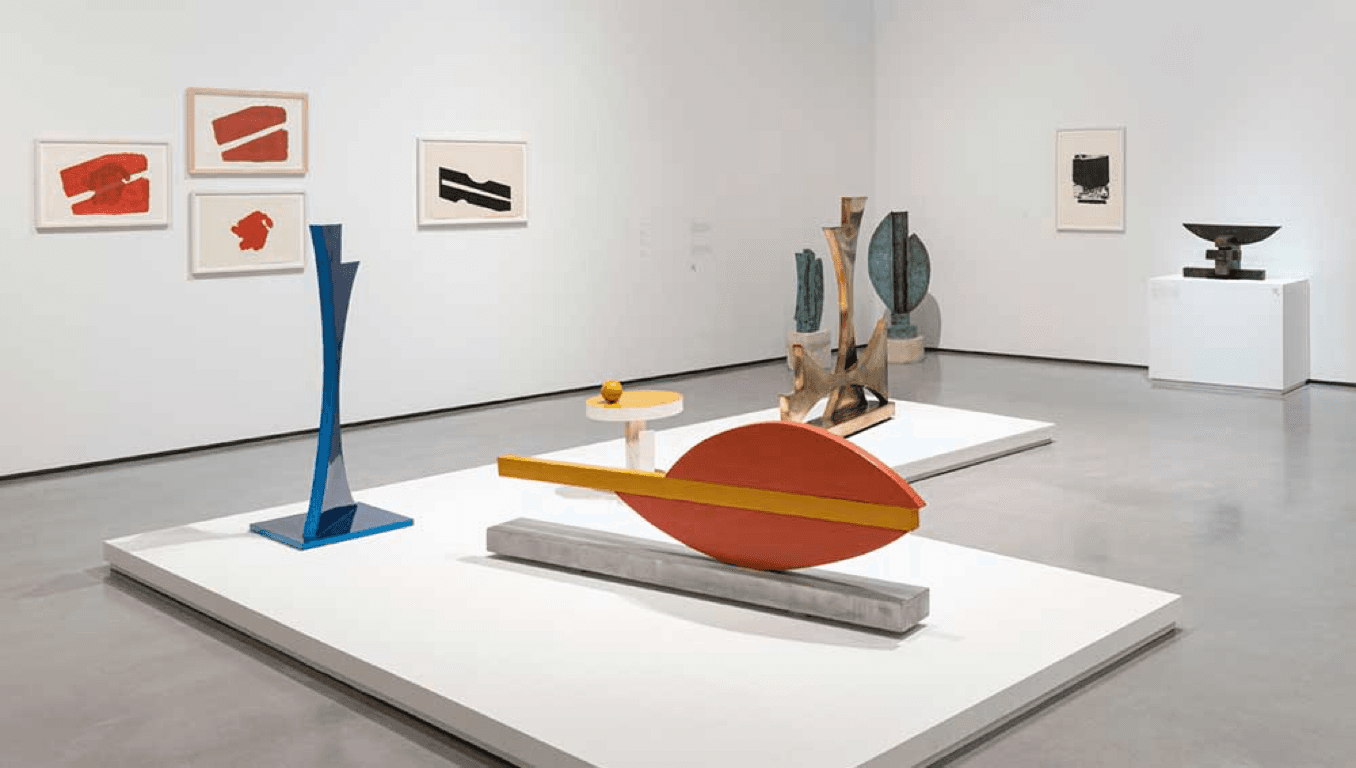
The Titan of Sculpture You Should Know: Kim Lim
Kim Lim is not merely being rediscovered but strategically repositioned within art history. Her practice embodies a cross-cultural negotiation that resonates with current debates on identity, diaspora, and the global canon.
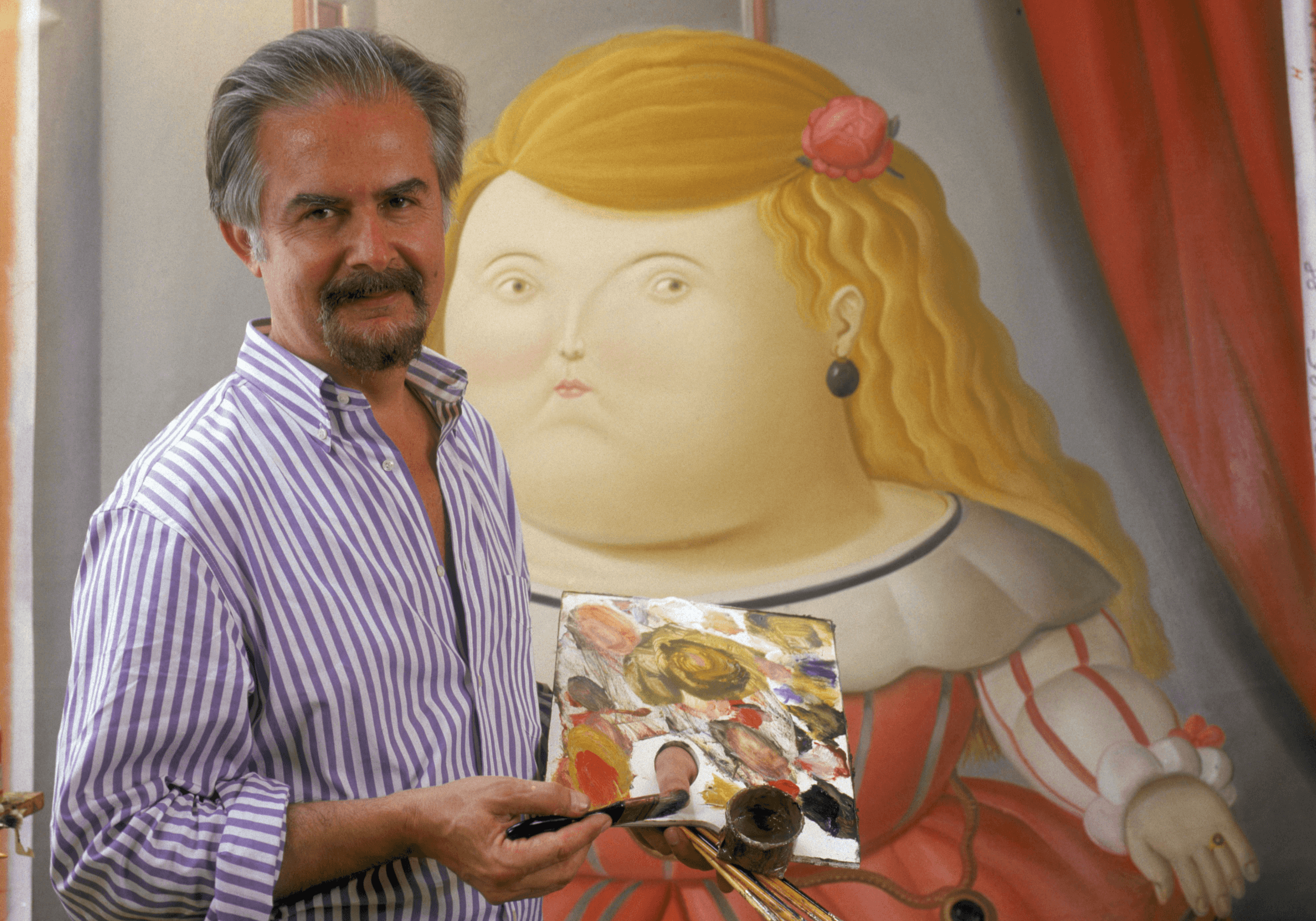
A Favorite Among Chinese Collectors: The Market and Work of Botero
While Botero’s prices may not double overnight like those of emerging stars, his market is steadily tracing a second life curve worthy of a master—less volatile, but profoundly enduring. His trajectory reminds us that the art market is not solely driven by hype, but also by the enduring logic of time: works that transcend eras require no spectacle, only presence.

The Rise of a Supernova Artist | Joseph Yaeger
Supernova artist Joseph Yaeger builds his practice on Roland Barthes' "punctum". Evolving from passive capture to active construction of visual philosophy, he rises rapidly as an art market highlight with profound insights into seeing.
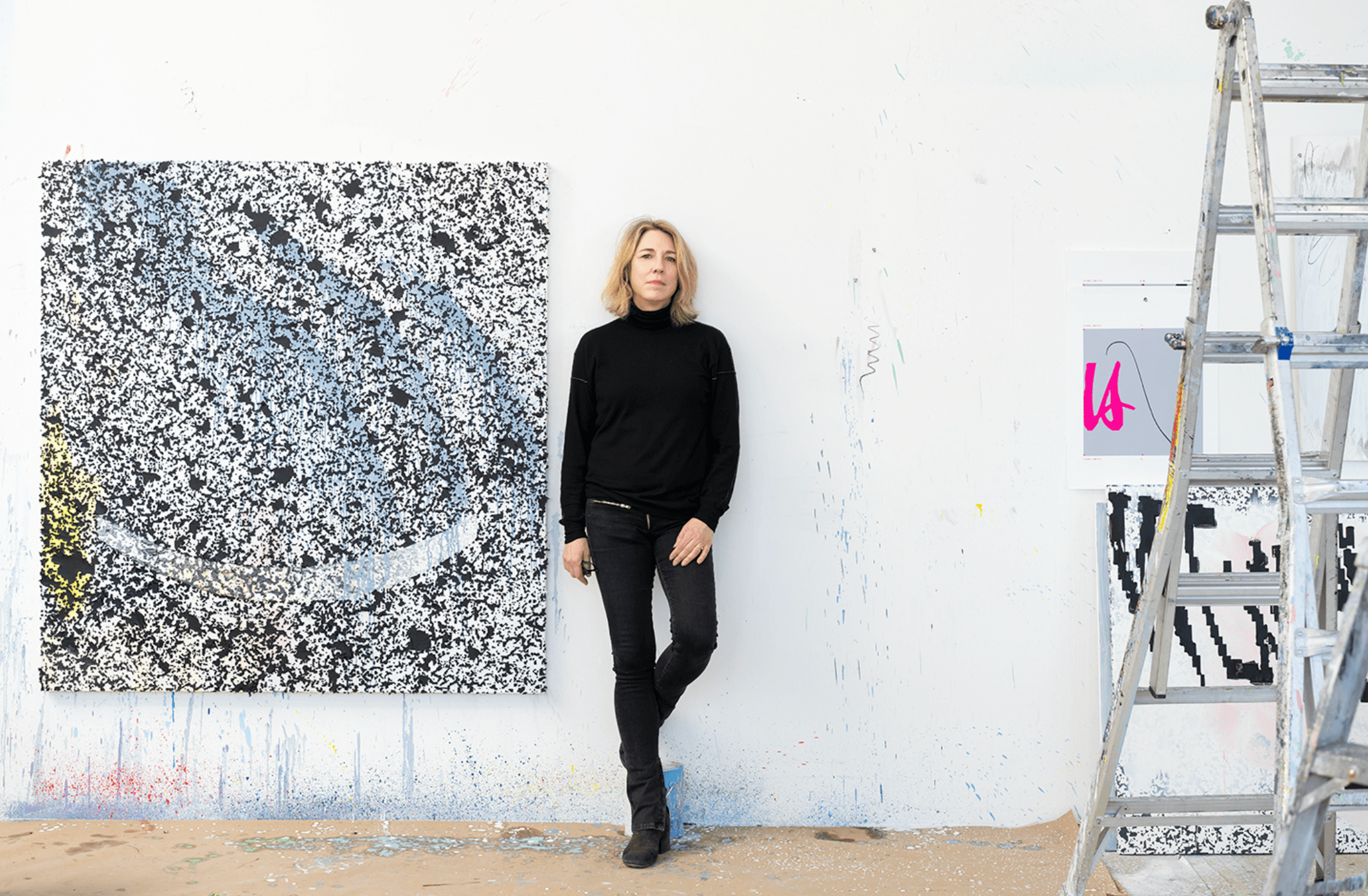
Collecting Insights from Glenstone: Which Artists Are on the Radar of This Billion-Dollar Museum?
The artistic value of Jacqueline Humphries stems from her dialogue with the tradition of abstract painting and her critical engagement with the contemporary technological context. Her works possess both sensory tension and profound cultural analytical depth, capable of responding to multiple issues, and aesthetic politics. For contemporary art collectors pursuing cultural depth and asset stability, she is undoubtedly a target worthy of attention with great long-term layout value.